
 EN
EN

Kateri lastnosti naredijo talne plošče iz aluminijevih zlitin odpornimi proti koroziji?
Kateri lastnosti naredijo talne plošče iz aluminijevih zlitin odpornimi proti koroziji?
Razumevanje odpornosti aluminijevih zlitin na korozijo pri podstropnih sistemih
Aluminijevo zlitinsko tlakovanje je postalo priljubljena izbira za komercialne, industrijske in arhitekturne projekte zaradi izjemne trdnosti in dolge življenjske dobe. Ne glede na to, ali se namesti v tovarnah, skladiščih, prometnih vozliščih, komercialnih stavbah ali zunanjih konstrukcijah, aluminijeva zlitinska tlaka ponujajo odlično zmogljivost v okoljih, ki so izpostavljena vlaji, kemikalijam in spreminjajočim se vremenskim razmeram. Za kupce B2B, veleposrednike, distributerje in podizvajalce je razumevanje razlogov, zakaj aluminijeva zlitinska tlaka odpirajo koroziji, bistveno za sprejemanje utemeljenih odločitev o nakupu.
Čeprav se ta članek osredotoča na aluminijevо zlitinsko tlakovanje, mnogi gradbeni projekti ga združujejo tudi z drugimi izdelki, kot so stenski panel wpc sistemi za ustvarjanje trpežnih in nizko vzdrževanih notranjih ter zunanjih prostorov. Te dopolnjujoče materiale vedno pogosteje izbirajo za projekte, ki zahtevajo visoko zmogljivost, privlačne površine in zmanjšane stroške vzdrževanja.
Za razliko od običajnih jeklenih tal se na aluminijevih zlitinah naravno razvije zaščitni oksidni sloj, ki material zaščiti pred okoljskimi škodljivimi vplivi. V kombinaciji z naprednimi proizvodnimi procesi in površinskimi obdelavami ta posebna lastnost znatno izboljša odpornost proti koroziji, hkrati pa ohrani strukturno trdnost. To naredi tla iz aluminijevih zlitin primerna za zahtevne uporabe, kjer sta zanesljivost in dolga življenjska doba najpomembnejša.
Naravne zaščitne lastnosti aluminijevih zlitin
Aluminijeve zlitine ponujajo odpornost proti koroziji zaradi svojih posebnih kemijskih lastnosti, ne le zaradi zunanjih premazov. Ta naravna zaščita tvori temelj njihove dolgoročne učinkovitosti.
Obrazovanje zaščitnega oksidnega sloja
Ena najopaznejših lastnosti aluminijevih zlitin je njihova sposobnost, da takoj po stiku z kisikom tvorijo tanko oksidno plast. Ta nevidna plast deluje kot zaščitna pregrada, ki preprečuje, da bi vlaga, kisik in številne korozivne snovi dosegale osnovni kovinski material.
Za razliko od rje na jeklu, ki se s časom nadaljuje in širi, je aluminijev oksid stabilen in samoregenerirajoč. Če površina doživi manjše praske, se nova oksidna plast skoraj takoj obnovi in ponovno zagotovi zaščito brez dodatnega posega. Ta sposobnost samoregeneracije znatno podaljša življenjsko dobo tal iz aluminijevih zlitin.
Projekti, ki vključujejo tla iz aluminijevih zlitin skupaj z stenski panel wpc namestitvami, izkoriščajo prednosti dveh gradbenih materialov, ki obema zahtevata minimalno vzdrževanje, hkrati pa ponujata dolgotrajno privlačnost in strukturno zanesljivost.
Izvirna odpornost proti okoljskim vplivom
Aluminijska zlitina izjemno dobro deluje v okoljih, kjer so pogosti vlaga, dež ali nihanja temperature. Obalna območja, industrijski objekti in zunanjih ploščadi pogosto izpostavljajo gradbene materiale agresivnim razmeram, ki pospešujejo korozijo.
Ker aluminijska zlitina naravno zavira oksidacijo, ostane stabilna tudi po letih izpostavljenosti. Ta lastnost zmanjšuje zahteve po vzdrževanju in zmanjšuje stroške zamenjave v celotnem življenjskem ciklu stavbe.
Številni komercialni razvijalci združujejo aluminijske talne obloge z stenski panel wpc sistemi, saj obeh materiala ohranjata svoj videz tudi pri neprekinjeni izpostavljenosti spreminjajočim se okoljskim razmeram.
Sestava zlitine izboljša odpornost proti koroziji
Odpornost aluminijskih talnih oblog proti koroziji je odvisna ne le od samega aluminija, temveč tudi od skrbno izbranih legirnih elementov, ki izboljšajo skupno zmogljivost.
Vloga magnezija in silicija
Številne aluminijeve zlitine vsebujejo magnezij in silicij, ki izboljšata odpornost proti koroziji ter hkrati povečata mehansko trdnost. Ti elementi izboljšajo trdoto brez izgube lahkega značaja aluminija.
Za industrijske podlagne aplikacije te kombinacije zlitin zagotavljajo odlično nosilno zmogljivost, hkrati pa ohranjajo odpornost proti vlaji in kemikalijam. Izvajalci cenijo ravnovesje med trdnostjo in zaščito pred korozijo, še posebej v okoljih z visoko prometno obremenitvijo.
Zgradbe, zasnovane z aluminijevimi zlitinami za podlage, in stenski panel wpc izdelki pogosto dosegajo tako strukturno učinkovitost kot estetsko skladnost, kar jih naredi privlačne rešitve za komercialne razvoje.
Optimizirani proizvodni standardi
Proizvajalci visoke kakovosti natančno nadzorujejo sestavo zlitine v celotnem proizvodnem procesu. Enotna kemična sestava zagotavlja enakomerno odpornost proti koroziji na vsakem panelu za podlago.
Napredne tehnologije iztiskanja, valjanja in toplotne obdelave še dodatno izboljšajo stabilnost materiala. Stroga kakovostna nadzorna preverjanja pomagajo odpraviti notranje napake, ki bi v zahtevnih pogojih lahko postale izhodišča za korozijo.
Zanesljivi dobavitelji razumejo, da B2B stranke za velike projekte zahtevajo dosledno kakovost izdelkov, saj dolgoročno delovanje neposredno vpliva na proračune za vzdrževanje.
Napredne tehnologije površinske obdelave
Čeprav aluminij naravno zavrača korozijo, dodatne površinske obdelave zagotavljajo še večjo zaščito za zahtevne aplikacije.
Anodizacija izboljša trdnost površine
Anodizacija je ena najučinkovitejših obdelav za talne plošče iz aluminijevih zlitin. Med tem elektrokemičnim procesom se naravni oksidni sloj znatno debeli in trdi.
Dobljena površina ponuja izboljšano odpornost proti koroziji, poškodbam, obrabi in ultravijoličnemu sevanju. Anodiziran aluminij ohrani svoj videz več let in zahteva zelo malo vzdrževanja.
Za poslovne stavbe, ki uporabljajo tudi stenski panel wpc izdelke, anodizirana aluminijasta talna obloga prispeva k privlačnemu, sodobnemu dizajnu z enotno dolgoročno zmogljivostjo.
Praškovo lakiranje dodatno zaščiti
Praškovo lakiranje ustvari še en zaščitni sloj nad aluminijasto površino. V nasprotju s tradicionalnimi tekočimi barvami praškova prevleka zagotavlja enakomerno prekrivanje z odlično lepilno močjo in trdnostjo.
Ta dodatna zaščitna plast ščiti pred vlago, solnim pršenjem, industrijskimi kemikalijami in mehanskim obrabo. Praškovo lakirana aluminijasta talna obloga se pogosto uporablja v prometnih objektih, tovarnah, nakupovalnih centrih in javnih stavbah.
Ko se združi z dekorativnimi stenski panel wpc namestitvami, praškovo lakirana aluminijasta talna obloga podpira sodobne arhitekturne načrte, hkrati pa ohranja odlično odpornost proti okoljski škodi.
Konstrukcijski dizajn zagotavlja dolgoročno trajnost
Odpornost proti koroziji je odvisna ne le od izbire materiala, temveč tudi od pametnega inženirskega načrtovanja.
Učinkovit dizajn za odvodnjo vode
Stojna voda pospešuje korozijo pri številnih gradbenih materialih. Sodobne talne plošče iz aluminijevih zlitin pogosto vključujejo odtočne kanale, teksturirane površine ali perforirane oblike, ki omogočajo učinkovit odtek vode.
Zmanjševanje nabiranja vode zmanjšuje dolgotrajno izpostavljenost vlaji in izboljša splošno življenjsko dobo. Ustrezen odvod je še posebej pomemben za zunanjih hodnikih, balkonih, mostovih in industrijskih platformah.
Projekti, ki integrirajo aluminijaste talne plošče z stenski panel wpc sistemi, profitirajo od usklajenih načrtovnih strategij, ki poudarjajo trdnost in upravljanje vlage po celotni stavbi.
Lahka konstrukcija zmanjšuje strukturni stres
Aluminijeva zlitina tehta znatno manj kot jeklo, hkrati pa zagotavlja izjemno strukturno trdnost. Nižja teža zmanjšuje obremenitev nosilnih konstrukcij in poenostavlja prevoz ter namestitev.
Zmanjšana mrtva obremenitev naredi aluminijasto podlago privlačno tudi za obnove, kjer obstoječe konstrukcije imajo omejitve glede teže. Lažje rokovanje skrajša čas namestitve in zniža stroške dela za podizvajalce in distributerje.
Odlična kemikalija proti uporabi
Industrijski objekti pogosto izpostavljajo podlagne materiale oljem, čistilnim sredstvom, kislinam in alkalnimi snovmi. Aluminijeva zlitina kaže odlično odpornost proti številnim pogostim industrijskim kemikalijam.
Stabilna zmogljivost v industrijskih okoljih
Proizvodne tovarne, objekti za predelavo hrane in logistični centri zahtevajo podlagne materiale, ki ohranjajo svojo učinkovitost tudi ob pogostem čiščenju in izpostavljenosti kemikalijam.
Pravilno obdelana aluminijasta zlitina za podlage je odporna na razgradnjo, povzročeno z mnogimi industrijskimi snovmi, kar pomaga objektom ohraniti varno in privlačno delovno okolje.
Kombinacija aluminijaste podlage in stenski panel wpc sistemov predstavlja učinkovito rešitev za komercialne notranjosti, kjer igrajo pomembno vlogo higiena, trpečnost in videz.
Zmanjšane zahteve za vzdrževanje
Materiali, ki naravno zdržijo korozijo, zahtevajo manj vzdrževanja v času njihove uporabe. Talne plošče iz aluminijevih zlitin običajno potrebujejo le redno čiščenje, da ohranijo svoj videz in zaščitne lastnosti.
Nižje zahteve za vzdrževanje se prenesejo v nižje obratovalne stroške skozi celotno življenjsko dobo stavbe. Ta dolgoročna vrednost je še posebej pomembna za velike poslovne razvoje in industrijske objekte.
Prednosti za B2B gradbene projekte
Za veleposrednike, distributerje, podizvajalce in inženirsko podjetja odpornost proti koroziji neposredno vpliva na uspeh projekta.
Daljša življenjska doba ustvarja večjo vrednost
Stavbe, ki so zasnovane za desetletja obratovanja, potrebujejo materiale, ki ostanejo zanesljivi skozi celotno predvideno življenjsko dobo. Talne plošče iz aluminijevih zlitin ponujajo izjemno dolgo življenjsko dobo, kar zmanjšuje pogostost popravil in stroške zamenjave.
Naložba v materiale, odporne proti koroziji, pomaga lastnikom nepremičnin zmanjšati stroške skozi celotno življenjsko dobo, hkrati pa ohranjajo visoke varnostne standarde.
Številna gradbena podjetja določajo tudi stenski panel wpc izdelki, ker dopolnjujejo aluminijasto talno oblogo z podobno trdnostjo in nizko vzdrževalno zahtevnostjo.
Skladen kakovost izdelkov poenostavi velike projekte
Veliki komercialni razvoji pogosto zahtevajo tisoč kvadratnih metrov talne obloge. Skladna odpornost proti koroziji na vsakem panelu zagotavlja enotno delovanje po celotni namestitvi.
Zanesljivi proizvajalci uvedejo stroge sisteme nadzora proizvodnje, da zagotovijo skladno sestavo zlitine, natančne dimenzije in stabilno kakovost površinske obdelave. Ta skladnost poenostavi namestitev in zmanjša tveganja projekta.
Izbira zanesljivega dobavitelja aluminijaste talne obloge
Izbira pravega dobavitelja je enako pomembna kot izbira pravega materiala.
Proizvodna izkušnja je pomembna
Izkušeni proizvajalci razumejo, kako izbor zlitine, tehnologija ekstruzije, površinska obdelava in kakovostni pregled vplivajo na odpornost proti koroziji.
Podjetja z zreli sistemi proizvodnje ponavadi nudijo boljšo skladnost, močnejšo tehnično podporo in prilagojene rešitve za različne industrije.
Pri ocenjevanju dobaviteljev bi B2B-kupci morali prav tako upoštevati, ali so na voljo dopolnjujoči izdelki, kot so stenski panel wpc sistemi, kar omogoča nakup več gradbenih materialov pri enem zaupanem partnerju.
Certifikati kakovosti gradijo zaupanje
Mednarodni certifikati dokazujejo, da proizvodne procese izvajajo v skladu z uveljavljenimi standardi kakovosti.
Kupci naj preverijo preskuse izdelkov, poročila o odpornosti proti koroziji, proizvodne zmogljivosti in reference projektov pred sprejemanjem odločitev o nakupu. Zanesljiva dokumentacija zmanjšuje tveganja pri nabavi in podpira uspešno izvedbo projektov.
Sodelovanje z izkušenimi dobavitelji, kot je Treslam, lahko distributerjem in podjetjem za izvedbo gradbenih del pomaga pri dostopu do celovitih rešitev za gradbene materiale, ki so zasnovani za dolgoročno delovanje v komercialnih in industrijskih aplikacijah. 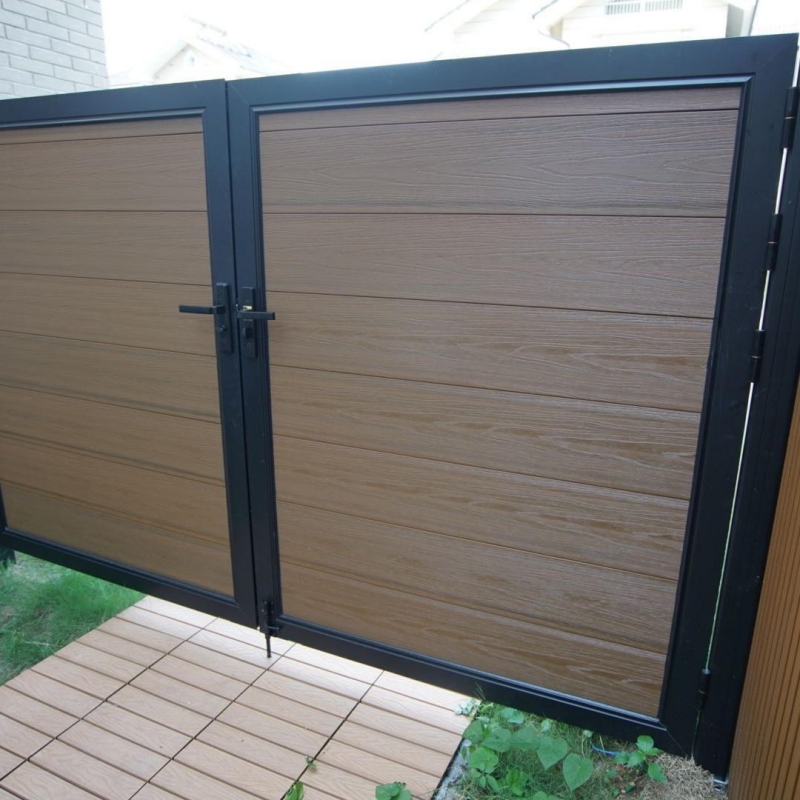
Pogosto zastavljena vprašanja
Ali je tlak iz aluminijevih zlitin boljši od jeklenega tlaka glede odpornosti proti koroziji?
V mnogih okoljih, da. Aluminij naravno tvori zaščitni oksidni sloj, ki preprečuje širjenje korozije, medtem ko jeklo za preprečevanje rje potrebuje zaščitne premaze. To naredi aluminijastega zlitinskega poda posebno primernega za vlažna, obmorska in industrijska okolja.
Ali obdelava površine izboljša odpornost proti koroziji?
Nedvomno. Postopki, kot so anodizacija in prahovno lakiranje, znatno izboljšajo naravno odpornost aluminijastih zlitin proti koroziji. Te obdelave zagotavljajo dodatno zaščito pred vlago, kemikalijami, obrabo in ultravijoličnim sevanjem ter podaljšujejo življenjsko dobo poda.
Ali se aluminijasti zlitinski pod lahko uporablja skupaj s sistemom stenskih plošč WPC?
Da. Številni poslovni in industrijski projekti združujejo aluminijasti zlitinski pod s stenski panel wpc namestitvami, saj obe materiali ponujata trajnost, nizko vzdrževalno zahtevnost, privlačen videz in odlično dolgoročno delovanje. Skupaj ustvarjata zanesljive gradbene rešitve za različne notranje in zunanjie aplikacije.
Kaj morajo B2B-nakupovalci upoštevati pri izbiri talne obloge iz aluminijevih zlitin?
Nakupovalci naj ocenijo sestavo zlitine, kakovost proizvodnje, tehnologijo površinske obdelave, nosilno kapaciteto, preskuse odpornosti proti koroziji, certifikate ter izkušnje dobavitelja. Izbor zanesljivega proizvajalca pomaga zagotoviti skladno kakovost izdelka in dolgoročno vrednost za gradbene projekte.