
 EN
EN

Why Builders Prefer Aluminum Alloy Doors for Modern Construction
Why Builders Prefer Aluminum Alloy Doors for Modern Construction
The Growing Use of Aluminum Alloy Doors in Building Projects
Modern construction projects require materials that can balance durability, appearance, functionality, and long-term cost efficiency. For builders, contractors, wholesalers, and distributors, choosing the right door system directly affects building performance, maintenance requirements, and overall project quality. Aluminum alloy doors have become a widely selected solution because they provide excellent strength, corrosion resistance, design flexibility, and reliable performance in different environments.
Unlike traditional materials that may experience issues such as moisture damage, deformation, or frequent maintenance, aluminum alloy doors offer stable performance throughout their service life. They are suitable for residential buildings, commercial developments, office spaces, industrial facilities, and public projects where quality and efficiency are important.
Many modern projects also combine aluminum alloy doors with other advanced building materials such as wpc wall panel systems. This combination helps create functional spaces with improved durability, attractive design, and easier maintenance. For builders managing large-scale construction projects, material compatibility and long-term reliability are key factors when selecting products.
The popularity of aluminum alloy doors is not only related to their appearance but also their practical advantages. Their lightweight structure, strong mechanical performance, and ability to adapt to different architectural requirements make them an effective choice for many construction applications.
Strong Material Performance of Aluminum Alloy Doors
Aluminum alloy doors are widely used because aluminum alloys provide an ideal balance between strength and weight. This makes them suitable for projects that require reliable performance without adding unnecessary structural load.
High Strength Supports Long-Term Use
Aluminum alloy doors are manufactured using specially processed aluminum materials that provide excellent structural stability. The alloy composition improves hardness and resistance to daily impact, allowing doors to maintain their shape even after frequent operation.
For commercial buildings, entrances and internal doors may be opened and closed thousands of times. A stable door structure helps prevent common issues such as misalignment, deformation, and reduced operating performance.
Builders often prefer aluminum alloy doors because they can meet different project requirements while maintaining consistent quality. Whether used in offices, shopping areas, factories, or residential developments, these doors provide dependable performance.
When combined with materials like wpc wall panel, aluminum alloy doors can contribute to complete building solutions that focus on durability and practical design.
Lightweight Structure Improves Installation Efficiency
Compared with many traditional door materials, aluminum alloy offers a lightweight advantage. This makes transportation, handling, and installation easier for construction teams.
A lighter door system reduces labor difficulty and can improve installation efficiency during large projects. For contractors managing tight schedules, easier installation helps reduce overall construction pressure.
The lightweight characteristics also reduce stress on door frames and surrounding structures. This can support longer service life while maintaining stable operation.
For wholesalers and distributors, aluminum alloy doors are also easier to store and transport, helping improve supply chain efficiency for construction projects.
Excellent Corrosion Resistance for Different Environments
One of the main reasons builders choose aluminum alloy doors is their strong resistance to corrosion. Buildings often face exposure to humidity, rain, temperature changes, and environmental pollutants, which can affect material performance.
Natural Oxide Protection Improves Durability
Aluminum naturally forms a protective oxide layer when exposed to air. This thin surface layer helps prevent further oxidation and protects the internal material from environmental damage.
Unlike some metals that develop spreading rust after surface damage, aluminum alloy maintains better corrosion resistance because the protective layer can naturally regenerate.
This feature makes aluminum alloy doors suitable for areas with high humidity, coastal environments, and locations where long-term exposure to moisture is unavoidable.
For projects using wpc wall panel materials, combining corrosion-resistant doors with durable wall solutions can help create spaces that require less maintenance over time.
Surface Treatments Add Extra Protection
Manufacturers often apply advanced surface treatments to further improve aluminum alloy door performance. Processes such as powder coating and anodizing enhance surface durability and provide additional protection.
These treatments improve resistance against scratches, weather conditions, and chemical exposure. They also allow aluminum alloy doors to maintain a clean and attractive appearance for many years.
For builders, this means fewer repairs and lower maintenance costs after project completion. For property owners, it helps maintain the building’s visual quality and functional value.
Flexible Design Options for Modern Architecture
Modern construction places increasing importance on both performance and appearance. Aluminum alloy doors provide excellent design flexibility, allowing architects and builders to create different styles.
Multiple Finishing Choices Meet Design Needs
Aluminum alloy doors can be customized with various colors, textures, and surface finishes. This allows them to match different architectural styles, from simple commercial designs to more customized building concepts.
The ability to select different finishes makes aluminum alloy doors suitable for various applications, including entrances, partitions, balconies, and interior spaces.
Builders can coordinate door designs with other materials such as wpc wall panel products to achieve a consistent visual style throughout a project.
Suitable for Different Building Applications
The versatility of aluminum alloy doors makes them useful across multiple industries. They can be installed in office buildings, hotels, hospitals, schools, factories, and residential projects.
Different door configurations can be produced according to project requirements, including sliding doors, folding doors, and standard opening systems.
This flexibility allows construction companies to select suitable solutions without compromising building performance or design expectations.
Energy Efficiency and Building Comfort
Energy efficiency has become an important consideration in modern construction projects. Aluminum alloy doors can support better indoor comfort when combined with appropriate glass and sealing systems.
Improved Sealing Performance
Modern aluminum alloy door systems often include advanced sealing designs that help reduce air leakage. Proper sealing improves indoor temperature control and reduces unnecessary energy consumption.
A well-designed door system can help maintain comfortable indoor environments while improving the overall efficiency of the building.
For commercial buildings, better sealing performance can contribute to lower operational costs over the long term.
Compatibility With Modern Building Materials
Aluminum alloy doors work well with many contemporary building materials. Their structure and appearance can complement wall systems, flooring materials, and decorative solutions.
For example, projects using wpc wall panel systems can combine them with aluminum alloy doors to create practical and visually coordinated interiors.
This compatibility makes aluminum alloy doors a preferred option for builders looking for complete material solutions.
Low Maintenance Requirements Reduce Project Costs
Construction companies and property developers pay close attention to lifecycle costs. Materials that require frequent repairs can increase long-term expenses.
Easy Cleaning and Maintenance
Aluminum alloy doors generally require minimal maintenance compared with materials that are more vulnerable to moisture or corrosion.
Routine cleaning is usually enough to maintain their appearance and performance. This reduces the need for repainting, replacement, or complicated maintenance procedures.
For large commercial properties, reduced maintenance requirements can create significant cost advantages.
Long Service Life Improves Investment Value
A durable door system contributes to the overall lifespan of a building. Aluminum alloy doors are designed to maintain structural integrity and appearance over many years.
This long service life makes them attractive for builders, developers, and investors who focus on long-term project value.
Similar to choosing durable solutions like wpc wall panel, selecting reliable door materials helps improve building quality and reduce future expenses.
Advantages for B2B Buyers and Construction Partners
For wholesalers, distributors, and engineering contractors, product reliability and supplier capability are essential considerations.
Consistent Quality Supports Large Projects
Large construction projects require materials with stable specifications and dependable supply. Aluminum alloy doors from experienced manufacturers can provide consistent quality across different batches.
Reliable production processes ensure that door dimensions, surface finishes, and performance characteristics remain consistent.
This helps contractors avoid installation problems and maintain project schedules.
Customized Solutions Meet Specific Requirements
Different construction projects have different needs. Professional aluminum alloy door suppliers can provide customized solutions based on design requirements, usage conditions, and installation environments.
Customization may include sizes, finishes, opening methods, and structural configurations.
Working with experienced suppliers helps builders achieve better project outcomes while maintaining efficiency and quality standards.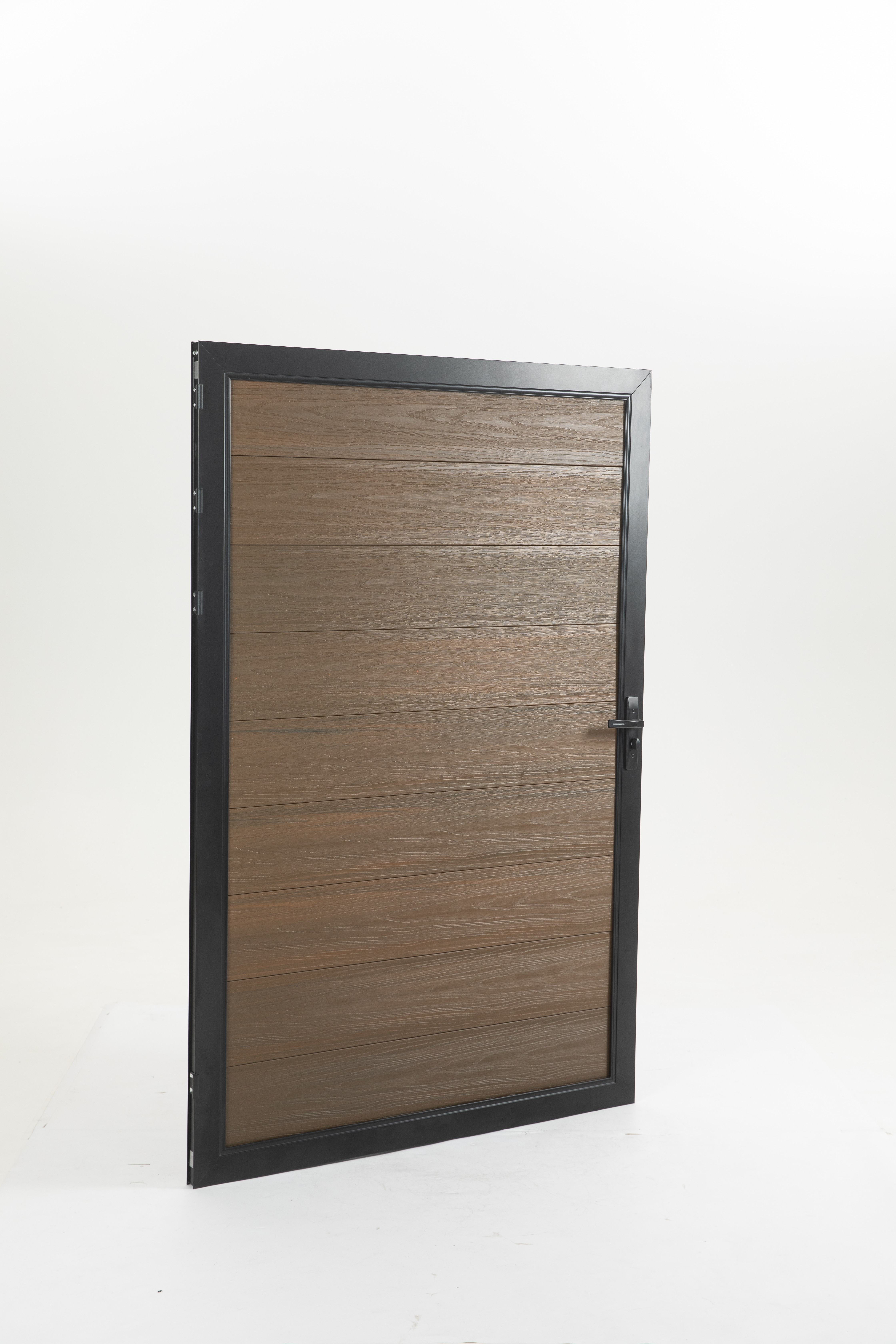
FAQ
Why do builders choose aluminum alloy doors instead of traditional doors?
Builders prefer aluminum alloy doors because they offer strong durability, corrosion resistance, lightweight construction, and flexible design options. They can maintain stable performance in many environments while requiring less maintenance compared with some traditional materials.
Are aluminum alloy doors suitable for commercial construction projects?
Yes. Aluminum alloy doors are widely used in commercial buildings, offices, factories, hotels, and public facilities. Their strength, appearance, and long service life make them suitable for different construction applications.
Can aluminum alloy doors be used together with wpc wall panel systems?
Yes. Aluminum alloy doors and wpc wall panel systems can work together in many modern construction projects. Both materials provide durability, easy maintenance, and design flexibility, helping create functional and attractive spaces.
What factors should buyers consider when purchasing aluminum alloy doors?
Buyers should consider material quality, alloy composition, surface treatment, supplier experience, customization capability, and product performance testing. Choosing a reliable supplier helps ensure consistent quality for long-term projects.