
 EN
EN

What Features Make Exterior WPC Wall Panel Weather-Resistant?
What Features Make Exterior WPC Wall Panel Weather-Resistant?
The Weather Resistance Advantages of Exterior WPC Wall Panel
Exterior building materials need to withstand constant exposure to sunlight, rain, humidity, temperature changes, and other environmental conditions. For builders, contractors, wholesalers, distributors, and engineering companies, choosing a reliable exterior material is essential to ensure long-term project performance and reduce maintenance requirements. Exterior wpc wall panel has become a popular choice for modern construction projects because it combines the appearance of natural wood with improved durability and weather resistance.
Unlike traditional wood materials that may absorb moisture, crack, or require frequent maintenance, exterior wpc wall panel systems are designed with advanced composite technology to provide stable performance in outdoor environments. The combination of wood fibers and polymer materials creates a structure that can better handle moisture exposure, temperature changes, and daily weather impact.
For a professional wpc wall panel factory, product quality depends on material formulation, manufacturing technology, surface treatment, and structural design. These factors determine how well the panels perform under different climate conditions. Whether applied to commercial buildings, residential projects, outdoor spaces, or architectural decoration, weather-resistant wall panels provide builders with a practical and durable solution.
Advanced Material Structure Improves Weather Resistance
The foundation of exterior wpc wall panel performance comes from its composite material structure. The combination of wood-based materials and polymer components creates a balanced solution that offers both visual appeal and functional advantages.
Wood Polymer Composite Technology
Exterior wpc wall panel products are manufactured by combining wood fibers with high-quality polymers through advanced processing methods. This structure reduces many weaknesses commonly found in traditional wood materials.
The polymer component helps limit water absorption and improves dimensional stability. At the same time, wood fibers provide a natural texture and appearance that fits modern architectural designs.
This balanced composition allows panels to maintain their shape and surface quality even when exposed to outdoor environments for extended periods. Builders can use these panels for exterior walls without worrying about common issues associated with untreated natural wood.
For projects requiring consistent appearance and reliable performance, working with an experienced wpc wall panel factory ensures better material control and product quality.
Stable Performance Under Climate Changes
Outdoor walls experience constant temperature fluctuations throughout the year. Materials expand and contract when exposed to heat, cold, and moisture, which can lead to deformation if the material structure is unstable.
Exterior wpc wall panel systems are designed to reduce these movement issues. Their composite structure provides better dimensional stability compared with many traditional exterior materials.
This makes them suitable for different regions and climate conditions. From humid areas to locations with strong sunlight exposure, quality panels maintain their performance while reducing the risk of cracking or warping.
Moisture Resistance Protects Exterior Walls
Water exposure is one of the biggest challenges for outdoor building materials. Rain, humidity, and condensation can gradually damage materials that are not properly protected.
Low Water Absorption Design
A major advantage of exterior wpc wall panel is its reduced water absorption capability. The polymer content creates a protective structure that prevents excessive moisture from penetrating the panel.
Traditional wood can absorb water, causing swelling, decay, and surface damage over time. WPC materials are designed to overcome these problems by limiting moisture-related expansion.
For contractors, this means fewer repair requirements after installation. For property owners, it means a cleaner and more stable exterior appearance over a longer period.
A reliable wpc wall panel factory focuses on controlling density, material ratio, and production technology to improve moisture resistance.
Resistance Against Mold and Rot
High humidity environments can create conditions where mold and rot develop on traditional materials. Exterior wpc wall panel provides better resistance because it does not provide the same organic environment that supports rapid biological damage.
This makes the panels suitable for areas exposed to frequent rainfall or high humidity. Buildings located near water sources or in tropical climates can benefit from this additional protection.
By reducing the risk of mold growth and material deterioration, WPC exterior panels help maintain healthier and more durable building surfaces.
UV Resistance Supports Long-Term Appearance
Sunlight exposure is another major factor affecting exterior materials. Continuous ultraviolet radiation can cause fading, surface aging, and material degradation.
UV Protection Technology
High-quality exterior wpc wall panel products often include UV-resistant additives or surface treatments to improve outdoor durability. These technologies help reduce color fading caused by long-term sunlight exposure.
The protective surface layer allows the panels to maintain their decorative appearance while resisting environmental aging.
For commercial buildings, hotels, and residential developments, maintaining an attractive exterior appearance is important for overall project value. UV-resistant WPC panels provide both aesthetic benefits and functional performance.
Surface Finishing Improves Durability
Modern exterior wpc wall panel products may use advanced surface treatments to enhance texture, color stability, and resistance against external damage.
These finishes can create realistic wood-like patterns while improving protection against scratches, dust, and weather exposure.
A professional wpc wall panel factory can provide different surface options according to project requirements, helping architects and builders achieve the desired exterior style.
Temperature Resistance and Structural Stability
Exterior materials must perform under both hot and cold conditions. Poor-quality materials may become brittle, expand excessively, or lose structural integrity.
Resistance to Heat and Cold Conditions
Exterior wpc wall panel materials are designed to handle temperature changes more effectively than many traditional wood products.
The composite structure reduces the impact of thermal expansion and contraction. This helps maintain panel alignment and prevents visible gaps or deformation.
For construction projects in regions with seasonal temperature changes, selecting stable exterior materials helps improve building durability and reduces maintenance concerns.
Reduced Cracking and Deformation Risks
Traditional wood materials may develop cracks due to drying, moisture changes, and repeated weather exposure.
Exterior wpc wall panel systems minimize these problems through their engineered composition. The combination of polymer and wood fibers creates a stronger structure that maintains its shape.
This reliability is especially valuable for large-scale construction projects where material replacement can increase labor and operational costs.
Easy Maintenance Creates Long-Term Value
For builders and developers, material maintenance requirements directly affect project costs. Exterior materials that require frequent treatment can increase long-term expenses.
Simple Cleaning Requirements
Exterior wpc wall panel products are generally easy to maintain. Most surfaces can be cleaned with basic methods without requiring regular painting or special protective coatings.
This reduces the workload for property management teams and helps maintain the original appearance of buildings.
Compared with natural wood siding that may require periodic sealing or repainting, WPC wall panels offer a more convenient solution for modern construction.
Lower Lifecycle Costs
Choosing durable exterior materials helps reduce total ownership costs. Although material selection is an initial investment, long-lasting performance provides greater value over time.
A quality wpc wall panel factory understands that buyers need products that provide stable performance throughout the building lifecycle.
For commercial and engineering projects, reduced maintenance requirements can improve operational efficiency and budget management.
Design Flexibility for Modern Construction Projects
Besides weather resistance, exterior wpc wall panel products provide design flexibility that meets different architectural needs.
Various Styles and Applications
WPC wall panels are available in different colors, textures, and profiles. Builders can select suitable styles for exterior facades, decorative walls, balconies, and outdoor spaces.
The natural appearance of wood combined with modern composite performance makes these panels suitable for both traditional and contemporary designs.
This flexibility allows contractors to meet customer preferences without sacrificing durability.
Compatibility With Other Building Materials
Exterior wpc wall panel systems can be combined with aluminum alloy doors, flooring materials, insulation systems, and other architectural products.
This compatibility allows builders to create complete building solutions with coordinated performance and appearance.
Professional suppliers can provide customized options based on project specifications, installation conditions, and design requirements.
Choosing a Reliable WPC Wall Panel Factory
The quality of exterior materials depends greatly on the manufacturing process. Selecting the right supplier is important for ensuring consistent performance.
Manufacturing Technology and Quality Control
A professional wpc wall panel factory uses advanced equipment and strict quality control systems to maintain product consistency.
Material mixing, extrusion processes, surface treatment, and inspection procedures all influence final product performance.
For B2B buyers, stable production capability ensures reliable supply for large construction projects.
Customized Solutions for Different Projects
Different buildings have different requirements. A capable wpc wall panel factory can provide customized solutions including colors, sizes, textures, and structural designs.
This flexibility helps contractors complete projects efficiently while meeting architectural expectations.
Working with experienced manufacturers also provides better technical support and helps reduce installation challenges.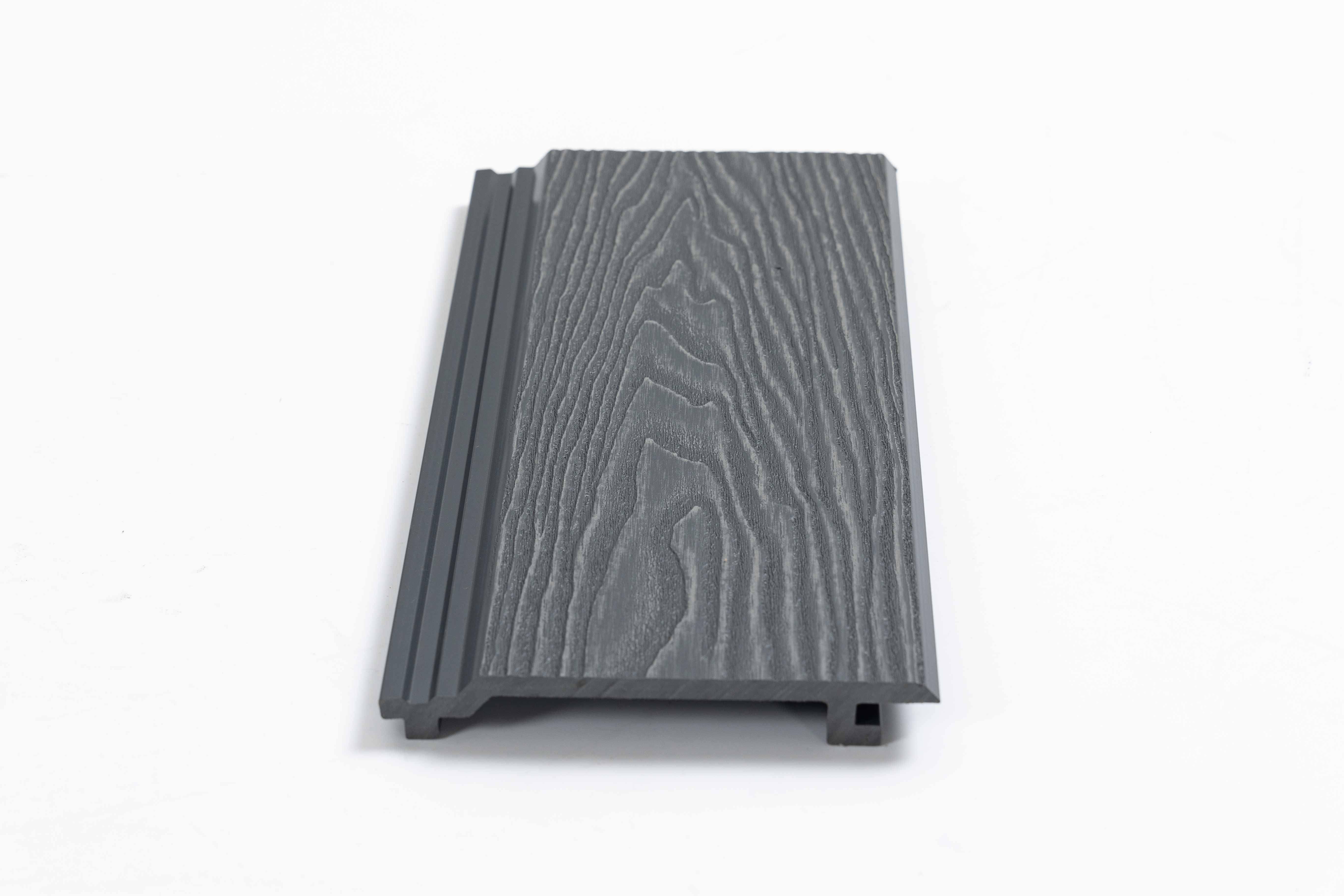
FAQ
Why is exterior wpc wall panel suitable for outdoor applications?
Exterior wpc wall panel is suitable for outdoor applications because it offers moisture resistance, UV protection, temperature stability, and strong resistance against environmental exposure. Its composite structure helps maintain performance in different weather conditions.
Does wpc wall panel require frequent maintenance?
No. Compared with many traditional exterior materials, wpc wall panel requires less maintenance. Regular cleaning is usually enough to keep the surface attractive and functional, reducing long-term maintenance costs.
How does a wpc wall panel factory ensure product quality?
A professional wpc wall panel factory ensures quality through controlled material selection, advanced production technology, surface treatment processes, and product testing. These steps help provide consistent weather-resistant performance.
Can exterior wpc wall panel be customized for construction projects?
Yes. Exterior wpc wall panel can often be customized in terms of color, texture, size, and surface design. This allows builders, distributors, and contractors to meet different project requirements.