
 EN
EN

What Features Make Aluminum Alloy Floor Resistant to Corrosion?
What Features Make Aluminum Alloy Floor Resistant to Corrosion?
Understanding the Corrosion Resistance of Aluminum Alloy Flooring
Aluminum alloy flooring has become a preferred choice for commercial, industrial, and architectural projects due to its exceptional durability and long service life. Whether installed in factories, warehouses, transportation hubs, commercial buildings, or outdoor structures, aluminum alloy floors offer excellent performance in environments exposed to moisture, chemicals, and changing weather conditions. For B2B buyers, wholesalers, distributors, and contractors, understanding why aluminum alloy flooring resists corrosion is essential for making informed purchasing decisions.
Although this article focuses on aluminum alloy flooring, many building projects also combine it with products such as wpc wall panel systems to create durable, low-maintenance interior and exterior spaces. These complementary materials are increasingly selected for projects requiring high performance, attractive finishes, and reduced maintenance costs.
Unlike ordinary steel flooring, aluminum alloy naturally develops a protective oxide layer that shields the material from environmental damage. Combined with advanced manufacturing processes and surface treatments, this unique characteristic significantly improves corrosion resistance while maintaining structural strength. This makes aluminum alloy flooring suitable for demanding applications where reliability and longevity are top priorities.
Natural Protective Properties of Aluminum Alloy
Aluminum alloy offers corrosion resistance because of its unique chemical characteristics rather than relying solely on external coatings. This natural protection forms the foundation of its long-term performance.
Formation of the Protective Oxide Layer
One of the most remarkable features of aluminum alloy is its ability to form a thin oxide layer immediately after exposure to oxygen. This invisible film acts as a protective barrier that prevents moisture, oxygen, and many corrosive substances from reaching the underlying metal.
Unlike rust on steel, which continues spreading over time, the aluminum oxide layer is stable and self-repairing. If the surface experiences minor scratches, a new oxide layer forms almost instantly, restoring protection without additional treatment. This self-healing capability greatly extends the service life of aluminum alloy flooring.
Projects incorporating aluminum alloy floors together with wpc wall panel installations benefit from two building materials that both require minimal maintenance while offering long-lasting appearance and structural reliability.
Superior Resistance to Environmental Exposure
Aluminum alloy performs exceptionally well in environments where humidity, rain, or temperature fluctuations are common. Coastal regions, industrial facilities, and outdoor platforms often expose building materials to aggressive conditions that accelerate corrosion.
Because aluminum alloy naturally resists oxidation, it remains stable even after years of exposure. This characteristic reduces maintenance requirements and minimizes replacement costs over the building's lifecycle.
Many commercial developers pair aluminum alloy flooring with wpc wall panel systems because both materials maintain their appearance despite continuous exposure to changing environmental conditions.
Alloy Composition Enhances Corrosion Performance
The corrosion resistance of aluminum flooring depends not only on aluminum itself but also on carefully selected alloying elements that improve overall performance.
Role of Magnesium and Silicon
Many aluminum alloys contain magnesium and silicon, which enhance corrosion resistance while increasing mechanical strength. These elements improve hardness without sacrificing the lightweight nature of aluminum.
For industrial flooring applications, these alloy combinations provide excellent load-bearing capacity while maintaining resistance to moisture and chemical exposure. Contractors appreciate the balance between strength and corrosion protection, especially in high-traffic environments.
Buildings designed with aluminum alloy flooring and wpc wall panel products often achieve both structural performance and aesthetic consistency, making them attractive solutions for commercial developments.
Optimized Manufacturing Standards
High-quality manufacturers carefully control alloy composition throughout production. Consistent chemical composition ensures uniform corrosion resistance across every flooring panel.
Advanced extrusion, rolling, and heat treatment technologies further improve material stability. Strict quality inspection helps eliminate internal defects that could become starting points for corrosion under demanding conditions.
Reliable suppliers understand that B2B customers require consistent product quality for large-scale projects where long-term performance directly affects maintenance budgets.
Advanced Surface Treatment Technologies
While aluminum naturally resists corrosion, additional surface treatments provide even greater protection for demanding applications.
Anodizing Improves Surface Durability
Anodizing is one of the most effective treatments for aluminum alloy flooring. During this electrochemical process, the natural oxide layer becomes significantly thicker and harder.
The resulting surface offers improved resistance to corrosion, scratches, wear, and ultraviolet exposure. Anodized aluminum maintains its appearance for many years while requiring very little maintenance.
For commercial buildings that also utilize wpc wall panel products, anodized aluminum flooring contributes to an attractive, modern design with consistent long-term performance.
Powder Coating Adds Extra Protection
Powder coating creates another protective layer over the aluminum surface. Unlike traditional liquid paints, powder coatings provide uniform coverage with excellent adhesion and durability.
This additional barrier protects against moisture, salt spray, industrial chemicals, and physical wear. Powder-coated aluminum flooring is commonly used in transportation facilities, factories, shopping centers, and public buildings.
When combined with decorative wpc wall panel installations, powder-coated aluminum flooring supports modern architectural designs while maintaining excellent resistance to environmental damage.
Structural Design Supports Long-Term Durability
Corrosion resistance is influenced not only by material selection but also by intelligent engineering design.
Efficient Water Drainage Design
Standing water accelerates corrosion on many building materials. Modern aluminum alloy flooring often incorporates drainage channels, textured surfaces, or perforated designs that allow water to flow away efficiently.
Reducing water accumulation minimizes prolonged exposure to moisture and improves overall service life. Proper drainage is especially important for outdoor walkways, balconies, bridges, and industrial platforms.
Projects integrating aluminum flooring with wpc wall panel systems benefit from coordinated design strategies that emphasize durability and moisture management throughout the building.
Lightweight Construction Reduces Structural Stress
Aluminum alloy weighs significantly less than steel while providing impressive structural strength. Lower weight reduces stress on supporting structures, simplifying transportation and installation.
The reduced dead load also makes aluminum flooring attractive for renovation projects where existing structures have weight limitations. Easier handling shortens installation time and lowers labor costs for contractors and distributors.
Excellent Chemical Resistance
Industrial facilities often expose flooring materials to oils, cleaning agents, acids, and alkaline substances. Aluminum alloy demonstrates strong resistance to many common industrial chemicals.
Stable Performance in Industrial Environments
Manufacturing plants, food processing facilities, and logistics centers require flooring materials capable of maintaining performance despite frequent cleaning and chemical exposure.
Properly treated aluminum alloy flooring resists degradation caused by many industrial substances, helping facilities maintain safe and attractive working environments.
The combination of aluminum flooring and wpc wall panel systems provides an effective solution for commercial interiors where hygiene, durability, and appearance all play important roles.
Reduced Maintenance Requirements
Materials that resist corrosion naturally require less maintenance over time. Aluminum alloy flooring usually needs only routine cleaning to maintain its appearance and protective properties.
Lower maintenance requirements translate into reduced operating costs throughout the building's lifecycle. This long-term value is particularly important for large commercial developments and industrial facilities.
Advantages for B2B Construction Projects
For wholesalers, distributors, contractors, and engineering firms, corrosion resistance directly affects project success.
Longer Service Life Creates Greater Value
Buildings designed for decades of operation require materials that remain reliable throughout their intended lifespan. Aluminum alloy flooring offers exceptional longevity, reducing repair frequency and replacement costs.
Investing in corrosion-resistant materials helps property owners lower lifecycle expenses while maintaining high safety standards.
Many construction companies also specify wpc wall panel products because they complement aluminum flooring by providing similar durability and low maintenance characteristics.
Consistent Product Quality Simplifies Large Projects
Large commercial developments often require thousands of square meters of flooring. Consistent corrosion resistance across every panel ensures uniform performance throughout the entire installation.
Reliable manufacturers implement strict production control systems to guarantee consistent alloy composition, precise dimensions, and stable surface treatment quality. This consistency simplifies installation while reducing project risks.
Choosing a Reliable Aluminum Flooring Supplier
Selecting the right supplier is just as important as selecting the right material.
Manufacturing Experience Matters
Experienced manufacturers understand how alloy selection, extrusion technology, surface treatment, and quality inspection influence corrosion resistance.
Companies with mature production systems typically offer better consistency, stronger technical support, and customized solutions for different industries.
When evaluating suppliers, B2B buyers should also consider whether complementary products such as wpc wall panel systems are available, allowing multiple building materials to be sourced from one trusted partner.
Quality Certifications Build Confidence
International certifications demonstrate that manufacturing processes follow recognized quality standards.
Buyers should verify product testing, corrosion resistance reports, production capabilities, and project references before making purchasing decisions. Reliable documentation reduces procurement risks and supports successful project execution.
Working with experienced suppliers such as Treslam can help distributors and contractors access comprehensive building material solutions designed for long-term performance across commercial and industrial applications.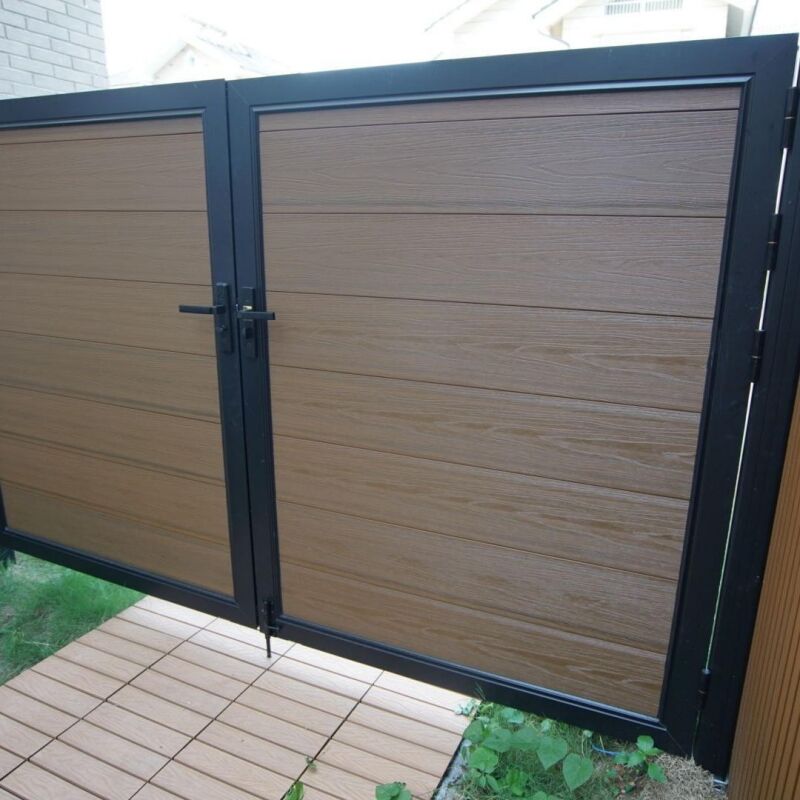
FAQ
Is aluminum alloy flooring better than steel flooring for corrosion resistance?
In many environments, yes. Aluminum naturally forms a protective oxide layer that prevents corrosion from spreading, while steel requires protective coatings to prevent rust. This makes aluminum alloy flooring particularly suitable for humid, coastal, and industrial environments.
Does surface treatment improve corrosion resistance?
Absolutely. Processes such as anodizing and powder coating significantly enhance the natural corrosion resistance of aluminum alloy. These treatments provide additional protection against moisture, chemicals, abrasion, and ultraviolet exposure, extending the flooring's service life.
Can aluminum alloy flooring be used with wpc wall panel systems?
Yes. Many commercial and industrial projects combine aluminum alloy flooring with wpc wall panel installations because both materials offer durability, low maintenance requirements, attractive appearance, and excellent long-term performance. Together, they create reliable building solutions for various indoor and outdoor applications.
What should B2B buyers consider when selecting aluminum alloy flooring?
Buyers should evaluate alloy composition, manufacturing quality, surface treatment technology, load-bearing capacity, corrosion resistance testing, certifications, and supplier experience. Choosing a reliable manufacturer helps ensure consistent product quality and long-term value for construction projects.