
 EN
EN
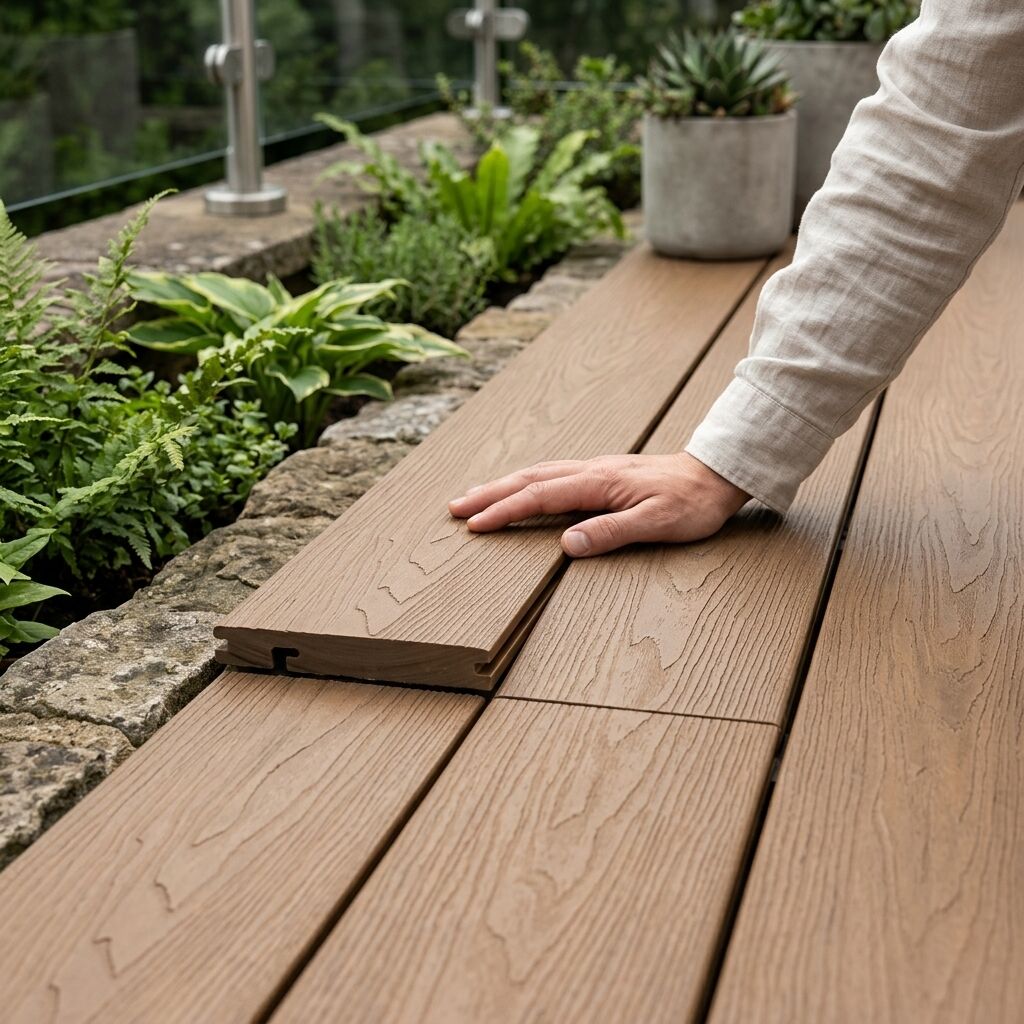
Selecting the right flooring material for commercial outdoor environments such as hotels, parks, and resorts requires careful evaluation of durability, maintenance requirements, aesthetic flexibility, and long-term cost efficiency. Plastic wood flooring, particularly advanced co-extruded decking solutions, has emerged as a preferred choice for property managers and architects seeking sustainable, weather-resistant surfaces that maintain visual appeal under heavy foot traffic. Understanding the specific selection criteria for these distinct environments ensures that your investment delivers optimal performance, guest satisfaction, and operational efficiency over the product's lifecycle.
The decision process involves analyzing environmental exposure conditions, expected usage intensity, safety standards, design compatibility with existing architecture, and maintenance capacity. Hotels demand elegant finishes that complement luxury branding while withstanding poolside moisture and constant guest activity. Parks require robust surfaces that endure seasonal weather extremes and accommodate diverse recreational activities without compromising safety. Resorts need versatile flooring that transitions seamlessly between beachfront walkways, dining terraces, and tropical landscaping. This comprehensive guide walks through the essential factors, material specifications, and practical considerations that will help you confidently select plastic wood flooring tailored to each unique commercial application.
Understanding Co-Extruded Decking Technology and Its Advantages
What Makes Co-Extruded Decking Different from Standard Composite Materials
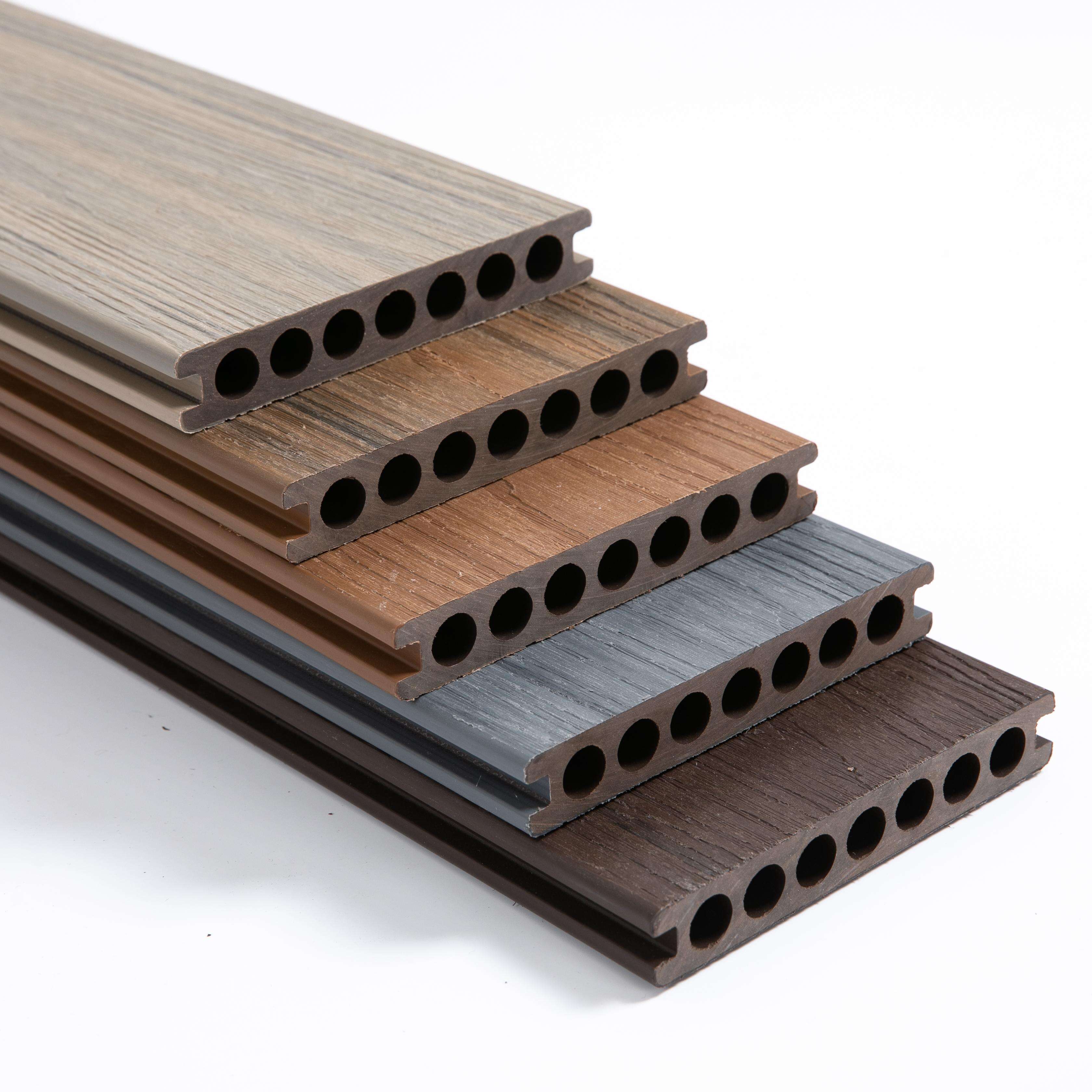
Co-extruded decking represents an advanced manufacturing process where a protective polymer shell is bonded to the composite core during production, creating a two-layer structure with enhanced performance characteristics. Unlike traditional composite decking that uses a homogeneous mixture throughout, this technology encases the wood-plastic composite core with a durable cap layer engineered specifically for weather resistance and stain protection. The outer shell typically contains higher concentrations of UV stabilizers, color pigments, and moisture barriers that shield the structural core from environmental degradation.
This dual-layer construction delivers significant advantages for commercial installations where appearance retention and minimal maintenance are critical business considerations. The protective cap prevents moisture absorption that causes swelling, warping, and mold growth in lesser quality materials. It also resists fading from prolonged sun exposure, maintaining consistent color across years of outdoor use. For hotel pool decks, park boardwalks, and resort pathways, this translates to lower replacement frequency and reduced labor costs associated with refinishing or repairs.
The manufacturing precision of co-extruded decking allows for greater design flexibility, including realistic wood grain textures, varied color palettes, and consistent dimensional stability. Property managers selecting flooring for guest-facing areas benefit from materials that preserve their initial aesthetic appeal without the frequent maintenance demands of natural wood or inferior composite products. Understanding this technological foundation helps clarify why co-extruded decking commands premium pricing while delivering superior total cost of ownership.
Performance Benefits Relevant to High-Traffic Commercial Environments
Commercial outdoor spaces in hospitality and recreation sectors experience usage patterns far more demanding than residential applications, making material performance characteristics especially critical. Co-extruded decking excels in scratch resistance, an essential property for areas with frequent furniture movement, luggage transport, and equipment traffic common in hotels and resorts. The hardened cap layer withstands abrasion from constant footfall without showing visible wear patterns that detract from premium property aesthetics.
Stain resistance becomes particularly valuable around resort dining areas, hotel lounges, and park picnic facilities where food, beverages, and oils regularly contact flooring surfaces. The non-porous protective shell prevents liquid penetration and allows for easy cleanup without specialized treatments or aggressive scrubbing that damages surface integrity. This characteristic significantly reduces maintenance labor and ensures that high-visibility areas maintain professional appearance standards between scheduled deep cleaning cycles.
Slip resistance represents a paramount safety consideration for commercial installations, especially near water features, pool areas, and regions experiencing frequent precipitation. Quality co-extruded decking incorporates textured surface profiles engineered to provide adequate traction when wet without creating uncomfortable walking surfaces or cleaning challenges. Selecting products with certified slip resistance ratings appropriate to your specific environment helps mitigate liability concerns while ensuring guest safety and comfort across diverse weather conditions.
Site-Specific Selection Criteria for Hotel Applications
Evaluating Aesthetic Requirements and Brand Alignment
Hotel environments demand flooring solutions that reinforce brand identity while meeting rigorous functional requirements, creating a selection process where appearance factors weigh heavily alongside performance specifications. Luxury properties typically favor co-extruded decking profiles that closely mimic premium hardwood species, with realistic grain patterns, subtle color variation, and sophisticated finish options that complement architectural themes. The ability to coordinate flooring color with existing palette schemes, furniture selections, and landscaping elements ensures visual cohesion across guest areas.
Consider how lighting conditions throughout the day affect perceived color and texture, particularly in transitional spaces connecting indoor and outdoor areas. Sample boards evaluated only in showroom conditions may appear significantly different under natural sunlight or evening illumination common in hotel settings. Request large samples for on-site evaluation in actual installation locations, observing appearance during various times and weather conditions. This diligence prevents costly mismatches that compromise design intent.
Uniformity of appearance across production batches matters considerably for phased installations or future expansion projects common in hotel developments. Establish clear specifications regarding color consistency tolerances and maintain detailed records of product lines, color codes, and batch information. Some co-extruded decking manufacturers offer better batch-to-batch consistency than others, making this a worthy investigation point during vendor selection for properties anticipating multi-phase construction or periodic renovations.
Addressing Moisture Exposure and Pool Deck Requirements
Pool deck environments present unique challenges that make material selection particularly critical, combining constant moisture exposure with chemical contact from chlorinated or salt water, intense UV radiation, and high guest traffic. Co-extruded decking designed for these conditions incorporates enhanced moisture barriers and chemical-resistant formulations in the protective cap layer. Verify that candidate products specifically list pool deck suitability in their technical specifications rather than assuming general outdoor ratings suffice.
Temperature performance becomes crucial around pool areas where dark-colored surfaces absorb significant solar heat, potentially creating uncomfortable walking surfaces during peak afternoon hours in warm climates. Lighter color selections or products engineered with heat-reflective technology reduce surface temperatures, improving guest comfort and reducing liability concerns. Request heat retention data from manufacturers and consider climate-specific recommendations when selecting colors and profiles.
Drainage characteristics require careful attention in pool deck installations to prevent water accumulation that creates slip hazards and accelerates material degradation. The substructure design and decking board spacing must facilitate rapid water evacuation while the co-extruded decking surface itself should incorporate drainage-friendly profiles. Coordinate closely with installation contractors to ensure proper slope, spacing, and ventilation beneath the deck surface, as even premium materials fail prematurely when installed over poorly designed substructures.
Selection Considerations for Park and Public Recreation Installations
Prioritizing Durability and Vandalism Resistance
Public park environments subject flooring materials to usage extremes rarely encountered in controlled hotel settings, including potential vandalism, harsh weather exposure without climate control benefits, and diverse user behaviors that accelerate wear. Co-extruded decking selected for parks must emphasize structural robustness and damage resistance over decorative refinement. Products with thicker cap layers and reinforced core compositions better withstand impacts, scratches, and deliberate abuse attempts that occur in unsupervised public spaces.
Color selection for park installations should account for the visibility of dirt, stains, and weathering patterns, with medium-tone options typically providing better appearance retention than very light or very dark alternatives. Extremely light colors show dirt accumulation quickly in high-traffic areas, while very dark tones may fade noticeably under intense sun exposure. Neutral browns and grays with subtle variegation patterns help mask minor imperfections and maintain acceptable appearance between maintenance cycles.
Fastening systems and installation methods warrant extra scrutiny for park applications where tampering or component theft may occur. Hidden fastening systems that secure boards from beneath offer security advantages over top-mounted screws that remain accessible. Some co-extruded decking products include proprietary clip systems that lock boards in place while remaining invisible from the walking surface, combining aesthetic benefits with enhanced vandalism resistance appropriate for public installations.
Accommodating Seasonal Weather Extremes and Temperature Fluctuations
Parks in regions experiencing significant seasonal temperature variation require co-extruded decking formulations engineered for dimensional stability across wide thermal ranges. Composite materials expand and contract with temperature changes, and products not properly formulated for extreme climates may develop gaps during cold periods or buckling during heat waves. Verify that candidate materials include documented thermal expansion coefficients and follow manufacturer spacing recommendations for your specific climate zone.
Freeze-thaw cycling in colder climates tests material integrity as trapped moisture expands during freezing, potentially causing surface cracking or delamination in inferior products. Quality co-extruded decking resists moisture penetration that enables freeze damage, but installation practices remain equally important. Ensure proper drainage, adequate ventilation beneath deck surfaces, and appropriate fastening techniques that accommodate thermal movement without creating stress points where damage initiates.
Snow and ice management practices common in northern parks require flooring materials that tolerate mechanical snow removal and chemical de-icing treatments without surface damage. Confirm that selected co-extruded decking products explicitly approve these maintenance practices and understand any restrictions regarding acceptable de-icing compounds. Some formulations resist calcium chloride better than others, and knowing these limitations prevents unintentional material degradation through routine winter maintenance activities.
Optimizing Material Selection for Resort Environments
Balancing Aesthetic Sophistication with Practical Performance
Resort settings demand flooring solutions that deliver hotel-level aesthetic refinement while accommodating park-level environmental exposure, creating selection parameters that bridge controlled hospitality environments and rugged outdoor conditions. Beachfront resorts face salt air corrosion, sand abrasion, and intense UV exposure that accelerate material degradation. Mountain retreats contend with temperature extremes, moisture from snow and rain, and potential damage from outdoor recreational equipment. Co-extruded decking for resorts must meet stringent appearance standards while incorporating robust environmental protection.
The transition zones between different resort areas require special attention during material selection, as flooring must maintain visual consistency while adapting to varying exposure conditions. Pool terraces, dining patios, pathway systems, and beach access routes may all utilize the same co-extruded decking product line but require different installation approaches, fastening methods, or substructure designs. Planning these transitions during the selection phase ensures material purchases support cohesive design intent while meeting location-specific performance requirements.
Guest expectation management becomes a subtle but important selection consideration for resort applications where visitors anticipate premium experiences. While co-extruded decking offers numerous advantages over natural wood, some guests may perceive composite materials as inferior unless product quality and installation workmanship clearly demonstrate otherwise. Selecting products with highly realistic textures, sophisticated color palettes, and premium finish options helps position the material choice as an intentional design decision rather than a cost-cutting measure.
Integrating Sustainability Goals with Material Performance
Many resort properties emphasize environmental stewardship as part of their brand identity, making the sustainability profile of building materials a significant selection criterion. Co-extruded decking manufactured from recycled plastics and reclaimed wood fiber offers compelling environmental benefits compared to virgin timber harvesting, but sustainability credentials vary considerably across manufacturers. Request detailed information regarding recycled content percentages, manufacturing energy consumption, and end-of-life recyclability when sustainability messaging matters to your property positioning.
Longevity itself represents a crucial sustainability factor, as materials requiring frequent replacement generate ongoing environmental impacts from manufacturing, transportation, and disposal. Premium co-extruded decking products with superior fade resistance, stain protection, and structural durability deliver better lifecycle sustainability than cheaper alternatives requiring replacement every decade. Calculate total environmental impact over expected building lifespan rather than focusing exclusively on initial recycled content claims.
Certifications from recognized environmental standards organizations provide third-party validation of sustainability claims, helping resort operators make informed decisions and communicate material choices to environmentally conscious guests. Look for products certified by programs evaluating comprehensive lifecycle impacts rather than single-attribute certifications that may overstate overall environmental performance. Understanding the substance behind sustainability marketing allows you to select co-extruded decking that genuinely aligns with resort environmental commitments.
Installation Planning and Long-Term Maintenance Considerations
Evaluating Installation Complexity and Contractor Requirements
The successful performance of co-extruded decking depends as much on proper installation as on material quality, making contractor selection and installation planning critical elements of the flooring decision process. Commercial installations in hotels, parks, and resorts typically involve larger square footage, complex layouts, and tighter completion schedules than residential projects. Verify that installation contractors possess specific experience with commercial co-extruded decking projects rather than assuming residential deck builders can seamlessly scale to commercial requirements.
Manufacturer installation guidelines for co-extruded decking often include specific requirements regarding substructure materials, joist spacing, fastener types, and board end gaps that differ from conventional wood decking practices. Non-compliance with these specifications may void product warranties while creating performance problems that appear months or years after completion. Ensure contracts clearly specify adherence to manufacturer installation standards and include mechanisms for verification before final acceptance.
Phasing and scheduling considerations affect material selection when projects must maintain operational areas during construction or when installations occur across multiple seasons. Some co-extruded decking products allow for better visual consistency across installation phases than others, and understanding these characteristics during selection prevents noticeable appearance variations between project stages. Discuss installation timeline expectations with both manufacturers and contractors before finalizing material choices.
Planning Maintenance Programs and Understanding Lifecycle Costs
While co-extruded decking requires significantly less maintenance than natural wood alternatives, commercial installations benefit from structured maintenance programs that preserve appearance and extend material lifespan. Establish clear cleaning protocols appropriate to the specific product selected, as maintenance requirements vary between manufacturers and product lines. Some co-extruded decking formulations tolerate pressure washing and aggressive cleaning agents, while others require gentler approaches to avoid surface damage.
Periodic inspection protocols help identify minor issues before they escalate into costly repairs, particularly in high-traffic commercial environments where small problems quickly worsen. Train maintenance staff to recognize signs of fastener backing out, board movement, drainage problems, or surface damage requiring attention. Early intervention prevents localized problems from spreading and maintains consistent appearance across entire installations.
Lifecycle cost analysis provides the most accurate basis for comparing co-extruded decking options with different initial price points. Premium products commanding higher upfront costs often deliver lower total ownership expenses through extended lifespan, reduced maintenance requirements, and better appearance retention that delays replacement needs. Calculate projected costs over realistic timelines of fifteen to twenty-five years, including initial installation, routine maintenance, periodic repairs, and eventual replacement to identify the most economically sound selection for your specific application.
FAQ
What is the typical lifespan of co-extruded decking in commercial applications?
Quality co-extruded decking installed and maintained properly in commercial environments typically delivers twenty to twenty-five years of serviceable life, though actual longevity varies based on climate conditions, usage intensity, and maintenance practices. Premium products with robust cap layers and UV-stable formulations often exceed these timelines, while economy options may show significant degradation within fifteen years. Manufacturer warranties provide useful guidance regarding expected performance, with longer warranty periods generally indicating more durable formulations. Commercial installations experience faster wear than residential applications due to higher traffic volumes, making material quality selection particularly important for hotels, parks, and resorts anticipating decades of continuous use.
How does co-extruded decking perform in extreme heat or cold climates?
Modern co-extruded decking formulations perform reliably across wide temperature ranges when properly selected for climate conditions, though extreme environments require careful product specification. In hot climates, surface temperature becomes a key concern, with darker colors absorbing more heat and potentially becoming uncomfortably warm during peak afternoon hours. Light-colored options or products incorporating heat-reflective technology reduce surface temperatures significantly. In cold climates, quality co-extruded decking resists freeze-thaw damage through moisture-resistant cap layers that prevent water penetration and subsequent expansion cracking. Thermal expansion and contraction occur with all composite materials, making proper installation with appropriate gap spacing essential for accommodating dimensional changes without buckling or excessive gapping across seasonal temperature swings.
Can co-extruded decking be installed directly on concrete or existing surfaces?
Co-extruded decking can be installed over concrete or existing surfaces when proper substructure systems create adequate ventilation and drainage beneath the deck boards. Direct contact between composite decking and concrete or other solid surfaces typically creates moisture retention problems that accelerate material degradation and void manufacturer warranties. Sleeper systems using treated lumber, adjustable pedestals, or specialized mounting brackets elevate decking boards above solid surfaces while providing secure fastening and airflow. These installation methods work well for hotel rooftop terraces, pool deck renovations, or park plaza areas where existing concrete slabs provide stable foundations. Professional installation following manufacturer specifications ensures long-term performance when working over non-traditional substrates common in commercial renovation projects.
What maintenance is required to keep co-extruded decking looking new in commercial settings?
Commercial co-extruded decking maintenance programs should include routine cleaning to remove dirt, debris, and organic material that accumulates in high-traffic environments. Basic cleaning with soap and water or approved composite deck cleaners typically suffices for regular maintenance, with frequency depending on usage intensity and environmental conditions. Hotel pool decks may require weekly cleaning during peak seasons, while park pathways might need only monthly attention. Pressure washing remains acceptable for most co-extruded decking products when using appropriate pressure settings and techniques, though always verify manufacturer recommendations for your specific product. Address spills promptly to prevent staining, particularly from substances like grease, oil, or tannins from fallen leaves. Periodic inspections checking fastener integrity, board stability, and drainage function help identify issues requiring correction before minor problems escalate into costly repairs or safety hazards.
Table of Contents
- Understanding Co-Extruded Decking Technology and Its Advantages
- Site-Specific Selection Criteria for Hotel Applications
- Selection Considerations for Park and Public Recreation Installations
- Optimizing Material Selection for Resort Environments
- Installation Planning and Long-Term Maintenance Considerations
-
FAQ
- What is the typical lifespan of co-extruded decking in commercial applications?
- How does co-extruded decking perform in extreme heat or cold climates?
- Can co-extruded decking be installed directly on concrete or existing surfaces?
- What maintenance is required to keep co-extruded decking looking new in commercial settings?