
 EN
EN
Modern architecture demands materials that balance aesthetic appeal with long-term performance, and composite wall panels have emerged as a transformative solution for building exteriors. As construction professionals and developers evaluate cladding options, understanding the specific advantages of composite materials becomes essential for informed decision-making. The shift toward engineered wall systems reflects broader industry trends prioritizing durability, sustainability, and maintenance efficiency, making composite panels increasingly relevant across residential, commercial, and institutional projects.
The question of why composite wall panels deserve consideration extends beyond initial cost comparisons to encompass total lifecycle value, environmental impact, and architectural versatility. Building owners face increasing pressure to reduce operational expenses while meeting stringent performance standards, and the material choices made during design phases directly influence these outcomes for decades. Composite technology addresses multiple pain points simultaneously, offering moisture resistance, dimensional stability, and design flexibility that traditional materials struggle to match. This convergence of benefits explains why leading architects and contractors increasingly specify composite solutions, particularly when sourcing from a reputable wpc wall panel factory that maintains rigorous quality standards.
Superior Weather Resistance and Structural Longevity
Moisture Management in Harsh Climates
Composite wall panels deliver exceptional performance in moisture-laden environments where conventional materials deteriorate rapidly. The engineered composition combines natural fiber reinforcement with polymer matrices that inherently resist water absorption, preventing the swelling, warping, and rot common in solid wood cladding. This moisture resistance proves particularly valuable in coastal regions, high-humidity zones, and areas with significant precipitation, where traditional facades require frequent repairs or replacement. A quality wpc wall panel factory implements advanced extrusion processes that create uniform cell structures, minimizing potential pathways for water infiltration while maintaining breathability to prevent trapped moisture accumulation.
The dimensional stability of composite panels under varying humidity conditions eliminates common installation challenges associated with seasonal expansion and contraction. Unlike natural wood that swells during wet seasons and shrinks in dry periods, composite materials maintain consistent dimensions throughout annual weather cycles. This stability reduces maintenance callbacks, prevents gap formation between panels, and extends the service life of fastening systems. Builders working with products from an established wpc wall panel factory report fewer warranty claims related to moisture damage, translating to reduced long-term liability and enhanced client satisfaction across diverse climate zones.
UV Degradation Resistance and Color Retention
Solar radiation represents another critical challenge for exterior cladding, causing fading, chalking, and surface degradation in many conventional materials. Modern composite formulations incorporate UV-stabilizing additives and pigment technologies that maintain color integrity for extended periods, reducing the frequency of refinishing or replacement. The polymer component in composite panels creates a protective barrier against ultraviolet exposure, while advanced colorant dispersion techniques ensure consistent hue throughout the material depth rather than surface-only treatments. Projects utilizing products from a specialized wpc wall panel factory benefit from accelerated weathering tests that simulate years of sun exposure, providing reliable performance predictions before installation.
This UV resistance directly impacts the total cost of ownership by extending maintenance intervals and preserving aesthetic value. Commercial building owners particularly appreciate this characteristic, as facade appearance significantly influences property valuation and tenant satisfaction. The color-fast properties of quality composite panels eliminate the need for periodic staining or painting typical of wood siding, reducing labor costs and occupant disruption over the building's lifespan. When specifying exterior cladding, architects increasingly prioritize materials that maintain visual appeal with minimal intervention, making composite solutions sourced from a reputable wpc wall panel factory an economically rational choice for long-term investments.
Resistance to Biological Degradation
Fungal growth, insect infestation, and microbial colonization pose persistent threats to organic building materials, particularly in regions with warm, humid conditions. Composite wall panels resist these biological agents due to their modified cellulose content and polymer encapsulation, which eliminate the nutrient-rich environment that supports organism growth. The manufacturing process employed by a competent wpc wall panel factory incorporates antimicrobial additives and moisture barriers that prevent the conditions necessary for decay, extending functional lifespan well beyond traditional wood products. This resistance proves especially valuable in tropical and subtropical climates where termite damage and mold growth create significant maintenance burdens.
The elimination of chemical treatments required for wood preservation represents both an environmental and practical advantage. Composite panels achieve biological resistance through material engineering rather than toxic coatings, reducing environmental impact during production and eliminating concerns about chemical leaching over time. Building projects subject to green building certifications benefit from this inherent protection, as it supports healthier indoor air quality and reduced chemical exposure for occupants. The manufacturing standards maintained by a certified wpc wall panel factory ensure consistent biological resistance across production batches, providing predictable performance that simplifies specification and reduces field inspection requirements during construction.
Environmental Sustainability and Resource Efficiency
Recycled Material Integration and Circular Economy Principles
The environmental advantages of composite wall panels stem partly from their ability to incorporate post-consumer and post-industrial recycled content without compromising performance. Advanced manufacturing processes at a modern wpc wall panel factory transform reclaimed wood fiber and recycled plastics into high-performance building products, diverting waste from landfills while reducing demand for virgin resources. This material recovery approach aligns with circular economy principles, creating value from waste streams that would otherwise represent environmental liabilities. Projects pursuing LEED certification or other sustainability frameworks earn credits for specifying materials with significant recycled content, making composite panels strategically valuable beyond their functional benefits.
The proportion of recycled content in composite panels varies by manufacturer and product line, with premium offerings from established facilities achieving sixty to eighty percent recycled material composition. A responsible wpc wall panel factory maintains transparent documentation of material sources and recycling rates, supporting verification requirements for green building programs. This transparency enables designers to make evidence-based sustainability claims rather than relying on generalized environmental marketing. The energy balance of composite production, when recycled feedstocks replace virgin materials, shows favorable comparison to traditional cladding extraction and processing, particularly when considering the eliminated need for chemical treatments and frequent replacement cycles.
Forest Resource Conservation and Habitat Protection
Widespread adoption of composite wall panels reduces pressure on forest ecosystems by substituting for solid wood siding and trim applications. While composites contain wood fiber, the per-unit forest impact remains substantially lower due to the incorporation of sawmill residues, agricultural byproducts, and recycled sources rather than direct timber harvesting. A conscientious wpc wall panel factory sources cellulosic materials from certified sustainable forestry operations and industrial waste streams, ensuring production doesn't contribute to deforestation or habitat degradation. This sourcing approach addresses growing regulatory and market demands for responsible material procurement, particularly in regions with protected forest designations or endangered species habitat concerns.
The durability advantage of composite materials amplifies their conservation benefit by extending replacement intervals compared to conventional wood products. A facade system that maintains structural integrity and appearance for thirty years rather than fifteen effectively halves the cumulative resource extraction over a building's lifespan. This longevity factor becomes particularly significant when calculated across large commercial developments or residential communities where material choices scale to substantial environmental impact. Specifiers working with manufacturers that maintain rigorous sourcing standards can confidently represent composite panels as forest-friendly alternatives, supporting organizational sustainability commitments while delivering superior building performance.
Lower Lifecycle Carbon Footprint
Comprehensive lifecycle assessments reveal that composite wall panels frequently demonstrate lower total carbon emissions compared to alternatives when production, transportation, installation, maintenance, and end-of-life factors receive equal consideration. The reduced weight of composite materials compared to masonry or fiber cement decreases transportation emissions and structural load requirements, while their extended service life minimizes replacement-related carbon costs. A technologically advanced wpc wall panel factory implements energy-efficient extrusion processes and optimizes material formulations to reduce embodied carbon, addressing the production phase impacts that sustainability-focused projects scrutinize. These improvements position composite panels favorably in whole-building carbon accounting required by increasingly stringent building codes and voluntary environmental programs.
The maintenance phase carbon savings deserve particular attention, as the elimination of refinishing, painting, and premature replacement prevents recurring emissions over decades. Traditional wood siding requires periodic chemical treatments and coatings that carry production, transportation, and application carbon costs, while composite panels maintain performance without these interventions. Projects in remote locations or sites with difficult access amplify these savings, as reduced maintenance visits lower fuel consumption and equipment mobilization impacts. Forward-thinking developers recognize that material decisions influence operational carbon budgets throughout building occupancy, making low-maintenance solutions from a quality wpc wall panel factory strategically important for achieving net-zero carbon goals and long-term environmental commitments.
Design Flexibility and Architectural Expression
Aesthetic Variety and Surface Texture Options
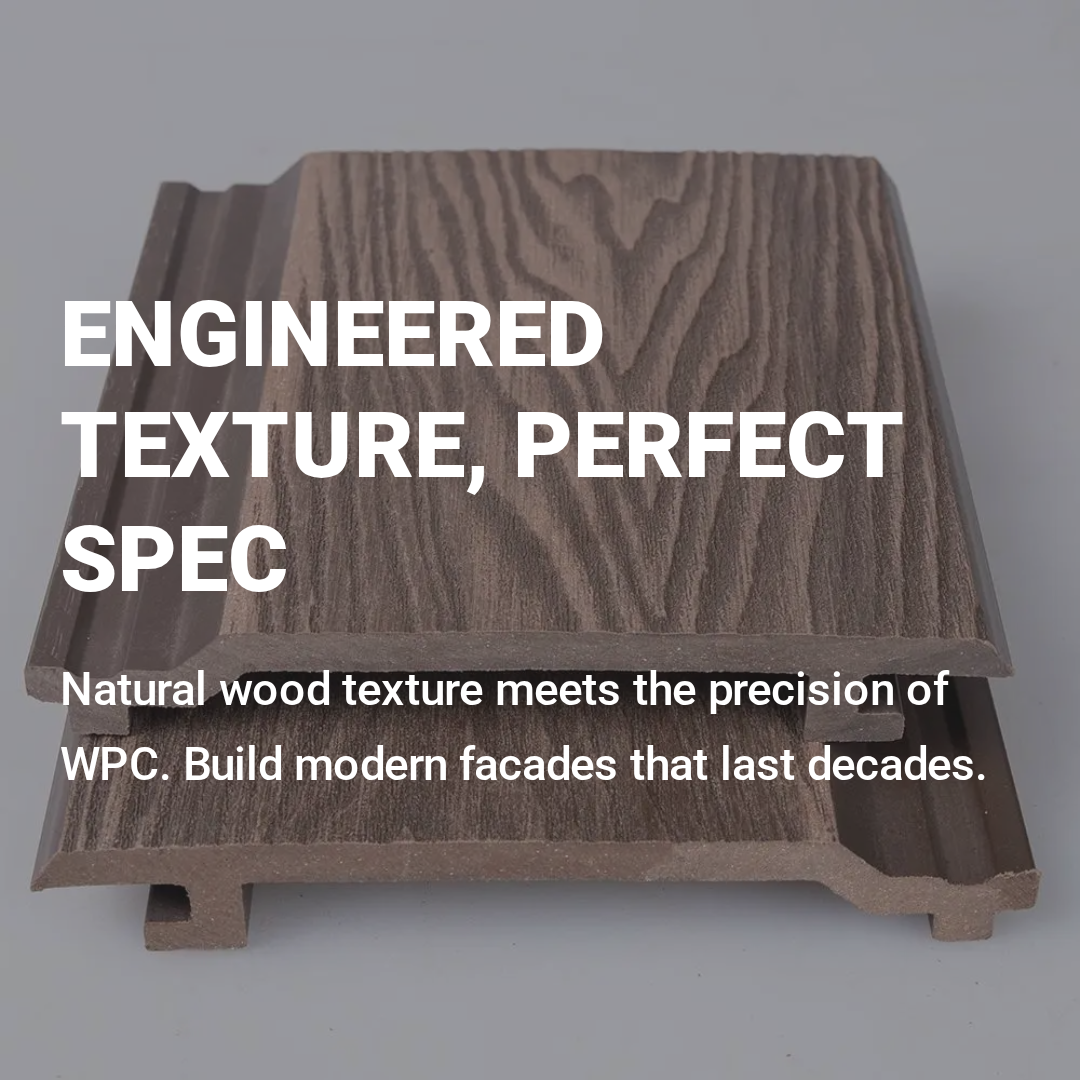
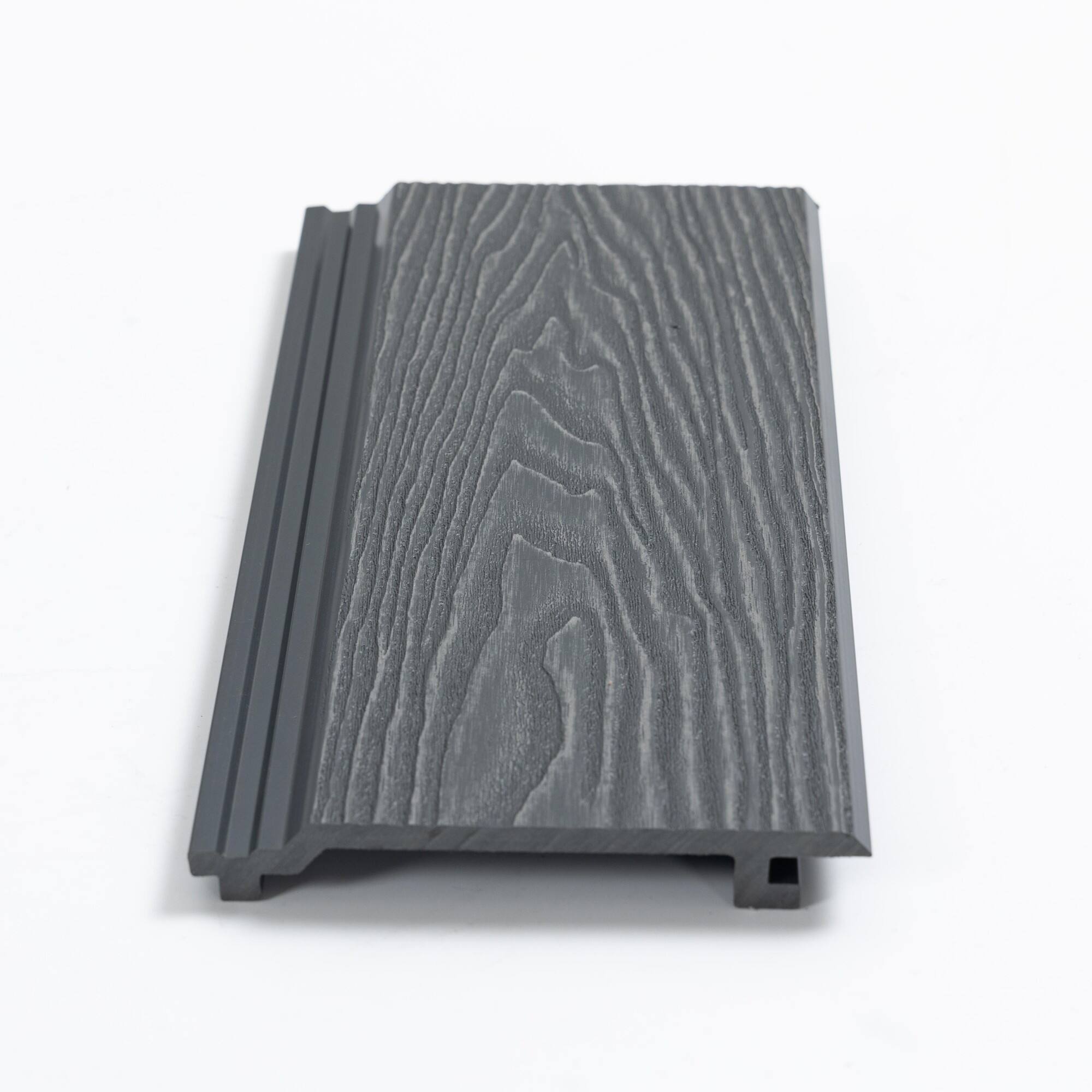
Contemporary composite manufacturing techniques enable diverse visual expressions that accommodate varied architectural styles from traditional to ultra-modern. Advanced embossing technology at a sophisticated wpc wall panel factory creates realistic wood grain patterns, smooth contemporary finishes, or distinctive textured surfaces that enhance visual interest and depth. This aesthetic flexibility allows designers to maintain stylistic consistency across project types while leveraging composite performance advantages, eliminating the compromise between appearance and durability that often constrains material selection. The ability to specify factory-finished surfaces in custom colors further expands design possibilities, enabling precise color coordination with other building elements without field painting requirements.
The dimensional consistency of extruded composite panels facilitates clean, precise installations that enhance architectural expression through crisp reveals and uniform coursing. Unlike natural wood where grain variation and dimensional inconsistencies create visual irregularity, composite products deliver predictable appearance that supports contemporary design intentions emphasizing geometric clarity and repetition. A reputable wpc wall panel factory maintains tight dimensional tolerances that simplify installation and reduce field adjustments, allowing the design vision to translate accurately from drawings to constructed reality. This predictability proves particularly valuable in large-scale projects where material consistency directly impacts overall visual quality and client satisfaction.
Custom Profiling and Project-Specific Solutions
Beyond standard product offerings, established composite manufacturers provide custom extrusion capabilities that address unique project requirements and distinctive design intentions. A flexible wpc wall panel factory equipped with adaptable tooling can produce project-specific profiles, widths, and configurations that respond to particular architectural details or installation conditions. This customization capacity enables composite technology deployment in applications traditionally dominated by custom-milled wood or expensive engineered materials, expanding the economic viability of composite solutions across diverse project types. Designers benefit from collaborating with manufacturers during early design phases to explore feasibility and optimize profiles for both aesthetic goals and production efficiency.
The economic threshold for custom extrusion continues to decline as manufacturing technology advances, making project-specific solutions accessible for moderately sized developments rather than exclusively mega-projects. A technologically progressive wpc wall panel factory utilizes computer-aided design integration and rapid prototyping to evaluate custom profiles before committing to full production tooling, reducing development risk and timeline. This responsiveness to specific project needs differentiates composite technology from commodity materials with limited variation, positioning it as a premium solution that doesn't sacrifice design intent for practical considerations. Architects increasingly appreciate this balance of performance, sustainability, and design freedom that characterizes well-executed composite specifications.
Integration with Contemporary Facade Systems
Modern building envelopes increasingly incorporate multiple material layers and integrated systems addressing thermal performance, moisture management, and ventilation requirements. Composite wall panels adapt readily to these sophisticated assemblies, functioning effectively within rainscreen systems, ventilated facades, and insulated cladding configurations. The lightweight nature and workability of composite materials simplify integration with concealed fastening systems, drainage planes, and continuous insulation layers that characterize high-performance envelope design. Collaboration between envelope consultants and a knowledgeable wpc wall panel factory ensures proper detailing for specific system types, preventing incompatibility issues that compromise performance or complicate installation.
The compatibility of composite panels with standard construction methods and fastening systems reduces installation complexity compared to specialty cladding products requiring unique techniques or proprietary components. Contractors familiar with conventional siding installation can quickly adapt to composite materials using existing tools and skills, minimizing learning curves and labor premiums. A well-supported wpc wall panel factory provides comprehensive installation guidelines, technical support, and training resources that facilitate smooth project execution and reduce callbacks. This practical constructability, combined with superior performance characteristics, explains the growing specification rate for composite wall panels across commercial construction segments where schedule certainty and quality assurance carry significant value.
Economic Value and Total Cost Optimization
Initial Cost Considerations and Budget Planning
The upfront material cost of composite wall panels typically positions them in the mid-to-premium range compared to alternative cladding options, reflecting their engineered nature and performance advantages. Budget-conscious projects must evaluate this initial premium against lifecycle cost factors including maintenance frequency, replacement timing, and operational impacts. Experienced developers recognize that lowest initial cost rarely correlates with best value, particularly for exterior assemblies where premature failure creates disruption and expense far exceeding material savings. A transparent wpc wall panel factory provides detailed cost breakdowns and lifecycle modeling support that enables accurate economic comparison across alternatives, supporting informed decision-making rather than price-only procurement.
The installation efficiency of composite panels influences total project cost beyond material pricing, as lightweight handling, consistent dimensions, and reduced field modifications decrease labor hours compared to heavier or more variable alternatives. Projects in regions with high labor costs particularly benefit from these installation efficiencies, which can offset material premiums through reduced crew time and faster occupancy. Additionally, the elimination of field finishing requirements such as priming, painting, or staining reduces schedule duration and weather-dependent work phases that introduce uncertainty and potential delays. When developers calculate true installed cost including labor, equipment, and schedule factors, composite solutions often demonstrate competitive positioning even before considering long-term maintenance savings.
Maintenance Cost Reduction Over Building Lifespan
The most compelling economic advantage of composite wall panels emerges through dramatically reduced maintenance requirements over multi-decade service periods. Traditional wood siding demands periodic inspection, refinishing, repair, and eventual replacement that accumulate substantial costs when properly executed or create aesthetic and performance degradation when deferred. Composite materials eliminate most of these recurring expenses through inherent durability and finish retention, requiring only periodic cleaning to maintain appearance. A lifecycle cost analysis comparing composite panels from a quality wpc wall panel factory against conventional alternatives typically demonstrates payback within five to ten years, with continuing savings throughout the remaining building life creating substantial net present value advantages.
The predictability of composite performance simplifies facility management and capital planning by eliminating uncertainty around unexpected repairs or premature replacement. Building owners can confidently project minimal facade-related expenditures for extended periods, allowing capital allocation toward revenue-generating improvements rather than defensive maintenance. This financial predictability carries particular value for institutional owners, real estate investment trusts, and portfolio managers operating multiple properties where maintenance budget variability creates planning challenges. The reduced maintenance liability associated with composite cladding sourced from a reputable wpc wall panel factory enhances property valuations and investment returns, making material choice a strategic financial decision beyond simple construction budgeting.
Insurance and Warranty Considerations
The fire resistance characteristics and durability of composite wall panels can favorably influence insurance premiums and coverage terms, particularly for commercial properties where facade performance impacts overall building risk profiles. Modern composite formulations incorporate fire-retardant additives and achieve favorable flame spread ratings that meet stringent building code requirements, addressing historical concerns about combustibility. A certified wpc wall panel factory provides comprehensive testing documentation and code compliance verification that supports insurance underwriting and jurisdictional approval processes. These documented performance characteristics enable risk managers to negotiate favorable terms and demonstrate due diligence in material selection, protecting organizational interests beyond basic functionality.
Manufacturer warranties for composite wall panels typically extend substantially longer than conventional materials, reflecting confidence in product durability and providing owner protection against premature failure. Premium products from established manufacturers often include twenty-five year warranties covering fade resistance, structural integrity, and defect-free performance, transferring significant risk from building owners to producers. These warranty terms require careful evaluation during procurement, as coverage specifics, claim procedures, and exclusions vary considerably across suppliers. Working with a financially stable wpc wall panel factory backed by comprehensive warranty programs provides long-term security that commodity suppliers cannot match, justifying premium pricing through genuine risk mitigation rather than marketing claims alone.
FAQ
How do composite wall panels compare to fiber cement in coastal environments?
Composite wall panels demonstrate superior moisture resistance and require no painting in coastal applications, while fiber cement absorbs water and needs regular refinishing to prevent deterioration. The lighter weight of composites also simplifies installation and reduces structural loading, making them particularly suitable for coastal construction where material durability and maintenance access pose challenges. Products from a specialized wpc wall panel factory often include enhanced UV stabilizers and salt-resistant formulations specifically engineered for harsh marine exposures.
Can composite panels achieve fire ratings required for commercial construction?
Modern composite wall panels achieve Class A or Class B fire ratings when properly formulated with fire-retardant additives, meeting commercial building code requirements in most jurisdictions. A compliant wpc wall panel factory provides comprehensive ASTM E84 testing documentation and code compliance reports that demonstrate acceptable flame spread and smoke development characteristics. Specific applications may require additional fire-resistive assembly testing depending on building height, occupancy type, and local code interpretations, making early consultation with authorities having jurisdiction essential for commercial projects.
What installation methods work best with composite wall panel systems?
Composite panels accommodate both visible fastening and concealed clip systems depending on aesthetic preferences and budget considerations, with concealed methods delivering cleaner contemporary appearances at moderate cost premiums. Proper installation requires adherence to manufacturer guidelines regarding fastener type, spacing, and substrate preparation to ensure long-term performance and warranty validity. A reputable wpc wall panel factory provides detailed installation manuals, technical support, and training opportunities that help contractors avoid common mistakes and achieve optimal results across varying climate conditions and substrate types.
How does composite panel recycling work at end of building life?
End-of-life composite panels can return to manufacturing processes as recycled feedstock, though collection logistics and contamination management currently limit widespread recycling implementation. Progressive manufacturers operating as a responsible wpc wall panel factory develop take-back programs and partnerships with recycling facilities to close material loops, supporting circular economy principles beyond initial recycled content claims. As composite adoption increases and regulatory pressure for construction waste reduction intensifies, recycling infrastructure continues expanding, making end-of-life material recovery increasingly practical for demolition contractors and building owners committed to minimizing landfill disposal.