
 EN
EN

Modern homeowners are increasingly turning to composite fencing as a superior alternative to traditional wood and vinyl materials. This innovative fencing solution combines the natural beauty of wood with the durability of synthetic materials, creating a product that offers exceptional longevity with minimal maintenance requirements. Understanding proper care techniques for composite fencing ensures your investment continues to provide privacy, security, and aesthetic appeal for decades to come.
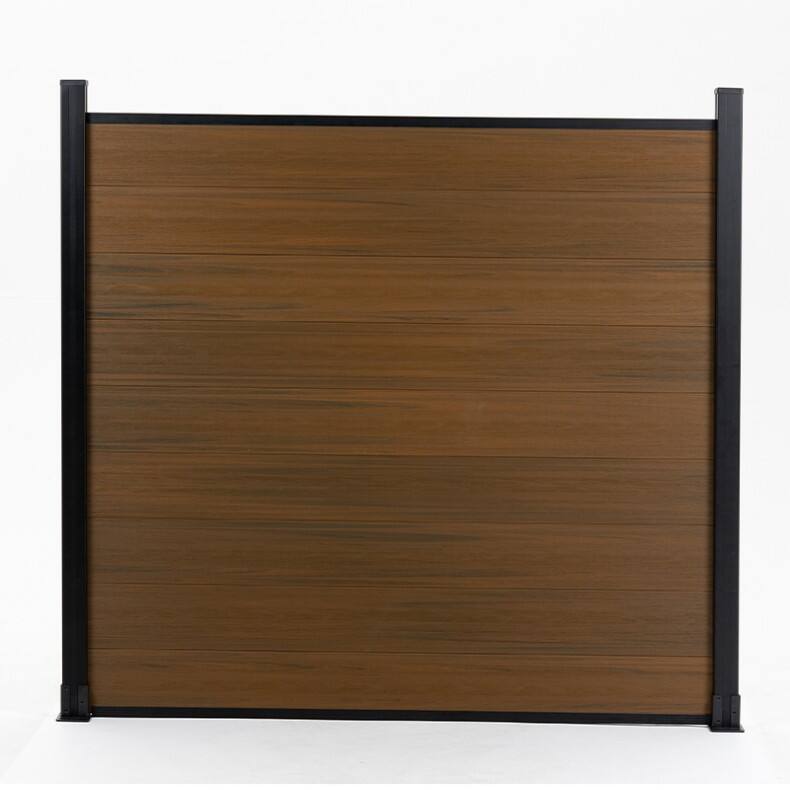
Unlike traditional wooden fencing that requires frequent staining, sealing, and replacement of rotted boards, composite fencing maintains its structural integrity and appearance through simple cleaning routines. The engineered composition of these materials resists common issues such as warping, splintering, and insect damage that plague conventional fencing options. Property owners who invest in quality composite fencing systems typically experience significant savings in both time and money over the fence's lifespan.
Essential Cleaning Techniques for Composite Fencing
Regular Surface Cleaning Methods
Maintaining the pristine appearance of composite fencing begins with establishing a consistent cleaning routine that removes dirt, debris, and environmental contaminants before they can cause permanent staining or damage. Most composite fencing surfaces respond well to gentle cleaning with warm water and mild household detergents, making maintenance accessible to homeowners without specialized equipment or chemicals.
The frequency of cleaning depends largely on environmental factors such as proximity to trees, traffic patterns, and local weather conditions. In most residential settings, a thorough cleaning every three to four months proves sufficient to maintain the fence's original appearance and prevent the buildup of stubborn stains that require more aggressive treatment methods.
When performing routine cleaning, start by rinsing the entire fence section with clean water to remove loose dirt and debris. This preliminary step prevents scratching the surface during the scrubbing process and allows cleaning solutions to work more effectively on embedded contaminants.
Advanced Stain Removal Strategies
Despite its resistance to common staining agents, composite fencing may occasionally require specialized treatment for stubborn marks caused by oil-based substances, rust stains, or organic matter such as algae and mildew. These challenging stains often require targeted approaches using specific cleaning products designed for synthetic materials.
For oil-based stains, begin treatment as soon as possible to prevent deep penetration into the material's surface. Apply a small amount of dish soap directly to the stained area and allow it to sit for several minutes before scrubbing with a soft-bristled brush. Rinse thoroughly with clean water and repeat the process if necessary until the stain disappears completely.
Rust stains typically originate from metal hardware or nearby iron objects and require acidic cleaning solutions for effective removal. Commercial rust removers designed for composite materials offer the safest approach, though homeowners can also create effective solutions using white vinegar or lemon juice mixed with baking soda to form a gentle abrasive paste.
Seasonal Maintenance Practices
Spring Preparation and Inspection
Spring represents the ideal time for comprehensive composite fencing maintenance, as winter weather often leaves behind accumulated debris, salt residue, and potential damage that requires immediate attention. Begin your spring maintenance routine with a thorough visual inspection of the entire fence system, paying particular attention to post connections, hardware integrity, and any signs of shifting or settling.
During the inspection process, look for signs of ice damage, particularly around post bases where freeze-thaw cycles can cause ground movement that affects fence alignment. Check all mounting hardware for signs of corrosion or loosening, as temperature fluctuations throughout winter can cause metal components to expand and contract, potentially compromising connection integrity.
Remove any accumulated organic debris such as leaves, branches, or seed pods that may have become trapped between fence panels or around post bases. This organic material can retain moisture and create conditions favorable to mold and mildew growth if left untreated throughout the growing season.
Fall Winterization Procedures
Proper fall maintenance prepares composite fencing systems for harsh winter conditions while minimizing potential damage from ice, snow, and freezing temperatures. Although composite materials demonstrate superior cold weather resistance compared to traditional wood fencing, proactive preparation helps ensure optimal performance throughout the winter months.
Clear all vegetation growth from around fence bases, as plants and roots can cause structural stress during freeze-thaw cycles. Trim back any overhanging branches that could fall on fence panels during winter storms, potentially causing impact damage or excessive weight loading on the fence structure.
Apply a thorough cleaning before winter weather arrives, removing all organic matter and stains that could become more difficult to address after exposure to freezing temperatures. This pre-winter cleaning also allows for proper inspection of the fence condition and identification of any repairs needed before spring arrives.
Long-Term Preservation Strategies
Protective Coating Applications
While composite fencing requires minimal maintenance compared to traditional materials, applying specialized protective coatings can extend the life and enhance the appearance of your fence system. These coatings provide additional protection against UV radiation, moisture intrusion, and environmental contaminants that can gradually degrade even the most durable composite materials.
Modern composite fencing protection products include UV-resistant sealers that help maintain color consistency and prevent fading caused by prolonged sun exposure. These treatments typically require application every two to three years, depending on local climate conditions and the specific product formulation used during manufacturing.
When selecting protective coatings, choose products specifically formulated for composite materials rather than traditional wood treatments that may not provide optimal adhesion or protection. Always test new products in an inconspicuous area before applying to the entire fence system to ensure compatibility and desired results.
Hardware Maintenance and Replacement
The longevity of composite fencing systems depends not only on the panels themselves but also on the integrity of mounting hardware, fasteners, and support structures that hold everything together. Regular inspection and maintenance of these components prevents minor issues from developing into major structural problems requiring extensive repairs.
Stainless steel and galvanized hardware provides the best corrosion resistance for composite fencing applications, though even these premium materials require periodic inspection for signs of wear or deterioration. Replace any corroded fasteners immediately to prevent staining of surrounding composite material and maintain structural integrity of the fence system.
Check post stability annually by applying gentle pressure to test for movement or looseness that could indicate foundation problems or hardware failure. Address any stability issues promptly to prevent progressive damage that could require complete panel replacement rather than simple hardware repairs.
Common Issues and Solutions
Surface Scratches and Scuff Marks
Despite their durability, composite fencing panels can develop surface scratches from contact with sharp objects, heavy impacts, or abrasive cleaning techniques. Most minor scratches in composite fencing can be minimized or eliminated using appropriate repair techniques that restore the original surface texture and appearance.
For shallow scratches that don't penetrate through the protective outer layer, gentle buffing with fine-grit sandpaper often provides effective repair. Work in the direction of the wood grain pattern printed on the composite surface, using light pressure to avoid creating additional damage or uneven surface texture.
Deeper scratches may require touch-up paint or specialized composite repair compounds that match the original fence color and texture. These products are typically available from the fence manufacturer or specialty suppliers who cater to composite fencing maintenance needs.
Color Fading and UV Damage
Although modern composite fencing incorporates UV-resistant additives during manufacturing, prolonged exposure to intense sunlight can eventually cause color changes or fading, particularly in darker colored products that absorb more solar radiation. Understanding the factors that contribute to UV damage helps homeowners implement preventive measures that preserve their fence's original appearance.
Regular cleaning removes contaminants that can accelerate UV degradation while proper protective treatments provide additional defense against solar radiation. Position sprinkler systems to avoid unnecessary water exposure that can interact with UV light to accelerate fading processes in some composite fencing formulations.
When UV damage does occur, specialized restoration products can often restore much of the original color depth and uniformity. These treatments work by penetrating the composite material surface to revitalize color pigments and provide renewed UV protection for extended fence life.
Professional vs DIY Maintenance
When to Call Professional Services
While most composite fencing maintenance tasks fall within the capabilities of typical homeowners, certain situations warrant professional attention to ensure proper repair techniques and avoid potential damage from inexperienced handling. Understanding when to seek professional help protects your investment and ensures optimal long-term performance.
Structural repairs involving post replacement, foundation work, or panel realignment typically require professional expertise and specialized tools not commonly available to homeowners. These complex repairs often involve permit requirements and building code compliance that professional contractors understand and can navigate effectively.
Extensive staining or damage covering large areas of composite fencing may benefit from professional restoration services that have access to commercial-grade cleaning equipment and specialized treatment products. Professional services can often achieve better results more efficiently than homeowner efforts when dealing with challenging restoration projects.
Cost-Effective DIY Approaches
Most routine maintenance tasks for composite fencing can be accomplished using common household tools and readily available cleaning supplies, making DIY maintenance both practical and economical for most homeowners. Developing confidence in basic maintenance techniques reduces long-term ownership costs while ensuring consistent care that prevents major problems.
Invest in quality cleaning supplies specifically designed for composite materials rather than using generic products that may not provide optimal results or could potentially damage the fence surface. The modest additional cost of specialized products typically pays for itself through improved cleaning effectiveness and reduced need for professional services.
Document your maintenance activities with photos and written records that track cleaning schedules, product applications, and any issues discovered during routine inspections. This information proves valuable when warranty claims arise or when consulting with professionals about more complex repair needs.
FAQ
How often should I clean my composite fencing
Most composite fencing requires thorough cleaning every three to four months under normal conditions, though properties exposed to heavy traffic, industrial pollutants, or dense vegetation may benefit from more frequent attention. Regular light cleaning with water rinses between deep cleaning sessions helps maintain appearance and prevents buildup of stubborn contaminants that require more aggressive treatment methods.
Can I use a pressure washer on composite fencing
Pressure washers can be used safely on composite fencing when operated at appropriate settings and distances, typically maintaining at least 12 inches between the nozzle and fence surface while using wide-angle spray patterns. Excessive pressure or concentrated spray patterns can damage the surface texture or force water into panel joints where it may cause expansion or other structural issues.
What causes white chalky residue on composite fencing
White chalky deposits on composite fencing typically result from mineral buildup caused by hard water exposure from sprinkler systems or natural rainfall interacting with airborne dust and pollutants. This residue can usually be removed through regular cleaning with mild acidic solutions such as white vinegar mixed with water, followed by thorough rinsing to prevent acid damage to the composite material.
How long does composite fencing typically last with proper maintenance
High-quality composite fencing systems can provide 25-30 years or more of reliable service when maintained according to manufacturer recommendations and protected from extreme environmental conditions. Proper maintenance extends this lifespan by preventing accumulated damage from UV exposure, moisture intrusion, and environmental contaminants that can gradually degrade even the most durable composite materials over time.