
 EN
EN
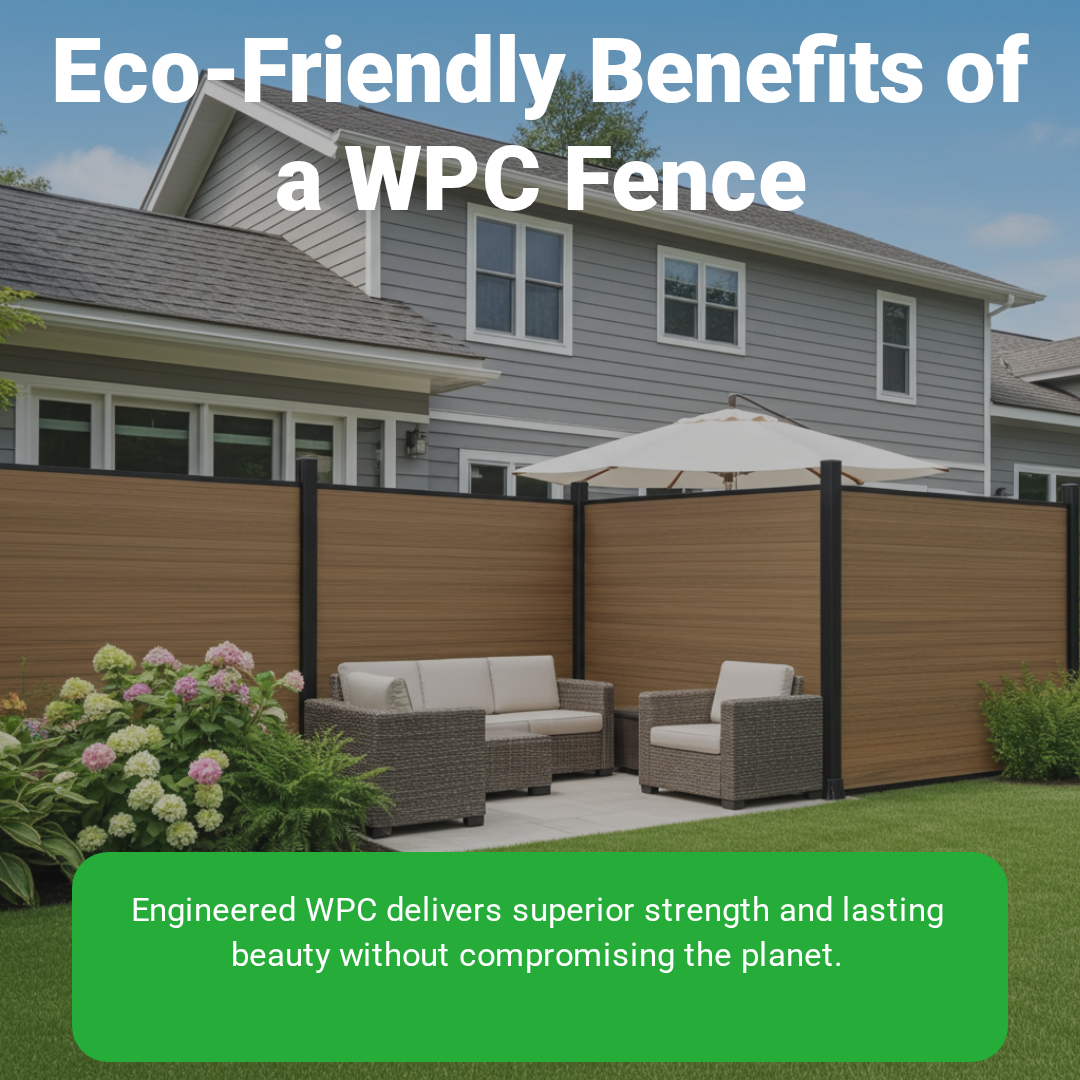
Eco-Friendly Benefits of a Wood Plastic Composite Fence
Wood plastic composite fences are changing the way we think about fencing solutions. They offer a sustainable and eco-friendly fence alternative to traditional wood fences.
Made from a blend of wood fibers and recycled plastic, these fences are both durable and environmentally responsible, delivering durable fencing performance.
Homeowners and landscapers are increasingly choosing composite fencing solutions for their properties, especially for backyard fencing projects.
Why? Because they provide a long-lasting, low maintenance fence option that looks great in any backyard.
The aesthetic appeal of composite fencing can mimic the look of natural wood. This makes it a visually pleasing choice for outdoor composite projects and other outdoor spaces.
Moreover, composite materials used in these fences often come from recycled content. This contributes to waste reduction and promotes sustainable living.
The installation process for composite wood plastic fence panels is straightforward. It often requires less labor than traditional fencing methods.
These fences are resistant to weather, insects, and rot, ensuring a long lifespan. They maintain their appearance over time without the need for painting or sealing.
In this article, we will explore the eco-friendly advantages of composite fencing solutions. A single run is often called a wood plastic composite fence, also known in some markets as a wood plastic fence or simply a wpc fence. Discover why they are the future of sustainable fencing.
Summary
Wood plastic composite (WPC) fences blend recycled wood fibers and plastics to deliver a sustainable, low-maintenance alternative to traditional wood and metal. They resist weather, rot, and pests, hold color without painting or sealing, and install efficiently---lowering lifetime costs. With versatile designs that mimic natural materials, WPC fencing provides durable privacy and security for residential and commercial use while reducing waste, deforestation, and overall environmental impact.
Understanding Wood Plastic Composite Fencing
Wood plastic composite (WPC) fencing represents an innovative step forward in fencing solutions. WPC fences are crafted from a mix of wood fibers and recycled plastic. This combination delivers remarkable durability and sustainability.
The composition of these fences results in several key advantages. First and foremost, they are eco-friendly. By using recycled materials, WPC fences help reduce landfill waste.
Moreover, wood plastic composite fence boards offer high resistance to common issues like rot, decay, and termites. These qualities make them a superior choice for outdoor applications.
Here's a brief overview of the material benefits:
- Eco-friendly: Made from recycled materials.
- Durable: Resistant to weather, rot, and termites.
- Low maintenance: Does not require regular painting or sealing.
- Versatile: Available in various colors and styles.
Another significant benefit is the aesthetic flexibility of WPC fences. They can mimic the appearance of traditional wood, offering elegance without environmental harm.
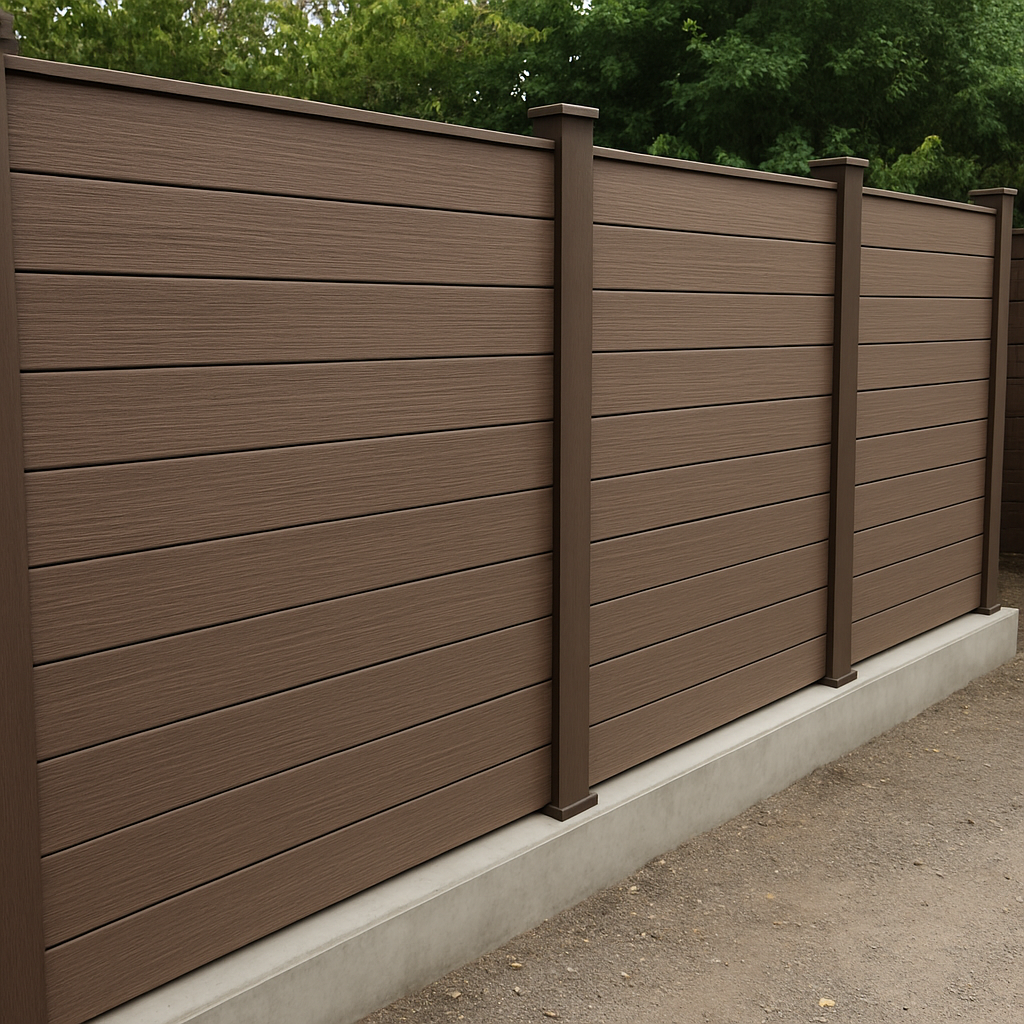
When comparing WPC to traditional wood, the former clearly excels in longevity and ease of care. Homeowners will appreciate less time spent on upkeep and more time enjoying their outdoor spaces. A well-installed wood plastic composite fence can serve for decades.
In conclusion, wood plastic composite fences combine beauty, durability, and environmental responsibility. They are not merely a trend, but a practical solution in modern fencing.
Environmental Benefits of Composite Fencing
Wood plastic composite fences offer significant environmental benefits. They are made predominantly from recycled materials. This sustainable approach helps conserve natural resources.
Unlike traditional wood fences, WPC fences do not contribute to deforestation. By using composite materials, they reduce the demand for new timber. This helps in preserving forests.
One of the key advantages of WPC fencing is its longevity. Long-lasting products generate less waste over time. Their durability also means fewer replacements, conserving materials and energy.
The production process of composite fencing is environmentally conscious. By utilizing materials destined for landfills, it reduces waste. This promotes recycling and supports a circular economy.
Here's a list of environmental advantages:
- Made from recycled wood and plastic
- Reduces need for deforestation
- Long-lasting, reducing waste
- Promotes recycling and circular economy
Composite fencing solutions are inherently low maintenance. They do not require harmful chemicals for preservation. This decreases the pollution associated with fence upkeep.
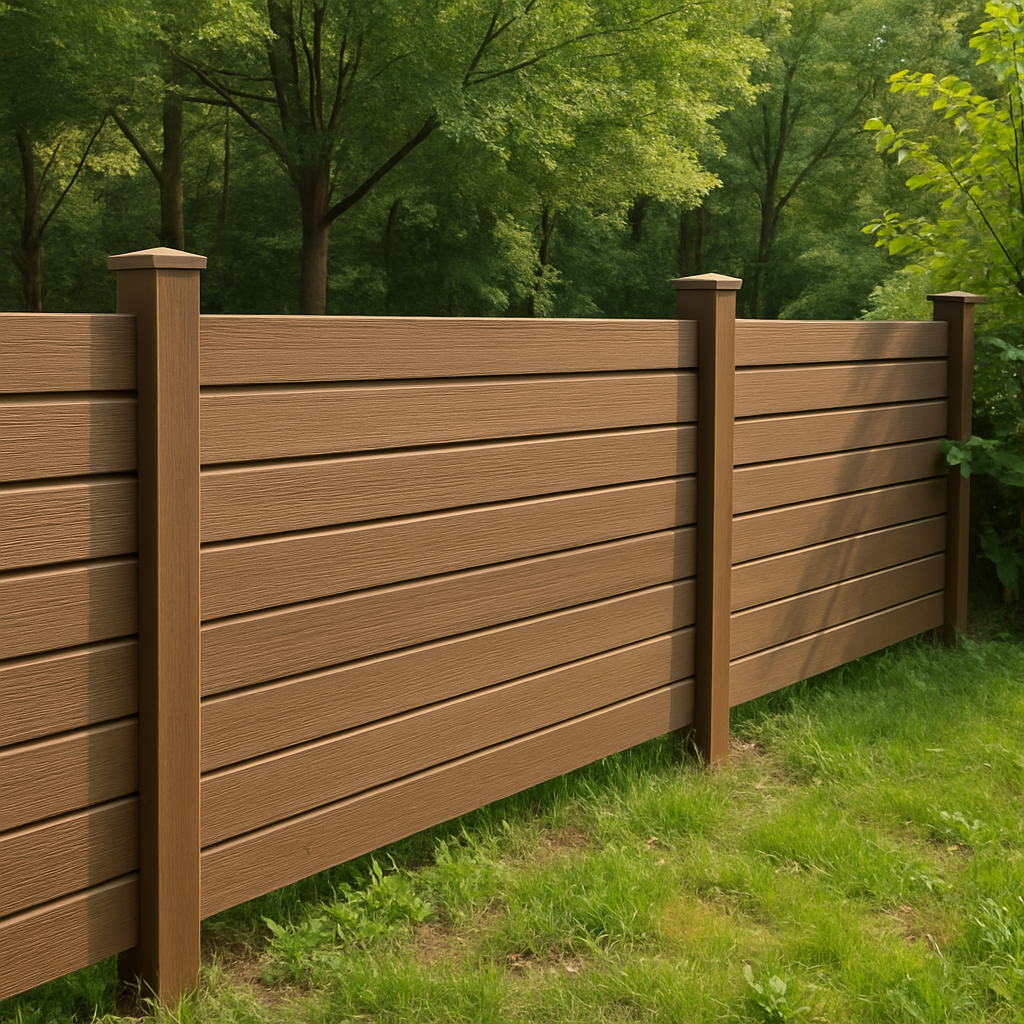
In terms of aesthetics, these fences come in various colors. This eliminates the need for staining or painting, further reducing chemical use. You get the beauty without added environmental costs.
Moreover, the manufacturing of WPC fences typically has a lower carbon footprint. By avoiding energy-intensive processes, they align with sustainable building practices.
Choosing a wood plastic composite fence is a step towards eco-friendly living. It combines style, function, and environmental stewardship. With these benefits, it's clear why they are a popular choice.
In conclusion, these fences support a sustainable lifestyle. They demonstrate how innovation can align with environmental responsibility. It's an ideal choice for the eco-conscious homeowner.
Comparing Composite Fencing to Traditional Fencing Materials
When considering fencing options, it's crucial to evaluate the benefits of composite fencing. Traditional materials like wood and metal have been common choices. Yet, wood plastic composite offers unique advantages.
Wood fencing is classic but requires significant upkeep. It is susceptible to rot, insects, and weather damage. Regular painting and sealing are essential to maintain its appearance. This maintenance can be time-consuming and costly. While a wood plastic fence may feel familiar to some buyers, its maintenance still exceeds that of composite.
Metal fences, such as chain-link or wrought iron, offer durability. However, they can rust over time. They also lack the natural aesthetic appeal many homeowners desire. Moreover, they often require repainting to prevent corrosion.
Wood plastic composite fences, on the other hand, resist these common issues. They are engineered to withstand harsh weather and avoid rot. Unlike wood, they don't splinter or warp, making them safer for families.
The key differences include:
- Wood fencing: Prone to rot, insects, and frequent maintenance
- Metal fencing: Durable but can rust and lack natural beauty
- Composite fencing: Low maintenance, weather-resistant, and aesthetically flexible

Beyond maintenance, composite fencing offers aesthetic versatility. Its range of colors and styles can mimic the look of natural wood. This flexibility allows for diverse design choices without sacrificing durability.
Additionally, the eco-friendly nature of composite materials cannot be overstated. They are crafted from recycled components, reducing environmental impact. In comparison, wood requires cutting down trees, and metals often need energy-intensive processing.
Cost is another critical factor. While the upfront cost of composite fencing may be higher, its long-term savings are clear. Less maintenance and longer lifespan mean fewer replacements.
In summary, wood plastic composite fencing provides an appealing, low-maintenance alternative. It merges the strength of metal with the beauty of wood. When weighing options, its many benefits make it a standout choice.
Durability and Longevity: Why Composite Fencing Lasts
Wood plastic composite fencing stands out for its impressive durability. These fences are crafted to last. They combine the strength of wood fibers with the resilience of plastic. This unique blend results in a product that can withstand the test of time.
Traditional wood fences often struggle with weather-related issues. Rain, sun, and wind can cause wood to warp, rot, and crack. In contrast, composite fences resist these common problems. Their materials are designed to handle harsh conditions without compromising their integrity.
Moreover, composite fencing is highly resistant to insects. Termites and other pests can wreak havoc on wood fences. But composite materials provide no such opportunities for infestation. This makes them an ideal choice for long-lasting outdoor protection.
Let's consider some key advantages:
- Weather resistance: Withstands rain, sun, and wind without deteriorating
- Insect resistance: Unattractive to pests, preventing damage
- Stability and strength: Retains shape over time without warping
The combination of wood and plastic creates an exceptionally stable product. This stability ensures composite fences maintain their shape and finish for years. Other materials can't offer the same level of reliability without frequent care.
Because of their durability, these fences require less frequent replacement. This long lifespan results in cost savings over time. Homeowners and businesses alike benefit from these long-term advantages.
In conclusion, the durability of wood plastic composite fencing provides unmatched reliability. Its resistance to environmental and biological threats ensures a long life. For those seeking a fence that balances performance with minimal upkeep, composite is the way to go.
Low Maintenance: Save Time and Resources
One of the standout features of wood plastic composite fencing is its low maintenance requirement. Compared to traditional wood fences, which demand regular care, composite fences are hassle-free. This saves homeowners significant time and resources.
Regular wooden fences need periodic painting or staining. Without this care, they lose their visual appeal and protective layers. Conversely, composite fencing retains its color and finish over time without any additional work.
Additionally, composite fences do not require sealing to prevent damage. Their materials are designed to withstand the elements naturally. Homeowners can enjoy a beautiful fence without the yearly tasks associated with wood maintenance.
The benefits of low maintenance include:
- No need for painting or staining: Saves time and effort each year.
- No sealing required: Natural protection against elements.
- Minimal upkeep needed: Quickly clean with basic tools.
Cleaning composite fencing is also a breeze. A simple wash with water can remove dirt and debris. It's a straightforward process that keeps the fence looking fresh. There's no need for harsh chemicals or special equipment.
The low maintenance aspect also adds to the eco-friendliness of these fences. Fewer resources are expended on maintenance activities. This aligns well with sustainable living practices and reduces the overall carbon footprint.
In summary, the low maintenance needs of wood plastic composite fencing are a clear advantage. They offer convenience without sacrificing appearance or durability. Homeowners can enjoy beautiful, lasting fences with minimal effort, contributing to a sustainable lifestyle.
Aesthetic Appeal and Design Flexibility
Wood plastic composite fences are not only practical but also visually appealing. They offer a variety of designs that cater to different tastes and preferences. Homeowners can enjoy the natural look of wood without the associated maintenance.
The range of colors and textures available in composite fencing is vast. This variety allows for greater customization, matching any outdoor decor seamlessly. Whether you desire a modern look or a more classic vibe, options are abundant.
The flexibility of composite materials is another exciting aspect. They can mimic the look of wood, stone, or even metal. This versatility means you can create a fence that complements other outdoor features. Your landscape design is elevated and more cohesive.
Key benefits of design flexibility in composite fencing include:
- Variety of colors and textures: Matches diverse styles and preferences.
- Mimics natural materials: Offers the elegance of wood, stone, and metal.
- Enhances landscape design: Harmonizes with existing outdoor elements.
Furthermore, composite fencing remains vibrant despite prolonged exposure to the elements. Colors stay true, eliminating the fear of fading. This ensures your fence remains an attractive part of your property year after year.
In essence, wood plastic composite fencing offers both beauty and versatility. Its design flexibility makes it an ideal choice for any homeowner looking to enhance their outdoor space without compromising on style or sustainability.
Installation Process: Simplicity and Efficiency
Installing a wood plastic composite fence is streamlined and efficient. Compared to traditional fencing, the process demands less time and effort. With a few essential tools, the fence setup can be completed smoothly.
One of the reasons for this simplicity is the design of composite wood plastic fence panels. These panels often come as pre-assembled sections, reducing the labor involved. This user-friendly feature appeals to both professional installers and DIY enthusiasts. Depending on the supplier, you might see these kits labeled as wood plastic composite fence panels, composite wood plastic fence panel, plastic wood fence composite panels, or even fence panels composite wood plastic.
Moreover, composite fencing does not require special foundations like some traditional fences. This makes it easier to plan and adjust during the installation phase. The project can progress rapidly without significant interruptions.
Benefits of the simplified installation process include:
- Pre-assembled panels: Saves time and effort.
- Minimal foundation needs: Simplifies preparation.
- Ease of adjustment: Accommodates design changes efficiently.
In summary, the installation of wood plastic composite fencing offers a hassle-free experience. Its ease of assembly and minimal structural requirements make it an appealing option. Homeowners can enjoy a beautiful, durable fence with a fraction of the labor traditionally required.
Cost-Effectiveness Over Time
Wood plastic composite fences present an excellent long-term investment. While the initial cost can be higher than traditional options, their overall value is undeniable. Over time, their durability leads to significant savings.
The need for frequent repairs is minimal due to the resilience of composite materials. Unlike wood, which may rot or warp, composite fences maintain their integrity. This means fewer replacements and lower maintenance costs.
Another benefit is the negligible expense for upkeep. With composite fencing, homeowners avoid spending on paints and sealants. Regular cleaning with water and mild soap is typically sufficient.
Key financial advantages include:
- Reduced maintenance costs: No need for paints or sealants.
- Longevity: Resists rot, warping, and insect damage.
- Minimal repair needs: Strong and durable material.
In conclusion, investing in a wood plastic composite fence proves cost-effective. Though the upfront cost may seem high, the reduction in future expenses and maintenance work makes it worthwhile. This makes composite fencing a smart choice for those seeking long-term savings.
Safety, Privacy, and Security Features
Wood plastic composite fencing offers significant benefits in safety, privacy, and security. Its solid construction provides robust barriers, crucial for any property. Homeowners value these qualities for peace of mind.
Privacy is well ensured with composite fences. Their dense panels deter prying eyes, creating private spaces. These fences are perfect for backyards where seclusion is a priority.
Security also stands out as a key advantage. The sturdy design of composite materials resists tampering. This ensures that these fences act as a reliable deterrent to intruders, boosting overall safety.
Essential features of composite fencing include:
- Solid construction: Tough and tamper-resistant.
- Dense panels: Enhance privacy by blocking views.
- Strength: Provides a secure perimeter.
In essence, wood plastic composite fences excel in offering privacy and security. Their thoughtful design and durable materials meet the demands of modern homeowners. These features ensure a safe, secure, and private environment for properties.
Applications: Residential and Commercial Uses
Wood plastic composite fencing serves multiple applications. Its versatility benefits both residential and commercial spaces. This adaptability makes it a popular choice across various projects.
In residential settings, composite fences enhance curb appeal. Their aesthetic and design flexibility add value to homes. Additionally, they provide privacy and security, key elements for family spaces.
Commercial properties also leverage composite fencing. These fences define boundaries effectively. They offer a professional appearance without compromising durability or performance.
Key applications of composite fencing include:
- Residential yards: Adds beauty and privacy to homes.
- Commercial properties: Offers robust boundaries with an aesthetic edge.
- Public spaces: Provides safe and durable enclosures.
Overall, wood plastic composite fences are versatile and adaptable. Whether for homes or business properties, these fencing solutions meet aesthetic and functional needs. Their diverse applications highlight their role in contemporary landscape design.
Choosing the Right Composite Fencing Solution
Selecting the right composite fencing solution requires a thoughtful approach. Consider factors such as design, durability, and cost. These elements ensure that the fence meets your specific needs.
Start by assessing your design preferences. Composite fences come in various colors and styles. Choose a look that complements your property's aesthetic.
Durability is also crucial. Ensure the fence can withstand local weather conditions. Research materials that offer the best performance for your environment.
When choosing a wood plastic composite fence, consider:
- Design and color options
- Weather resistance
- Budget and cost-effectiveness
Make an informed decision for a lasting investment. Proper selection guarantees a fence that fulfills functional and aesthetic requirements. The right composite fencing enhances your property's value and appearance.
Frequently Asked Questions About Composite Fencing
Many people have questions about composite fencing. Understanding these answers can help you make informed decisions about fencing solutions.
What is composite fencing?
Composite fencing is made from wood fibers and recycled plastics. This blend provides durability and sustainability.
How does it compare to traditional wood fences?
Composite fencing is more resistant to weather and pests. It requires less maintenance than traditional wood fences.
Is composite fencing environmentally friendly?
Yes, composite materials often use recycled content. This helps reduce the need for fresh resources and landfill waste.
Is a WPC fence the same as composite fencing?
Yes. A WPC fence (often written as wpc fence) is simply shorthand for wood plastic composite fencing.
Can composite fences fade?
Composite fences resist fading and staining. They maintain their appearance longer than wood fences.
Here are some more points to clarify:
- No need for painting or sealing
- Available in various styles
- Long lifespan
These traits make composite fencing a popular choice. It combines beauty and strength with an eco-friendly focus. Consider these insights when deciding on your fencing needs.
Conclusion: Embracing Eco-Friendly Fencing Solutions
Choosing wood plastic composite fencing is a wise decision for those valuing sustainability. These fences offer multiple advantages over traditional materials.
Composite fencing supports an eco-friendly lifestyle. By using recycled materials, it reduces the demand for new resources.
This type of fence is not only durable but also requires little maintenance. As a result, it saves homeowners both time and money in the long run.
Consider composite fences for their aesthetic versatility. They enhance any outdoor space, blending seamlessly with various design preferences.
Key Benefits of Composite Fencing:
- Sustainable and eco-friendly
- Low maintenance requirements
- Long-lasting durability
- Flexible design options
Embracing composite fencing solutions means prioritizing the environment without compromising on quality. These fences serve as a testament to modern, responsible living.
By opting for composite materials, you contribute to a greener planet. You're making a sound investment that offers lasting beauty and security. Take a step towards an eco-friendly future with wood plastic composite fencing.
Table of Contents
- Eco-Friendly Benefits of a Wood Plastic Composite Fence
- Summary
- Understanding Wood Plastic Composite Fencing
- Environmental Benefits of Composite Fencing
- Comparing Composite Fencing to Traditional Fencing Materials
- Durability and Longevity: Why Composite Fencing Lasts
- Low Maintenance: Save Time and Resources
- Aesthetic Appeal and Design Flexibility
- Installation Process: Simplicity and Efficiency
- Cost-Effectiveness Over Time
- Safety, Privacy, and Security Features
- Applications: Residential and Commercial Uses
- Choosing the Right Composite Fencing Solution
- Frequently Asked Questions About Composite Fencing
- Conclusion: Embracing Eco-Friendly Fencing Solutions