
 EN
EN
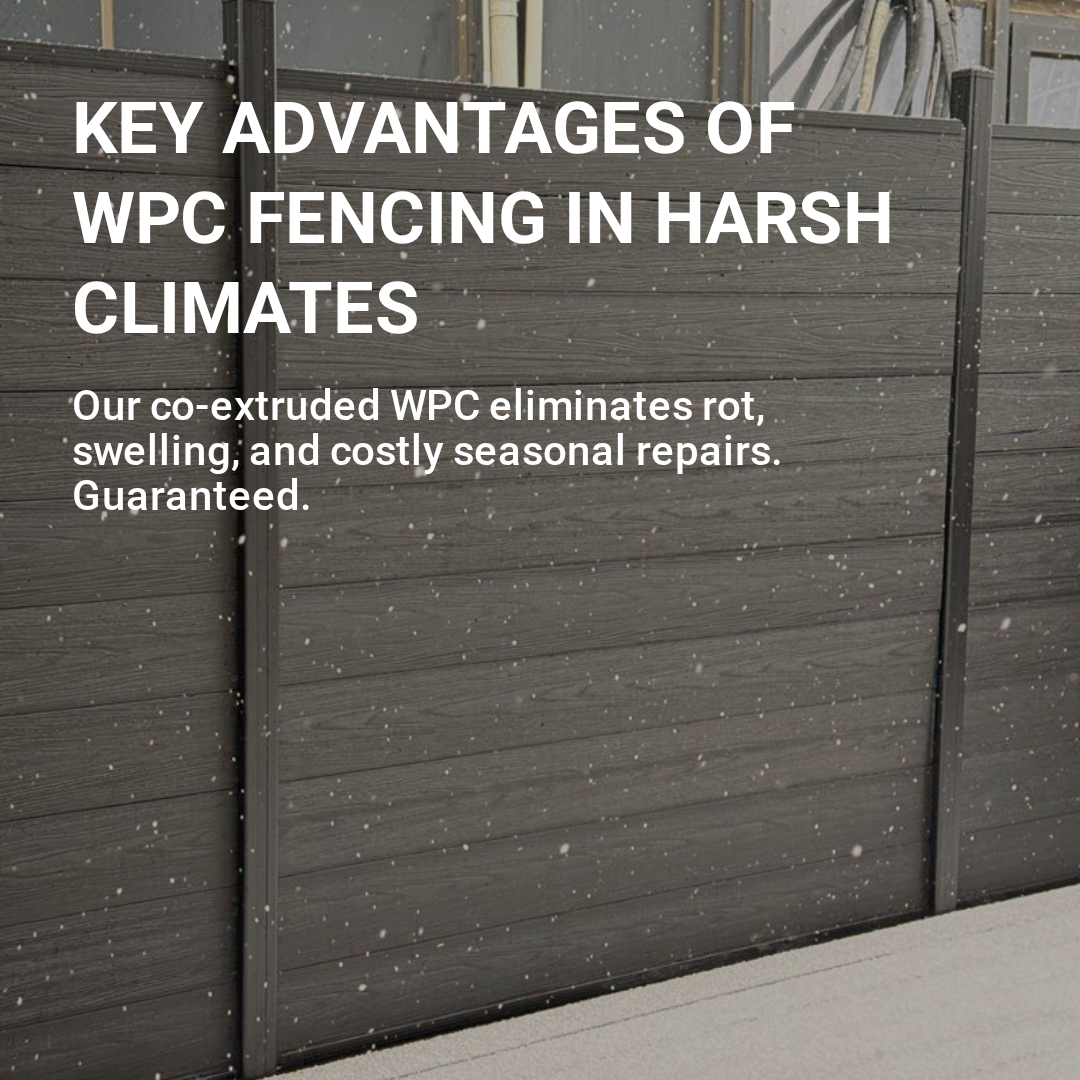
When extreme weather conditions threaten traditional fencing materials, property owners increasingly turn to innovative solutions that can withstand nature's harshest elements. Composite fencing has emerged as the premier choice for residential and commercial applications where durability, longevity, and performance matter most. Unlike conventional wood or metal alternatives, composite fencing combines advanced polymer technology with recycled materials to create barriers that excel in challenging environmental conditions. The unique composition of these fencing systems provides exceptional resistance to temperature fluctuations, moisture penetration, and structural degradation that commonly affects traditional materials.
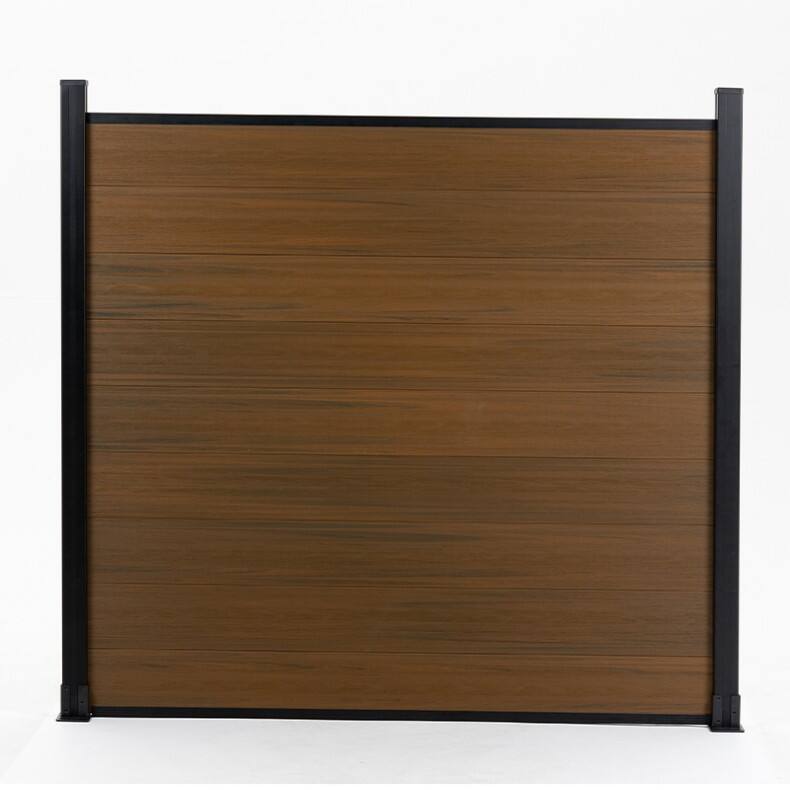
Understanding Composite Fencing Materials and Construction
Advanced Polymer Technology
Modern composite fencing utilizes cutting-edge polymer science to create materials that surpass traditional options in multiple performance categories. The manufacturing process involves combining high-density polyethylene, recycled wood fibers, and specialized additives that enhance weather resistance and structural integrity. This sophisticated blend results in panels that maintain dimensional stability across extreme temperature ranges while resisting the warping, cracking, and splitting commonly associated with natural wood products. The polymer matrix creates a protective shell around organic components, preventing moisture infiltration and biological degradation that typically compromise conventional fencing materials over time.
The molecular structure of quality composite fencing incorporates ultraviolet inhibitors and color stabilizers that prevent fading and surface deterioration under intense solar exposure. These engineered materials demonstrate superior performance in coastal environments where salt spray, high humidity, and temperature cycling create particularly demanding conditions. The non-porous surface characteristics of composite materials eliminate the need for regular sealing, staining, or protective coating applications that wooden fences require to maintain weather resistance and aesthetic appeal in harsh climate zones.
Structural Engineering Principles
The design of composite fencing systems incorporates advanced structural engineering principles that optimize load distribution and flexibility under environmental stress. The hollow or foam-filled core construction provides excellent strength-to-weight ratios while allowing for thermal expansion and contraction without compromising panel integrity. This engineered approach enables composite fencing to handle wind loads, ground movement, and temperature-induced dimensional changes that often cause traditional materials to fail or require frequent repairs in challenging climates.
Installation techniques for composite fencing have evolved to accommodate the unique properties of these materials, including specialized fastening systems that prevent thermal bridging and allow for natural movement cycles. The modular design philosophy enables easy replacement of individual components without affecting adjacent sections, reducing long-term maintenance costs and improving overall system resilience. Professional installers understand the importance of proper spacing, drainage considerations, and foundation requirements that maximize the performance advantages of composite materials in extreme weather environments.
Superior Weather Resistance Characteristics
Moisture and Humidity Performance
Composite fencing demonstrates exceptional resistance to moisture-related degradation that commonly destroys wooden alternatives in high-humidity and wet climate conditions. The non-absorbent nature of quality composite materials prevents water penetration that leads to rot, mold growth, and structural weakness in organic fencing products. This moisture resistance extends to freeze-thaw cycles where absorbed water can cause catastrophic cracking and splitting in traditional materials, making composite fencing particularly valuable in regions experiencing harsh winter conditions and dramatic temperature swings.
The surface texture and composition of composite fencing materials resist algae and moss growth that can create slip hazards and aesthetic problems on other fencing types. The smooth, sealed surface prevents organic matter accumulation while maintaining easy cleaning characteristics that restore original appearance with minimal effort. In coastal environments where salt-laden moisture creates particularly corrosive conditions, composite fencing maintains structural integrity and appearance far longer than metal or wood alternatives that suffer from accelerated corrosion and decay processes.
Temperature Stability and Thermal Performance
The thermal performance of composite fencing surpasses traditional materials through engineered coefficients of expansion that minimize dimensional changes across extreme temperature ranges. While wooden fences can warp, split, or pull away from fasteners during heating and cooling cycles, composite materials maintain consistent dimensions and alignment. This thermal stability proves particularly valuable in desert climates where daily temperature swings can exceed fifty degrees Fahrenheit, creating enormous stress on conventional fencing systems that lack engineered thermal accommodation.
The color retention properties of quality composite fencing materials resist fading and chalking under intense ultraviolet exposure that quickly degrades painted or stained surfaces on traditional alternatives. Advanced pigmentation systems and surface treatments ensure that composite fencing maintains its original appearance for decades without requiring refinishing or protective treatments. This UV resistance extends beyond aesthetic considerations to include structural protection, as surface degradation in other materials often leads to moisture infiltration and accelerated deterioration in harsh climate applications.
Long-Term Durability and Maintenance Advantages
Reduced Maintenance Requirements
The maintenance advantages of composite fencing become particularly pronounced in harsh climate conditions where traditional materials require frequent attention to maintain functionality and appearance. Unlike wooden fencing that demands regular staining, sealing, and board replacement, composite fencing requires only periodic cleaning with soap and water to maintain optimal performance and aesthetic appeal. This dramatic reduction in maintenance requirements translates to significant cost savings over the lifespan of the fencing system, especially in challenging environments where maintenance activities become more difficult and expensive.
The absence of maintenance-intensive components like hinges, latches, and hardware that require regular lubrication and adjustment makes composite fencing particularly attractive for commercial and industrial applications. The integrated design approach eliminates many potential failure points while providing consistent performance across varying environmental conditions. Property managers and facility operators appreciate the predictable performance characteristics that enable accurate budget planning and reduced emergency repair requirements associated with weather-related fencing failures.
Extended Service Life Performance
Quality composite fencing systems demonstrate service lives that frequently exceed twenty-five years in harsh climate conditions where traditional materials might require replacement every five to ten years. This extended durability results from the inherent stability of polymer-based materials that resist the biological, chemical, and physical degradation processes that limit the lifespan of organic and metal alternatives. The consistent performance characteristics throughout the service life eliminate the gradual deterioration curve associated with conventional fencing materials that lose structural integrity and aesthetic appeal over time.
The recyclability of composite fencing materials adds another dimension to their long-term value proposition, as end-of-life products can be reprocessed into new fencing components or other applications. This sustainability aspect becomes increasingly important for organizations and individuals seeking environmentally responsible solutions that minimize waste generation and resource consumption. The combination of extended service life, minimal maintenance requirements, and recyclability creates a compelling economic and environmental case for composite fencing in demanding climate applications.
Environmental and Economic Benefits
Sustainability and Resource Conservation
The environmental benefits of composite fencing extend beyond individual property applications to include broader resource conservation and waste reduction impacts. Many composite fencing products incorporate significant percentages of recycled materials, including post-consumer plastics and reclaimed wood fibers that would otherwise contribute to landfill waste streams. This recycled content approach reduces demand for virgin materials while providing beneficial use for waste products, creating a circular economy model that supports environmental sustainability goals.
The elimination of chemical treatments required for wooden fencing preservation removes potential soil and groundwater contamination sources while reducing the environmental impact of manufacturing and maintenance activities. Composite fencing production processes typically generate fewer harmful emissions and waste byproducts compared to traditional pressure-treated lumber manufacturing that requires toxic preservatives and intensive chemical processing. The longer service life of composite fencing materials also reduces the environmental impact associated with frequent replacement cycles that characterize less durable alternatives in harsh climate applications.
Total Cost of Ownership Analysis
The economic advantages of composite fencing become most apparent through comprehensive total cost of ownership analysis that includes initial investment, maintenance expenses, replacement costs, and property value impacts over extended time periods. While the upfront cost of composite fencing typically exceeds traditional wooden alternatives, the reduced maintenance requirements and extended service life often result in lower total ownership costs, particularly in harsh climate environments where conventional materials require frequent attention and early replacement.
The consistent appearance and structural integrity of composite fencing throughout its service life helps maintain property values and aesthetic appeal that can deteriorate rapidly with poorly maintained conventional fencing systems. Commercial properties particularly benefit from the professional appearance and reliable performance that composite fencing provides without the ongoing maintenance scheduling and expense associated with traditional materials. The predictable performance characteristics enable accurate long-term budget planning while eliminating unexpected repair and replacement costs that can strain facility management budgets.
Installation and Design Flexibility
Adaptability to Challenging Terrain
The lightweight yet durable characteristics of composite fencing enable installation in challenging terrain and soil conditions where heavier materials might require extensive site preparation or specialized foundation systems. The modular design approach allows for easy adaptation to slopes, curves, and irregular property boundaries while maintaining consistent appearance and structural integrity. This installation flexibility proves particularly valuable in harsh climate regions where rocky, frozen, or unstable soil conditions can complicate traditional fencing installation processes.
The expansion and contraction characteristics of composite fencing materials accommodate ground movement and settling that commonly occurs in regions subject to freeze-thaw cycles, seismic activity, or expansive soil conditions. The engineered fastening systems and connection methods allow for natural movement without compromising structural integrity or creating gaps that might compromise privacy or security functions. Professional installers can optimize foundation designs and installation techniques to maximize the performance advantages of composite fencing in specific soil and climate conditions.
Aesthetic Design Options
Modern composite fencing offers extensive design flexibility through various colors, textures, and profile options that complement different architectural styles and landscape designs. The manufacturing process enables realistic wood grain textures and natural color variations that provide the aesthetic appeal of traditional materials without the associated maintenance and durability limitations. This design versatility allows property owners to achieve desired visual effects while benefiting from the superior performance characteristics of engineered materials.
The color stability and surface finish durability of composite fencing materials ensure that initial design choices remain attractive throughout the service life of the installation. The ability to mix different heights, styles, and accent features within a single composite fencing system provides creative opportunities for landscape architects and designers while maintaining consistent performance standards across all components. The availability of matching gate hardware and accessories enables complete system integration that maintains both functional and aesthetic continuity throughout complex fencing installations.
Frequently Asked Questions
How does composite fencing perform in extreme temperature conditions
Composite fencing demonstrates exceptional performance across extreme temperature ranges due to its engineered thermal properties and dimensional stability. The polymer-based materials resist warping, cracking, and splitting that commonly affect wooden fences during heating and cooling cycles. Quality composite fencing maintains structural integrity and appearance from subzero winter conditions to desert heat extremes, making it ideal for regions experiencing dramatic seasonal temperature variations. The thermal expansion characteristics are engineered to accommodate natural movement without compromising connections or creating structural problems.
What maintenance is required for composite fencing in harsh climates
Composite fencing requires minimal maintenance even in the harshest climate conditions, typically needing only periodic cleaning with soap and water to maintain optimal appearance and performance. Unlike wooden fencing that requires regular staining, sealing, and board replacement, composite materials resist moisture penetration, UV degradation, and biological attack without protective treatments. The non-porous surface prevents algae and mold growth while resisting staining from environmental contaminants. Occasional inspection of fasteners and hardware ensures long-term structural integrity, but the composite panels themselves require no ongoing maintenance treatments.
How long does composite fencing last compared to traditional materials
Quality composite fencing systems typically provide service lives exceeding twenty-five years in harsh climate conditions where traditional wooden fencing might require replacement every five to ten years. The polymer-based construction resists the biological decay, moisture damage, and structural degradation that limits the lifespan of organic materials. Metal fencing may last longer than wood but often suffers from corrosion and paint failure that requires ongoing maintenance. Composite fencing maintains both structural integrity and aesthetic appeal throughout its extended service life without the gradual deterioration characteristic of conventional alternatives.
Is composite fencing cost-effective for harsh climate applications
While composite fencing typically requires higher initial investment than traditional wooden alternatives, the total cost of ownership often favors composite materials in harsh climate applications due to reduced maintenance expenses and extended service life. The elimination of regular staining, sealing, and board replacement costs, combined with the longer replacement cycle, frequently results in lower lifetime costs for composite fencing systems. The consistent performance and appearance throughout the service life also helps maintain property values while eliminating unexpected repair expenses that can strain budgets. Commercial applications particularly benefit from the predictable performance characteristics that enable accurate long-term planning.