
 EN
EN
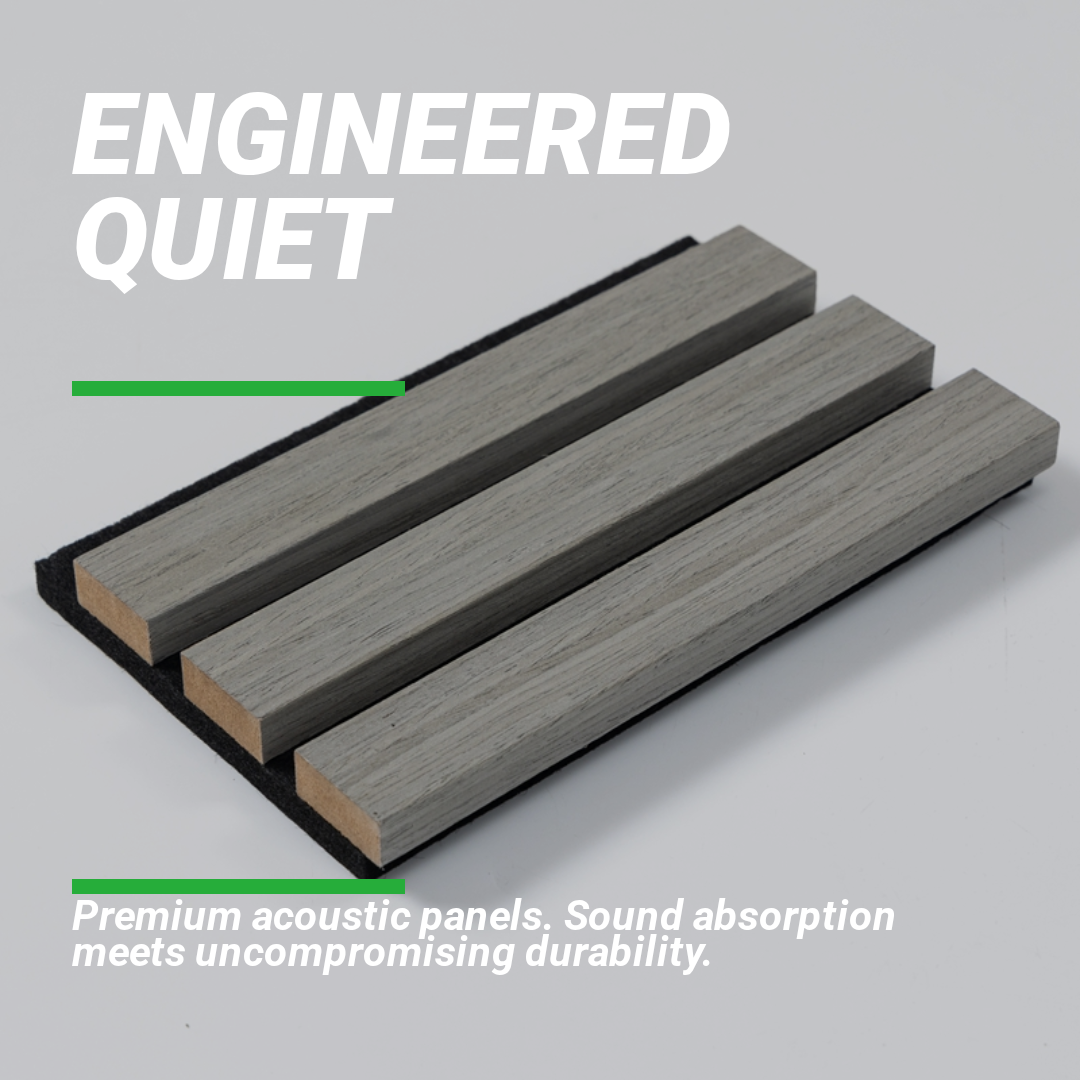
Proper maintenance of acoustic panels is essential for preserving their sound-absorbing properties and aesthetic appeal over time. Whether installed in recording studios, offices, theaters, or residential spaces, these specialized wall treatments require regular care to maintain their effectiveness. Understanding the correct maintenance procedures not only extends the lifespan of your investment but also ensures optimal acoustic performance throughout their operational life. Regular upkeep prevents the accumulation of dust, moisture damage, and structural deterioration that can compromise both functionality and appearance.
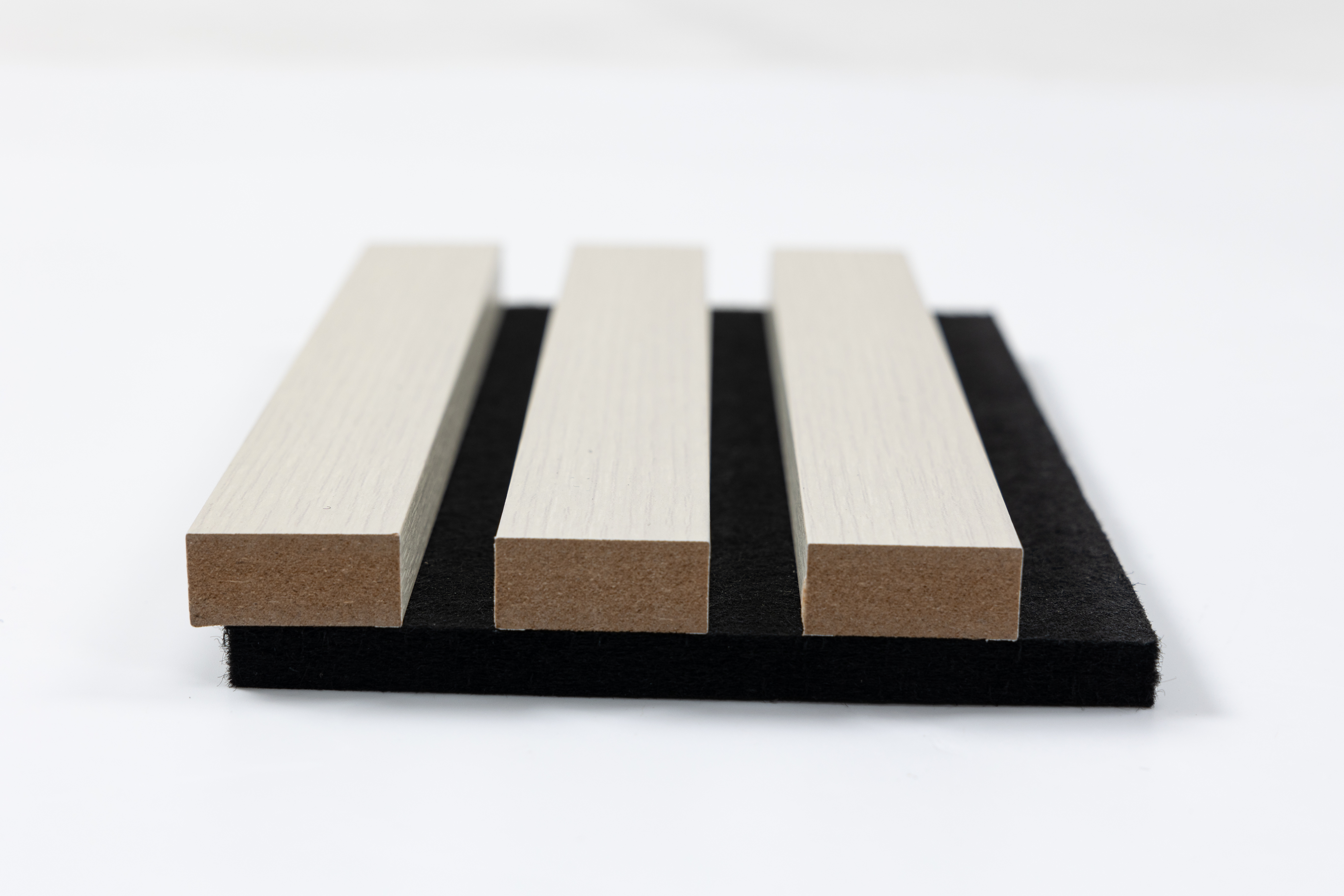
Understanding Acoustic Panel Construction and Materials
Core Materials and Their Maintenance Needs
Different types of acoustic panels require specific maintenance approaches based on their core materials. Foam-based panels, mineral wool panels, and fabric-wrapped fiberglass panels each present unique challenges and maintenance requirements. Foam panels are typically more susceptible to dust accumulation and UV degradation, requiring gentle cleaning methods to preserve their cellular structure. The porous nature of these materials makes them effective sound absorbers but also creates spaces where contaminants can settle.
Mineral wool and fiberglass core panels offer superior durability but require careful handling during maintenance to prevent fiber release. These materials maintain their acoustic properties longer than foam alternatives but need protection from moisture infiltration. Understanding your panel's construction helps determine the appropriate cleaning frequency, methods, and protective measures necessary for long-term performance maintenance.
Surface Finishes and Protection Systems
The surface finish of acoustic panels significantly impacts maintenance requirements and longevity. Fabric-wrapped panels need regular vacuuming and occasional deep cleaning to remove embedded particles that can affect both appearance and acoustic performance. Perforated metal or wood surfaces require different approaches, focusing on preventing oxidation or moisture damage while maintaining the precise hole patterns critical for sound transmission.
Specialized coatings and treatments applied to acoustic panels can provide additional protection against stains, moisture, and microbial growth. These treatments often require specific maintenance products and techniques to preserve their protective properties. Regular inspection of surface finishes helps identify early signs of wear or damage that could compromise panel performance if left unaddressed.
Essential Maintenance Equipment and Supplies
Cleaning Tools and Equipment Selection
Selecting appropriate cleaning tools is crucial for maintaining acoustic panels without causing damage to their delicate surfaces or internal structures. Soft-bristled brushes, lint-free microfiber cloths, and low-suction vacuum cleaners with brush attachments form the foundation of proper panel maintenance. High-powered vacuums can damage foam structures or dislodge fibers from mineral wool panels, making tool selection critical for successful maintenance.
Compressed air systems provide effective dust removal for panels with intricate surface patterns or hard-to-reach areas. However, proper pressure settings and nozzle selection prevent damage to sensitive materials while ensuring thorough cleaning. Professional-grade equipment may be necessary for large installations or panels in high-dust environments where regular maintenance is particularly demanding.
Cleaning Solutions and Chemical Compatibility
Chemical compatibility between cleaning solutions and panel materials prevents deterioration and maintains acoustic performance. Mild, pH-neutral cleaners work best for most panel types, avoiding harsh chemicals that can break down foam structures or damage fabric finishes. Water-based solutions are generally safer than solvent-based alternatives, particularly for panels with synthetic cores or adhesive mounting systems.
Specialized acoustic panel cleaners address specific contamination issues while preserving material integrity. These products are formulated to remove common pollutants without affecting sound-absorbing properties or surface aesthetics. Always test cleaning solutions on inconspicuous areas before applying them to entire panel surfaces, ensuring compatibility and preventing widespread damage from inappropriate chemical selection.
Regular Cleaning Procedures and Techniques
Daily and Weekly Maintenance Routines
Establishing consistent daily and weekly maintenance routines prevents the accumulation of contaminants that can permanently damage acoustic panels. Daily visual inspections identify fresh stains, impact damage, or environmental changes that require immediate attention. Light dusting with microfiber cloths removes surface particles before they become embedded in panel materials, maintaining both appearance and acoustic effectiveness.
Weekly maintenance includes more thorough cleaning procedures such as gentle vacuuming with appropriate attachments and detailed inspection of mounting hardware. This routine identifies developing issues before they become serious problems requiring extensive repair or panel replacement. Consistent weekly care significantly extends panel lifespan while maintaining optimal acoustic performance throughout the installation's operational life.
Deep Cleaning Methods and Frequency
Deep cleaning procedures address embedded contaminants and restore acoustic panels to near-original condition when performed correctly. Monthly or quarterly deep cleaning schedules depend on environmental conditions, usage patterns, and contamination exposure levels. High-traffic areas or installations exposed to cooking odors, smoke, or industrial pollutants require more frequent deep cleaning to maintain effectiveness.
Professional deep cleaning techniques may involve steam cleaning, specialized extraction methods, or chemical treatments designed specifically for acoustic materials. These procedures require careful planning and execution to avoid damage while achieving thorough contamination removal. Proper drying techniques following deep cleaning prevent moisture-related problems that could compromise panel integrity or create conditions for microbial growth.
Environmental Control and Protection Strategies
Humidity and Temperature Management
Controlling environmental conditions significantly impacts acoustic panel longevity and maintenance requirements. Excessive humidity can cause dimensional changes, promote microbial growth, and degrade adhesives used in panel construction. Maintaining relative humidity between 30-50% prevents these issues while preserving material stability and acoustic performance over time.
Temperature fluctuations stress panel materials and mounting systems, potentially causing warping, cracking, or separation between components. Stable temperature conditions reduce thermal expansion and contraction cycles that can lead to premature failure. HVAC system design should consider acoustic panel locations to provide consistent environmental conditions that support long-term material integrity.
Air Quality and Filtration Systems
Air quality directly affects acoustic panel maintenance requirements and lifespan. High-efficiency particulate air filtration systems reduce airborne contaminants that would otherwise accumulate on panel surfaces. Improved air quality decreases cleaning frequency requirements while maintaining better acoustic performance and visual appearance throughout the installation's service life.
Ventilation design should prevent air stagnation around acoustic panels while avoiding excessive air velocity that could cause vibration or material stress. Balanced airflow patterns distribute environmental loads evenly across panel installations, preventing localized accumulation of contaminants or moisture that could compromise specific areas while leaving others unaffected.
Troubleshooting Common Issues and Repairs
Identifying and Addressing Damage Types
Early identification of acoustic panel damage allows for targeted repairs that restore functionality without complete replacement. Common damage types include surface staining, physical impact damage, moisture infiltration, and mounting system failure. Each damage type requires specific diagnostic approaches and repair techniques to achieve satisfactory restoration while maintaining acoustic performance standards.
Surface damage assessment involves examining both visible and hidden areas where deterioration might occur. Discoloration, texture changes, or dimensional alterations indicate developing problems that could worsen without intervention. Regular damage assessment protocols help facility managers prioritize maintenance resources and plan replacement schedules based on actual condition rather than arbitrary timeframes.
Professional Repair and Replacement Decisions
Determining when acoustic panel damage requires professional intervention versus in-house maintenance depends on severity, location, and potential safety implications. Structural damage, extensive contamination, or mounting system failure typically requires professional assessment and repair to ensure proper restoration and continued safety. Cost-benefit analysis helps determine whether repair or replacement provides better long-term value.
Professional repair services offer specialized knowledge, equipment, and materials unavailable to typical facility maintenance staff. These resources enable complex repairs that restore panels to original specifications while maintaining warranties and performance guarantees. Establishing relationships with qualified service providers ensures rapid response when professional intervention becomes necessary for critical installations.
FAQ
How often should acoustic panels be professionally cleaned
Professional cleaning frequency depends on environmental conditions and usage intensity, but most installations benefit from professional service every 6-12 months. High-traffic areas, spaces exposed to cooking or industrial processes, or locations with poor air filtration may require quarterly professional cleaning. Regular professional maintenance extends panel lifespan and maintains optimal acoustic performance while identifying potential issues before they become serious problems.
Can damaged acoustic panels be repaired or must they be replaced
Many types of acoustic panel damage can be successfully repaired using appropriate techniques and materials. Surface staining, minor physical damage, and mounting issues often respond well to professional repair services. However, extensive moisture damage, structural failure, or contamination with hazardous materials typically requires complete panel replacement. Professional assessment helps determine the most cost-effective approach for specific damage situations.
What environmental conditions cause the most damage to acoustic panels
High humidity levels above 60% create the most significant long-term damage to acoustic panels by promoting microbial growth, dimensional instability, and adhesive failure. Extreme temperature fluctuations, exposure to direct sunlight, and poor air quality with high particulate levels also contribute to accelerated deterioration. Maintaining stable environmental conditions within recommended ranges significantly extends panel lifespan and reduces maintenance requirements.
Are there specific cleaning products that should be avoided with acoustic panels
Avoid bleach-based cleaners, strong solvents, abrasive compounds, and high-pH cleaning solutions that can damage panel materials or finishes. Oil-based products can attract additional contamination and may not be compatible with foam or fabric surfaces. Always test any cleaning product on a small, inconspicuous area before applying it to entire panel surfaces, and consult manufacturer recommendations for approved cleaning methods and products.