
 EN
EN
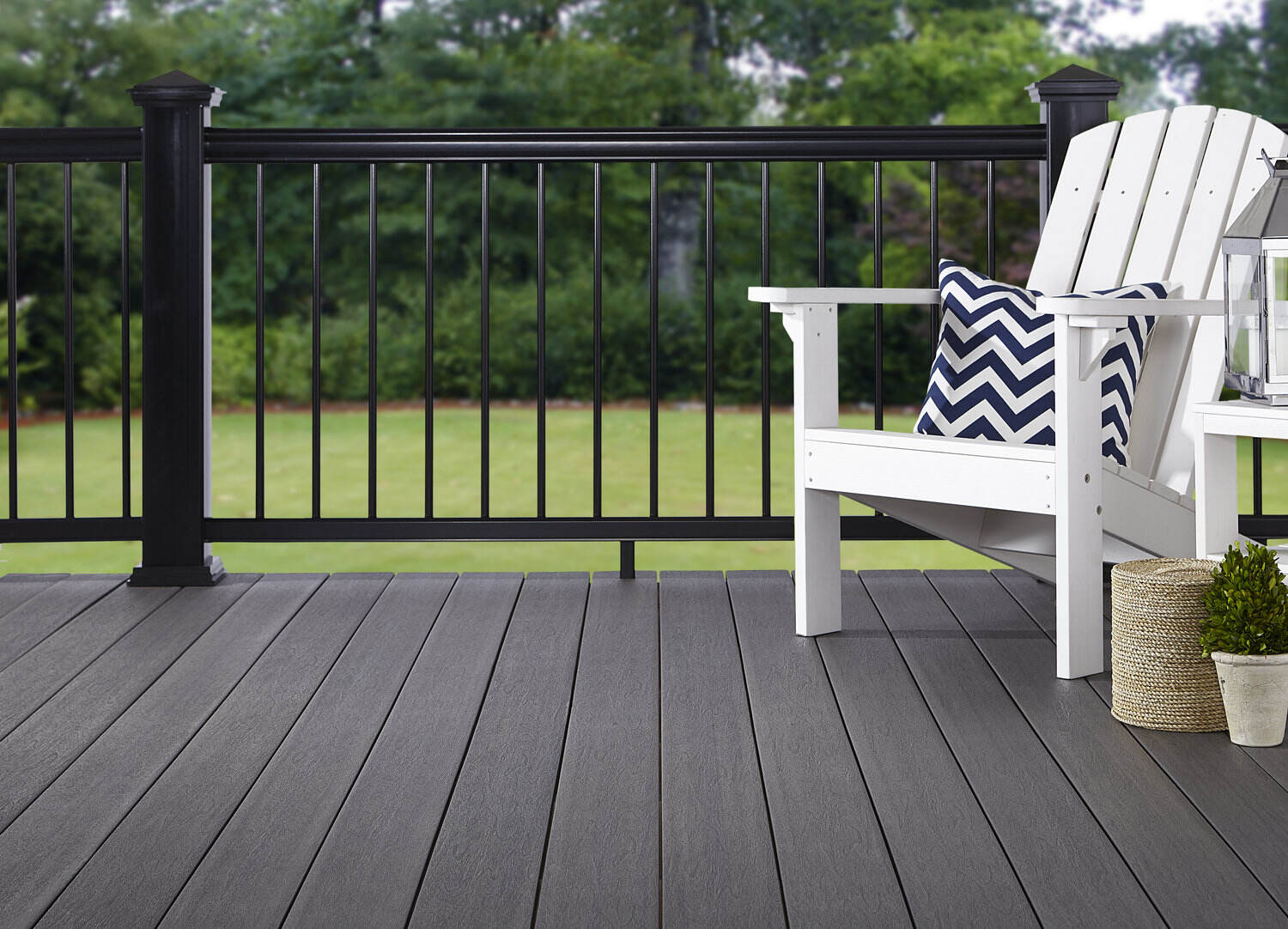
In high-traffic environments where safety and reliability are paramount, the implementation of robust protective barriers becomes a critical consideration for facility managers and safety engineers. Modern industrial zones, commercial complexes, and public spaces require comprehensive protection systems that can withstand constant exposure to environmental elements while maintaining their structural integrity over extended periods. The selection of appropriate barrier systems directly impacts both operational efficiency and long-term maintenance costs, making it essential to understand the fundamental characteristics that define truly effective protective installations.
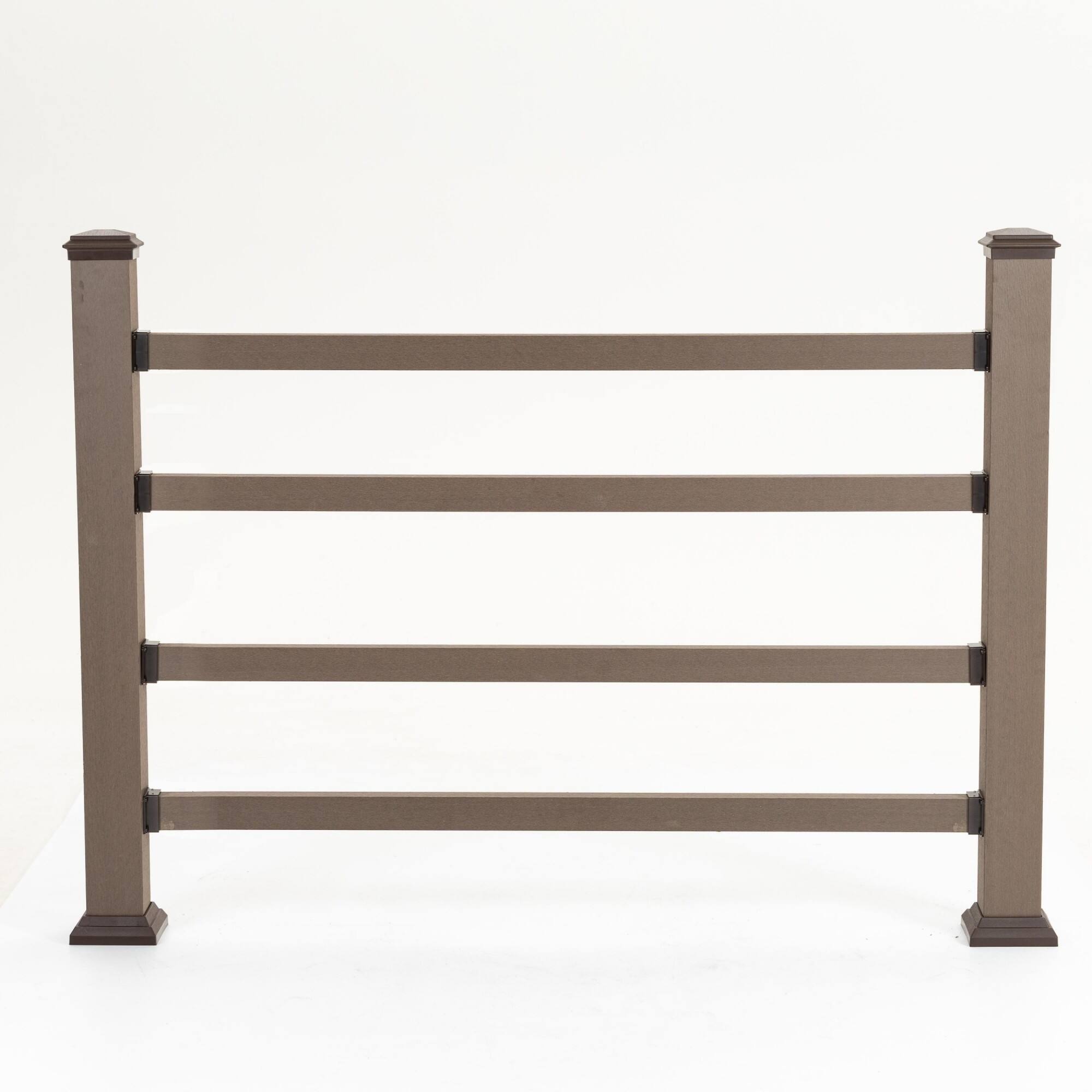
The evolution of protective barrier technology has led to significant advancements in material science and engineering design, resulting in solutions that offer superior performance characteristics compared to traditional alternatives. These modern systems incorporate advanced composite materials and innovative manufacturing processes to deliver enhanced durability, reduced maintenance requirements, and improved aesthetic appeal. Understanding these technological improvements helps facility managers make informed decisions that align with both immediate safety requirements and long-term operational objectives.
Material Science and Engineering Excellence
Advanced Composite Construction
Contemporary barrier systems utilize sophisticated composite materials that combine multiple components to achieve optimal performance characteristics. These engineered materials typically incorporate high-strength polymers, reinforcing fibers, and protective additives that work synergistically to create structures capable of withstanding extreme environmental conditions. The molecular structure of these composites provides inherent resistance to common degradation factors such as ultraviolet radiation, moisture penetration, and chemical exposure.
The manufacturing process for advanced composite barriers involves precise temperature and pressure control to ensure consistent material properties throughout the finished product. This controlled production environment eliminates many of the variables that can affect traditional material performance, resulting in more predictable and reliable long-term behavior. The uniform distribution of reinforcing elements within the composite matrix creates a homogeneous structure that maintains its mechanical properties even under severe loading conditions.
Weather Resistance and Environmental Durability
High-traffic zones often expose protective barriers to challenging environmental conditions that can accelerate material degradation if proper selection criteria are not applied. Durable guardrails designed for these applications incorporate specialized additives and surface treatments that provide exceptional resistance to weathering effects. These protective measures ensure that the barrier systems maintain their structural integrity and appearance even after years of exposure to harsh outdoor conditions.
The thermal stability of advanced barrier materials prevents dimensional changes that could compromise installation tolerances or create safety hazards. Unlike traditional materials that may expand, contract, or warp significantly with temperature variations, modern composite systems maintain stable dimensions across a wide temperature range. This dimensional stability is particularly important in applications where precise alignment and consistent spacing between barrier elements are critical for proper function.
Installation and Maintenance Advantages
Streamlined Installation Processes
Modern barrier systems are engineered with installation efficiency in mind, incorporating design features that simplify the construction process while ensuring secure and reliable connections. Precision-manufactured components fit together with minimal adjustment requirements, reducing installation time and labor costs. The lightweight nature of composite materials also facilitates easier handling and positioning during installation, particularly in challenging or confined work environments.
The modular design approach employed in contemporary barrier systems allows for flexible configuration options that can accommodate various site conditions and geometric requirements. Standard components can be combined in different arrangements to create custom layouts that match specific project needs without requiring extensive modification or custom fabrication. This modularity also simplifies future expansion or reconfiguration efforts should site requirements change over time.
Reduced Maintenance Requirements
One of the most significant advantages of modern durable guardrails lies in their minimal maintenance requirements compared to traditional barrier systems. The inherent properties of advanced composite materials eliminate many of the maintenance tasks associated with conventional materials, such as regular painting, rust treatment, or structural reinforcement. This reduction in maintenance activity translates directly into lower long-term ownership costs and reduced operational disruption.
The non-porous surface characteristics of quality composite barriers prevent the accumulation of dirt, debris, and biological growth that can compromise both appearance and function. Routine cleaning typically requires only basic washing with standard cleaning solutions, and the material does not require protective coatings or treatments to maintain its performance characteristics. This simplified maintenance approach allows facility staff to focus resources on other critical operational areas.
Safety Performance and Compliance
Structural Integrity Under Load
The primary function of any protective barrier system is to provide reliable containment and protection under various loading conditions. Durable guardrails designed for high-traffic applications must demonstrate consistent performance when subjected to both static and dynamic loads that may occur during normal operations or emergency situations. Advanced engineering analysis and testing protocols ensure that these systems meet or exceed applicable safety standards while providing appropriate safety margins for unexpected loading scenarios.
The elastic properties of modern composite materials provide superior impact absorption compared to rigid traditional materials, helping to minimize injury potential in collision scenarios. This energy-absorbing capability is particularly valuable in pedestrian areas where accidental contact with barrier systems may occur. The controlled deformation characteristics of these materials allow them to absorb impact energy while maintaining sufficient residual strength to continue providing protection.
Compliance with Safety Standards
Contemporary barrier systems are developed in accordance with established safety codes and industry standards that specify minimum performance requirements for various applications. These standards address factors such as load capacity, height requirements, spacing limitations, and connection details to ensure consistent safety performance across different installations. Compliance with recognized standards also facilitates the approval process with regulatory authorities and insurance providers.
Regular testing and certification programs verify that durable guardrails continue to meet applicable standards throughout their service life. Independent testing laboratories conduct comprehensive evaluations that simulate real-world loading conditions and environmental exposure to validate long-term performance predictions. This ongoing verification process provides confidence that installed systems will continue to provide reliable protection over their intended service life.
Economic Considerations and Value Analysis
Initial Investment and Long-term Value
While the initial cost of premium barrier systems may exceed that of basic alternatives, a comprehensive economic analysis typically reveals significant long-term value advantages. The extended service life, reduced maintenance requirements, and superior performance characteristics of durable guardrails result in lower total cost of ownership over the system's operational lifetime. This economic advantage becomes more pronounced in high-traffic environments where maintenance accessibility and operational disruption costs are significant factors.
The predictable performance characteristics of quality barrier systems also facilitate more accurate lifecycle cost planning and budgeting. Unlike traditional materials that may require unpredictable replacement or repair activities, modern composite systems provide consistent performance throughout their rated service life. This predictability allows facility managers to develop more accurate long-term maintenance budgets and avoid unexpected capital expenditures.
Risk Management and Liability Considerations
The implementation of high-quality protective barrier systems serves as an important risk management tool that can help reduce potential liability exposure associated with safety incidents. Durable guardrails that consistently meet or exceed safety standards provide documented evidence of appropriate due diligence in protecting facility users and visitors. This documentation can be valuable in demonstrating compliance with safety obligations and industry best practices.
Insurance providers often recognize the risk reduction benefits associated with quality safety installations through reduced premium rates or improved coverage terms. The lower incident rates typically associated with properly designed and maintained barrier systems translate into reduced claims experience and improved risk profiles. These insurance benefits can partially offset the initial investment costs while providing ongoing operational savings.
FAQ
What factors should be considered when selecting barrier systems for high-traffic areas
The selection of appropriate barrier systems requires evaluation of multiple factors including expected traffic volume, environmental conditions, load requirements, maintenance accessibility, and aesthetic considerations. Material properties such as impact resistance, weather durability, and dimensional stability are critical performance characteristics that directly affect long-term reliability. Additionally, compliance with applicable safety codes and standards must be verified to ensure proper protection levels and regulatory approval.
How do composite materials compare to traditional barrier materials in terms of performance
Modern composite materials offer several performance advantages over traditional alternatives including superior weather resistance, reduced maintenance requirements, improved impact absorption, and consistent dimensional stability. These materials typically demonstrate better long-term durability under challenging environmental conditions while maintaining their structural and aesthetic properties throughout their service life. The engineering flexibility of composite materials also allows for optimized designs that may not be achievable with conventional materials.
What maintenance activities are typically required for modern barrier systems
Contemporary durable guardrails require minimal routine maintenance compared to traditional systems, with most activities limited to periodic cleaning and visual inspection. The non-corrosive nature of quality composite materials eliminates the need for protective coatings, rust treatment, or structural reinforcement that may be required with metal systems. Regular inspection schedules should focus on connection integrity, surface condition, and any signs of damage that might affect performance capabilities.
How can facility managers justify the investment in premium barrier systems
The justification for premium barrier systems typically involves lifecycle cost analysis that considers initial investment, maintenance expenses, replacement frequency, and operational disruption costs. Quality systems often demonstrate superior total cost of ownership despite higher initial costs due to extended service life and reduced maintenance requirements. Additional benefits such as improved safety performance, reduced liability exposure, and potential insurance savings should also be included in comprehensive economic evaluations.
Table of Contents
- Material Science and Engineering Excellence
- Installation and Maintenance Advantages
- Safety Performance and Compliance
- Economic Considerations and Value Analysis
-
FAQ
- What factors should be considered when selecting barrier systems for high-traffic areas
- How do composite materials compare to traditional barrier materials in terms of performance
- What maintenance activities are typically required for modern barrier systems
- How can facility managers justify the investment in premium barrier systems