
 EN
EN
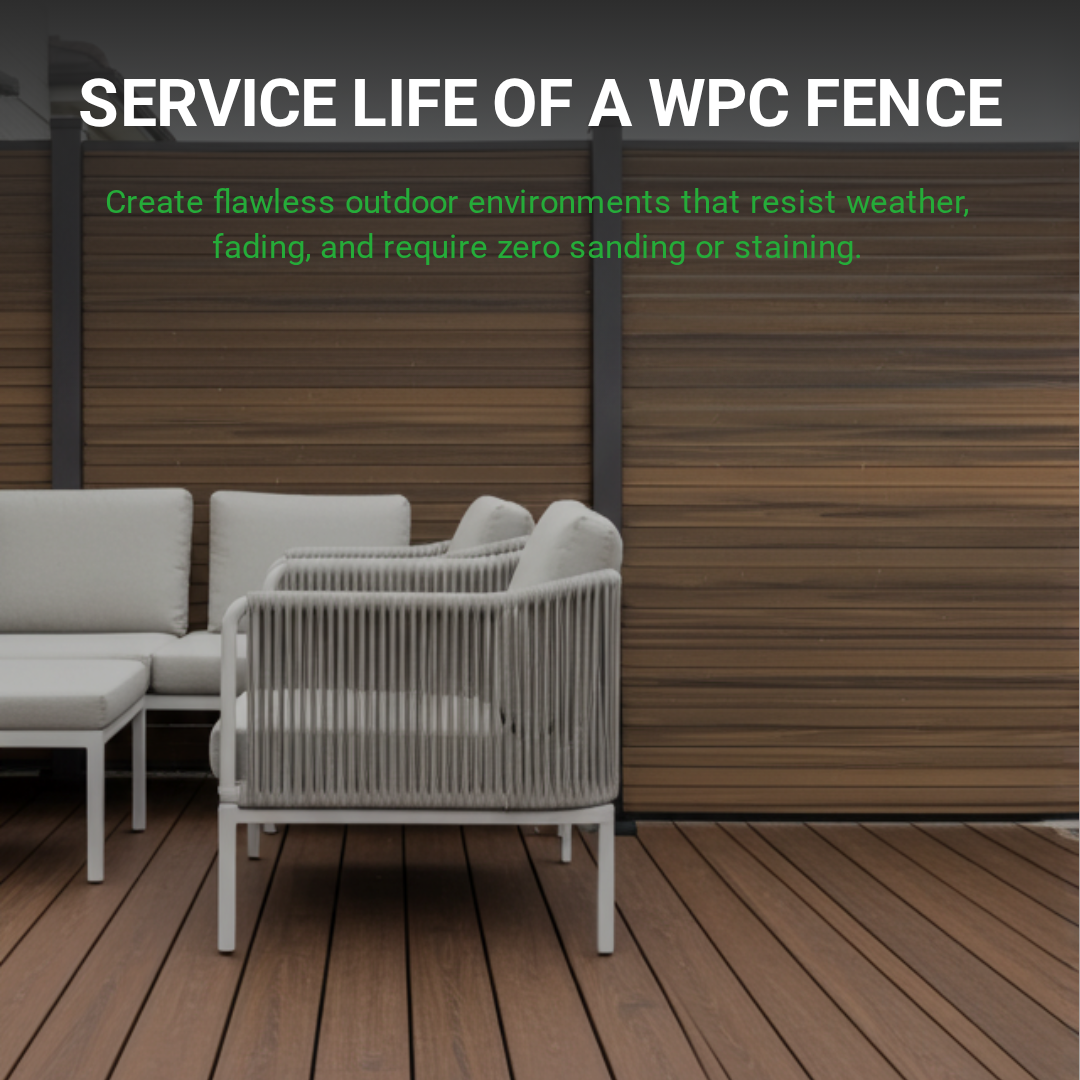
A composite fence (WPC fence) is built for long-term performance. It combines wood fibers and polymer materials to create a fencing system that resists weather, requires minimal maintenance, and maintains a consistent appearance over decades.
Compared to traditional materials, composite fencing solves the core problems: rot, warping, repainting, and short lifespan. The result is a system designed for efficiency and durability—not constant upkeep.
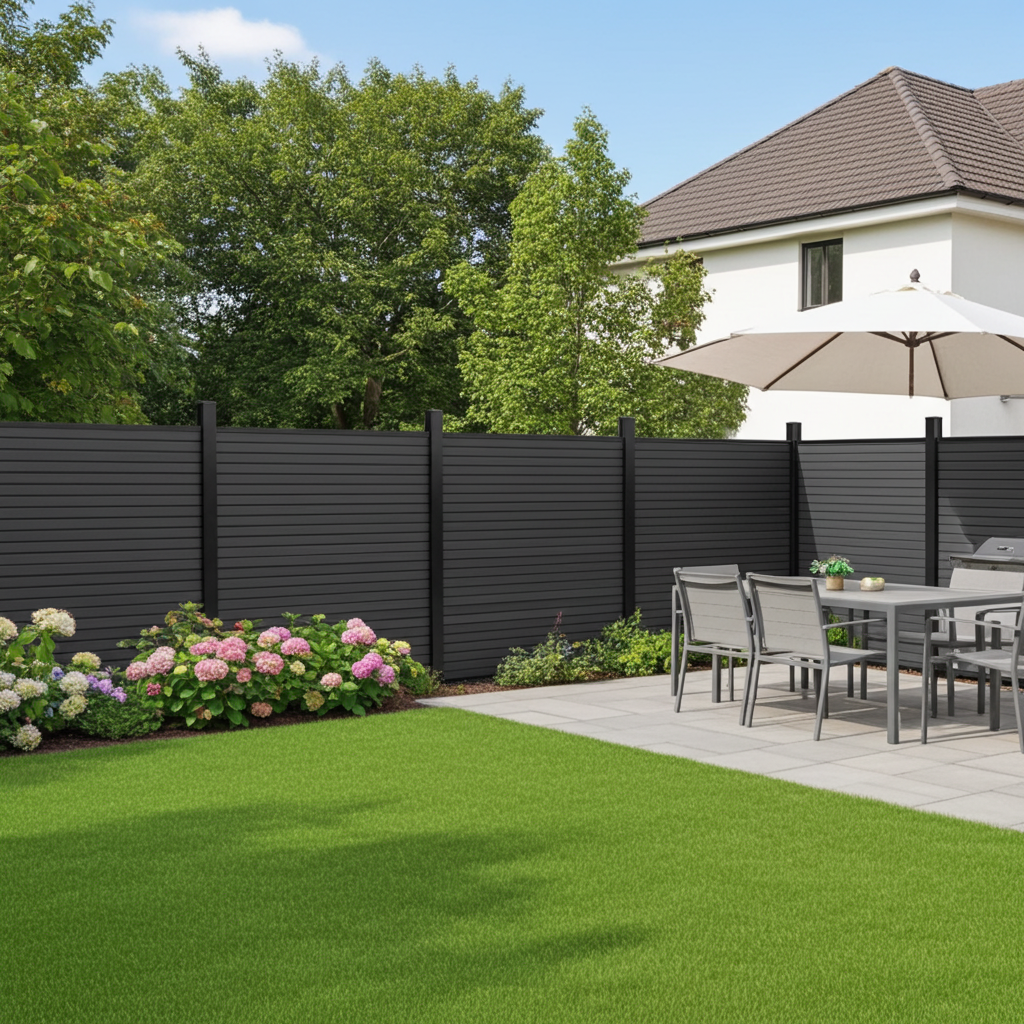
What Defines a High-Quality Composite Fence (WPC)
Not all composite fencing is equal. Performance depends on material composition and manufacturing quality.
A high-performance composite fence includes:
- High wood fiber density for structural strength
- High polymer content for moisture resistance
- UV stabilizers to reduce fading
Low-quality composite reduces polymer content, which leads to:
- Cracking surfaces
- Faster color fading
- Reduced lifespan
Consistency in manufacturing is critical. Uniform boards and panels ensure structural reliability across the entire fence.
Composite Fence Panels vs Boards
Composite Fence Panels
- Faster to install
- Factory-controlled consistency
- Ideal for large projects
Composite Fence Boards
- More flexible design options
- Suitable for custom layouts
- Requires more precise installation
For most applications, panels improve speed and reduce installation errors, while boards allow more design control.
Structural Performance of Composite Fence
Weather Resistance
Composite fencing is engineered to resist:
- UV exposure
- Moisture absorption
- Temperature changes
Structural Stability
Unlike wood fencing:
- No warping
- No insect damage
- No rot
Lifespan
- Standard composite fence: 20–25 years
- High-quality systems: 25–30+ years
The key variable is material quality and proper installation.
Composite Fence Installation: Critical Factors
Installation determines whether the fence performs as expected.
Post Spacing
- Typical spacing: 1.8m–2.4m
- Too wide: panels flex
- Too narrow: unnecessary cost
Foundation Depth
- Minimum depth: one-third of post height
- Concrete base required for stability
Expansion Gaps
Composite expands slightly in heat. Without spacing:
- Panels can bow
- Fasteners may loosen
Hardware Selection
Use corrosion-resistant fasteners to prevent long-term degradation.
Where Composite Fence Performs Best
Residential Privacy Fencing
- Clean appearance
- No repainting or sealing
- Long-term cost efficiency
Commercial Applications
- Uniform look across large areas
- Reduced maintenance costs
- Consistent structural performance
High-Moisture Environments
- No rot or decay
- Reliable in coastal or humid climates
Composite Fence vs Wood Fence
Wood Fence
- Lower initial cost
- Requires regular maintenance
- Lifespan: 8–12 years
Composite Fence
- Higher upfront cost
- Minimal maintenance
- Lifespan: 25+ years
Over time, composite fencing reduces total cost due to lower maintenance and replacement frequency.
Composite Fence vs Vinyl Fence
Vinyl Fence
- Lower cost
- Can become brittle over time
- Less natural appearance
Composite Fence
- Stronger structure
- More realistic wood-like finish
- Better long-term durability
Design Strategy for Composite Fence
Layout Direction
- Horizontal: modern, clean look
- Vertical: traditional and widely used
Color Selection
Neutral tones offer better long-term consistency:
- Charcoal
- Teak
- Walnut
Height Selection
- 1.8m: standard privacy
- 2.0m+: maximum coverage
Design should balance privacy, aesthetics, and structural efficiency.
Composite Fence Maintenance
Composite fencing eliminates most maintenance requirements.
Required
- Occasional cleaning with water
Not Required
- Painting
- Sealing
- Staining
Minimal upkeep is one of the main long-term advantages.
Common Mistakes to Avoid
Choosing Low-Quality Materials
Lower-grade composite leads to early failure.
Poor Installation
Incorrect spacing or weak foundations reduce lifespan.
Ignoring UV Resistance
Results in visible fading over time.
Focusing Only on Initial Cost
Short-term savings often lead to higher long-term expenses.
Bottom Line
A composite fence (WPC) is a long-term solution designed for durability, efficiency, and consistent performance. When material quality and installation are handled correctly, it delivers:
- 25+ years lifespan
- Minimal maintenance
- Stable, modern appearance
For projects that prioritize long-term value over short-term cost, composite fencing is the most effective option available.
Table of Contents
- What Defines a High-Quality Composite Fence (WPC)
- Composite Fence Panels vs Boards
- Structural Performance of Composite Fence
- Composite Fence Installation: Critical Factors
- Where Composite Fence Performs Best
- Composite Fence vs Wood Fence
- Composite Fence vs Vinyl Fence
- Design Strategy for Composite Fence
- Composite Fence Maintenance
- Common Mistakes to Avoid
- Bottom Line