
 EN
EN
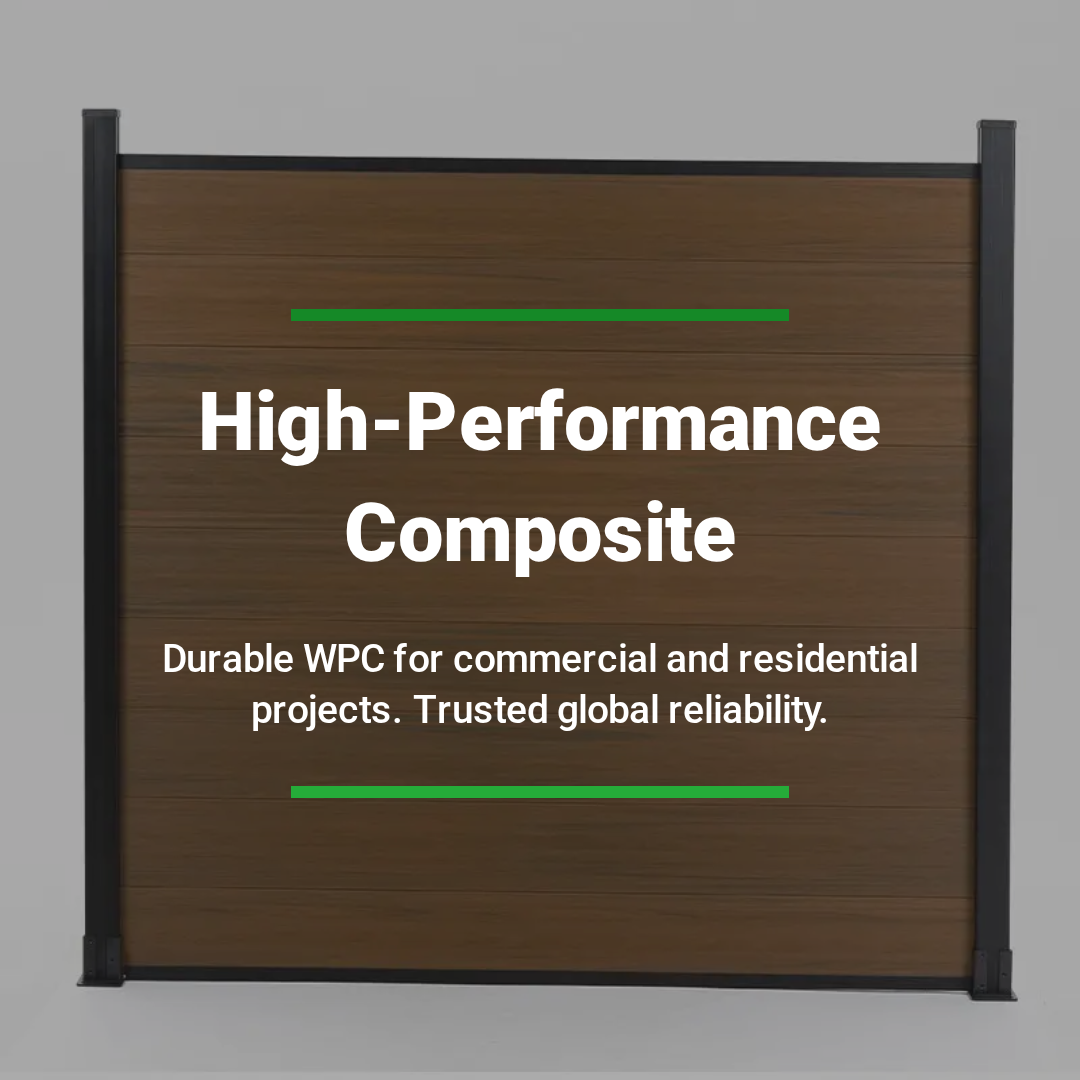
A composite fence is one of the most efficient ways to build a durable, modern, and low-maintenance boundary around your property. Unlike traditional materials, composite fencing combines engineered performance with clean aesthetics—making it a preferred choice for homeowners and developers who want long-term value without constant upkeep.
At Treslam, the focus is simple: materials that perform under pressure, last for decades, and eliminate unnecessary maintenance. This guide breaks down everything you need to know about composite fencing—from materials and costs to installation and design decisions.
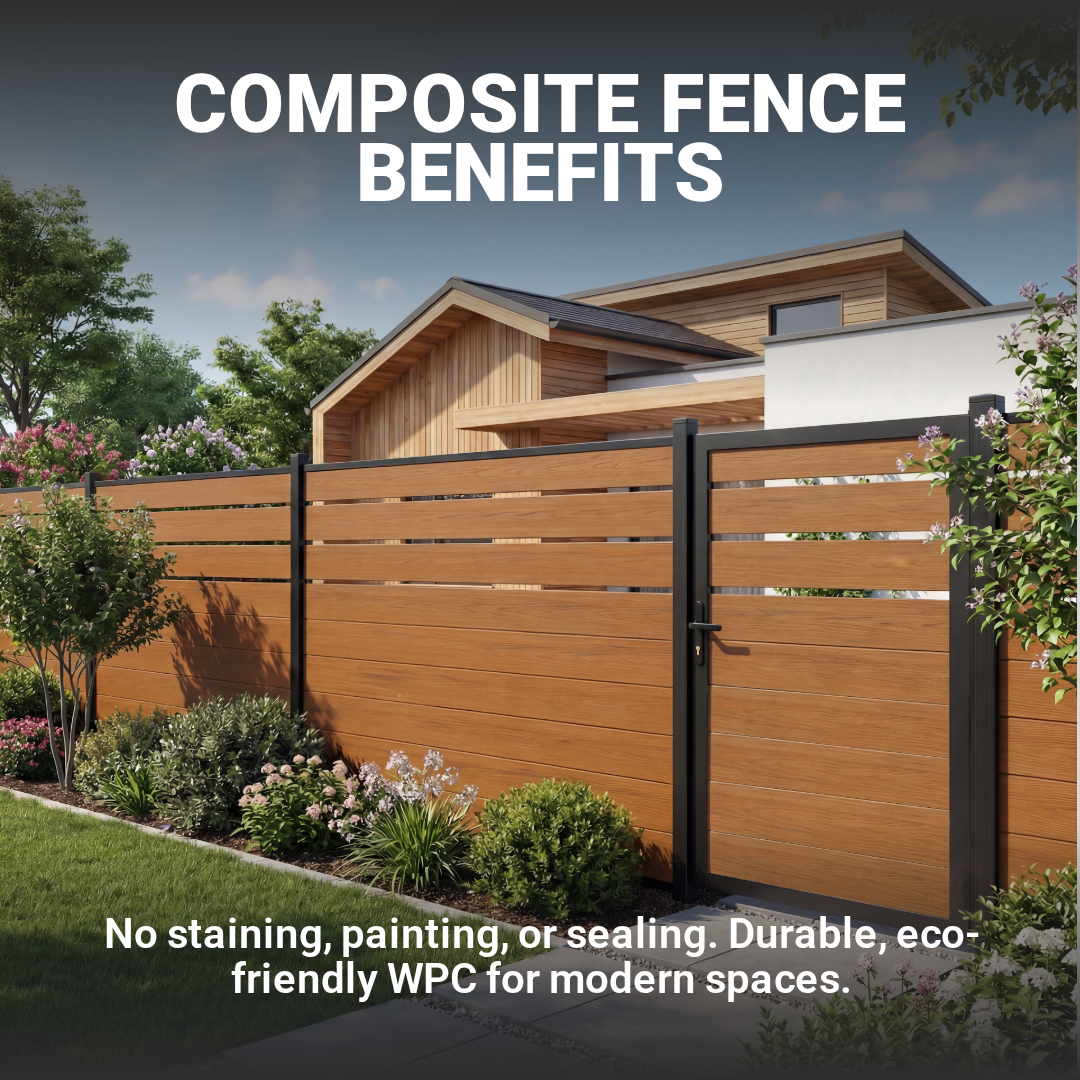
What Is a Composite Fence?
A composite fence is made from a blend of recycled wood fibers and plastic polymers. This combination creates a material that mimics the look of wood but performs like a high-end engineered product.
What Is Composite Fencing Made Of?
Composite fencing typically consists of:
- Recycled wood fibers (for structure and texture)
- High-density polyethylene (HDPE) or similar plastics (for durability)
- Additives for UV resistance and color stability
This blend is commonly referred to as wood-plastic composite (WPC).
How Composite Fence Panels Are Manufactured
The material is processed through extrusion, where it’s shaped into uniform boards or panels. This results in:
- Consistent dimensions
- Smooth or textured finishes
- Enhanced structural strength
Composite Fence vs Traditional Wood Fence
Wood fences require frequent staining, sealing, and repairs. Composite fencing eliminates those recurring tasks while maintaining a similar visual appeal.
Why Composite Fencing Is Growing in Popularity
- Minimal maintenance
- Long lifespan
- Sustainable material sourcing
- Modern design flexibility
Types of Composite Fence Systems
Not all composite fences are the same. Choosing the right system depends on your priorities: privacy, aesthetics, or structural strength.
Wood-Plastic Composite Fence (WPC Fence)
The most common type, balancing cost, durability, and appearance.
Fiber-Reinforced Composite Fence
Enhanced with additional reinforcement for higher structural integrity—ideal for demanding environments.
Composite Fence Panels vs Boards
- Panels: Pre-assembled, faster installation
- Boards: More flexible design customization
Privacy Composite Fence vs Decorative Composite Fence
- Privacy fences: Solid panels, maximum coverage
- Decorative fences: Spaced or patterned designs
Horizontal vs Vertical Composite Fence Designs
- Horizontal: Modern, clean lines
- Vertical: Traditional and widely used
Key Benefits of a Composite Fence
Composite Fence Durability and Longevity
Composite fencing is designed to last 25–30+ years. It resists:
- Rot
- Warping
- Insect damage
Low Maintenance Composite Fence Advantage
No painting, staining, or sealing required. Cleaning typically involves just water and mild soap.
Weather Resistance
Composite fences handle:
- Heavy rain
- UV exposure
- Temperature fluctuations
Eco-Friendly Materials
Most composite fencing uses recycled content, reducing environmental impact.
Aesthetic Appeal
You get the look of wood without its weaknesses—consistent color, clean finishes, and modern styles.
Composite Fence Disadvantages
Higher Initial Cost
Composite fencing costs more upfront than wood, but less over time when maintenance is considered.
Limited Color Customization
While options exist, they’re not as easily changeable as painted wood.
Potential Fading
Over many years, slight fading may occur, especially in high UV environments.
Expansion and Contraction
Like most materials, composite expands and contracts with temperature changes—proper installation is key.
Composite Fence vs Wood Fence vs Vinyl Fence
Composite Fence vs Wood Fence
- Composite: Low maintenance, long lifespan
- Wood: Lower upfront cost, high maintenance
Composite Fence vs Vinyl Fence
- Composite: More natural appearance, stronger
- Vinyl: Lower cost, less realistic look
Cost Comparison
- Wood: Lowest initial cost
- Vinyl: Mid-range
- Composite: Highest upfront, best long-term value
Maintenance Comparison
- Wood: High
- Vinyl: Low
- Composite: Very low
Which Fence Type Is Best?
If you prioritize durability and minimal upkeep, composite fencing is the strongest option.
Composite Fence Cost Guide
Average Cost of Composite Fence
- Materials: moderate to high range
- Installed cost: typically higher than wood or vinyl
Installation Cost Breakdown
- Materials
- Labor
- Post setting
- Hardware
Labor Costs
Professional installation ensures structural integrity and proper spacing.
Cost vs Value Over Time
Composite fencing reduces:
- Maintenance costs
- Replacement frequency
- Long-term repairs
Factors Affecting Cost
- Fence height
- Panel quality
- Installation complexity
- Location
Composite Fence Installation Guide
Installing a composite fence requires precision. Poor setup reduces lifespan and performance.
Planning and Measuring
- Define property boundaries
- Measure total length
- Check local regulations
Tools and Materials Needed
- Post hole digger
- Level
- Concrete mix
- Fasteners
Step-by-Step Installation
- Mark fence line
- Dig post holes
- Set posts in concrete
- Attach panels or boards
Common Mistakes to Avoid
- Incorrect post spacing
- Ignoring expansion gaps
- Weak foundation setup
DIY vs Professional Installation
DIY is possible, but professional installation ensures:
- Structural reliability
- Time efficiency
- Long-term performance
Composite Fence Maintenance Tips
Cleaning Composite Fence Panels
Use water and mild detergent periodically.
Preventing Dirt Build-Up
Rinse occasionally in dusty or humid environments.
Long-Term Maintenance
Inspect annually for:
- Loose fittings
- Surface buildup
Extending Lifespan
Proper installation and basic cleaning are enough to maximize durability.
How Long Does a Composite Fence Last?
A high-quality composite fence typically lasts 25 to 30 years or more.
Factors Affecting Lifespan
- Material quality
- Installation accuracy
- Environmental exposure
Warranty Expectations
Many manufacturers offer long-term warranties, reflecting confidence in durability.
Is a Composite Fence Worth It?
Long-Term ROI
While initial costs are higher, savings come from:
- Zero painting or staining
- Minimal repairs
- Long replacement cycles
Best Use Cases
- Residential privacy fencing
- Commercial properties
- Modern landscaping projects
When It May Not Be Ideal
- Tight short-term budgets
- Temporary fencing needs
Design Ideas for Composite Fence
Modern Composite Fence Designs
Horizontal layouts with neutral tones create a contemporary look.
Color Options
Common tones include:
- Charcoal
- Teak
- Walnut
Garden and Backyard Ideas
Composite fencing pairs well with:
- Minimalist landscaping
- Outdoor living spaces
Privacy and Security
Solid panel designs provide full coverage and noise reduction.
Composite Fence Buying Guide
What to Look For
- Material composition
- UV resistance
- Structural strength
Choosing the Right Height
Depends on:
- Privacy needs
- Local regulations
Style Selection
Balance aesthetics with function—privacy vs openness.
Key Questions Before Buying
- What’s the warranty?
- Is installation included?
- What maintenance is required?
FAQs About Composite Fence
What is a composite fence made of?
A mix of recycled wood fibers and plastic polymers.
How long does composite fencing last?
Typically 25–30 years or more.
Is composite fencing cheaper than wood?
Upfront, no. Long-term, often yes.
Does composite fencing fade?
Slight fading can occur over many years.
Can you install it yourself?
Yes, but professional installation is recommended for best results.
Is composite fencing worth the cost?
If you value durability and low maintenance, it’s one of the most efficient options available.
Final Takeaway
A composite fence is a long-term solution built for performance. It removes the constant maintenance cycle of wood while delivering a clean, modern finish that holds up in real-world conditions.
For projects where durability, efficiency, and aesthetics matter, composite fencing is not just an upgrade—it’s a strategic decision.
Table of Contents
- What Is a Composite Fence?
- Types of Composite Fence Systems
- Key Benefits of a Composite Fence
- Composite Fence Disadvantages
- Composite Fence vs Wood Fence vs Vinyl Fence
- Composite Fence Cost Guide
- Composite Fence Installation Guide
- Composite Fence Maintenance Tips
- How Long Does a Composite Fence Last?
- Is a Composite Fence Worth It?
- Design Ideas for Composite Fence
- Composite Fence Buying Guide
- FAQs About Composite Fence
- Final Takeaway