
 EN
EN

How to Select Acoustic Panels for Large Halls and Commercial Spaces
Selecting the right acoustic treatment for large commercial spaces requires careful consideration of multiple factors, from material composition to installation requirements. Modern commercial environments demand sophisticated sound control solutions that balance aesthetic appeal with functional performance. While traditional materials have served the industry for decades, innovative options like wpc decking have emerged as versatile alternatives that offer unique advantages in specific applications. Understanding the fundamental principles of acoustic design helps facility managers and architects make informed decisions about sound absorption and noise control systems.
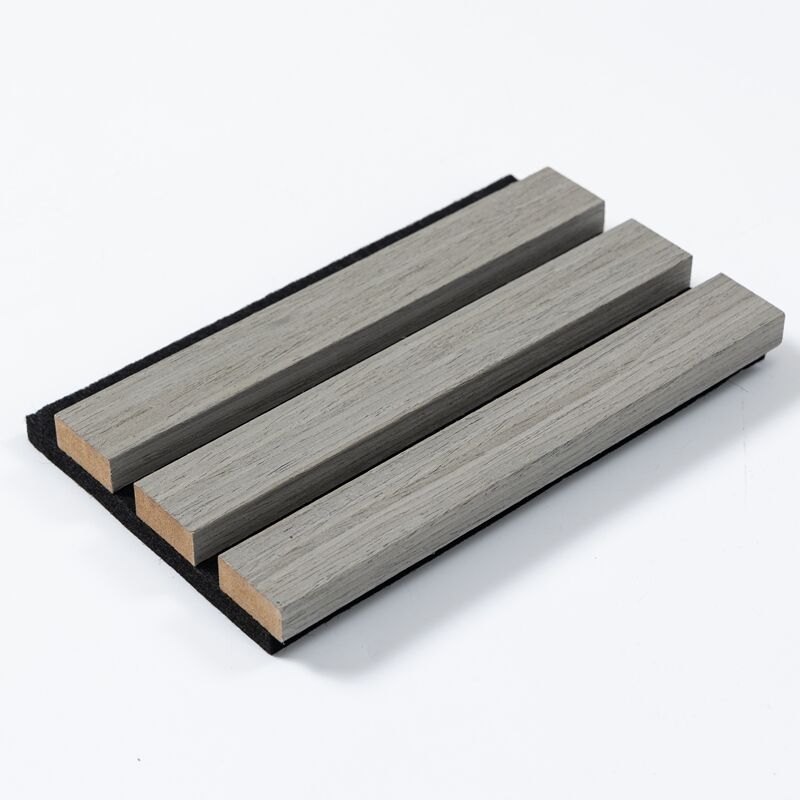
Understanding Acoustic Requirements in Commercial Spaces
Sound Absorption vs Sound Isolation
Commercial acoustic design involves two primary considerations: sound absorption and sound isolation. Sound absorption reduces reverberation within a space by converting sound energy into heat through friction within porous materials. This process improves speech intelligibility and reduces background noise levels. Sound isolation, conversely, prevents sound transmission between adjacent spaces through barrier materials and construction techniques. Large halls typically require both approaches, with absorption addressing internal acoustics and isolation managing external noise transfer.
The selection process begins with identifying specific acoustic goals for each commercial environment. Conference rooms need excellent speech clarity with minimal echo, while open office areas require noise reduction without complete sound elimination. Manufacturing facilities often demand both absorption and isolation to protect workers from machinery noise while maintaining communication capabilities. Understanding these distinctions helps determine whether traditional acoustic panels, innovative materials like wpc decking, or hybrid solutions best serve the intended application.
Frequency Response Characteristics
Different materials exhibit varying absorption properties across the frequency spectrum, making frequency response analysis crucial for effective acoustic design. Low-frequency sounds typically require thicker, denser materials or specialized resonant systems to achieve meaningful absorption. Mid-frequency ranges, where human speech occurs, often respond well to conventional fibrous absorbers and specially designed panel systems. High-frequency absorption generally proves easier to achieve with most porous materials, including certain engineered composites.
Commercial spaces must address the full frequency range to achieve optimal acoustic performance. HVAC systems generate low-frequency rumble, foot traffic creates mid-frequency noise, and electronic equipment produces high-frequency interference. Comprehensive acoustic treatment plans incorporate materials with complementary frequency responses, ensuring balanced sound control across all relevant ranges. This approach prevents over-treatment in certain frequencies while addressing problematic resonances that degrade acoustic quality.
Material Selection Criteria for Commercial Applications
Durability and Maintenance Requirements
Commercial acoustic installations must withstand heavy use, frequent cleaning, and potential impact damage while maintaining performance standards over extended periods. Traditional fabric-wrapped panels may deteriorate in high-traffic environments, requiring regular replacement or refurbishment. Solid surface materials offer enhanced durability but may compromise acoustic performance without proper engineering. Modern composite solutions, including specialized applications of wpc decking materials, provide improved longevity while delivering consistent acoustic benefits.
Maintenance considerations directly impact long-term project costs and operational efficiency. Materials that resist staining, moisture absorption, and microbial growth reduce cleaning frequency and replacement costs. Fire-resistant treatments ensure compliance with commercial building codes while protecting occupant safety. Easy installation and removal capabilities facilitate future renovations or system modifications without extensive construction disruption. These factors collectively determine the total cost of ownership for acoustic treatment systems in commercial environments.
Aesthetic Integration and Design Flexibility
Contemporary commercial spaces demand acoustic solutions that enhance rather than compromise architectural design intent. Color matching, texture coordination, and form factor flexibility allow acoustic treatments to integrate seamlessly with existing décor schemes. Modular systems enable creative arrangements that serve both functional and artistic purposes. Custom fabrication capabilities support unique design requirements while maintaining acoustic performance standards.
The visual impact of acoustic treatments significantly influences occupant comfort and space perception. Well-designed installations can improve spatial acoustics while contributing to overall aesthetic appeal. Materials like engineered wpc decking offer unique textural qualities that complement modern commercial interiors. Strategic placement and thoughtful color selection transform necessary acoustic treatments into design features that enhance rather than detract from commercial space functionality and appearance.
Installation Considerations and System Integration
Mounting Systems and Structural Requirements
Proper installation forms the foundation of effective acoustic treatment performance in commercial applications. Wall-mounted systems require adequate structural support to handle material weight and potential seismic loads. Suspended ceiling installations must account for HVAC integration, lighting systems, and fire suppression equipment. Freestanding acoustic elements need stable bases and appropriate clearances for safety and maintenance access.
Professional installation ensures optimal acoustic performance while meeting building code requirements and safety standards. Improper mounting can create resonant cavities that amplify rather than absorb unwanted sounds. Gap management between panels affects both acoustic performance and visual continuity. Integration with building systems requires coordination between acoustic contractors, architects, and mechanical engineers to avoid conflicts and optimize overall system performance.
Environmental Factors and Performance Optimization
Commercial environments present unique challenges including temperature fluctuations, humidity variations, and airborne contaminants that affect acoustic material performance. HVAC systems create air movement that can influence sound transmission paths and material behavior. Chemical exposure from cleaning products and industrial processes requires compatible material selection. Understanding these environmental factors ensures long-term acoustic system reliability and effectiveness.
Climate control systems interact with acoustic treatments in complex ways that influence overall performance. Proper ventilation prevents moisture accumulation that can degrade fibrous absorbers and promote microbial growth. Temperature stability maintains dimensional consistency in panel materials and mounting systems. Materials like properly treated wpc decking demonstrate superior environmental stability compared to traditional options, making them suitable for challenging commercial applications where consistent performance is critical.
Performance Testing and Quality Assurance
Measurement Standards and Certification
Acoustic performance verification requires standardized testing procedures and recognized certification programs to ensure specified performance levels. ASTM and ISO standards provide frameworks for measuring absorption coefficients, noise reduction coefficients, and sound transmission loss values. Independent laboratory testing validates manufacturer claims and supports design calculations. Understanding these metrics helps specify appropriate materials for specific acoustic requirements.
Quality assurance extends beyond initial installation to include ongoing performance monitoring and maintenance protocols. Regular acoustic measurements verify continued effectiveness and identify potential degradation issues. Documentation of material specifications, installation details, and performance data supports warranty claims and future system modifications. Professional commissioning ensures systems meet design intent and building code requirements while providing baseline data for future comparisons.
Cost-Benefit Analysis and ROI Considerations
Commercial acoustic investments require careful financial analysis to justify initial costs and demonstrate long-term value. Energy savings from improved HVAC efficiency in properly treated spaces can offset installation expenses over time. Productivity improvements from better acoustic environments provide measurable returns through reduced employee fatigue and improved communication effectiveness. Enhanced property values and tenant satisfaction contribute additional economic benefits.
Life-cycle cost analysis reveals the true economic impact of acoustic treatment decisions. Premium materials with higher initial costs may provide better value through reduced maintenance requirements and extended service life. Innovative materials like wpc decking, when properly applied in acoustic systems, can offer unique combinations of performance, durability, and cost-effectiveness that traditional solutions cannot match. Professional analysis helps optimize material selection and system design for maximum return on investment.
Advanced Technologies and Future Trends
Smart Acoustic Systems and Digital Integration
Emerging technologies enable dynamic acoustic control through programmable absorption systems and real-time environmental monitoring. Digital sound masking systems work in conjunction with passive treatments to create optimal acoustic environments for different activities and times of day. Sensor networks provide continuous feedback on acoustic conditions and system performance. These innovations represent the future of commercial acoustic design and management.
Integration with building management systems allows coordinated control of acoustic, lighting, and climate systems for optimal occupant comfort and energy efficiency. Artificial intelligence algorithms can learn usage patterns and automatically adjust acoustic conditions for maximum effectiveness. Mobile applications enable individual control over personal acoustic environments within larger commercial spaces. These technological advances expand the possibilities for sophisticated acoustic management in modern commercial facilities.
Sustainable Materials and Environmental Impact
Environmental sustainability increasingly influences material selection decisions in commercial construction projects. Recycled content materials reduce environmental impact while often providing cost advantages. Low-emission products improve indoor air quality and support green building certification programs. End-of-life recyclability ensures responsible disposal and supports circular economy principles.
Sustainable acoustic solutions balance performance requirements with environmental responsibility. Bio-based materials offer renewable alternatives to petroleum-derived products while maintaining necessary acoustic properties. Locally sourced materials reduce transportation impacts and support regional economies. Advanced composites incorporating recycled content, such as certain wpc decking formulations, demonstrate how innovative engineering can achieve multiple sustainability goals without compromising functional performance in commercial acoustic applications.
FAQ
What factors determine the acoustic treatment requirements for large commercial halls
The primary factors include room volume and geometry, intended use patterns, ambient noise levels, and desired acoustic outcomes. Large halls require analysis of reverberation time, speech intelligibility requirements, and background noise control needs. Ceiling height, surface materials, and occupancy levels significantly influence treatment selection and placement strategies.
How do environmental conditions affect acoustic panel performance in commercial spaces
Temperature fluctuations can cause dimensional changes in panel materials, while humidity variations affect absorption properties of fibrous materials. Airborne contaminants and cleaning chemicals may degrade certain materials over time. Proper material selection considers these factors to ensure consistent long-term performance in challenging commercial environments.
What are the key differences between acoustic panels and alternative materials like wpc decking
Traditional acoustic panels focus primarily on sound absorption through porous structures, while materials like wpc decking offer different acoustic properties including sound reflection control and vibration damping. The choice depends on specific acoustic goals, environmental requirements, and aesthetic considerations. Each material type serves distinct functions in comprehensive acoustic design strategies.
How can facility managers evaluate the long-term cost-effectiveness of acoustic treatments
Long-term cost analysis should include initial material and installation costs, ongoing maintenance requirements, expected service life, and potential energy savings from improved HVAC efficiency. Performance degradation rates, replacement schedules, and warranty coverage significantly impact total ownership costs. Professional acoustic consulting helps optimize system design for maximum return on investment while meeting performance objectives.