
 EN
EN

What Features Make Acoustic Panels Effective in Noise Reduction?
Acoustic panels have become essential components in modern construction and interior design, offering superior noise reduction capabilities across residential, commercial, and industrial applications. While traditional materials like wpc decking excel in outdoor environments, specialized acoustic solutions address indoor sound management challenges with remarkable efficiency. Understanding the key features that make acoustic panels effective requires examining their material composition, structural design, and installation methods that collectively contribute to optimal sound absorption and noise control.
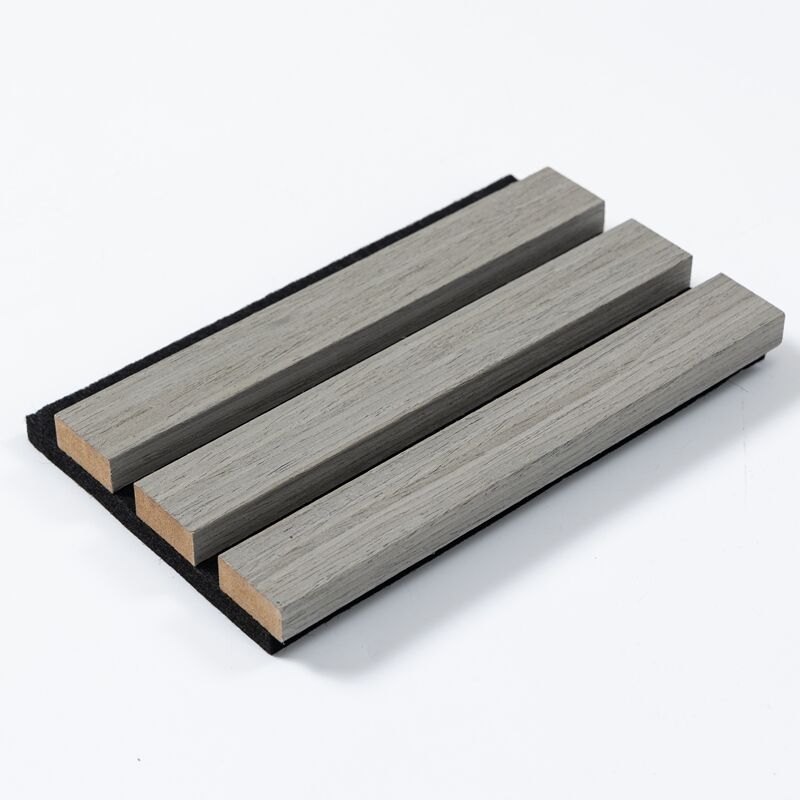
The effectiveness of acoustic panels stems from their ability to convert sound energy into minimal heat through friction within porous materials. Unlike exterior applications where wpc decking provides weather resistance and durability, indoor acoustic solutions focus primarily on sound wave manipulation and absorption. The science behind acoustic panel performance involves multiple factors including material density, porosity, thickness, and surface treatments that work synergistically to reduce unwanted noise levels and improve overall acoustic comfort in various environments.
Material Composition and Acoustic Properties
Fiber-Based Core Materials
High-performance acoustic panels typically utilize specialized fiber materials such as polyester, fiberglass, or mineral wool as their core components. These materials possess optimal porosity characteristics that allow sound waves to penetrate deep into the panel structure, where friction converts acoustic energy into negligible amounts of heat. The fiber density plays a crucial role in determining absorption coefficients across different frequency ranges, with manufacturers carefully engineering these properties to achieve maximum noise reduction effectiveness.
The interconnected fiber structure creates countless tiny air pockets that trap and dissipate sound energy efficiently. Unlike solid materials used in applications such as wpc decking installations, acoustic panel cores must maintain specific density ratios that balance structural integrity with sound absorption capabilities. Advanced manufacturing processes ensure consistent fiber distribution throughout the panel thickness, eliminating potential weak points that could compromise acoustic performance or create unwanted sound reflections.
Surface Treatment Technologies
Modern acoustic panels incorporate sophisticated surface treatments that enhance both aesthetic appeal and functional performance. Micro-perforated facings allow sound penetration while maintaining visual coherence, often featuring fabric coverings or specialized acoustic textiles that complement interior design schemes. These surface materials must possess adequate porosity to permit sound wave transmission without significantly impeding the absorption process occurring within the core material.
Advanced surface treatments may include flame-retardant coatings, antimicrobial properties, and moisture-resistant finishes that extend panel lifespan while maintaining consistent acoustic performance. The selection of appropriate surface materials becomes particularly important in environments where panels face exposure to varying humidity levels, temperature fluctuations, or potential contamination sources. Quality manufacturers ensure surface treatments enhance rather than compromise the underlying acoustic properties of their panel systems.
Structural Design Elements for Maximum Effectiveness
Panel Thickness and Density Optimization
The relationship between panel thickness and acoustic effectiveness follows established principles of sound absorption physics, with thicker panels generally providing superior low-frequency absorption capabilities. Most effective acoustic panels range from 25mm to 100mm in thickness, with the optimal dimension determined by specific application requirements and target frequency ranges. Manufacturers carefully balance material density to achieve maximum absorption coefficients while maintaining manageable weight and installation characteristics.
Density optimization involves precise material engineering that ensures adequate porosity without compromising structural integrity or fire safety requirements. Similar to how wpc decking manufacturers balance durability with weight considerations, acoustic panel producers must achieve optimal density distributions that maximize sound absorption while facilitating practical installation and long-term performance. Advanced computational modeling helps determine ideal thickness-to-density ratios for specific acoustic environments and noise reduction objectives.
Edge Design and Mounting Systems
Effective acoustic panels incorporate specialized edge designs that minimize sound leakage and ensure consistent performance across panel joints and mounting points. Beveled edges, tongue-and-groove systems, or overlapping configurations help eliminate acoustic bridging that could compromise overall system effectiveness. The mounting methodology directly impacts panel performance, with proper installation techniques ensuring optimal contact between panels and substrate surfaces.
Modern mounting systems accommodate thermal expansion, building movement, and maintenance requirements while maintaining acoustic integrity. Unlike rigid installation methods used for materials like wpc decking in outdoor applications, acoustic panel mounting must account for indoor environmental variations and potential accessibility needs. Innovative mounting hardware allows for easy panel removal and replacement without compromising surrounding installations or requiring extensive reconstruction work.
Performance Characteristics and Testing Standards
Noise Reduction Coefficient Measurements
The Noise Reduction Coefficient represents a standardized measurement that quantifies acoustic panel effectiveness across multiple frequency ranges. NRC values range from 0.00 to 1.00, with higher numbers indicating superior sound absorption capabilities. Professional acoustic panels typically achieve NRC ratings between 0.85 and 1.00, demonstrating excellent performance across speech frequencies and common environmental noise sources that impact occupant comfort and productivity.
Standardized testing procedures ensure consistent measurement methodologies that enable accurate performance comparisons between different panel types and manufacturers. These tests evaluate absorption coefficients at specific frequencies including 250Hz, 500Hz, 1000Hz, and 2000Hz, providing comprehensive data for acoustic engineers and specifiers. Understanding NRC ratings helps designers select appropriate panel types for specific applications, whether addressing HVAC noise, speech privacy, or general environmental sound management requirements.
Fire Safety and Building Code Compliance
Effective acoustic panels must meet stringent fire safety requirements established by building codes and industry standards. Class A fire ratings ensure panels contribute minimal fuel to potential fires while maintaining their acoustic properties under normal operating conditions. Flame-spread and smoke-development characteristics receive careful evaluation during product development, with manufacturers incorporating fire-retardant materials and treatments that preserve both safety and performance characteristics.
Building code compliance extends beyond fire safety to include indoor air quality standards, structural load requirements, and accessibility considerations. Unlike exterior applications where wpc decking faces weather-related challenges, indoor acoustic panels must address volatile organic compound emissions, formaldehyde content, and other factors affecting occupant health and comfort. Comprehensive testing and certification processes ensure acoustic panels contribute positively to indoor environmental quality while delivering intended noise reduction benefits.
Installation Factors Affecting Acoustic Performance
Substrate Preparation and Mounting Methods
Proper substrate preparation forms the foundation for effective acoustic panel installation, requiring smooth, clean, and structurally sound mounting surfaces. Wall irregularities, moisture issues, or inadequate structural support can significantly compromise panel performance and longevity. Professional installation teams assess substrate conditions and implement appropriate preparation measures including surface cleaning, moisture barrier installation, and structural reinforcement where necessary.
Mounting method selection depends on panel weight, substrate type, and environmental conditions within the installation space. Mechanical fastening systems provide reliable long-term attachment while allowing for potential future modifications or maintenance access. Adhesive mounting offers streamlined installation for appropriate applications, though careful adhesive selection ensures compatibility with both panel backing materials and substrate surfaces. The installation approach must account for thermal movement, humidity variations, and potential building settling that could affect panel alignment and performance over time.
Coverage Patterns and Placement Strategy
Strategic panel placement maximizes acoustic effectiveness while optimizing material usage and installation costs. Complete wall coverage provides maximum noise reduction but may not be necessary for all applications, with strategic placement at reflection points often delivering significant improvements with reduced material requirements. Acoustic modeling helps determine optimal coverage patterns that address specific noise sources and room acoustics challenges.
Placement strategy considers both acoustic performance and aesthetic integration, ensuring panels contribute positively to interior design objectives while delivering intended noise reduction benefits. Unlike uniform coverage approaches used for materials like wpc decking in outdoor spaces, acoustic panel placement requires careful analysis of sound reflection patterns, occupancy zones, and equipment locations that generate or amplify unwanted noise. Professional acoustic consultants provide valuable guidance for complex installations requiring precise performance specifications and aesthetic coordination.
Maintenance and Longevity Considerations
Cleaning and Care Procedures
Maintaining acoustic panel effectiveness requires appropriate cleaning procedures that preserve both material integrity and acoustic performance. Vacuum cleaning with brush attachments removes surface dust and debris without damaging delicate fiber structures or fabric facings. Liquid cleaning methods require careful product selection to avoid moisture penetration that could compromise core materials or create conditions favorable to mold or bacterial growth.
Regular maintenance schedules help identify potential issues before they impact acoustic performance or require costly panel replacement. Visual inspections detect damage from impacts, moisture exposure, or normal wear that might affect sound absorption capabilities. Unlike low-maintenance materials such as wpc decking used in outdoor applications, acoustic panels benefit from proactive care that preserves their specialized properties and extends operational lifespan in indoor environments.
Performance Monitoring and Replacement Indicators
Long-term acoustic panel effectiveness may gradually decline due to dust accumulation, material compression, or environmental factors that alter core material properties. Periodic acoustic testing can quantify performance changes and guide maintenance or replacement decisions. Observable indicators include visible material degradation, persistent odors, or noticeable increases in ambient noise levels that suggest compromised acoustic performance.
Replacement planning considers both acoustic performance criteria and lifecycle cost factors, with high-quality panels typically providing excellent service for many years under normal indoor conditions. Manufacturers often provide performance warranties that specify expected lifespan and acoustic property retention under defined operating conditions. Understanding replacement indicators helps facility managers maintain consistent acoustic comfort while optimizing maintenance budgets and minimizing occupant disruption during upgrade projects.
FAQ
What thickness of acoustic panel provides the best noise reduction performance
Acoustic panel thickness requirements depend on target frequency ranges and specific noise reduction objectives. Panels ranging from 50mm to 100mm thick typically provide excellent performance for most commercial and residential applications, with thicker panels offering superior low-frequency absorption. Thinner panels around 25mm work well for high-frequency noise control but may require additional treatment for comprehensive acoustic management. Professional acoustic analysis helps determine optimal thickness for specific environments and noise sources.
How do acoustic panels compare to other noise reduction methods
Acoustic panels offer superior performance compared to traditional noise reduction methods such as heavy curtains, carpeting, or furniture arrangements. Unlike hard surface materials such as wpc decking that reflect sound waves, properly designed acoustic panels absorb sound energy across multiple frequency ranges with minimal space requirements. Panels provide consistent performance regardless of room configuration changes and offer better aesthetic integration than many alternative noise control solutions.
Can acoustic panels be installed in high-humidity environments safely
Modern acoustic panels incorporate moisture-resistant materials and treatments that enable safe installation in moderate humidity environments such as offices, restaurants, and educational facilities. However, high-humidity spaces like swimming pools or industrial facilities may require specialized panel types with enhanced moisture protection or alternative acoustic treatment approaches. Proper ventilation and humidity control help preserve panel integrity and acoustic performance in challenging environments.
What maintenance schedule keeps acoustic panels performing effectively
Effective acoustic panel maintenance involves monthly visual inspections and quarterly vacuum cleaning using brush attachments to remove surface dust and debris. Annual professional cleaning may be necessary in high-traffic areas or environments with elevated particulate levels. Unlike exterior materials such as wpc decking that require weather-related maintenance, indoor acoustic panels need protection from moisture exposure, impact damage, and excessive dust accumulation that could compromise their specialized acoustic properties over time.