
 EN
EN

Why Architects Choose Acoustic Panels for Modern Interior Projects
Architects today face increasing demands to create spaces that balance aesthetic appeal with functional performance. Modern interior design requires innovative solutions that address noise control, sustainability, and visual impact simultaneously. While traditional materials like wpc decking have long been associated with outdoor applications, the architectural industry has discovered remarkable versatility in composite materials for interior acoustic applications. The evolution of material science has opened new possibilities for creating sophisticated interior environments that meet contemporary performance standards.
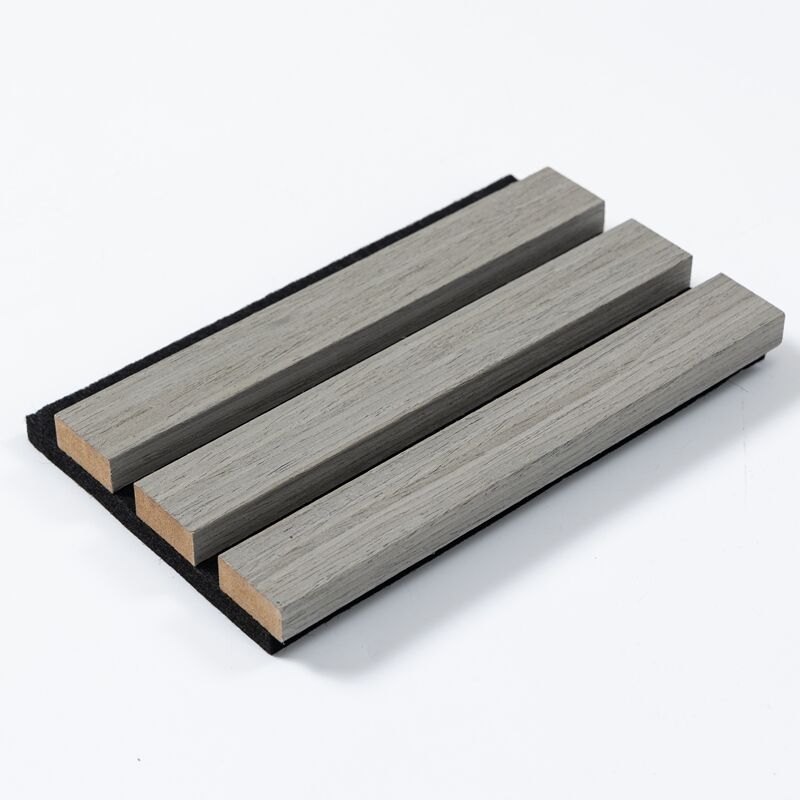
The integration of acoustic panels in modern architecture represents a significant shift toward holistic design approaches. Professional architects recognize that sound management directly impacts occupant comfort, productivity, and overall space quality. Contemporary projects demand materials that deliver superior acoustic performance without compromising design flexibility or environmental responsibility. The relationship between form and function has never been more critical in architectural decision-making processes.
Acoustic Performance in Contemporary Architecture
Sound Control Fundamentals
Effective acoustic design requires understanding how different materials interact with sound waves in interior environments. Modern acoustic panels utilize advanced composite technologies similar to those found in exterior applications like wpc decking systems. These materials demonstrate exceptional sound absorption capabilities while maintaining structural integrity and aesthetic appeal. The science behind acoustic performance involves careful consideration of material density, surface texture, and installation methodology.
Professional architects evaluate acoustic materials based on their Noise Reduction Coefficient ratings and frequency response characteristics. Superior acoustic panels provide consistent performance across broad frequency ranges, effectively managing both high-frequency conversations and low-frequency mechanical noise. The installation flexibility offered by modern composite materials allows architects to incorporate acoustic solutions into complex geometric configurations and challenging spatial conditions.
Integration with Modern Design Aesthetics
Contemporary acoustic panels have evolved far beyond simple functional elements to become integral design features. The material innovations that have transformed outdoor products like wpc decking now enable acoustic panels to achieve sophisticated visual effects while delivering superior sound control. Architects can specify panels with varied textures, colors, and surface treatments that complement overall design concepts.
The versatility of modern acoustic materials supports creative architectural expression through dimensional variation and pattern development. These materials can be fabricated into custom configurations that serve as both acoustic treatment and decorative elements. The ability to integrate lighting, branding, or artistic elements within acoustic panel systems provides architects with unprecedented design flexibility for commercial and residential projects.
Material Innovation and Sustainability
Composite Material Advantages
The technological advances that have made wpc decking a preferred choice for exterior applications have parallel benefits in interior acoustic applications. Composite materials offer superior durability, moisture resistance, and dimensional stability compared to traditional acoustic materials. These characteristics ensure long-term performance in challenging interior environments including commercial kitchens, pool areas, and high-traffic public spaces.
Modern composite acoustic panels resist common issues that plague traditional materials including warping, cracking, and degradation from humidity exposure. The manufacturing processes used in advanced composite production enable precise control over material properties including density, porosity, and surface characteristics. This control allows manufacturers to optimize acoustic performance while maintaining structural reliability and aesthetic consistency.
Environmental Responsibility
Sustainability considerations drive architectural material selection in contemporary projects, with acoustic panels following the environmental leadership established by products like wpc decking. Many modern acoustic panels incorporate recycled content, low-emission manufacturing processes, and end-of-life recyclability. These environmental benefits align with green building certification requirements and corporate sustainability objectives.
The longevity and low maintenance requirements of advanced acoustic materials contribute to their overall environmental impact assessment. Architects specify materials that minimize lifecycle environmental costs through reduced replacement frequency and maintenance intervention requirements. The ability to achieve multiple performance objectives with single material systems reduces overall project environmental impact while simplifying construction processes.
Installation and Design Flexibility
Modular System Benefits
Contemporary acoustic panel systems offer modular installation approaches that simplify construction while providing design flexibility. The installation methodologies developed for exterior applications like wpc decking have informed interior acoustic system development, resulting in efficient mounting systems and simplified maintenance procedures. These systems accommodate building movement, thermal expansion, and future reconfiguration needs.
Modular acoustic systems enable architects to create complex patterns and dimensional effects through systematic panel arrangement. The ability to combine different panel sizes, textures, and colors within unified mounting systems provides unlimited design possibilities. This flexibility supports both large-scale architectural installations and detailed interior design applications requiring precise acoustic control.
Integration with Building Systems
Modern acoustic panels integrate seamlessly with contemporary building systems including lighting, HVAC, and technology infrastructure. The mounting systems and material properties of advanced acoustic materials, including those technologies derived from wpc decking applications, accommodate integrated system requirements without compromising performance. This integration capability reduces construction complexity while enhancing overall system functionality.
Professional architects appreciate the ability to coordinate acoustic treatments with other building systems during design development. The structural characteristics of modern acoustic materials enable creative integration approaches including suspended installations, curved applications, and multi-functional system combinations. This coordination capability supports integrated design approaches that optimize both performance and construction efficiency.
Commercial and Residential Applications
Corporate Environment Solutions
Modern office environments demand sophisticated acoustic solutions that support diverse work styles and communication needs. Acoustic panels provide essential sound control for open office layouts, conference rooms, and collaborative spaces. The material innovations that have advanced exterior products like wpc decking enable interior acoustic solutions that meet demanding commercial performance requirements while supporting contemporary workplace design concepts.
Corporate architects specify acoustic materials that contribute to employee wellbeing and productivity through effective noise management. The ability to customize acoustic panel appearance and performance characteristics enables design solutions that reinforce corporate identity while delivering functional benefits. Modern acoustic materials support both traditional and innovative workplace configurations including flexible layouts and multi-purpose spaces.
Residential Design Integration
Residential architects increasingly incorporate acoustic panels to address noise issues in contemporary home designs. Open floor plans, hard surface materials, and multimedia systems create acoustic challenges that require professional solutions. The technological sophistication of modern acoustic materials, derived from advances in products like wpc decking, enables seamless integration with residential design aesthetics.
Homeowners appreciate acoustic solutions that enhance living comfort without compromising interior design objectives. Modern acoustic panels can be integrated into entertainment rooms, home offices, and master suites to create optimal acoustic environments for specific activities. The ability to coordinate acoustic treatments with architectural features and interior design elements ensures cohesive design outcomes that meet both functional and aesthetic requirements.
Performance Measurement and Specification
Technical Performance Standards
Professional specification of acoustic materials requires understanding of relevant performance metrics and testing standards. Acoustic panels are evaluated using standardized test methods that measure sound absorption, fire resistance, and environmental performance characteristics. The material technologies that have established wpc decking as a reliable exterior solution provide similar performance predictability for interior acoustic applications.
Architects rely on comprehensive technical data to make informed material selections that meet project requirements and building code compliance. Modern acoustic materials provide detailed performance documentation including frequency response data, installation guidelines, and maintenance procedures. This technical support enables confident specification decisions and successful project outcomes across diverse application types.
Quality Assurance and Testing
Contemporary acoustic panel manufacturing incorporates rigorous quality control processes that ensure consistent performance characteristics. The manufacturing standards developed for exterior materials like wpc decking have informed interior acoustic production methods, resulting in reliable material properties and predictable installation outcomes. Professional architects depend on this quality consistency for successful project delivery.
Independent testing and certification programs provide verification of acoustic panel performance claims and regulatory compliance. These programs evaluate materials under standardized conditions that simulate real-world application environments. The availability of certified performance data enables architects to specify materials with confidence while meeting project insurance and warranty requirements.
Future Trends and Innovation
Technology Integration
Emerging technologies are expanding the capabilities of acoustic panel systems through integration with smart building systems and responsive materials. The material science advances that continue to improve products like wpc decking are enabling new acoustic material capabilities including variable acoustic properties and integrated sensing systems. These innovations support the development of adaptive interior environments that respond to changing acoustic conditions.
Future acoustic panel development focuses on multifunctional integration that combines acoustic performance with other building system functions. Research into responsive materials and integrated electronics promises acoustic systems that can adapt to different use patterns and environmental conditions. These advances will expand architectural design possibilities while maintaining the reliability and performance that characterize current acoustic material technologies.
Sustainable Innovation
Ongoing sustainability initiatives continue to drive innovation in acoustic material development through improved recycling capabilities and reduced environmental impact manufacturing processes. The environmental leadership demonstrated by advanced exterior materials like wpc decking provides a framework for acoustic material sustainability improvements. Future developments will further reduce lifecycle environmental impacts while enhancing performance capabilities.
Circular economy principles are influencing acoustic panel design through improved material recovery and reuse capabilities. Manufacturers are developing systems that enable panel refurbishment and reconfiguration to extend material lifecycles and reduce waste generation. These sustainability innovations support long-term environmental objectives while providing economic benefits through reduced replacement costs and improved building performance.
FAQ
What factors should architects consider when selecting acoustic panels for interior projects
Architects should evaluate acoustic performance requirements, aesthetic integration needs, installation complexity, and maintenance considerations when selecting acoustic panels. The material properties that make wpc decking suitable for exterior use, including durability and dimensional stability, are equally important for interior acoustic applications. Professional specification should also consider fire safety requirements, environmental certifications, and compatibility with other building systems to ensure successful project outcomes.
How do modern acoustic panels compare to traditional sound treatment materials
Contemporary acoustic panels offer superior performance consistency, installation flexibility, and aesthetic options compared to traditional materials like fabric-wrapped fiberglass or foam products. The technological advances in composite materials, similar to those used in wpc decking production, enable acoustic panels to achieve better sound absorption while maintaining structural integrity and visual appeal. Modern materials also provide improved fire resistance, moisture tolerance, and long-term durability compared to conventional acoustic treatment options.
Can acoustic panels be integrated with lighting and other building systems
Yes, modern acoustic panel systems are designed to accommodate integration with lighting, HVAC, and technology infrastructure through flexible mounting systems and material compatibility. The structural characteristics of advanced acoustic materials, including those derived from wpc decking technologies, enable creative integration approaches without compromising acoustic performance. Professional coordination during design development ensures optimal integration outcomes while maintaining system accessibility for maintenance and future modifications.
What maintenance requirements should be considered for interior acoustic panel installations
Modern acoustic panels require minimal maintenance due to their durable material construction and surface treatments, similar to the low-maintenance characteristics of quality wpc decking products. Routine cleaning with appropriate methods maintains appearance and performance, while the inherent resistance to moisture and dimensional change reduces the need for adjustment or replacement. Professional specification should include maintenance guidelines and recommended cleaning procedures to ensure long-term performance and appearance retention throughout the building lifecycle.