 EN
EN
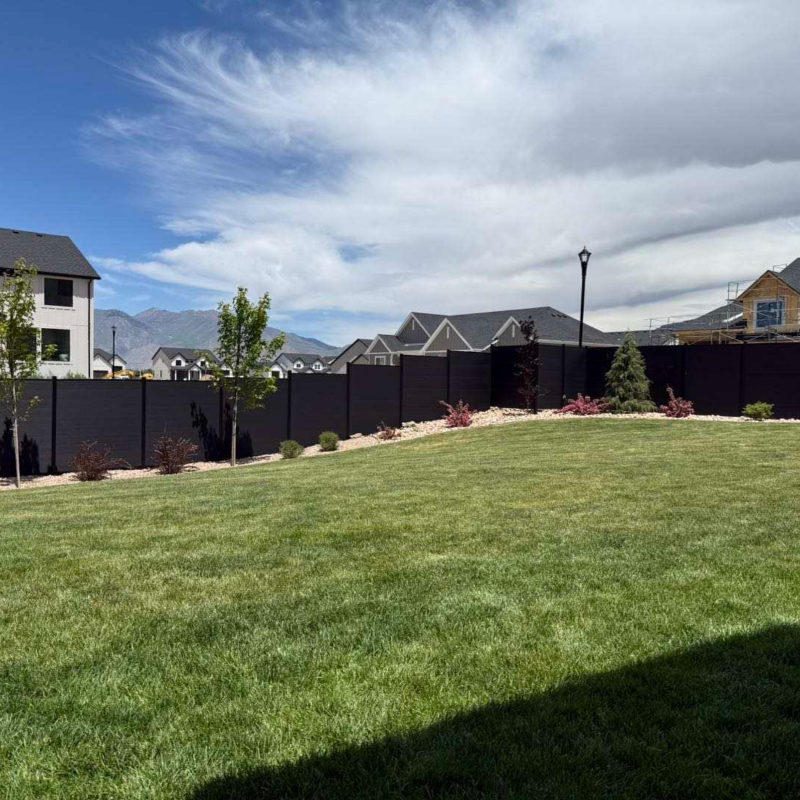
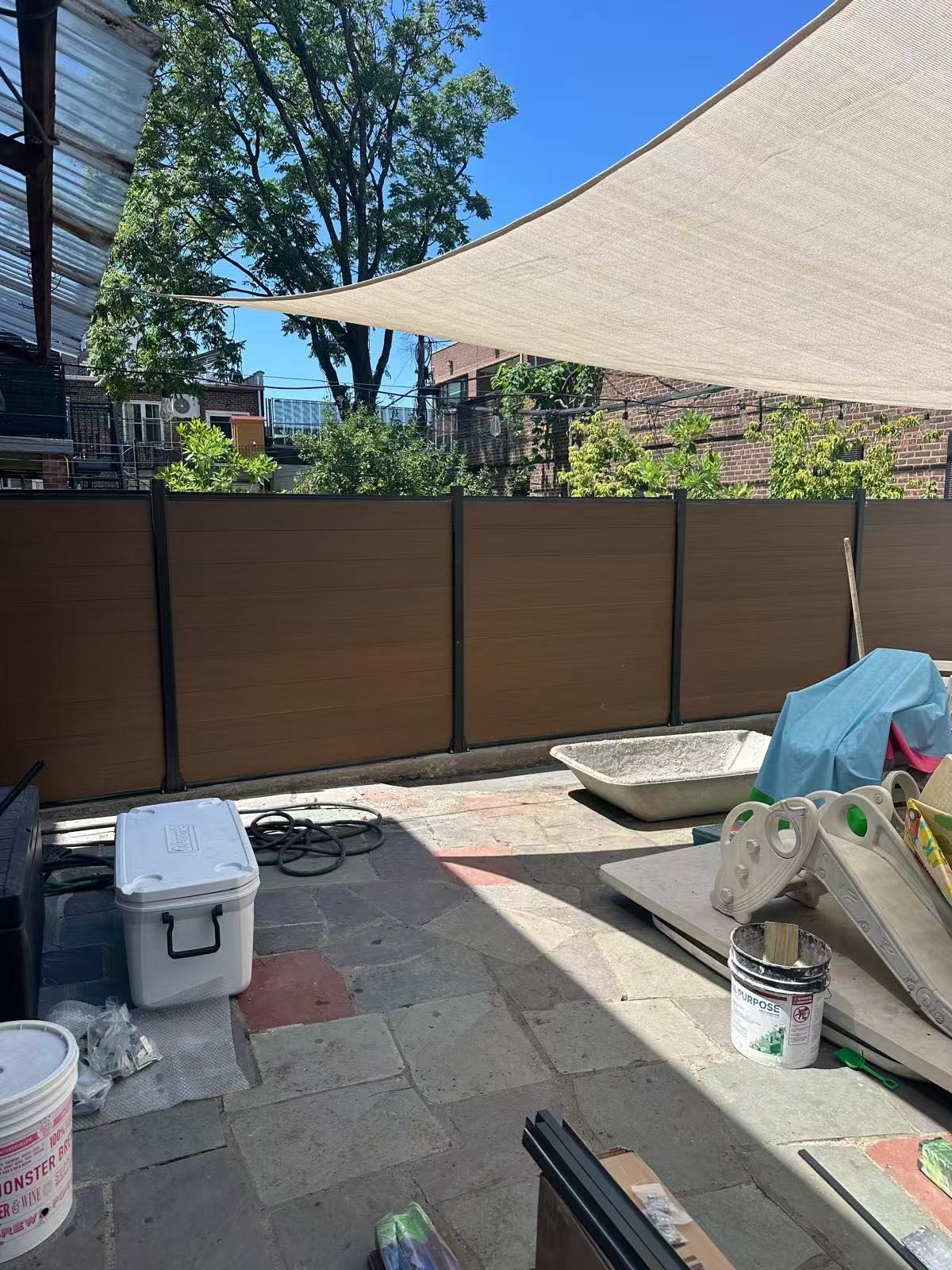
In 2026, a WPC (wood-plastic composite) fence typically costs 15-20 per linear foot installed in the United States — roughly 2250-3000 for a standard 150-foot residential yard. Materials account for about two-thirds of that; installation the rest. You can pay as little as 100+/ft for premium installed systems, depending on panel quality, height, posts, and your region.
How Much Does a WPC Fence Cost in the US in 2026?
Break the total down into three parts so you can compare quotes fairly:
Cost component |
Typical 2026 range |
Notes |
WPC panels (material) |
5-10 per panel |
Co-extruded (capped) panels cost more than uncapped |
Posts & hardware |
30-45 per post |
Aluminum posts cost more than WPC posts but last longer |
Installation |
30 per linear foot |
DIY saves this entirely; pro crews 3,000 for 150 ft |
Total installed |
15-20 per linear foot |
A 150-ft fence ≈ 3000$; large premium projects can reach 5000-6000 |
The single biggest cost driver is panel type. Uncapped (monolayer) WPC is the budget option. Co-extruded panels — a composite core wrapped in a ~0.3mm+ protective polymer cap — cost more upfront but resist fading, moisture, and mold far better, which is why premium brands (including Treslam) build their panels this way and back them with 25+ year warranties.
WPC Fence vs Wood vs Vinyl: Which Is Cheaper Over Time?
Upfront, wood wins. Over the life of the fence, WPC wins — sometimes by a wide margin:
Factor |
Wood |
Vinyl |
WPC (composite) |
Upfront cost (installed) |
45/ft |
50/ft |
15-20/ft |
Lifespan |
7–15 years |
20–30 years |
25+ years (warranted) |
Maintenance |
Stain/paint every 2–3 years |
Wash occasionally |
Virtually none |
Rot, splinters, insects |
Common |
No |
No |
Fades / warps in sun |
Yes |
Can yellow |
Co-extruded caps resist fading |
30-year cost (materials + maintenance) |
Highest (2–3 rebuilds) |
Moderate |
Lowest — no rebuilds |
A 2026 industry breakdown shows wood runs 45/ft installed versus 15-30/ft for composite — but wood needs replacement roughly twice in the same 30-year window . Buying WPC is buying the fence once.
What Determines WPC Fence Cost?
Panel quality (biggest factor).
1. Co-extruded/capped panels cost 20–40% more than uncapped but deliver the color stability and 25-year life.
Height & style.
2. 6-ft full-privacy panels cost more than 4-ft semi-private; decorative tops and horizontal slat designs add a premium.
Post system.
3. Aluminum posts (powder-coated) are stronger and maintenance-free; WPC posts are cheaper.
Terrain & installation.
4. Sloped yards, concrete, and retaining walls add labor. Installation is typically
30/ft.
Region.
5. Coastal and high-cost states (CA, NY, FL) see higher labor rates; Midwest and South are typically cheaper.
Buying channel.
6. Factory-direct (online manufacturers) vs retail big-box: direct sourcing typically saves
6/ft and more on large orders.
Why Composite Fencing Costs More Upfront (But Pays Off)
No maintenance cycle.
- No staining, painting, or sealing — typical wood upkeep costs
1,000 per cycle, repeated every few years.
Weather resistance.
- Co-extruded polymer caps block UV fading, moisture absorption, mold, and mildew — critical in humid South and coastal climates.
Longer warranty.
- Premium WPC panels carry 25+ year warranties; a wood fence rarely survives 15.
Higher resale value.
- Buyers perceive composite fencing as a permanent upgrade, like composite decking.
Regional Considerations for US Homeowners
Hurricane & coastal zones (FL, Gulf Coast, Carolinas):
- Choose aluminum or heavy-gauge posts and wind-rated panels; salt air corrodes cheap hardware fast.
Desert sun (AZ, NM, TX):
- Uncapped WPC fades quickly in intense UV — demand co-extruded panels with strong UV stabilizers.
Freeze-thaw regions (Midwest, Northeast):
- Check post depth requirements (below frost line) and panel expansion specs.
Local codes:
- Most municipalities require permits for fences over 6 ft; some HOAs restrict height, material, or color. Always verify before buying.
How to Save Money on a Composite Fence
Buy factory-direct.
1. Skip retail markups; manufacturers like Treslam ship full-container and single-yard orders from US warehouses with tiered discounts — including a current
US warehouse sale with up to $46 off per fence set
(through October 1, 2026).
Compare panel + post bundles.
2. Many suppliers price a "panel + post" set (commonly ~
320) — easier to compare than per-panel pricing
Install yourself.
3. DIY on a flat yard saves
3,000; composite cuts easier than it looks with a circular saw and fine-tooth blade.
Keep the same height across the run.
4. Fewer special cuts = lower labor.
Order in season.
5. Manufacturers run off-season and warehouse-clearance promotions in late summer/fall.
FAQ
Q: How much does a composite fence cost per linear foot in 2026?
A: 60 per linear foot installed on average; DIY material-only runs 35/ft depending on panel grade.
Q: Is WPC fencing cheaper than wood over time?
A: Yes. Wood costs less upfront (45/ft) but needs rebuilding every 10–15 years; WPC at 60/ft lasts 25+ years with no maintenance, making it cheaper over a 30-year horizon.
Q: What is the difference between capped and uncapped WPC?
A: Uncapped (monolayer) panels are solid composite without a protective layer — cheaper but prone to fading and staining. Capped (co-extruded) panels wrap the core in a polymer skin that resists UV, moisture, and mold; premium brands use them and offer 25-year warranties.
Q: Can I install a composite fence myself?
A: Yes, on flat ground. Panels are lighter than wood, pre-drilled, and designed to clip into posts. Plan for frost-line post depth in cold regions and consult local codes for height limits.
Q: Does composite fencing rust or rot?
A: No. WPC contains no rot-prone cellulose in the core and won't rust; use aluminum or galvanized hardware to avoid surface rust in coastal areas.
Q: Which is better for privacy, WPC or vinyl?
A: Both block views at 6 ft. WPC looks more like real wood, resists yellowing better in UV, and is generally stronger; vinyl can become brittle in extreme cold.
Q: How long does a WPC fence really last?
A: Premium co-extruded panels are warranted for 25+ years; real-world service life is typically 25–30 years with no painting or staining.
Q: Why is my composite fence quote so different from online prices?
A: Quotes include posts, hardware, installation, terrain, and regional labor. Compare per-linear-foot installed totals, not just panel prices.
Final Takeaway
A WPC fence costs more upfront than wood but is the cheapest fence over its lifetime — 25+ years with zero maintenance. Budget 60/ft installed, prioritize co-extruded panels and aluminum posts, verify local codes, and compare factory-direct pricing (Treslam's US warehouse program includes a fall sale with up to $46 off per set). Get a free quote and see how composite fencing compares for your yard.