
 EN
EN
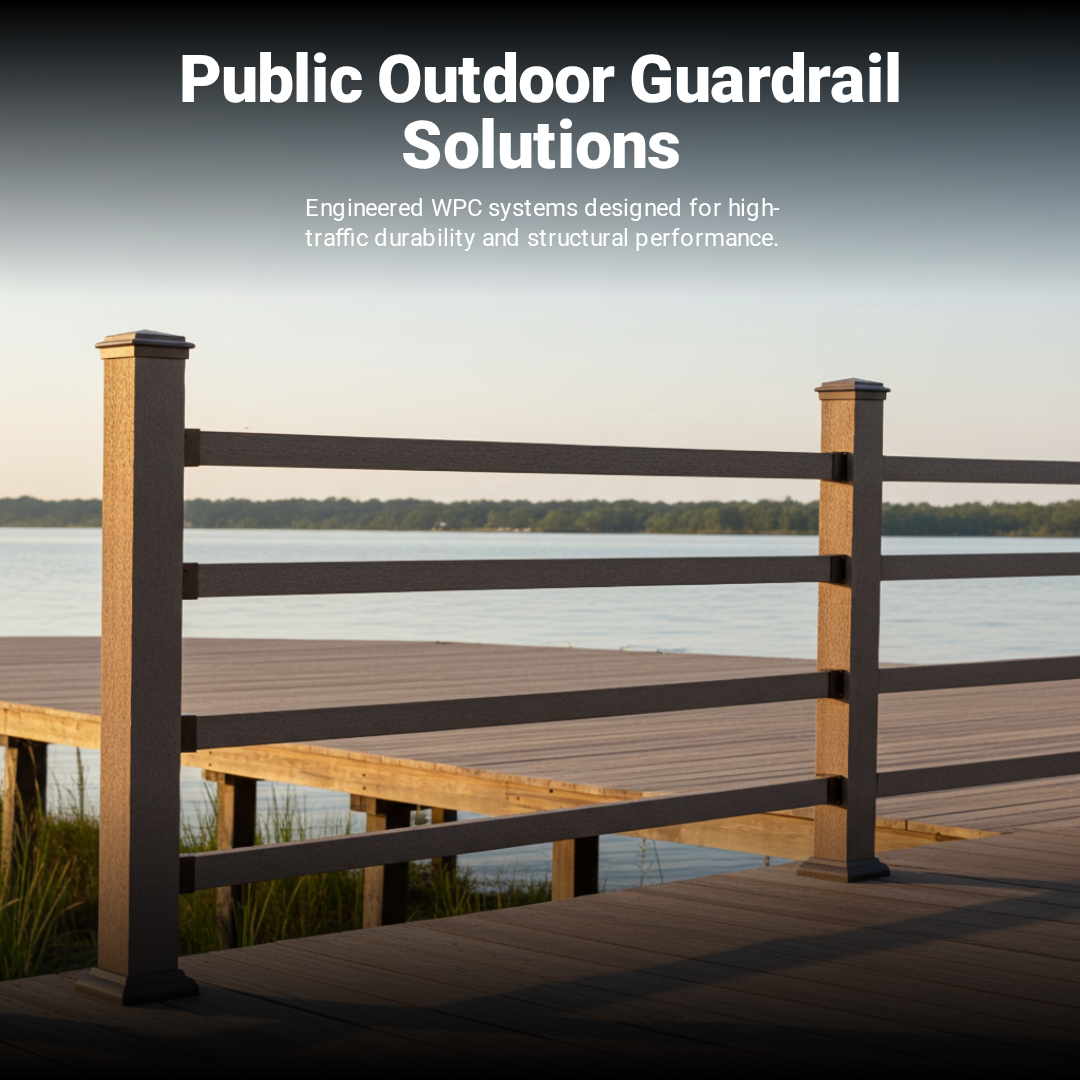
Outdoor public installations require robust safety measures to protect visitors while maintaining aesthetic appeal and long-term durability. The selection of appropriate outdoor guardrails plays a crucial role in ensuring public safety across parks, walkways, bridges, and recreational facilities. These protective barriers must withstand environmental challenges while providing reliable protection for pedestrians and maintaining visual harmony with surrounding landscapes. Understanding the various types of outdoor guardrails available and their specific applications helps facility managers make informed decisions that balance safety requirements with budget considerations and maintenance needs.
Material Considerations for Public Safety Barriers
Steel and Metal Guardrail Systems
Steel remains one of the most popular materials for outdoor guardrails in public installations due to its exceptional strength and structural integrity. Galvanized steel guardrails offer superior resistance to corrosion and can withstand significant impact forces, making them ideal for high-traffic areas and locations where safety is paramount. The material provides excellent longevity when properly treated with protective coatings and regular maintenance schedules. Steel outdoor guardrails can be customized with various finishes and designs to complement architectural styles while meeting stringent safety codes and regulations.
Aluminum guardrails present an attractive alternative for installations where weight considerations are important or where frequent maintenance access is required. These lightweight yet durable outdoor guardrails resist corrosion naturally and require minimal upkeep compared to traditional steel options. Aluminum systems often feature modular designs that facilitate easy installation and future modifications, making them particularly suitable for temporary installations or areas where configuration changes may be necessary over time.
Composite and Advanced Materials
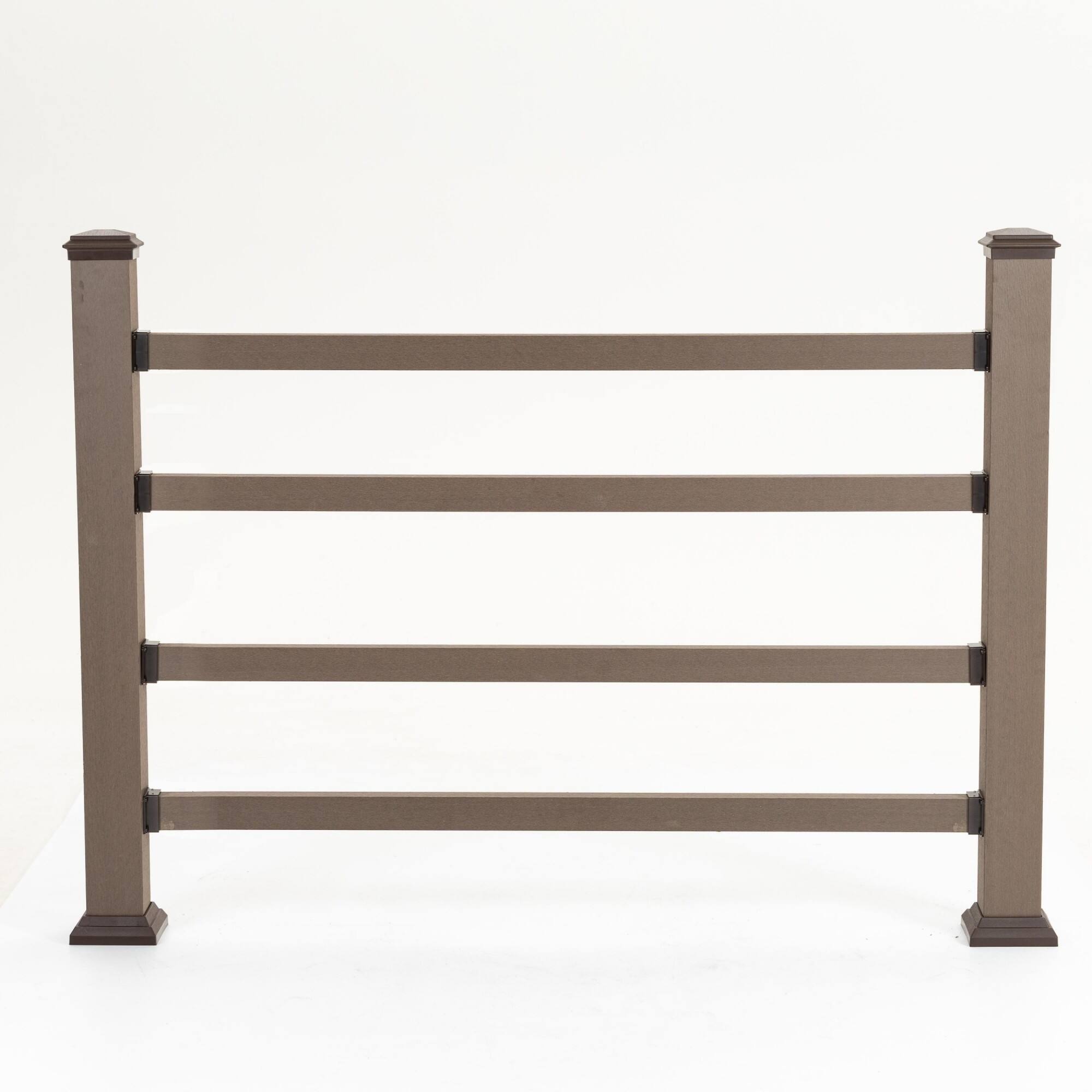
Wood-plastic composite materials have gained significant traction in outdoor guardrail applications due to their unique combination of natural aesthetics and synthetic durability. These innovative outdoor guardrails offer the visual appeal of traditional wood while providing enhanced resistance to moisture, insects, and weathering. Composite guardrails typically require less maintenance than natural wood alternatives and maintain their appearance longer under harsh environmental conditions, making them cost-effective choices for long-term public installations.
Advanced polymer and fiberglass guardrails represent cutting-edge solutions for specialized outdoor applications where traditional materials may not perform optimally. These outdoor guardrails offer exceptional chemical resistance and electrical insulation properties while maintaining structural integrity across wide temperature ranges. Their lightweight nature simplifies installation procedures while their non-conductive properties make them suitable for areas near electrical equipment or sensitive installations.
Design Standards and Safety Requirements
Height and Spacing Regulations
Building codes and safety standards establish specific requirements for outdoor guardrails in public installations, with height specifications typically ranging from 36 to 42 inches depending on the application and local regulations. These standards ensure that guardrails provide adequate protection while allowing for appropriate visibility and accessibility. The spacing between balusters or panels must prevent passage of objects that could pose safety hazards, particularly in areas frequented by children or where small objects could create risks if dropped through gaps.
Load-bearing capacity represents another critical aspect of outdoor guardrails design, with systems required to withstand both static loads and dynamic forces from wind, crowds, or impact events. Professional engineers must calculate appropriate load factors based on expected usage patterns, environmental conditions, and safety margins established by relevant building codes. These calculations ensure that outdoor guardrails maintain structural integrity under all anticipated conditions while providing reliable protection for public users.
Accessibility and Universal Design
Modern outdoor guardrails must incorporate accessibility features that accommodate users with various physical abilities and mobility devices. Handrail extensions, appropriate gripping surfaces, and clear pathway widths ensure that protective barriers enhance rather than impede accessibility for all public users. Universal design principles guide the development of outdoor guardrails that serve diverse populations while maintaining safety effectiveness and aesthetic appeal across different user groups and age ranges.
Visual contrast and tactile elements help users with visual impairments safely navigate areas protected by outdoor guardrails while providing clear delineation of safe pathways and potential hazards. Strategic placement of contrasting colors, textures, or materials ensures that guardrails remain visible under various lighting conditions and weather circumstances, enhancing overall safety for all users regardless of their individual capabilities or limitations.
Environmental Durability and Weather Resistance
Climate-Specific Considerations
Regional climate conditions significantly influence the selection and performance of outdoor guardrails in public installations. Areas with high humidity, salt exposure, or frequent precipitation require guardrail systems with enhanced corrosion resistance and moisture management capabilities. Coastal installations face particular challenges from salt air and wind-driven debris, necessitating specialized coatings or material selections that maintain structural integrity under aggressive environmental conditions.
Temperature fluctuations create expansion and contraction cycles that outdoor guardrails must accommodate without compromising structural integrity or connection points. Materials with appropriate thermal expansion coefficients and flexible mounting systems ensure that guardrails maintain proper alignment and functionality across seasonal temperature variations. Cold climate installations may require additional considerations for ice formation, snow loading, and freeze-thaw cycles that could affect long-term performance and safety characteristics.
UV Protection and Surface Treatments
Ultraviolet radiation from sunlight gradually degrades many materials used in outdoor guardrails, requiring protective treatments or inherently UV-resistant material selections. Advanced coating systems, UV stabilizers, and surface treatments extend the service life of outdoor guardrails while maintaining their appearance and structural properties over extended exposure periods. Regular inspection and maintenance schedules help identify early signs of UV degradation before they compromise safety or aesthetic performance.
Surface finishes and textures play important roles in both aesthetics and functionality of outdoor guardrails, with slip-resistant surfaces essential for handrail applications and smooth finishes preferred where cleaning and maintenance are priorities. Specialized coatings can provide additional properties such as graffiti resistance, easy cleaning, or enhanced visibility while maintaining the primary protective function of the guardrail system throughout its service life.
Installation and Maintenance Requirements
Foundation and Mounting Systems
Proper foundation design and installation techniques are crucial for the long-term performance of outdoor guardrails in public settings. Concrete footings, anchor bolt systems, and mounting hardware must be sized and installed according to engineering specifications that account for expected loads, soil conditions, and environmental factors. The quality of installation directly affects the safety and longevity of outdoor guardrails, making professional installation and inspection essential for public safety applications.
Modular mounting systems offer advantages for outdoor guardrails where future modifications or replacement may be necessary, allowing for easier maintenance access and system updates without major reconstruction projects. These systems can accommodate settling, minor alignment adjustments, and component replacement while maintaining overall system integrity and compliance with safety standards throughout the installation's service life.
Preventive Maintenance Programs
Regular maintenance schedules ensure that outdoor guardrails continue to provide reliable protection throughout their design life while maintaining aesthetic appeal and compliance with safety standards. Inspection protocols should address structural integrity, connection tightness, surface condition, and any signs of wear or damage that could compromise performance. Preventive maintenance typically proves more cost-effective than reactive repairs while ensuring continuous safety protection for public users.
Documentation of maintenance activities, inspection findings, and repair work creates valuable records for liability protection and helps optimize maintenance schedules based on actual performance data. These records also support warranty claims, insurance requirements, and regulatory compliance while providing insights for future outdoor guardrails selections and installation improvements based on real-world performance experience.
Cost Analysis and Budget Planning
Initial Investment Considerations
The initial cost of outdoor guardrails encompasses material expenses, installation labor, engineering design, and permit fees that vary significantly based on system complexity, site conditions, and local requirements. While higher-quality materials and systems may require greater upfront investment, they often provide superior long-term value through reduced maintenance needs, extended service life, and enhanced safety performance that justifies the additional initial expense.
Site preparation requirements can significantly impact the total installation cost of outdoor guardrails, particularly in challenging terrain or areas with existing infrastructure conflicts. Careful site evaluation and planning help identify potential complications early in the project timeline, allowing for accurate budget development and avoiding costly changes during construction phases that could delay project completion or exceed allocated budgets.
Long-Term Economic Benefits
Life-cycle cost analysis provides a comprehensive view of outdoor guardrails economics by considering maintenance expenses, replacement schedules, and operational impacts over the system's expected service life. High-quality guardrail systems often demonstrate superior economic performance when evaluated over extended time periods, despite higher initial costs, through reduced maintenance requirements and longer replacement intervals that minimize total ownership expenses.
Risk mitigation benefits of properly selected and installed outdoor guardrails include reduced liability exposure, improved safety records, and enhanced public confidence in facility management. These intangible benefits complement direct cost savings and contribute to overall facility value while supporting organizational reputation and regulatory compliance objectives that extend beyond immediate financial considerations.
FAQ
What is the typical lifespan of outdoor guardrails in public installations
The lifespan of outdoor guardrails varies significantly based on material selection, environmental conditions, and maintenance practices, with high-quality systems typically lasting 15 to 30 years or more. Steel guardrails with proper protective coatings can provide decades of reliable service, while composite materials often maintain their performance characteristics for 20 to 25 years under normal conditions. Regular maintenance and inspection programs can extend system life significantly by addressing minor issues before they develop into major problems requiring expensive repairs or premature replacement.
How do weather conditions affect the selection of outdoor guardrails
Climate considerations play a crucial role in outdoor guardrails selection, with coastal areas requiring enhanced corrosion resistance, cold climates demanding materials that withstand freeze-thaw cycles, and high-UV environments necessitating superior sun protection. Materials like galvanized steel perform well in most climates when properly coated, while composite materials offer consistent performance across diverse environmental conditions. Site-specific environmental assessments help identify the most appropriate guardrail materials and treatments for long-term performance in specific climate conditions.
What safety standards govern outdoor guardrails in public spaces
Public outdoor guardrails must comply with building codes, accessibility standards, and safety regulations that vary by jurisdiction and application type. Common requirements include minimum height specifications, maximum spacing between components, load-bearing capacity standards, and accessibility features for universal design compliance. Professional engineers and certified installers ensure that outdoor guardrails meet all applicable codes and standards while providing appropriate safety protection for intended users and applications.
How can maintenance costs be minimized for outdoor guardrails
Preventive maintenance programs, quality material selection, and proper installation techniques significantly reduce long-term maintenance costs for outdoor guardrails while ensuring reliable safety performance. Regular cleaning, inspection schedules, and prompt attention to minor issues prevent small problems from developing into expensive repairs or safety hazards. Selecting materials with proven durability in specific environmental conditions and working with experienced installers minimizes future maintenance requirements while maximizing the service life and safety performance of outdoor guardrails installations.