
 EN
EN
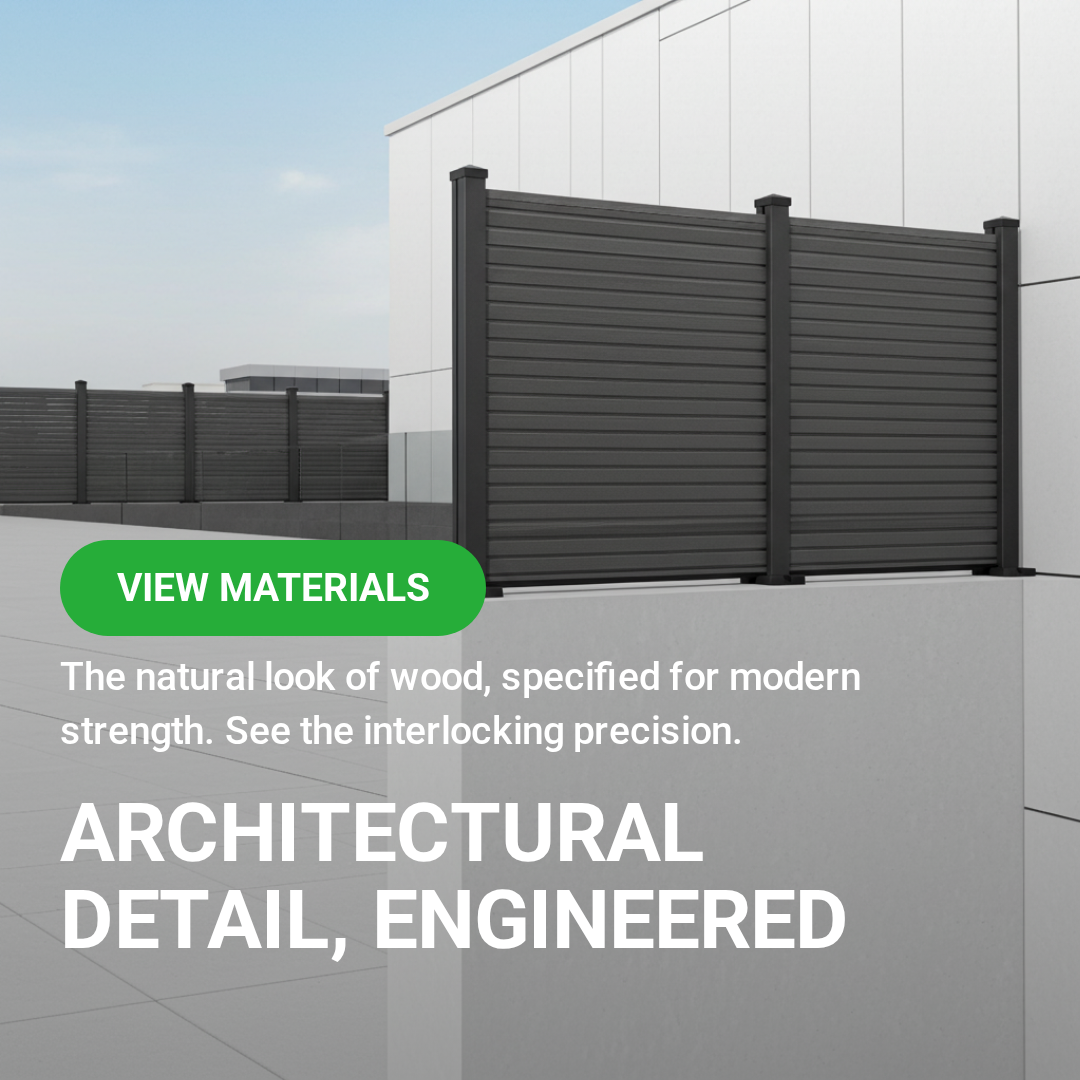
Modern property owners increasingly seek fencing solutions that combine durability, aesthetic appeal, and minimal upkeep requirements. Among the various options available in today's market, aluminum alloy fence systems have emerged as a premier choice for residential and commercial applications. These innovative fencing solutions offer superior performance characteristics while significantly reducing the time and expense associated with ongoing maintenance tasks.
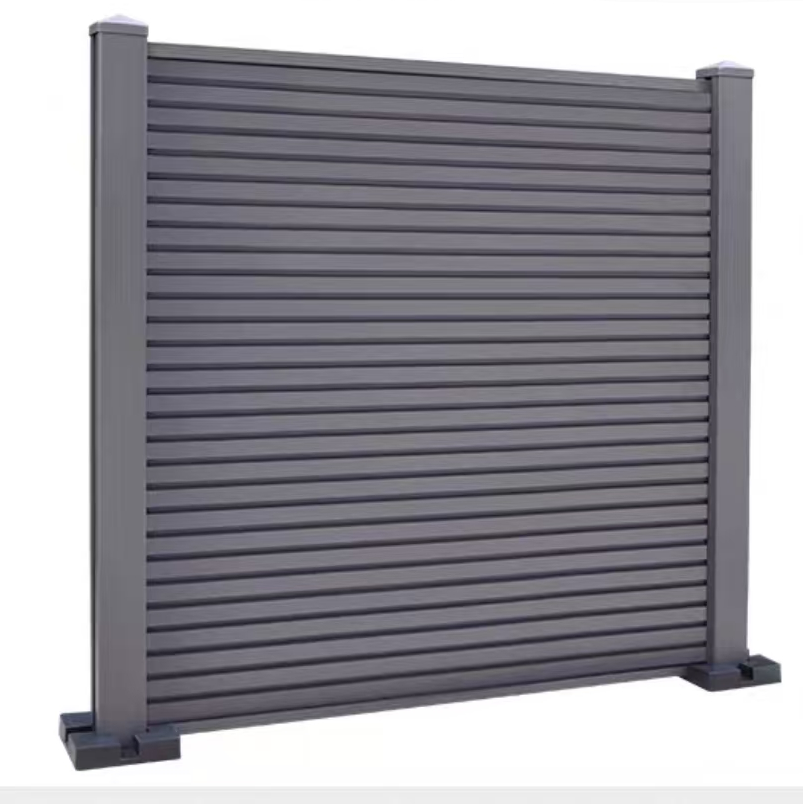
The construction industry has witnessed remarkable advancements in metal fabrication technologies, enabling manufacturers to create fencing systems that deliver exceptional longevity without compromising visual appeal. Understanding the specific features that make these systems virtually maintenance-free helps property owners make informed decisions when selecting perimeter security solutions for their investments.
Corrosion Resistance Technology
Advanced Alloy Composition
The exceptional durability of aluminum alloy fence systems stems from their sophisticated metallurgical composition. Unlike traditional steel fencing that relies heavily on protective coatings, aluminum naturally forms a protective oxide layer when exposed to atmospheric conditions. This self-healing characteristic ensures that minor scratches or surface imperfections do not lead to progressive deterioration over time.
Manufacturing processes incorporate specific aluminum grades that enhance corrosion resistance properties. The 6063-T6 alloy commonly used in premium fencing applications contains magnesium and silicon elements that strengthen the material while maintaining excellent formability. These alloying elements create a stable matrix that resists environmental degradation even in challenging coastal or industrial environments.
Protective Coating Systems
Modern aluminum alloy fence installations feature advanced powder coating technologies that provide additional protection beyond the inherent material properties. These electrostatically applied finishes create uniform coverage that bonds molecularly with the aluminum substrate. The resulting surface exhibits superior adhesion characteristics compared to traditional liquid paint systems.
Polyester-based powder coatings offer exceptional ultraviolet radiation resistance, preventing color fading and surface chalking that commonly affects other fencing materials. The thermal curing process creates a cross-linked polymer network that maintains flexibility while providing excellent impact resistance. This combination ensures that the protective barrier remains intact throughout extended service periods without requiring periodic refinishing.
Weather Resistance Properties
Thermal Expansion Management
Temperature fluctuations present significant challenges for fencing systems, particularly in regions experiencing extreme seasonal variations. Aluminum alloy fence designs incorporate engineered connection methods that accommodate thermal movement without compromising structural integrity. Specialized mounting hardware allows controlled expansion and contraction cycles.
The linear expansion coefficient of aluminum requires careful consideration during installation planning. Professional installation techniques include proper spacing calculations and flexible connection points that prevent stress concentration at critical joints. These design features eliminate the warping and binding issues commonly encountered with rigid fencing systems manufactured from alternative materials.
Moisture Management Systems
Water infiltration represents a primary cause of premature fencing system failure across various material types. Aluminum alloy fence designs incorporate drainage features that prevent moisture accumulation in critical areas. Sloped surfaces and strategic drainage holes ensure that water runoff occurs efficiently without creating stagnant pools that could accelerate corrosion processes.
Post installation methods include effective sealing techniques that prevent water intrusion into mounting points while maintaining accessibility for future maintenance activities. Specialized gaskets and weatherstripping materials create reliable barriers against moisture penetration without restricting normal thermal movement cycles.
Surface Treatment Technologies
Anodization Processes
Anodizing represents one of the most effective surface treatment methods available for aluminum alloy fence applications. This electrochemical process creates a controlled oxide layer that is significantly thicker and more durable than the naturally occurring protective film. The resulting surface exhibits exceptional hardness and wear resistance while maintaining the underlying material's beneficial properties.
Different anodization techniques produce varying surface characteristics suited to specific environmental conditions. Clear anodizing preserves the natural aluminum appearance while providing enhanced protection, whereas colored anodizing incorporates decorative elements without sacrificing performance. The integral nature of anodized surfaces means that the protective layer cannot chip or peel like applied coatings.
Multi-Layer Protection Systems
Premium aluminum alloy fence systems often incorporate multiple protective layers that work synergistically to maximize service life. Initial surface preparation through mechanical or chemical cleaning removes contaminants that could compromise adhesion. Subsequent primer application creates an ideal substrate for topcoat adhesion while providing additional corrosion resistance.
Topcoat selection considers specific performance requirements including color retention, gloss maintenance, and chemical resistance. Fluoropolymer-based systems offer superior performance in harsh environments but require higher initial investment. Polyester systems provide excellent value for most applications while delivering reliable long-term performance characteristics.
Installation and Design Features
Modular Construction Benefits
The modular nature of aluminum alloy fence systems significantly reduces installation complexity while enhancing long-term serviceability. Standardized components ensure consistent quality and enable efficient assembly processes that minimize labor requirements. Pre-engineered connection methods eliminate the need for field welding or complex fabrication activities that could compromise system integrity.
Modular designs facilitate future modifications or repairs without requiring complete system replacement. Individual panels or posts can be replaced independently, reducing maintenance costs and minimizing disruption to property operations. This flexibility proves particularly valuable in commercial applications where operational continuity is essential.
Hardware and Fastener Selection
Hardware compatibility represents a critical factor in maintaining aluminum alloy fence system performance over extended periods. Galvanic corrosion occurs when dissimilar metals contact each other in the presence of moisture, potentially causing accelerated deterioration. Proper material selection ensures that all system components exhibit compatible electrochemical properties.
Stainless steel fasteners provide excellent corrosion resistance while maintaining compatibility with aluminum components. Specialized coatings on steel hardware elements create effective barriers that prevent galvanic reactions. Plastic isolation components can be incorporated where direct metal-to-metal contact is unavoidable, ensuring long-term system reliability.
Economic Considerations
Lifecycle Cost Analysis
While aluminum alloy fence systems may require higher initial investment compared to some alternatives, lifecycle cost analysis demonstrates superior economic value over extended service periods. Reduced maintenance requirements eliminate recurring expenses associated with painting, rust removal, and component replacement activities that plague traditional steel fencing installations.
Insurance considerations may favor aluminum alloy fence selections due to their superior fire resistance and wind load capabilities. These factors can translate into reduced premium costs over the system's service life. Additionally, the recyclable nature of aluminum provides residual value at end-of-life, partially offsetting initial investment costs.
Maintenance Scheduling Optimization
Effective maintenance scheduling for aluminum alloy fence systems focuses primarily on cleaning and inspection activities rather than corrective repairs. Annual washing with mild detergent solutions removes accumulated dirt and pollutants that could affect appearance. Periodic inspection of mounting hardware ensures that connection integrity is maintained throughout the service period.
Proactive maintenance approaches identify potential issues before they develop into costly problems. Simple procedures such as lubricating gate hinges and adjusting closure mechanisms prevent premature wear while maintaining optimal functionality. Documentation of maintenance activities supports warranty claims and helps optimize future service scheduling.
FAQ
How long does an aluminum alloy fence typically last without major maintenance
A properly installed aluminum alloy fence system can provide 20-30 years of reliable service with minimal maintenance requirements. The natural corrosion resistance of aluminum, combined with modern protective coatings, ensures that the fence maintains its structural integrity and appearance throughout this period. Regular cleaning and periodic inspection are typically the only maintenance activities required.
What environmental conditions can affect aluminum alloy fence performance
Aluminum alloy fence systems perform well in most environmental conditions, including coastal areas with salt exposure and urban environments with air pollution. Extreme temperature variations may require specific design considerations for thermal expansion management. Industrial environments with chemical exposure may necessitate specialized coating systems to maintain optimal performance over extended periods.
Can aluminum alloy fence systems be repaired if damage occurs
The modular design of aluminum alloy fence systems facilitates straightforward repair procedures. Individual panels, posts, or hardware components can be replaced without affecting adjacent sections. Minor surface damage can often be addressed through spot repairs using compatible touch-up materials. Professional assessment is recommended for significant structural damage to ensure proper repair techniques.
How do aluminum alloy fence systems compare to other low-maintenance options
Aluminum alloy fence systems offer superior performance compared to vinyl, wood composite, or steel alternatives in terms of durability and maintenance requirements. Unlike vinyl systems that can become brittle over time, aluminum maintains its mechanical properties throughout its service life. The material's strength-to-weight ratio exceeds that of most alternatives while providing excellent wind load resistance and impact tolerance.