
 EN
EN
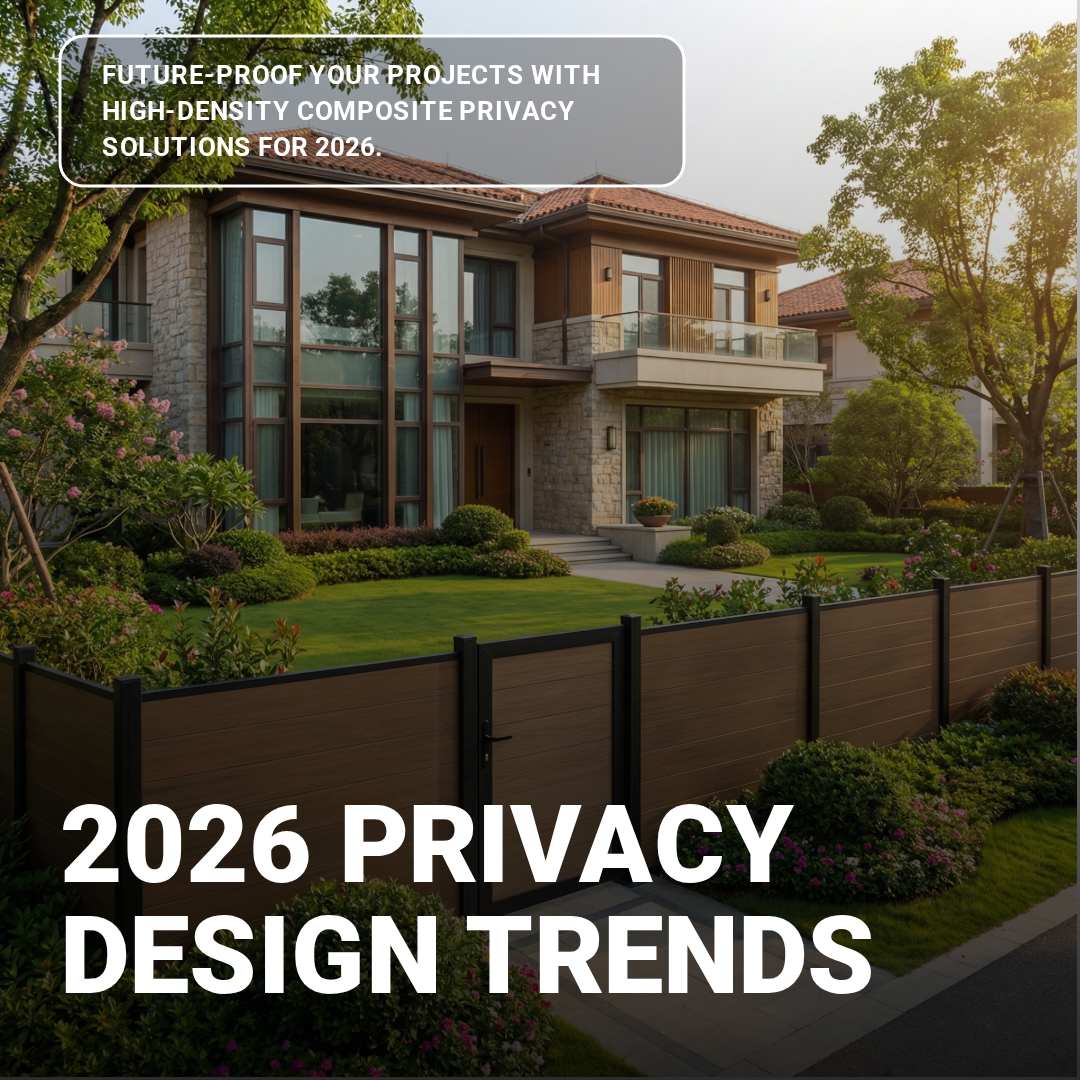
Privacy fences are essential for creating a serene outdoor space. They offer seclusion and enhance the aesthetic appeal of your property.
In recent years, composite materials have gained popularity for privacy fencing. These materials blend wood fibers and plastic, offering durability and low maintenance.
Composite fences are eco-friendly, often crafted from recycled materials. They provide a modern look, perfect for contemporary home designs.
The 2026 trends in composite privacy fencing focus on sustainability and innovation. Homeowners and designers are seeking eco-friendly and stylish solutions.
Composite fencing styles are diverse, including horizontal slats, lattice designs, and solid panels. These options cater to various tastes and preferences.
Composite fences mimic the appearance of natural wood without the upkeep. They are available in a range of colors and textures.
Installation is straightforward, often using interlocking panels. This makes composite fences a practical choice for DIY enthusiasts.
While the initial cost is higher, composite fences offer long-term savings. They require minimal maintenance, usually just soap and water.
Composite fences are resistant to rot, insects, and weather conditions. This makes them a long-lasting option for outdoor privacy solutions.
They are ideal for creating private spaces around pools or patios. Composite fences can also be paired with composite wood decks for a cohesive look.
Explore the latest trends and ideas in composite privacy fencing for 2026. Discover how these modern solutions can transform your outdoor space.
Why Choose Composite Materials for Privacy Fencing?
Composite materials are revolutionizing privacy fencing. They offer a blend of practicality, aesthetics, and sustainability. This makes them an excellent choice for modern homeowners.
Durability is one of the main advantages of composite materials. They resist rotting, insect damage, and adverse weather conditions. This ensures a long-lasting fence that requires minimal upkeep.
Homeowners appreciate the low maintenance requirements of composite fences. Unlike wood, they do not need regular painting or sealing. Simple cleaning with soap and water keeps them looking new.
Furthermore, composite fences present a more eco-friendly option. Many composites are produced using recycled materials. By choosing them, you're contributing to environmental conservation efforts.
Their versatility in design is unmatched. Composite fencing styles range from traditional to modern. This variety allows you to choose a style that complements your property’s design.
Additionally, composite fences come in an array of colors and textures. This flexibility enhances your ability to customize your outdoor space.
For the tech-savvy, composite fencing can easily integrate smart technology. For instance, you can incorporate automated gates or solar lighting solutions.
Consider the benefits that composite materials offer for privacy fencing:
Durability: Resistant to weather, insects, and rot.
Eco-Friendly: Often made from recycled components.
Low Maintenance: No need for frequent painting or sealing.
Aesthetics: Available in various styles, colors, and textures.
Versatility: Compatible with smart technologies and other materials.
Choosing composite materials for privacy fencing ensures a blend of beauty, sustainability, and function.
2026 Trends in Composite Privacy Fencing
The landscape of composite privacy fencing is rapidly evolving. In 2026, significant trends will dominate this space. These trends highlight an increasing focus on sustainability, aesthetics, and innovative designs.
Eco-consciousness is more critical than ever. Homeowners are looking for fence solutions that align with environmental sustainability. This drives the demand for eco-friendly materials and construction methods.
Designers are incorporating more technology into fencing. Smart fences with integrated lighting and security features are gaining popularity. They offer both functionality and safety for urban and suburban homes.
Customization options are expanding. Consumers now demand fences that reflect their personal style and preferences. This means more choices in colors, textures, and panels.
Privacy remains a top priority. New designs focus on maximizing privacy without sacrificing style. This balance is crucial for those in densely populated areas.
Integration with other outdoor elements is another trend. Fences are increasingly seen as part of a cohesive landscape design. They complement decks, patios, and garden features harmoniously.
Cost is also a significant consideration. People are seeking fences that offer long-term value. While initial costs may be high, low maintenance and durability ensure savings over time.
Flexibility in installation methods is an evolving trend. DIY solutions are on the rise, enabling homeowners to install their fences easily. Professional installations are still available for more complex setups.
Here are some key upcoming trends:
Eco-Friendly Materials: Recycled and sustainable components.
Smart Technologies: Integration with home automation systems.
Cost-Effectiveness: Focus on lifecycle value.
The aesthetics of privacy fencing are changing rapidly. Styles are becoming more diverse, catering to an array of tastes. This makes it easier for homeowners to find a perfect match for their property.
Sustainability and Eco-Friendly Fencing
Eco-friendly fencing is at the forefront of 2026 trends. Rising environmental awareness continues to influence consumer preferences. Composite materials, often made from recycled elements, are leading this charge.
Many manufacturers highlight their sustainable practices. They leverage recycled wood and plastic, reducing the strain on natural resources. This eco-conscious approach appeals to savvy consumers.
Carbon footprints are minimized through efficient production processes. Manufacturers are increasingly transparent about their methods and materials. This transparency builds trust with eco-conscious buyers.
Additionally, sustainable fencing minimizes waste. When a composite fence reaches the end of its lifespan, it can often be recycled. This reduces landfill contributions and supports a circular economy.
Choosing an eco-friendly fence does not mean compromising on style. Innovations allow for beautiful designs crafted from sustainable materials. Aesthetic and environmental priorities can coexist harmoniously.
To adopt eco-friendly practices in your fencing:
Opt for Recycled Materials: Choose brands that prioritize recycled resources.
Consider Lifecycle Impacts: Look at the entire lifespan of the fencing materials.
Support Sustainable Brands: Favor companies with strong environmental commitments.
Sustainable fencing options empower homeowners. They can reduce environmental impacts while enhancing their outdoor aesthetics. This dual benefit is increasingly attractive in today's market.
Modern Aesthetics: Colors, Textures, and Finishes
Aesthetic considerations are a key aspect of modern fencing. Today’s composite materials offer an array of color options, allowing for distinct creativity. These choices cater to diverse personal tastes and architectural styles.
Neutral hues remain popular. Colors like gray, taupe, and black offer a timeless elegance. They work well in modern and minimalist outdoor settings.
For those seeking bolder visuals, vibrant colors are available too. Bright blues, greens, and even reds can be found in composite fencing. These bold hues serve as striking focal points in any landscape design.
Textures have evolved significantly. Innovations in composite manufacturing allow for realistic wood grain textures. Fences can mimic the appearance of traditional wood while offering the durability of composite materials.
Finish options range from glossy to matte. A matte finish offers a subtle, sophisticated look. In contrast, glossy finishes add a touch of modern elegance.
Key aesthetic trends include:
Neutral and Bold Color Schemes: For both subtle and eye-catching appearances.
Realistic Wood Grains: Providing the look of wood without maintenance.
Varied Finishes: Offering customization from matte to glossy.
The aesthetic aspects of composite fencing are as vital as its functionality. These elements create visually appealing and durable outdoor environments.
Innovative Composite Fencing Styles
Innovation in fencing styles is reaching new heights. Composite fencing offers diverse design styles that suit various tastes. This innovation caters to both contemporary and traditional preferences.
Horizontal slat designs remain a top choice. These provide a sleek, modern look that fits well with minimalist architecture. They also offer excellent privacy control.
Vertical and mixed-material fences are increasingly popular. Combining composites with other materials like metal or stone adds depth. This method blends durability with aesthetic appeal.
Louvered and layered fences introduce dynamic visual effects. Louvers allow for adjustable light and airflow. Layered designs provide increased privacy with a unique aesthetic.
Decorative panels bring opportunities for personalization. With customizable patterns, your fence can reflect your personality and style. This feature makes a simple fence stand out.
In summary, popular styles include:
Horizontal Slats: For a modern, clean look.
Mixed Materials: Combining elements for unique aesthetics.
Louvered Panels: For adjustable light control.
Innovative styles in composite fencing enhance privacy and value. They provide aesthetic flexibility and meet diverse needs in modern design.
Horizontal Slat Designs
Horizontal slat designs offer a contemporary aesthetic. They're perfect for homeowners seeking sleek, modern fencing solutions. The clean lines create an elegant and understated look.
These designs maximize light while maintaining privacy. The alignment of slats allows for airflow yet blocks sightlines. This balance is ideal for suburban settings.
Materials in these fences often mimic natural wood. This gives the look of traditional timber without the associated maintenance. The durability of composite materials adds practical benefits.
Installation is generally straightforward. Interlocking panels or slats make the construction process efficient. DIY enthusiasts find horizontal slat fences appealing for this reason.
Key features of horizontal slat fencing:
Modern Aesthetic: Clean, linear appearance.
Light and Airflow Control: Optimal balance with privacy.
Easy Installation: Facilitates DIY projects.
Horizontal slat designs continue to trend due to their versatility and style. Their appeal crosses aesthetic boundaries, fitting into various environments.
Vertical and Mixed-Material Fences
Vertical fencing remains a classic choice. It embodies traditional elegance with the reliability of composite materials. The vertical layout is versatile and pairs beautifully with various architectural styles.
Mixed-material fences add a unique touch. Combining composites with materials like metal or brick elevates the visual appeal. This mixture provides both aesthetic diversity and structural integrity.
Such fences can be customized to meet specific needs. The combination of materials allows for unique designs that reflect personal taste. They offer an ideal way to blend modern and classic elements.
These fences are robust and durable. The use of composite materials ensures resilience in different environments. They provide lasting protection and privacy.
Characteristics of vertical and mixed-material fences include:
Classic Vertical Designs: Timeless and versatile.
Material Blends: Mixing elements for distinctive looks.
Customization: Personalize to complement your style.
The fusion of vertical and mixed-material designs offers dynamic and customized fencing solutions. It allows homeowners to express personal style while ensuring durability.
Louvered and Layered Privacy Fences
Louvered fences provide adjustable privacy. With moveable slats, they allow for light and air control. This style adds both functionality and a contemporary aesthetic.
Layered designs use overlapping panels. This creates depth and texture in privacy fencing. Layering offers enhanced soundproofing—a benefit in urban areas.
These designs cater to those who prioritize flexibility. Louvered fences suit varying privacy needs and adapt to changing sunlight. They are ideal for dynamic outdoor environments.
Layered fences shine in artistic design. The interplay of materials can create stunning visual effects. They invite creativity while maintaining privacy.
Essential points about louvered and layered fences:
Adjustable Louvers: Flexibility in light and privacy.
Textured Layers: Adds depth and artistic interest.
Adaptability: Versatile for changing needs.
Louvered and layered designs excel in areas demanding adaptability and visual sophistication. They promise innovative solutions without compromising on privacy.
Decorative and Customizable Panels
Decorative panels provide an opportunity for artistic expression. They offer functional privacy with unique visual charm. These panels can transform simple fencing into eye-catching art.
Customization options are extensive. From intricate cut-out patterns to geometric designs, possibilities are vast. Your fence can reflect personal style and complement your home’s architecture.
Such fences enhance curb appeal. Decorative elements can make a significant impact on your property's overall look. They add value and distinction to residential spaces.
Installation may vary depending on complexity. Some panels require professional handling. Others offer straightforward DIY methods, making them accessible for all levels.
Traits of decorative and customizable panels are:
Artistic Designs: Transforming fences into visual art.
Extensive Customization: From patterns to colors.
Curb Appeal Enhancement: Elevates property aesthetics.
Decorative panels combine artistry with privacy. They allow for personalized and visually engaging outdoor solutions.
Composite Fence Designs for Every Backyard
Composite fencing offers versatile solutions for various backyard sizes and styles. With numerous designs available, homeowners can customize their outdoor spaces to suit their needs. Each design combines practicality with aesthetic appeal, ensuring a balance between beauty and function.
For small backyards, compact and efficient designs can maximize space. These fences ensure privacy without overwhelming limited areas. Horizontal slat designs are particularly popular, providing the illusion of width and opening up smaller spaces visually.
In large yards or estates, grand and expansive designs can create elegant boundaries. These fences often integrate mixed materials for added depth and visual interest. They can serve as a backdrop for extensive landscapes or garden features.
Poolside areas demand special attention to privacy and style. Composite fences designed for these areas often include additional features for security and weather resistance, maintaining aesthetics while offering peace of mind.
Integrating fences with composite wood decks can create harmonious outdoor spaces. These combinations provide a seamless transition from one area to another, enhancing the overall flow of the backyard. Choosing complementary colors and textures further unifies the design.
Customization remains a key feature in composite fence designs. Homeowners can choose from numerous colors, textures, and patterns to match their unique tastes. This personalization ensures each fence is not just functional but also a true reflection of the home’s character.
Here are some popular features:
Horizontal Slats: Ideal for small spaces.
Mixed-Material Designs: Perfect for large yards.
The range of composite fence designs caters to every backyard need. Whether small or spacious, these options provide beauty, privacy, and practicality.
Small Backyard Privacy Ideas
Small backyards demand smart privacy solutions. Composite fences provide perfect options for these compact spaces. They ensure privacy without sacrificing space or style.
Horizontal slat fences work wonders in small areas. Their design draws the eye horizontally, expanding perceived space. This creates a modern, open feel.
Choosing lighter colors can also enhance the sense of space. Light shades of gray or natural wood tones reflect more light, making the area appear larger.
To add depth, consider incorporating greenery. Using climbing plants on your fence adds texture and natural beauty. This is a simple way to liven up your small backyard.
Another feature to consider is adding vertical elements. Using trellises for plants or decorative panels brings visual interest without taking up valuable space.
Key strategies for small backyards include:
Horizontal Slat Fences: Enhances space perception.
Light Colors: Opens and brightens the area.
Climbing Plants: Adds depth and interest.
Small backyard designs can be both practical and stylish, ensuring privacy while maximizing available space.
Large Yard and Estate Solutions
Large yards and estates benefit from expansive fencing solutions. These designs not only provide privacy but also define and enhance the property’s grandeur. They serve as both security barriers and aesthetic enhancers.
Mixed-material designs offer depth and sophistication. Combining composite with materials like metal or stone can break the monotony of a single-material fence. These combinations provide visual interest without sacrificing durability.
Larger structures can incorporate decorative elements. Consider arches or gates with intricate designs to elevate the visual appeal. Such features become focal points within the larger landscape.
Choosing taller fences increases privacy and security. This is particularly beneficial for sprawling properties where boundaries may not be immediately evident.
Landscaping integrates beautifully with composite fences in large areas. The fence can serve as a backdrop for tiered gardens, hedges, or flower beds, further enhancing curb appeal.
Consider these strategies for large areas:
Mixed Materials: For visual interest and uniqueness.
Decorative Gates and Features: Elevates overall design.
By focusing on expansive designs, homeowners can transform large outdoor spaces into elegant and secure environments.
Poolside and Patio Privacy
Poolside areas require specialized fencing solutions. Privacy and safety are priorities while maintaining a pleasant aesthetic. Composite materials excel in meeting these needs.
For poolside fencing, moisture-resistant materials are crucial. Composite fences withstand humidity better than traditional wood. They offer a long-lasting solution without compromising on style.
Tall fences offer increased privacy. They prevent visibility from neighboring properties, providing a secluded outdoor oasis.
Incorporating elements like frosted glass panels can add a modern, sleek appeal. They blend well with composite materials, enhancing both beauty and functionality.
Security is another key feature. Gates should be lockable, ensuring the safety of children and pets. This aligns with both aesthetic and safety standards.
Composite fences also withstand sunlight exposure. They resist fading, retaining their vibrant colors over time even under harsh UV rays.
Consider these elements for poolside privacy:
Moisture-Resistant: Durable under wet conditions.
Frosted Panels: For a modern touch and added privacy.
Composite fences around pools provide a secure, stylish solution for maintaining privacy while enjoying outdoor spaces.
Composite Wood Deck with Privacy Fence Ideas
A composite wood deck paired with a privacy fence creates a cohesive outdoor space. This combination offers both functional and aesthetic benefits. Composite materials ensure durability and a seamless flow between decking and fencing.
When designing these spaces, color coordination is key. Selecting similar colors and finishes for the deck and fence unifies the design. It creates an inviting and harmonious outdoor area.
Privacy screens integrated into the deck offer additional seclusion. These screens can block sightlines while adding to the deck’s architectural interest. Customizable panels allow for varied light and visibility levels.
Deck railings can be matched with the composite fence design. This creates continuity throughout the outdoor area. Choosing matching materials and styles ensures a polished look.
Incorporating planters or built-in seating provides multi-functional use of the deck. These elements enhance comfort and usability while maintaining the cohesive design. It also adds greenery, further enhancing the space’s aesthetics.
For a cohesive deck and fence combo, consider:
Color and Finish Coordination: Ensure a unified look.
Privacy Screens: Provides additional seclusion.
Integrated Planters and Seating: Increases functionality and appeal.
A composite wood deck combined with a privacy fence offers a blend of utility and elegance. This allows for personalized, functional, and beautiful outdoor living spaces.
Durability and Maintenance: What to Expect from Composite Fencing
Composite fences are renowned for their durability and low maintenance. These attributes make them an appealing choice for many homeowners looking for long-lasting solutions.
One significant advantage is resistance to harsh weather conditions. Unlike wood, composite materials do not warp or crack easily, even in extreme temperatures. This ensures the fence maintains its structural integrity over time.
Additionally, composite fences are designed to withstand moisture and humidity. They resist rot and mildew, common issues with traditional wooden fences. This moisture resilience contributes to a longer lifespan.
Another benefit is the resistance to insects. Composite materials are not susceptible to termite damage, unlike natural wood. This provides peace of mind, especially in areas prone to pest issues.
Maintaining a composite fence requires minimal effort. Typically, a simple cleaning with soap and water keeps the fence looking fresh. This low-maintenance aspect reduces the ongoing costs and labor associated with fence upkeep.
Composite fences are also UV-resistant, preventing color fading over time. They maintain their vibrant appearance, ensuring lasting curb appeal.
Key points about the durability and maintenance of composite fencing include:
Weather Resistance: Withstands extreme temperatures and moisture.
Insect Resistance: Not vulnerable to termite damage.
Low Maintenance: Simple cleaning keeps it looking new.
In summary, composite fencing offers a robust and low-effort solution for maintaining privacy and aesthetic appeal.
Installation Options: DIY vs. Professional
When it comes to installing composite fences, you can choose between DIY installation or hiring professionals. Each option offers unique benefits and considerations that suit different needs and budgets.
DIY installation is an attractive choice for hands-on homeowners. With this approach, you can personalize your fence while potentially saving money. Many composite fencing systems are designed for easy assembly and often include detailed instructions and pre-measured components. This helps simplify the process for those with some basic tools and a bit of patience.
On the other hand, professional installation ensures expertise and efficiency. Contractors bring experience, which can make the installation quicker and more precise. This option reduces the risk of mistakes and offers reassurance that your fence is installed correctly. Professionals can also handle challenges, such as uneven terrains or complicated site layouts, with greater ease.
The choice between DIY and professional installation often depends on the complexity of your project and your skill level. For larger, more intricate projects, or if time is of the essence, hiring professionals might be the preferred route.
Key considerations for each installation option include:
DIY Benefits: Cost-effective, personal satisfaction, and learning opportunity.
Professional Advantages: Expertise, time-saving, and handling of complex situations.
Ultimately, the decision should align with your comfort level, budget, and project needs.
Retrofitting and Upgrading Existing Fences
Updating existing fences with composite materials can breathe new life into your outdoor space. Retrofitting allows you to integrate modern aesthetics without starting from scratch, offering a practical solution to enhance durability and appearance.
One advantage of retrofitting is the ability to reuse parts of your existing structure. This can reduce costs and environmental impact. Often, composite panels are compatible with existing posts and frames, making the process seamless.
Upgrading to composite also improves overall resilience. Existing fences made from wood or other materials can benefit from the weather-resistant and insect-resistant properties of composite materials.
Considerations when retrofitting include evaluating the current fence's condition and ensuring structural integrity. This assessment helps determine the feasibility of a partial update versus a full replacement.
Benefits of retrofitting existing fences include:
Cost Efficiency: Utilize existing materials where possible.
Improved Durability: Enhance resistance to elements and pests.
This approach offers both aesthetic and functional upgrades, revitalizing your outdoor area with minimal hassle.
Solutions for Slopes and Challenging Terrain
Installing fences on slopes or uneven ground presents unique challenges. However, composite materials offer flexible solutions to address these issues effectively.
One popular method is using stepped panels. Stepped installation involves placing panels in a series of steps, following the natural contour of the terrain. This maintains a consistent height across the fence line, providing both functionality and visual appeal.
Alternatively, raked panels can suit gradual slopes. Raked panels align with the slope, creating a seamless look. This method is less visually segmented than stepped panels and works well on slightly uneven surfaces.
For steeper slopes, professionals often recommend specialized anchor systems to ensure stability. These systems provide extra support, preventing sagging or instability over time.
Considerations for dealing with challenging terrains include:
Stepped Panels: Ideal for noticeable slopes, maintaining uniform heights.
Raked Panels: Suitable for gentle slopes, offering a smooth appearance.
Anchor Systems: Essential for securing fences on steep terrains.
Adapting your fencing approach to accommodate challenging landscapes ensures a sturdy and aesthetically pleasing result.
Cost Analysis: Upfront Investment and Long-Term Value
Investing in composite privacy fences requires careful financial consideration. The initial cost is typically higher compared to traditional wood or metal fencing. However, this initial expense often translates into long-term savings.
Composite materials are renowned for their durability. This resilience reduces the need for frequent repairs or replacements. Unlike wood, composite fences resist rot and pest damage. This means you avoid the costs associated with treating or replacing damaged sections.
Moreover, maintenance costs are minimal. Routine upkeep involves simply washing the fence with soap and water. This simplicity reduces the ongoing expenses commonly associated with traditional materials, such as painting or staining.
The aesthetics and longevity of composite fences can also enhance property value. A well-maintained fence adds curb appeal and attracts potential buyers. This can lead to a higher resale value, offsetting the initial investment.
Homeowners often see composite fencing as a sustainable choice. Its eco-friendly attributes can also appeal to environmentally conscious buyers, broadening your market reach.
Key points for cost analysis include:
Upfront Cost: Higher than traditional materials.
Maintenance Savings: Minimal upkeep required.
Property Value Increase: Enhanced aesthetics and durability.
In conclusion, while the initial cost is significant, the long-term benefits and value justification often outweigh the upfront investment. This balance makes composite fencing a prudent choice for many homeowners.
Enhancing Privacy and Security with Composite Fencing
Composite fences are an excellent choice for boosting privacy and security. They provide a solid barrier that is difficult to penetrate or peer through. This makes them ideal for securing residential areas.
The durability of composite materials further enhances security. It deters intruders since the sturdy construction is hard to breach. Composite fencing stands firm against heavy winds and weather, adding another layer of security assurance.
Moreover, composite fences offer height options, ensuring added privacy. Taller fences effectively block visibility from outside, creating a secluded outdoor environment for homeowners.
For those in noise-prone areas, composite fences are effective at sound insulation. This feature allows you to enjoy peace and quiet in your backyard sanctuary. This benefit is particularly useful in urban settings where noise can be a significant issue.
Key features of composite privacy and security include:
Height Versatility: Available in various heights for better privacy.
Sound Insulation: Helps reduce urban noise.
Durable Material: Sturdiness deters intruders.
In addition to these benefits, incorporating advanced technology can further secure your space. Read on to explore how smart fencing innovations can enhance your composite fencing experience.
Sound Reduction and Urban Privacy
Living in urban areas presents noise challenges. A composite fence helps buffer sound, creating a quieter space. It acts as a barrier, diminishing street sounds and busy neighborhood noises.
This sound reduction enhances backyard relaxation. You can enjoy your outdoor activities without the intrusion of unwanted noise. Composite materials offer excellent density and structure, aiding in noise absorption.
These fences also add a layer of privacy. Unlike open railings or less sturdy materials, composite fences provide a secluded feel. They allow for personal comfort and separation from bustling city life.
Benefits of sound reduction in composite fencing include:
Noise Buffering: Mitigates urban sound infiltration.
Privacy Enhancement: Solid panels prevent visual intrusion.
Relaxation Support: Creates a serene outdoor environment.
These advantages make composite fencing a top choice for those seeking peace in lively urban areas.
Smart Fencing and Integrated Technology
Modern composite fences can be enhanced with technology. Integrating smart devices into fencing offers convenience and advanced security. Smart locks can be installed to control access remotely, providing peace of mind.
Lighting fixtures with motion sensors add another security layer. These can illuminate automatically, deterring intruders at night. Integrating solar-powered lights offers an eco-friendly and cost-effective solution.
Monitoring systems can be embedded into fences. Cameras or audio detection devices provide real-time surveillance. This level of integration is not only innovative but also user-friendly.
Features to consider in smart composite fencing include:
Smart Locks: Ensure controlled access.
Motion Sensor Lighting: Enhances nighttime security.
Surveillance Integration: Offers real-time monitoring.
Smart technology elevates the functionality of composite fences. It transforms standard barriers into dynamic security systems, adapting seamlessly to modern homeowners' needs.
Eco-Friendly Benefits and Sustainability Certifications
Composite fencing is a leader in eco-friendly fencing solutions. Made primarily from recycled materials, it helps reduce waste. This sustainable approach minimizes the need for new wood and the associated deforestation.
These fences also contribute to fewer emissions. Manufacturing processes for composite materials are designed to be more environmentally conscious. This commitment to reducing carbon footprints is critical as we move towards greener practices.
Homeowners increasingly seek materials with sustainability certifications. Many composite fence brands carry such certifications, verifying eco-friendly manufacturing. This ensures that the product aligns with global environmental standards.
Using composite fences leads to long-term sustainability benefits. Their durability reduces the need for replacements, which further cuts down on resource consumption. This longevity makes composite fences a solid choice for the eco-conscious.
Key eco-friendly features include:
Recycled Composition: Minimizes new material usage.
Low Emissions Production: Reduces environmental impact.
Sustainability Certifications: Recognizes eco-friendly practices.
Opting for composite fencing is a forward-thinking decision that supports environmental health. It reflects a growing trend among consumers who prioritize sustainability in home improvements.
Customization and Personalization: Making Your Fence Unique
Composite fences offer endless possibilities for customization. Their flexibility allows you to create a truly personalized outdoor space. This adaptability makes them a favorite for creative homeowners.
You can choose from a variety of colors and finishes to suit your style. Options range from classic wood-like textures to sleek, modern hues. This variety ensures your fence complements your home's aesthetic.
Adding decorative elements enhances your fence's uniqueness. You can integrate features like lattice tops or built-in planters. These accents can transform a standard fence into a charming focal point.
Lighting is another excellent addition. Solar or LED lights provide ambiance and enhance nighttime visibility. They're functional while adding a touch of elegance to your fence.
Incorporating smart home features is growing in popularity. Automation systems and sensors can be embedded for heightened security. This modern touch offers convenience and peace of mind.
Personalizing your fence can include:
Color and Finish Selection
Decorative Tops and Planters
Lighting Features
Smart Integration
With composite fencing, customization options are vast. This lets you design a fence that’s not only functional but also reflects your unique taste.
Frequently Asked Questions About Composite Privacy Fences
Homeowners often have questions before choosing composite privacy fences. Here are some common inquiries to guide your decision-making.
What are the main benefits of composite fencing?
Composite fences are incredibly durable. They resist rotting, warping, and insects. This longevity makes them a smart investment.
Is composite fencing eco-friendly?
Yes, many composite fences are made from recycled materials. Choosing composite helps reduce wood harvesting. This makes them a sustainable choice.
How do I maintain a composite fence?
Maintenance is minimal with composite fences. Regular cleaning with soap and water suffices. Unlike wood, they don't require staining or sealing.
Are they more expensive than wood?
The initial cost can be higher. However, the low maintenance requirements often lead to cost savings over time. Plus, their longevity is a bonus.
Do they come in different styles and colors?
Yes, composite fences are available in numerous styles and colors. You can easily find a design that matches your aesthetic preferences.
Can I install a composite fence myself?
Many composite fences come with easy installation kits. DIY is feasible for those comfortable with home projects. For complex terrains, consider hiring a professional.
Will a composite fence add value to my property?
Certainly, a well-installed composite fence enhances curb appeal. Its modern look and durability can increase property value.
Common Features of Composite Fences
Low Maintenance Requirements
Eco-Friendly Materials
Long-Lasting Durability
Considerations for Installation and Cost
DIY Kits Availability
Higher Initial Cost
Long-Term Value and Property Enhancement
These FAQs address critical points for potential composite fence buyers. Understanding these factors can ease the decision process and ensure a suitable selection for your needs.
Conclusion: Choosing the Best Composite Privacy Fence for 2026
Selecting the right composite privacy fence involves understanding its myriad benefits. These fences offer durability and modern aesthetics, making them ideal for 2026.
As trends lean towards sustainability, composite fences stand out. They incorporate recycled materials, supporting eco-conscious choices for homeowners.
The diverse styles and ease of maintenance add to their appeal. Choosing the best fence means balancing beauty, functionality, and environmental impact.
When planning your fencing project, consider key factors. Match styles to your home's exterior, ensure proper installation, and think long-term. With composite fencing, you’re investing in a stylish and durable solution that aligns with modern trends and future visions.
Key Considerations for Choosing a Fence
Eco-Friendliness
Style and Aesthetic Appeal
Durability and Maintenance Needs
Armed with knowledge, you'll select a fence that meets your privacy and design goals.
Table of Contents
- Why Choose Composite Materials for Privacy Fencing?
- 2026 Trends in Composite Privacy Fencing
- Composite Fence Designs for Every Backyard
- Durability and Maintenance: What to Expect from Composite Fencing
- Installation Options: DIY vs. Professional
- Cost Analysis: Upfront Investment and Long-Term Value
- Enhancing Privacy and Security with Composite Fencing
- Eco-Friendly Benefits and Sustainability Certifications
- Customization and Personalization: Making Your Fence Unique
- Frequently Asked Questions About Composite Privacy Fences
- Conclusion: Choosing the Best Composite Privacy Fence for 2026