
 EN
EN
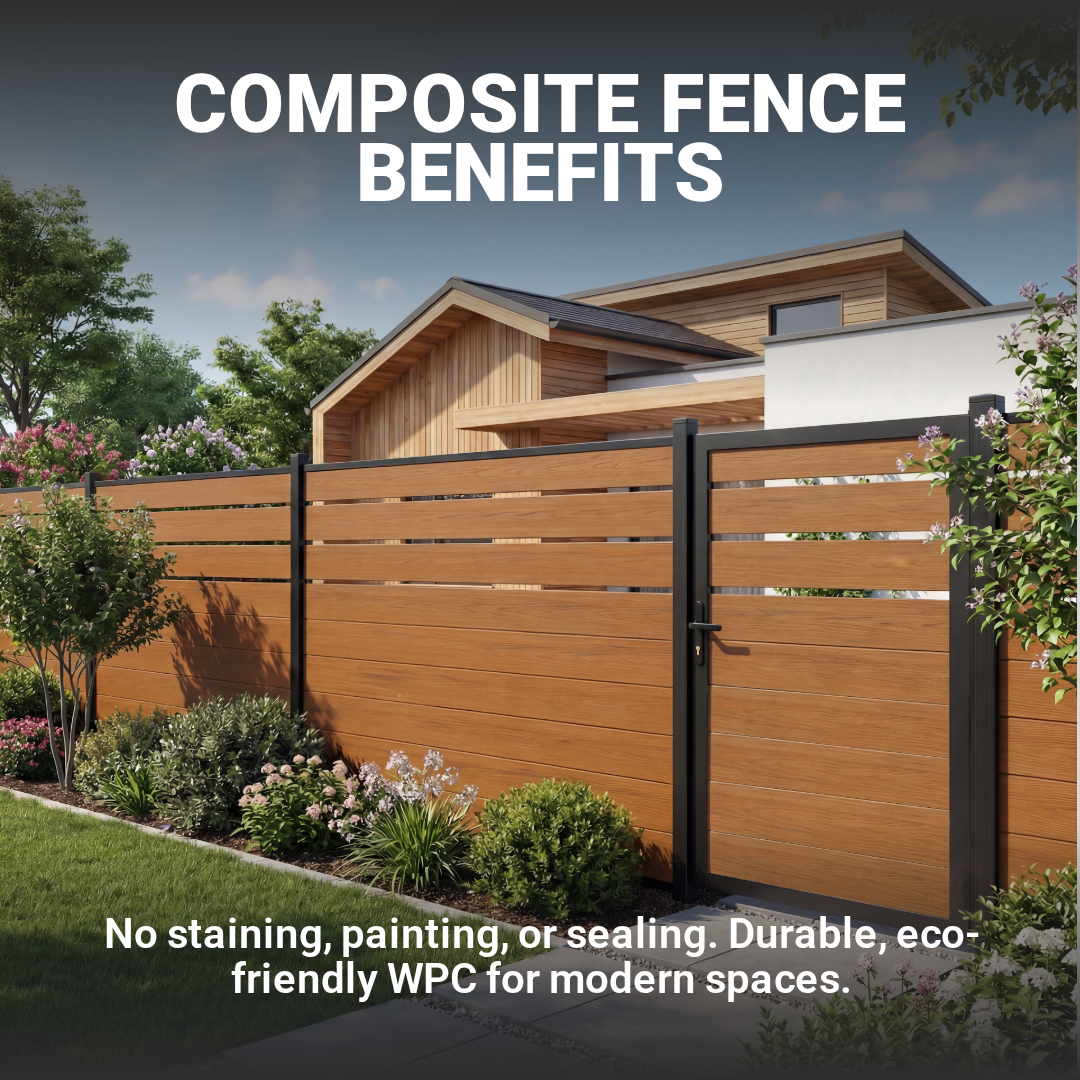
Choosing the right fence for your property is a significant decision. It impacts not only the aesthetics but also the functionality of your outdoor space. Composite fencing is an increasingly popular choice among homeowners and developers.
Why is composite fencing gaining traction? It offers a blend of durability, low maintenance, and eco-friendliness. These fences are crafted from a mix of wood fibers and plastic, providing the look of wood with enhanced strength.
Unlike traditional wood fences, composite fences resist rot, decay, and insect damage. This makes them a long-lasting option for any property. They require minimal upkeep, usually just a simple wash with soap and water.
Composite fences come in various styles and colors, including the classic white composite fence. This variety allows you to match your fence to your home’s design seamlessly. Composite fence gates are also available, ensuring a cohesive look throughout your property.
The installation process is straightforward, often involving pre-assembled panels or easy-to-assemble kits. This makes it a viable option for DIY enthusiasts and professionals alike. Composite materials are often made from recycled content, making them an eco-friendly choice.
These fences provide excellent privacy and security, with options for solid panels or slat designs. They are a cost-effective investment, offering long-term savings due to their durability and low maintenance needs.
What Is a Composite Fence?
A composite fence is a type of fencing made from a mix of materials, primarily wood fibers and plastic. This combination results in a product that mimics the appearance of wood but with enhanced durability. Composite materials blend the best qualities of both wood and plastic, offering a robust and long-lasting fencing solution.
The wood fibers in composite fencing provide a natural look, allowing it to blend easily with any landscape. In contrast, the plastic component adds strength and resistance to environmental factors. This means composite fences won’t warp or crack under various weather conditions.
Here are some characteristics of composite fencing:
Appearance: Resembles natural wood but with more consistency and fewer imperfections.
Durability: Resistant to rot and decay, unlike untreated wood fences.
Maintenance: Requires much less upkeep compared to traditional wood.
Composite fences are also known for their eco-friendly nature. They often utilize recycled materials, which reduces the need for virgin resources and helps lower the environmental footprint of the fence. This makes composite fencing an attractive choice for environmentally conscious consumers.
The versatility of composite fencing extends to its availability in different styles and colors. Homeowners can select from a range of heights and designs to suit their specific needs. Whether you need a solid privacy fence or a slat composite fence for airflow, there's likely a composite solution.
Moreover, composite fencing is increasingly seen in residential and commercial applications. Its ability to provide security without sacrificing aesthetic appeal makes it ideal for various properties. Additionally, composite fence gates offer a seamless integration with the fence panels, ensuring a consistent look.
In summary, a composite fence is an innovative solution that combines the aesthetics of wood with the resilience of plastic. It meets modern needs for a durable, low-maintenance, and sustainable fencing solution.
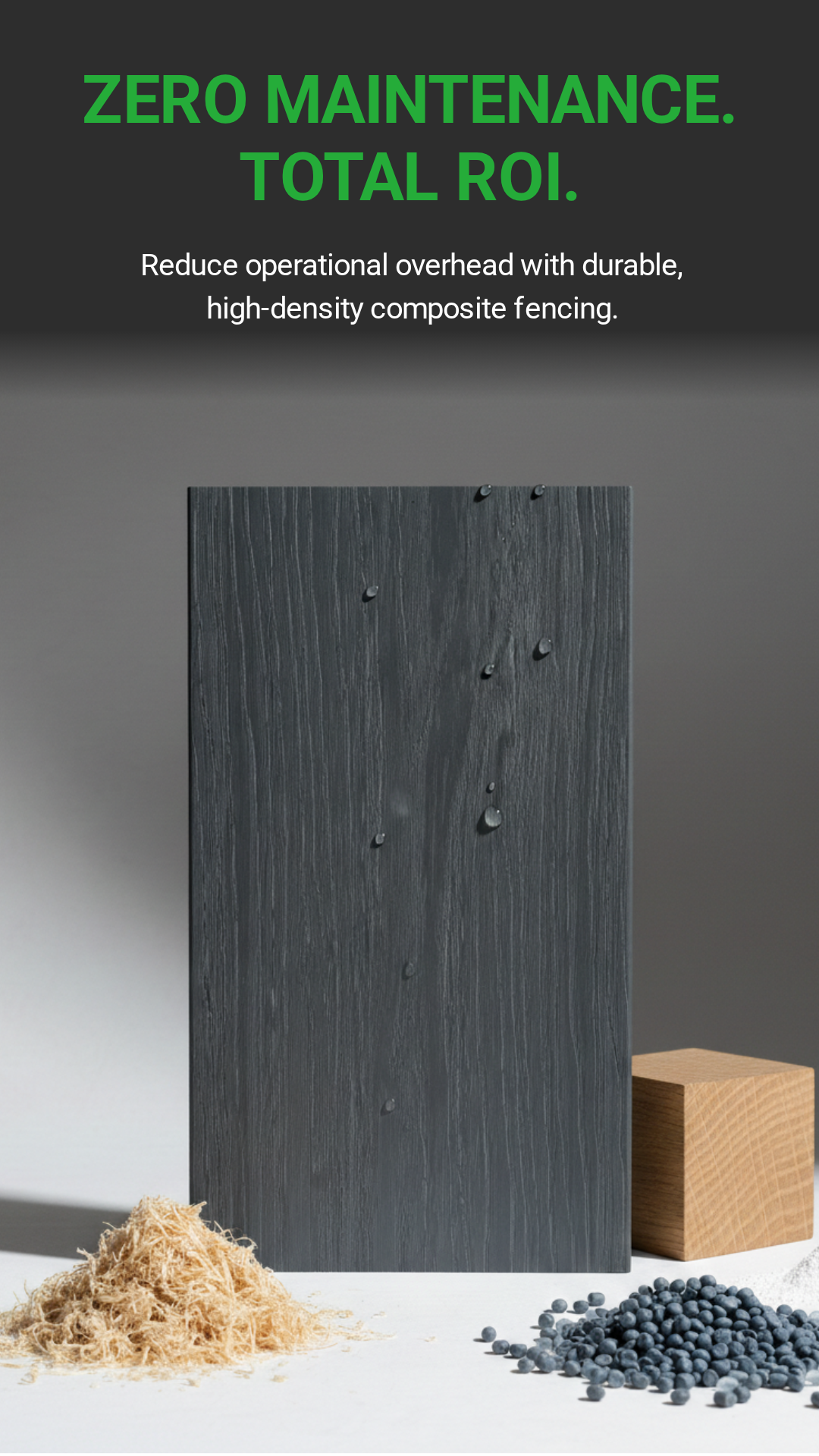
Composite Fence Materials: The Science Behind the Strength
Composite fences owe their impressive strength to the unique materials used in their construction. These fences are crafted from a blend of wood fibers and plastic, which creates a durable and resilient product. The science behind composite fencing lies in this mix, which balances flexibility and sturdiness.
The plastic component, often polyethylene or polypropylene, adds a vital layer of protection. This element ensures that the fence resists moisture, preventing issues like rot, mold, and mildew. Unlike traditional wood, composite materials do not absorb water, making them ideal for regions with high humidity or frequent rainfall.
Wood fibers provide a natural appearance and texture to composite fencing. They give the fence its appealing wood-like look while contributing additional strength. The fibers bond tightly with the plastic, resulting in a composite material that withstands external pressures more effectively than singular materials.
Key benefits derived from the composite fence materials include:
Moisture Resistance: The non-porous surface minimizes water absorption and prevents decay.
Flexibility: The combination allows the fence to adapt to varying temperatures and conditions.
Aesthetic Appeal: Provides consistent color and texture, mimicking real wood without visible imperfections.
Another advantage is the color retention properties of composite fences. Unlike wood, which may require regular staining or painting, composite fencing retains its color over time. This is due to UV inhibitors in the plastic, which prevent fading under the sun's harsh rays.
The eco-friendly aspect of composite materials is notable. Many composite fences are made from recycled plastics and reclaimed wood fibers, reducing waste and conserving natural resources. By utilizing recycled content, composite fencing supports sustainable manufacturing practices.
Furthermore, composite materials can be engineered for specific performance needs. Whether enhancing strength, flexibility, or weather resistance, manufacturers can adjust material composition to suit various applications. This adaptability makes composite fencing suitable for a wide range of climates and uses.
In summary, the strength of composite fencing comes from the intelligent combination of wood fibers and plastic. This blend offers an appealing alternative to traditional fencing materials, providing durability, aesthetic appeal, and eco-friendliness in one comprehensive package.
Eco-Friendly Fencing: Sustainability and Environmental Impact
Composite fencing stands out as an eco-friendly choice in a world moving towards sustainable solutions. Made from a blend of recycled wood fibers and plastics, these fences minimize the use of virgin materials. This recycling process helps conserve precious resources and lowers the overall environmental footprint of new fence production.
One of the major advantages of composite materials is their ability to reduce deforestation. By using reclaimed wood fibers, they lessen the demand for fresh timber. This practice supports forest preservation and contributes to the health of ecosystems around the globe.
The production of composite fencing also yields less waste. Manufacturing processes are optimized to use materials efficiently, resulting in minimal leftover by-products. Moreover, the fencing itself is long-lasting, which means less frequent replacements and lower material consumption over time.
Key eco-friendly attributes of composite fencing include:
Use of Recycled Materials: Utilizes recycled plastics and wood for minimal environmental impact.
Low Chemical Use: Avoids harmful pesticides and stains often necessary with wood.
Durability: Long lifespan reduces waste by delaying the need for replacement.
By choosing composite materials, homeowners support sustainable building practices. Composite fences don't require chemical treatments to maintain integrity, reducing chemical runoff into local soil and water sources. This means that less pollution enters the environment, which is crucial for the health of plants and animals.
Composite fencing aligns with green building certifications, like LEED, which recognize and promote sustainable construction practices. Incorporating such eco-friendly solutions can enhance the ecological value of properties and appeal to environmentally conscious buyers or tenants.
In conclusion, composite fences offer more than just aesthetic and durability benefits. They represent a commitment to sustainability, making them a responsible choice for environmentally aware individuals seeking to make a positive impact.
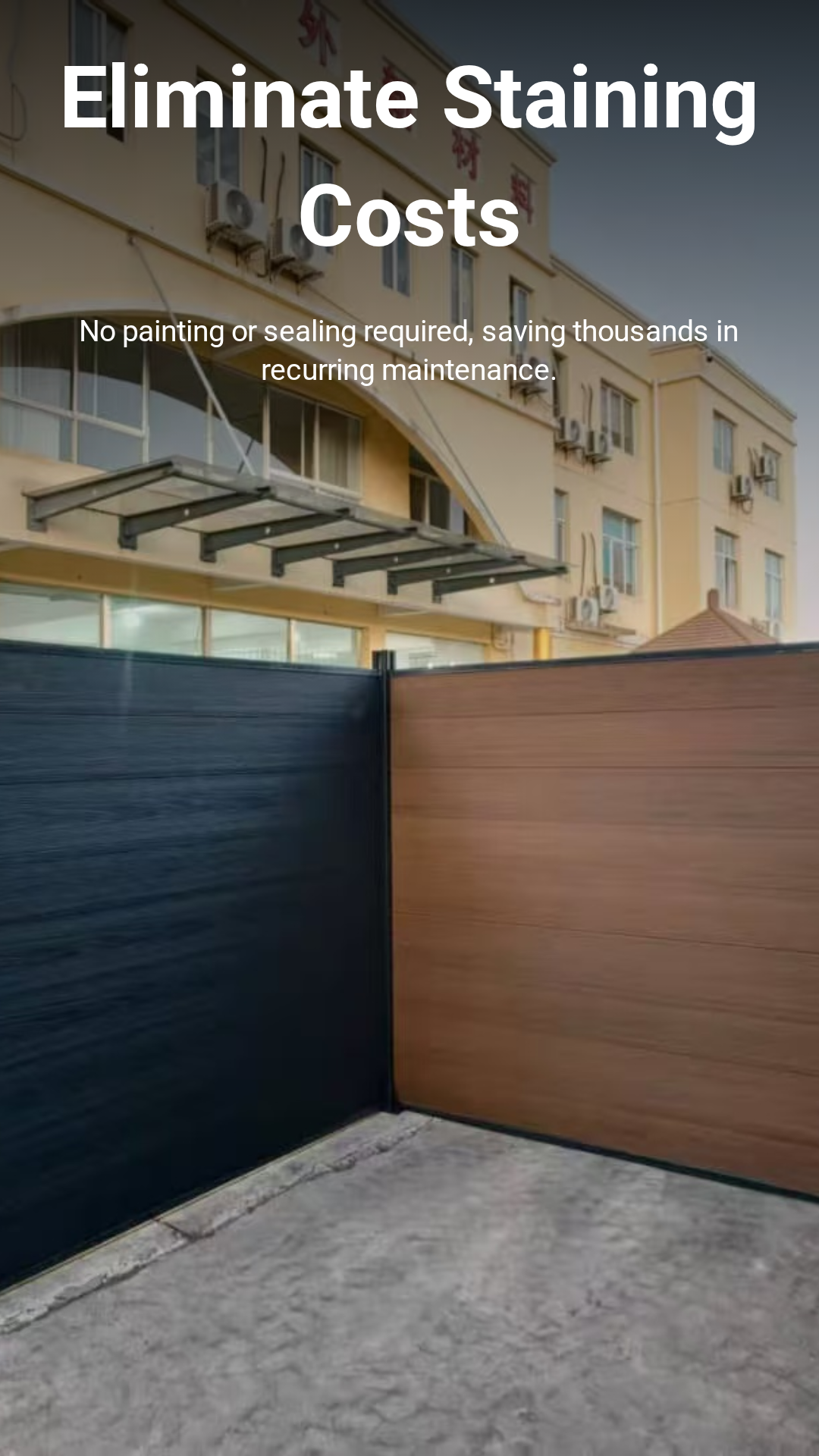
Durability and Weather Resistance: Built to Last
When investing in a fence, durability is a top concern. Composite fences excel in this area due to their robust construction. These fences withstand harsh elements thanks to their blend of wood fibers and plastic, a combination designed for strength and longevity.
One major advantage of composite materials is their resistance to common fence issues. Traditional wooden fences often suffer from rot, insect damage, and warping, especially in moist conditions. Composite fences, however, resist these vulnerabilities, standing strong through various environmental challenges.
Unlike wood, composite fencing holds up well under UV exposure. Many homeowners find that wooden fences fade or discolor over time, particularly when exposed to the sun. Composite fences retain their color because they are designed with UV-resistant materials, ensuring a vibrant look for years.
Key benefits of composite fence durability include:
Rot and Decay Resistance: Unaffected by moisture, preventing structural weakening.
Weatherproofing: Survives extreme weather conditions without degrading.
Insect Resistance: No attraction for termites or other pests.
Composite fencing is engineered to resist extreme temperatures, from blistering heat to freezing cold. Whereas wood can expand, contract, or crack, composites remain stable. This resistance ensures your fence remains intact, even during seasonal changes or unexpected weather events.
For those living in windy areas, composite fences provide a sturdy barrier. Their solid construction reduces the risk of panels coming loose or toppling over. This feature not only enhances safety but also reduces repair costs associated with storm damage.
The longevity of composite fencing contributes to its cost-effectiveness. While the initial investment may be higher than traditional wood, the reduced need for repairs or replacements justifies this upfront cost. Homeowners can enjoy peace of mind knowing their fence will last for many years.
In summary, composite fences offer outstanding durability. These fences resist the elements with ease, maintaining their structure and appearance while providing excellent value. For those seeking a reliable fencing solution, composite materials ensure a strong, weather-resistant barrier that stands the test of time.
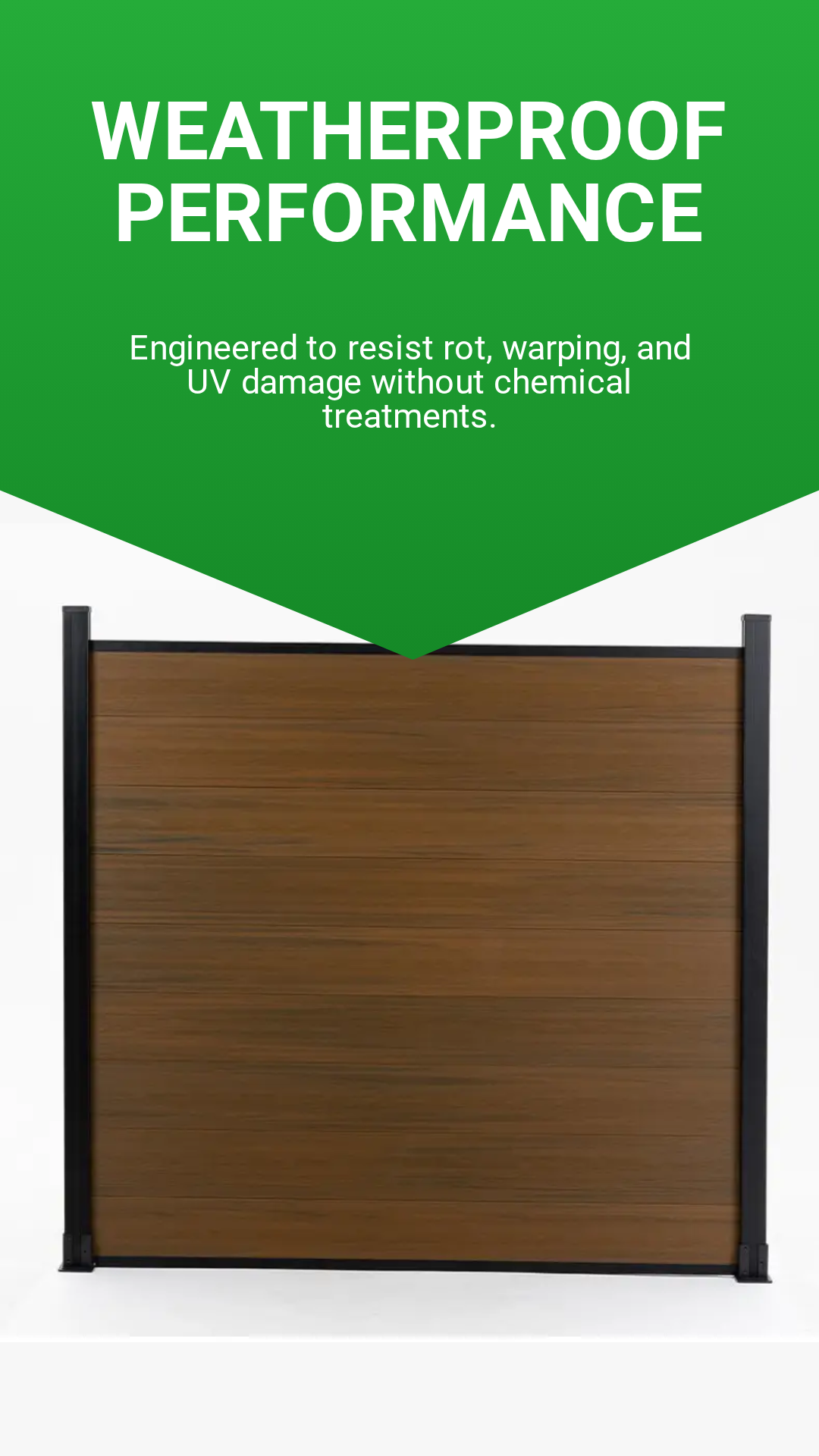
Low-Maintenance Living: Save Time and Effort
One of the standout benefits of a composite fence is its low-maintenance nature. Homeowners love fences that demand little attention. With composite fencing, you spend more time enjoying your yard and less time on upkeep tasks.
Unlike traditional wood fences, composites don't need regular painting or staining. The color is integral to the material, ensuring a vibrant appearance without extra effort. This feature saves both time and resources, allowing homeowners to focus on other outdoor activities.
Composite fences need little more than occasional cleaning to look their best. A simple wash with soap and water is typically sufficient to remove dirt or grime. This easy routine keeps your fence looking fresh without the need for chemical treatments.
The low-maintenance benefits of composite fencing include:
No Painting or Staining: Eliminates ongoing surface treatments.
Simple Cleaning: Requires only basic washing to maintain appearance.
Resilient Surface: Resists mold and mildew growth, reducing cleaning frequency.
The robustness of composite materials reduces common repair needs. Unlike wood, which may splinter or crack, composite fences maintain their integrity despite everyday wear. This durability minimizes the time and money spent on fixes and replacements.
For busy homeowners, the low-maintenance feature is a major selling point. The fence remains beautiful with minimal intervention, ensuring a pristine look for many years. This attribute makes composite fencing especially appealing for those who prefer a hands-off approach.
In essence, composite fences offer the perfect combination of beauty and ease. The minimal upkeep required frees homeowners to focus on relaxing and enjoying their outdoor spaces. For those wanting to maximize leisure time while maintaining an appealing yard, composite fencing is the ideal solution.
Privacy and Security: Creating a Safe Outdoor Space
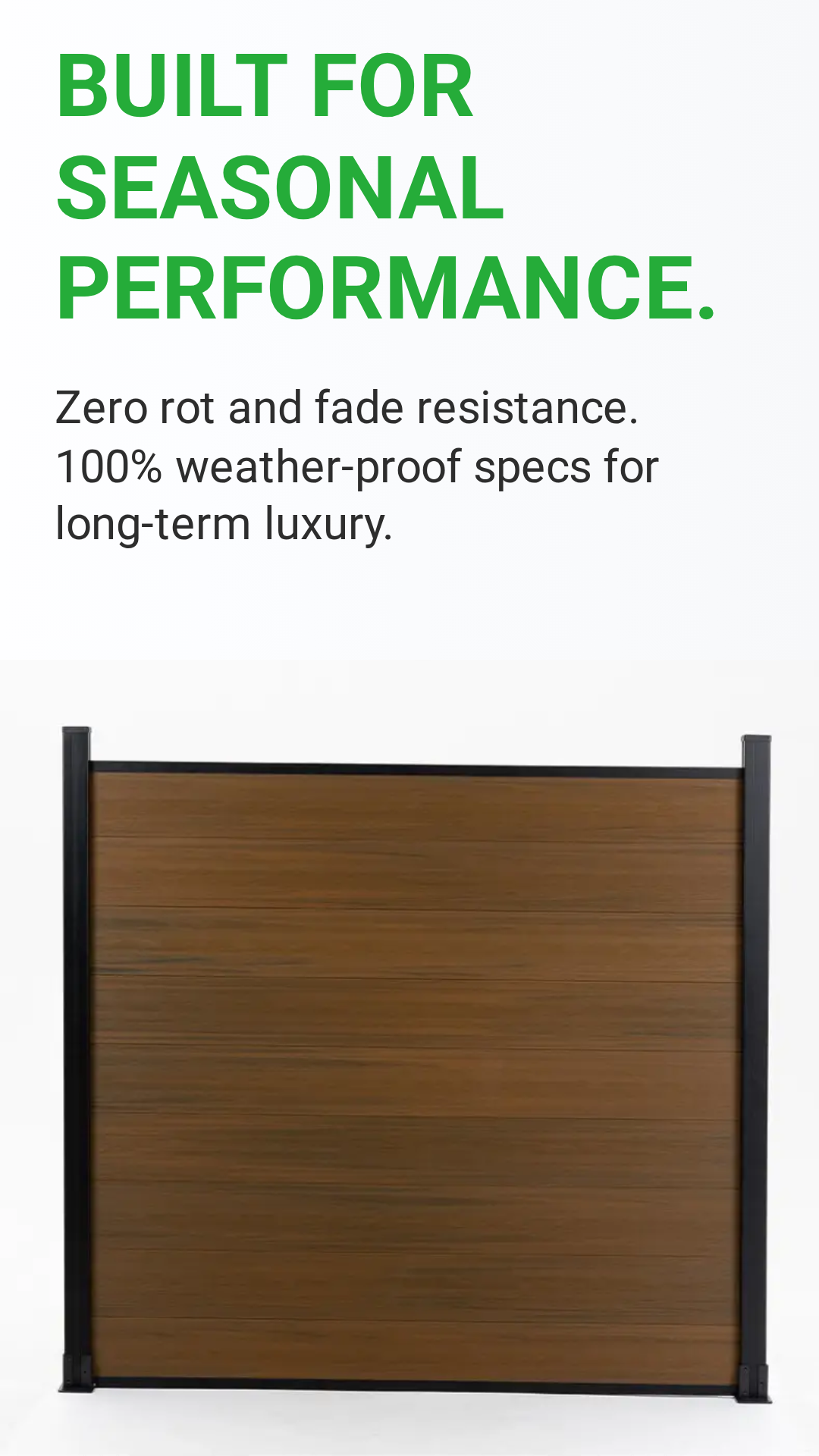
When it comes to your home, privacy and security are paramount. A composite fence excels in providing both. Its design can offer a robust barrier, ensuring your space is secure and secluded.
Privacy fences made from composite materials are perfect for keeping prying eyes at bay. With no gaps between the panels, these fences create a solid wall of protection. This feature is ideal for those who value their personal space.
In terms of security, composite fencing serves as a formidable deterrent to intruders. The strength of composite materials makes it difficult to breach. Moreover, the solid construction adds an extra layer of peace of mind to any home.
There are several reasons why composite fencing enhances privacy and security:
Solid Construction: Provides a strong, gap-free barrier.
Durable Material: Resists break-ins with its tough structure.
Height Options: Customizable to meet your specific privacy needs.
For families with children or pets, composite fencing offers an additional level of safety. Kids and animals can play freely, knowing they’re in a protected environment. This aspect is particularly beneficial in busy neighborhoods or properties near main roads.
The beauty of composite fences is they can be tailored to suit your aesthetic preferences while prioritizing security. Whether choosing a modern or traditional style, there’s no compromise on strength and privacy.
In summary, composite fencing is the smart choice for a private, secure outdoor space. Its durability, along with customizable options, makes it an excellent investment. Enhance your yard’s comfort and safety with a composite fence designed to meet your needs.
Design Versatility: Styles, Colors, and Customization
One of the standout benefits of composite fencing is its design flexibility. Homeowners can choose from various styles to complement their property’s aesthetic. Whether modern or classic, composite fences cater to diverse tastes.
The color options for composite fences are equally expansive. Unlike natural wood, composite materials maintain their color for years. You can select from natural wood tones to vibrant whites, ensuring your fence enhances the property's overall look.
Customization is where composite fences truly shine. You have the freedom to incorporate unique features like lattice tops or post caps. These elements can add a touch of elegance and individuality to your fence.
Here are some customization ideas to consider:
Textures: Choose between smooth or wood-grain finishes.
Accents: Add decorative elements like trellises or arches.
Height Variations: Opt for different heights to suit privacy preferences.
Composite fences also allow for creative arrangements. Slat designs, for example, offer visual appeal while still permitting airflow. This design is perfect for those who want a balance between privacy and openness.
Moreover, a composite fence can mimic different materials such as stone or metal. This flexibility allows property owners to achieve a specific look without investing in heavier, more expensive materials. It's a practical solution that doesn’t sacrifice style.
The uniformity of composite materials eliminates the irregularities often found in natural wood. The result is a clean, consistent finish. This not only enhances the visual appeal but also ensures a lasting aesthetic over time.
Ultimately, the design possibilities with composite fencing are nearly limitless. Whether you're aiming for a sleek, contemporary outdoor space or a more traditional setting, composite fences can be tailored to meet your needs. The versatility offered by composite materials ensures that your outdoor fencing is not only functional but also a beautiful extension of your home.
Composite Fence Gates: Functionality and Style
Composite fence gates are essential components that enhance both functionality and aesthetics. These gates integrate seamlessly with the fence panels, creating a cohesive look throughout your property. Not only do they serve as secure entry points, but they also contribute to the overall visual appeal of the fencing system.
Functionality is at the forefront of composite fence gates. Designed for ease of use, they often feature self-closing hinges and secure locks. This ensures that the gates offer enhanced security and peace of mind. The durability of composite materials ensures that these gates perform consistently over time, even with frequent use.
The versatility in design options for composite fence gates is impressive. They come in various styles and configurations to complement different fencing designs. From swinging to sliding gates, there is a solution to fit every property need. This adaptability is ideal for accommodating varying landscapes and property layouts.
Consider the following features available for composite fence gates:
Locking Mechanisms: Choose from simple latches to advanced locking systems.
Hardware Options: Select from a range of handles and hinges for added style.
Gate Styles: Opt for single or double gate designs depending on your space requirements.
In addition to functionality, composite fence gates also enhance the aesthetic of outdoor spaces. Their design often mirrors the fence panels, maintaining continuity across the property. For homeowners with specific style preferences, gates can be customized with decorative hardware or accents.
Moreover, composite gates are designed to withstand weather challenges. They resist warping or cracking, even when exposed to moisture or extreme temperatures. This resilience makes them a smart choice for long-term investment.
In conclusion, composite fence gates offer a perfect blend of functionality and style. They not only secure your property but also enhance the beauty of your outdoor space. Whether focusing on aesthetics, security, or both, composite fence gates provide a reliable and appealing solution for any fencing project.
Comparing Composite Fencing to Traditional Materials
When considering fencing options, it's vital to compare composite fencing with traditional materials like wood, metal, and vinyl. Each material offers distinct advantages and drawbacks that can influence your choice.
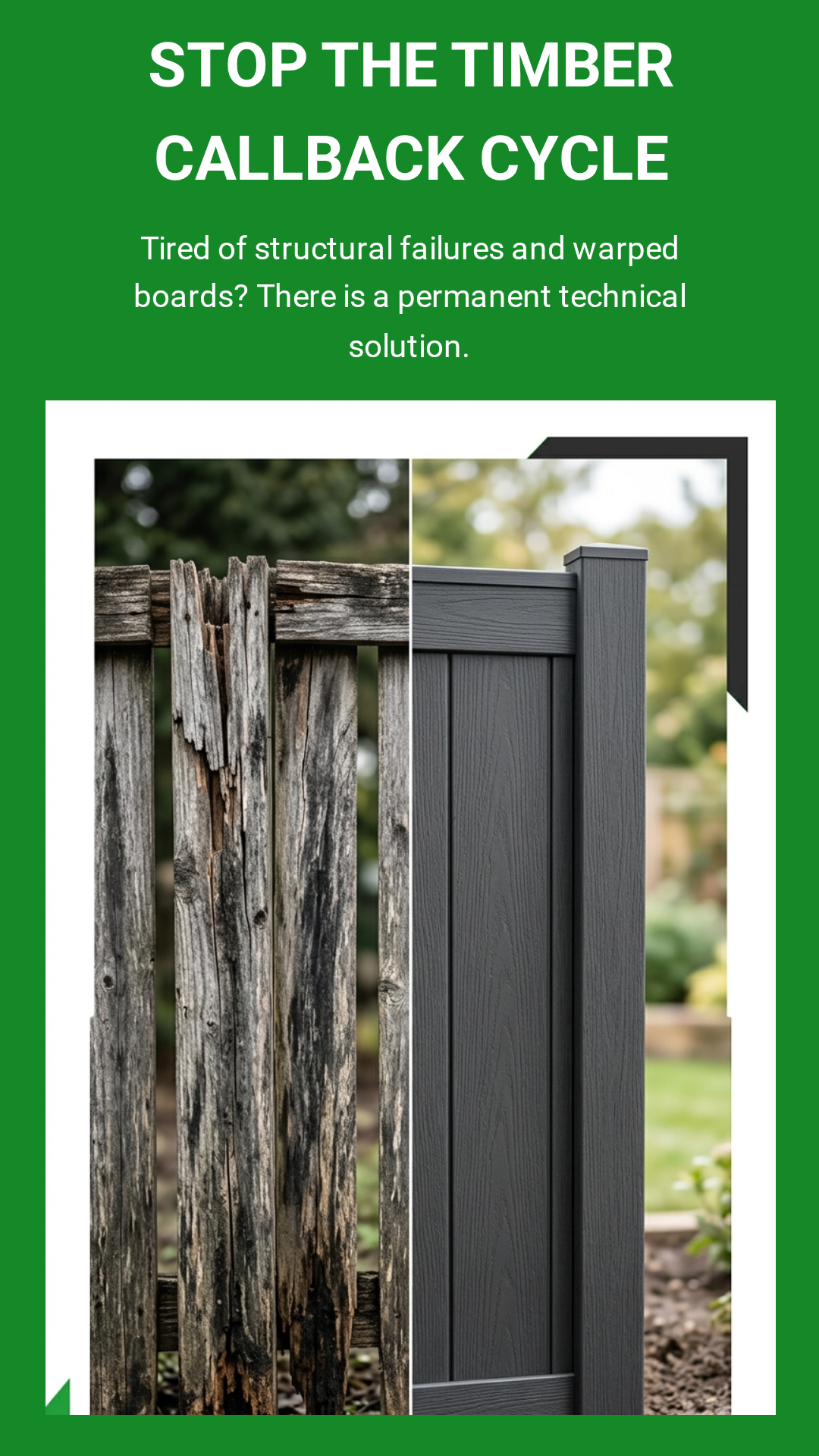
Traditional wood fences are favored for their natural beauty. However, they require regular maintenance, including sealing and staining. Wood is prone to rot, insect damage, and warping over time, which can lead to frequent repairs.
Metal fences, such as those made from iron or aluminum, are known for their strength and security. Yet, these materials can rust and require periodic painting or treatments to maintain their appearance. Additionally, metal fences may not offer the same level of privacy as other options.
Vinyl fencing is another popular choice due to its low maintenance. It typically withstands weather well but can crack under extreme temperatures. Vinyl also lacks the environmental benefits associated with eco-friendly materials like composite fencing.
Composite fencing excels in terms of durability and low maintenance. Made from a blend of wood fibers and plastic, it combines the best attributes of both materials. Unlike wood, composite does not rot or attract insects. Its resistance to UV exposure and moisture ensures a longer lifespan with minimal upkeep.
Here’s a comparison of the key features of these fencing materials:
Maintenance Requirements: Composite and vinyl require less maintenance than wood or metal.
Durability: Composite and metal generally offer superior durability over wood and vinyl.
Environmental Impact: Composite fencing is eco-friendly, often made from recycled materials, unlike most metal and vinyl options.
Aesthetic Versatility: Composite offers a wider range of styles and colors compared to vinyl and metal.
Cost: While initial costs for composite can be higher, lower long-term maintenance makes it cost-effective.
In summary, composite fencing stands out due to its blend of durability, sustainability, and low maintenance. While traditional materials have their uses, composites offer a compelling alternative that balances practical and aesthetic needs. Choosing composite fencing can lead to a worthwhile investment for those seeking long-lasting and environmentally friendly solutions.
Cost Considerations: Investment and Long-Term Value
Investing in a fence involves upfront costs and potential savings over time. Composite fences may have a higher initial price tag compared to materials like wood or vinyl. This upfront investment reflects the advanced technology and high-quality materials used in composites.
Despite the initial cost, composite fencing often proves to be more economical in the long run. Traditional wood fences, for instance, require regular treatments, repairs, and even replacements due to rot or damage. These ongoing expenses add up over time, making wood less cost-effective.
Composite fences offer significant long-term value. Their durability means lower maintenance costs, as they resist weathering, insects, and decay. This resilience reduces the need for frequent repairs or replacements, offering financial benefits over decades.
Considering resale value, composite fencing can enhance property value. Prospective buyers often appreciate the low maintenance and modern aesthetic of composite fences. This can make homes with composite fences more attractive on the real estate market.
Additionally, the cost-effectiveness of composite fencing is further boosted by its aesthetic and practical benefits. These fences come in various styles and colors, mimicking the natural look of wood without its drawbacks. This versatility means you won't have to sacrifice visual appeal for practicality.
Here's how composite fencing fares in terms of investment:
Initial Cost: Higher than wood or vinyl, but a valuable long-term investment.
Maintenance Savings: Low upkeep requirements result in significant savings over time.
Durability and Longevity: Reduces need for replacements, adding to cost-effectiveness.
Resale Value: Enhances curb appeal and marketability of property.
Ultimately, while the initial cost of composite fencing can be higher, its durability, low maintenance, and aesthetic advantages make it a wise investment. Over time, these fences tend to pay for themselves, offering financial benefits and peace of mind.
Installation Process: DIY or Professional?
When it comes to installing a composite fence, you have the option of doing it yourself or hiring a professional. Each approach has its advantages and may suit different needs or budgets. Consider your skills and the scope of the project to make the best decision.
If you have basic carpentry skills and enjoy DIY projects, installing your own composite fence could be rewarding. Composite fencing often comes with modular systems and pre-assembled panels, making it more straightforward than traditional fences. This can be a cost-saving option if you prefer hands-on tasks.
However, DIY installation requires time, effort, and planning. You'll need to ensure accurate measurements, proper spacing for fence posts, and careful panel alignment. Mistakes can be costly, possibly requiring additional materials or even professional intervention later.
On the other hand, hiring a professional ensures expertise and efficiency. Professionals can typically install a composite fence more quickly and with fewer errors. They also have access to specialized tools and equipment that can make the process smoother and more precise.
A professional installation guarantees that your fence is installed correctly, which could enhance its durability and longevity. This option might be preferable for those with large properties or complex layouts, where precision is crucial.
Consider the following when deciding between DIY and professional installation:
Time Commitment: DIY can be time-intensive, whereas professionals work quickly.
Skill Level: DIY requires basic carpentry skills; professionals offer expertise.
Project Complexity: Larger or more complex projects benefit from professional handling.
Cost: DIY can be cheaper upfront; professional installation offers long-term savings through fewer mistakes.
Ultimately, the choice between DIY and professional installation depends on your preferences, skills, and budget. Whether you take on the project yourself or hire experts, composite fencing is designed for straightforward installation, making it a suitable option for a range of property types and personal preferences.
Maintenance Tips: Keeping Your Composite Fence Looking New
Maintaining a composite fence is straightforward, thanks to its durable and low-maintenance nature. However, some care will keep it looking pristine for years. Here are some useful tips to help you.
First, clean your composite fence regularly. A simple wash with soap and water will suffice to remove dirt and grime. You should do this a couple of times a year, depending on your local climate and exposure to dust.
For tougher stains, use a soft brush and mild detergent. Avoid harsh chemicals, as they might damage the surface. Regular cleaning prevents buildup that could eventually harm the fence’s appearance.
Inspect your fence periodically for damage, especially after storms or adverse weather. Check for any loose components, which may need tightening or replacement. This will help maintain the structural integrity of the fence.
Ensure proper drainage around the fence posts to avoid water pooling. Standing water can lead to discoloration or other moisture-related issues. Keeping the area dry extends the life of your composite fence.
Another key aspect is to follow the manufacturer's guidelines for maintenance. Each composite material might have specific instructions that enhance the fence’s performance.
Quick Maintenance Tips:
Clean Regularly: Use soap and water to wash away dirt.
Inspect Frequently: Check for damage after harsh weather.
Avoid Harsh Chemicals: Use mild detergents for stains.
Ensure Drainage: Prevent water pooling near fence posts.
Follow Manufacturer Guidelines: Adhere to specific care instructions.
Following these simple steps will ensure that your composite fence remains as beautiful as the day it was installed. Minimal but consistent care is the key to longevity and aesthetics, allowing your composite fence to provide a stylish backdrop for your home.
Common Questions About Composite Fences
When considering a composite fence for your property, you might have several questions. Understanding these aspects can help you make an informed decision. Let's explore some common queries.
One frequently asked question is about the lifespan of a composite fence. Composite fences are designed to last. On average, they can endure for 20 to 25 years, often outlasting traditional wood fences.
Another query often arises about maintenance requirements. Many wonder how much effort is needed to keep them in top condition. You'll be pleased to know they require minimal upkeep. Simple cleaning is usually enough.
Concerns about environmental impact are also common. Composite fencing is made from recycled materials. This makes them an eco-friendly choice, adding to their appeal for environmentally conscious homeowners.
Homeowners often ask about the availability of styles and colors. Composite fences offer a variety of design options. You can find numerous styles, colors, and textures that suit any taste and complement different home designs.
There's also curiosity about installation. Some wonder if it's a job for professionals or a feasible DIY project. Installation can be straightforward for those with basic carpentry skills, though professionals ensure the best results.
Finally, many consider cost factors. While initial investment is higher than wood, the long-term savings on maintenance and longevity make composite fences a wise investment.
Summary of Common Questions:
Lifespan: Typically 20-25 years, outlasting traditional options.
Maintenance: Requires minimal effort, mostly regular cleaning.
Eco-Friendly: Made from recycled, sustainable materials.
Design Options: Wide variety of styles and colors available.
Installation: DIY possible, but professional installation recommended.
Cost: Higher upfront, but cost-effective over time.
Knowing these answers can ease the decision-making process, giving you confidence in choosing composite fencing for your property. These fences combine durability, aesthetic appeal, and environmental responsibility, making them a top choice for many homeowners.
Real-Life Applications: Residential and Commercial Uses
Composite fences serve multiple purposes in both residential and commercial settings. Their versatility makes them a popular choice for various applications. Let's explore how they are effectively used in different environments.
In residential areas, composite fences often outline backyard spaces. They provide privacy and security for families, creating a safe haven for children and pets. Homeowners appreciate the low-maintenance benefits, freeing up time for leisure activities.
Another residential application includes being used as a privacy fence. Composite fences create a barrier from street noise or nosy neighbors. This enhances the tranquility of a home environment, turning an outdoor area into a personal retreat.
Commercial properties also benefit from composite fencing solutions. Businesses can enhance their curb appeal with sleek and professional-looking boundaries. Composite fences offer a refined aesthetic that aligns with corporate branding.
In industrial settings, these fences serve practical purposes as durable, protective barriers. They withstand harsh weather conditions and resist damage from impacts. This makes them ideal for safeguarding equipment and supplies.
Public spaces, such as parks and community gardens, use composite fences for clear demarcation. This establishes safe zones for recreational activities and deters unauthorized access. Their eco-friendly composition aligns with sustainability goals.
Common Applications for Composite Fences:
Residential: Backyard fencing, privacy barriers, safe zones for children and pets.
Commercial: Enhancing curb appeal, corporate aesthetics.
Industrial: Protective barriers, durable fencing for equipment security.
Public Spaces: Park boundaries, community gardens, environmentally friendly options.
Whether for improving residential privacy or securing commercial assets, composite fences offer effective solutions. Their durability, design options, and minimal upkeep needs make them suitable for various real-life applications. As more property owners seek sustainable and versatile options, composite fences will continue to rise in popularity across different sectors.
Enhancing Curb Appeal and Property Value
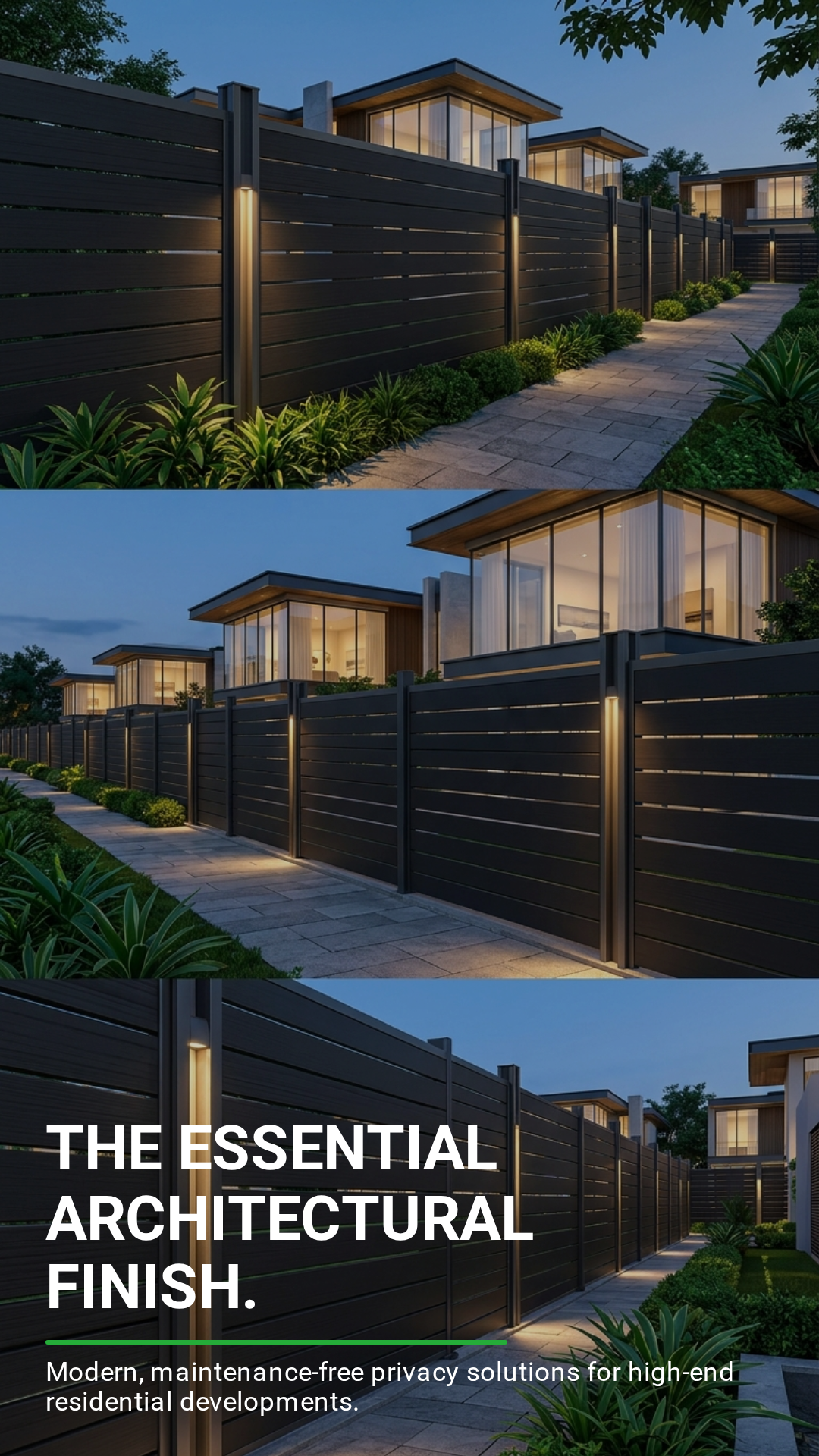
Composite fences are more than functional barriers; they're also aesthetic assets. These fences significantly boost a property's visual appeal, enhancing its overall value. Let's explore how they contribute to curb appeal and marketability.
A well-designed composite fence complements the architectural style of a home. Available in various styles, such as picket, slat, or traditional panel, they enhance any garden or driveway. The choice of designs ensures that composite fences align seamlessly with existing elements.
Color is another vital factor in enhancing curb appeal. From classic whites to earthy tones, composite fences offer multiple color options. These vibrant and fade-resistant colors maintain their beauty over time, maintaining an impeccable appearance in various weather conditions.
Not only do composite fences add charm, but they also increase a property's value. Prospective buyers see them as a desirable feature due to their longevity and low maintenance. They are a smart investment, bringing long-term returns through enhanced property appraisal.
Moreover, composite materials contribute to a modern, eco-conscious image. Their recycled and sustainable nature appeals to environmentally aware buyers. Such materials showcase commitment to green living, which is a sought-after quality in real estate.
Key Features for Property Enhancement:
Design Compatibility: Complement different architectural styles and themes.
Color Variety: Offer versatile colors that resist fading.
Eco-Friendly Appeal: Made from recycled and sustainable materials.
Low Maintenance: Attract buyers with minimal upkeep.
Installing a composite fence can transform a basic property into an alluring, market-ready asset. Homeowners and developers both benefit from this enhancement, realizing improved market performance and attraction. Whether upgrading for personal satisfaction or future resale, a composite fence makes a lasting impact.
Conclusion: Why Choose a Composite Fence?
Composite fences offer significant advantages over traditional fencing materials. Their durability and low maintenance requirements are pivotal for homeowners and developers alike. These fences are designed to withstand harsh weather while maintaining their appeal, ensuring they remain a worthy investment over time.
Beyond practicality, composite fences also enhance the aesthetic value of a property. With diverse styles and colors, they effortlessly complement any architectural preference. This versatility makes them ideal for those seeking a personalized touch to their outdoor environments.
The eco-friendly nature of composite materials cannot be overlooked. They are often produced using recycled content, supporting sustainable practices that many consumers prioritize today. Choosing composite fencing reflects a commitment to environmental responsibility without sacrificing quality or design.
Moreover, composite fences provide a level of security and privacy crucial for peace of mind. Whether you're looking to secure a residential area or a commercial space, these fences offer robust protection without appearing intrusive.
In summary, composite fences blend form, function, and sustainability in a unique package. They represent a forward-thinking choice that caters to modern needs, offering both beauty and resilience. Opting for composite fencing is a decision that values quality, sustainability, and long-term satisfaction, making it an ideal solution for contemporary living.
Table of Contents
- What Is a Composite Fence?
- Composite Fence Materials: The Science Behind the Strength
- Eco-Friendly Fencing: Sustainability and Environmental Impact
- Durability and Weather Resistance: Built to Last
- Low-Maintenance Living: Save Time and Effort
- Privacy and Security: Creating a Safe Outdoor Space
- Design Versatility: Styles, Colors, and Customization
- Composite Fence Gates: Functionality and Style
- Comparing Composite Fencing to Traditional Materials
- Cost Considerations: Investment and Long-Term Value
- Installation Process: DIY or Professional?
- Maintenance Tips: Keeping Your Composite Fence Looking New
- Common Questions About Composite Fences
- Real-Life Applications: Residential and Commercial Uses
- Enhancing Curb Appeal and Property Value
- Conclusion: Why Choose a Composite Fence?