
 EN
EN
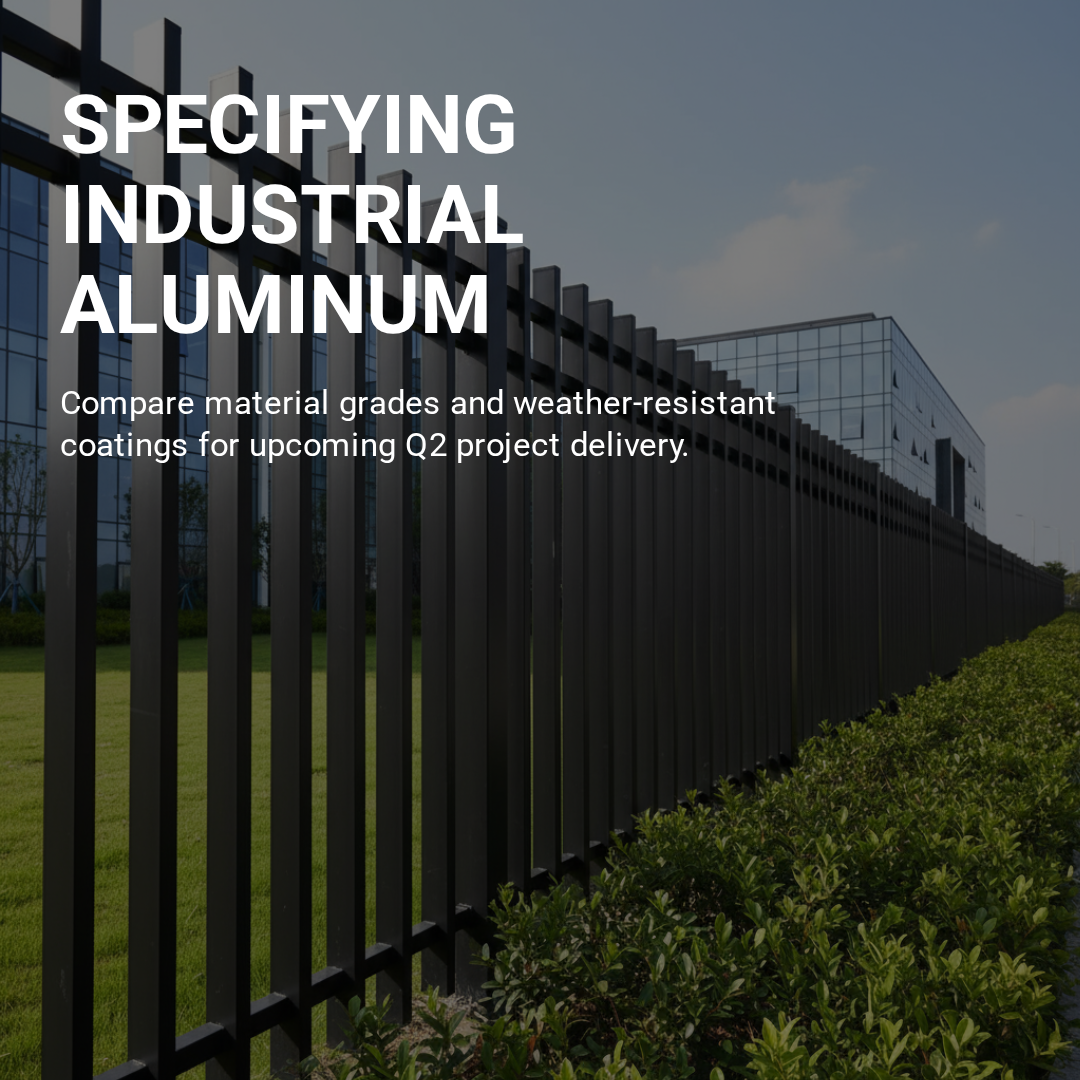
Industrial and public spaces require fencing solutions that balance durability, aesthetics, and functionality. While aluminum alloy fencing systems have gained popularity for their strength and versatility, modern construction projects often integrate complementary materials like wpc wall panel solutions to create comprehensive perimeter security. These integrated approaches combine the structural integrity of aluminum with the visual appeal and weather resistance of composite materials, making them ideal for commercial facilities, municipal buildings, and industrial complexes.
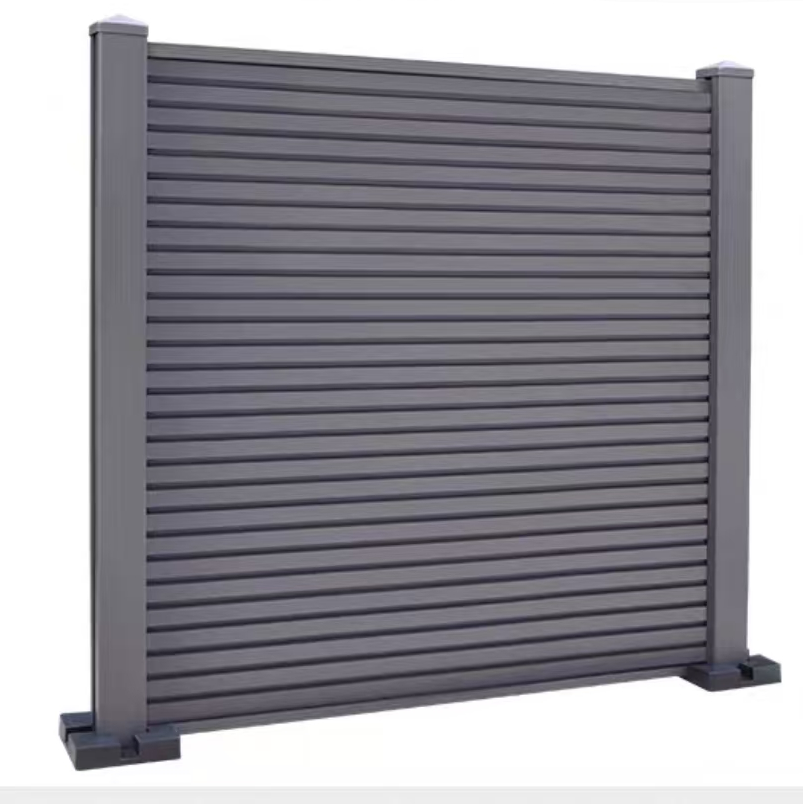
The selection process for aluminum fencing in professional environments involves careful consideration of environmental factors, security requirements, and maintenance protocols. Unlike residential applications, industrial installations must withstand harsh conditions, chemical exposure, and potential impact from machinery or vehicles. The integration of wpc wall panel components into these systems provides additional thermal insulation and sound dampening properties that prove essential in manufacturing environments and public spaces where noise reduction is paramount.
Modern aluminum alloy compositions offer superior corrosion resistance compared to traditional steel fencing, particularly when combined with advanced coating technologies. The powder coating process creates a protective barrier that maintains both appearance and structural integrity over extended periods. When paired with wpc wall panel sections, these systems create seamless transitions between different functional areas while maintaining consistent visual aesthetics throughout the installation.
Material Properties and Performance Characteristics
Aluminum Alloy Composition Standards
The aluminum alloys used in professional fencing applications typically consist of 6061-T6 or 6063-T6 specifications, which provide optimal strength-to-weight ratios for structural applications. These alloys contain magnesium and silicon as primary strengthening elements, creating a material that resists deformation under load while maintaining excellent workability during fabrication. The T6 temper designation indicates heat treatment processes that maximize mechanical properties, resulting in yield strengths exceeding 35,000 PSI in properly manufactured components.
Quality control measures for aluminum fencing materials include chemical composition verification, mechanical property testing, and surface finish evaluation. Professional installations require certification documentation that verifies compliance with ASTM B221 and B308 standards for extruded aluminum profiles. The integration of wpc wall panel elements into these systems necessitates additional considerations for thermal expansion coefficients and connection methods to ensure long-term structural stability.
Surface preparation and coating application significantly impact the performance characteristics of aluminum fencing systems. The anodizing process creates a controlled oxide layer that enhances corrosion resistance and provides a stable base for subsequent coating applications. Powder coating technologies offer color retention superior to liquid paint systems, with accelerated weathering tests demonstrating minimal fade after 10 years of outdoor exposure when properly applied to clean aluminum substrates.
Environmental Resistance and Durability Factors
Aluminum fencing systems demonstrate exceptional performance in marine environments, industrial chemical exposure, and extreme temperature variations. The natural formation of aluminum oxide creates a self-healing protective layer that prevents further corrosion even when surface coatings become compromised. This characteristic proves particularly valuable in coastal installations or facilities processing corrosive materials where traditional steel fencing would require frequent replacement or extensive maintenance protocols.
Thermal cycling tests conducted on aluminum fencing assemblies show minimal dimensional changes across temperature ranges from -40°F to 180°F, making these systems suitable for installations in diverse climatic conditions. The incorporation of wpc wall panel components requires careful attention to differential expansion rates, as composite materials typically exhibit higher thermal expansion coefficients than aluminum alloys. Proper joint design and flexible connection methods accommodate these differences while maintaining structural integrity throughout seasonal temperature variations.
Impact resistance testing demonstrates aluminum fencing superiority over alternative materials in applications where vehicular contact or equipment collision represents potential concerns. The ductile nature of aluminum alloys allows controlled deformation that absorbs impact energy without catastrophic failure, while wpc wall panel sections provide additional cushioning effects that protect both the fencing system and impacting objects from damage.
Security Features and Access Control Integration
Perimeter Security Design Considerations
Modern aluminum fencing systems incorporate multiple security layers designed to deter unauthorized access while maintaining professional appearances appropriate for public spaces. Height specifications typically range from 6 feet for general commercial applications to 12 feet or higher for critical infrastructure protection. The vertical picket spacing must comply with local security requirements, with 4-inch maximum openings commonly specified to prevent climbing footholds while maintaining visual transparency for surveillance purposes.
Anti-climbing features integrated into aluminum fencing designs include pointed picket tops, curved barrier extensions, and smooth surface treatments that eliminate handholds. The combination of aluminum structural components with wpc wall panel infill sections creates solid barriers that completely eliminate visual access while providing enhanced security through opacity. These hybrid systems prove particularly effective for facilities requiring both perimeter security and privacy protection, such as research facilities, government buildings, and sensitive industrial operations.
Electronic security system integration requires careful planning during the fencing design phase to accommodate conduit routing, sensor mounting, and access control hardware. Aluminum extrusions can be manufactured with internal channels for wire management, while mounting brackets for cameras, motion detectors, and lighting fixtures attach securely to the structural framework. The incorporation of wpc wall panel sections provides concealment for electronic components while maintaining clean aesthetic lines throughout the installation.
Access Control and Gate Systems
Gate design for aluminum fencing systems must address both security requirements and operational convenience for industrial and public applications. Heavy-duty hinges rated for continuous operation support gates weighing up to 1,000 pounds per leaf, while automated operators provide convenient access control integrated with facility security systems. The structural requirements for gate posts exceed standard fencing specifications, typically requiring concrete footings extending below frost lines with steel reinforcement adequate for dynamic loading conditions.
Sliding gate systems offer advantages in applications with limited swing clearance or high traffic volumes requiring rapid cycling. The track foundations must provide stable, level surfaces capable of supporting fully loaded gates without deflection that could cause binding or premature wear of rolling components. Integration of wpc wall panel elements into sliding gate designs provides visual continuity while reducing overall system weight compared to solid aluminum construction.
Electronic access control integration includes card readers, keypad systems, and remote controls that interface with facility management software. The aluminum framework accommodates wiring harnesses and control panels while maintaining weather protection for sensitive electronic components. Emergency override capabilities ensure access during power outages or system failures, with manual operation mechanisms that maintain security protocols while permitting necessary passage.
Installation Methodologies and Site Preparation
Foundation Requirements and Soil Analysis
Proper foundation design for aluminum fencing systems begins with comprehensive soil analysis to determine bearing capacity, drainage characteristics, and frost penetration depths. Professional geotechnical evaluation identifies soil classification, compaction requirements, and potential settlement issues that could affect long-term installation performance. The relatively lightweight nature of aluminum fencing reduces foundation requirements compared to steel systems, while wpc wall panel integration may increase wind loading that must be accommodated in post spacing and footing design.
Concrete footing specifications typically require minimum dimensions of 12 inches diameter extending 36 inches below grade in temperate climates, with deeper penetration required in areas subject to frost heaving. The concrete mix design should achieve minimum compressive strength of 3,000 PSI at 28 days, with air entrainment additives in freeze-thaw environments to prevent spalling and deterioration. Post setting procedures must ensure plumb alignment and proper embedment depth while providing adequate concrete cover around aluminum posts to prevent galvanic corrosion.
Drainage considerations become critical in installations incorporating wpc wall panel sections, as these materials can trap moisture if proper water management systems are not implemented. French drains, grading modifications, and weep holes in retaining applications prevent hydrostatic pressure buildup that could destabilize foundation elements or cause premature material degradation.
Assembly Techniques and Quality Control
Field assembly of aluminum fencing systems requires specialized tools and techniques to maintain structural integrity and aesthetic appearance. Stainless steel fasteners prevent galvanic corrosion between dissimilar metals, while thread-locking compounds ensure connections remain secure under dynamic loading conditions. Pre-drilling and deburring operations prevent stress concentrations that could initiate crack propagation in aluminum components subjected to thermal cycling or mechanical vibration.
Quality control protocols during installation include dimensional verification, plumbness checks, and finish inspection at multiple stages of the assembly process. Digital levels and laser alignment systems ensure consistent fence line geometry, while torque specifications for mechanical fasteners prevent over-tightening that could damage threads or create stress risers. The integration of wpc wall panel components requires additional attention to expansion joint placement and sealing details to accommodate differential movement between materials.
Weather protection during installation prevents moisture contamination of joint sealants and ensures proper curing of adhesive systems used to bond composite materials to aluminum frameworks. Temperature and humidity monitoring equipment verifies environmental conditions remain within acceptable ranges for material application, while protective coverings shield completed sections from construction debris and potential damage during concurrent site activities.
Maintenance Protocols and Lifecycle Management
Preventive Maintenance Scheduling
Aluminum fencing systems require minimal maintenance compared to steel alternatives, but structured preventive care extends service life and maintains appearance standards appropriate for professional installations. Annual inspection protocols include visual examination of coating integrity, fastener tightness verification, and drainage system functionality assessment. The incorporation of wpc wall panel elements necessitates additional inspection points focused on joint sealing, expansion joint movement, and surface cleaning requirements specific to composite materials.
Cleaning procedures for aluminum fencing utilize mild detergent solutions and soft bristle brushes to remove accumulated dirt and pollutants without damaging protective coatings. High-pressure washing techniques may be employed for heavy soil removal, but spray angles and pressures must be controlled to prevent water intrusion into joint areas or damage to wpc wall panel surface textures. Frequency of cleaning operations depends on environmental exposure conditions, with quarterly schedules typical for urban industrial installations and annual cleaning adequate for suburban commercial applications.
Lubrication requirements for moving components include gate hinges, latch mechanisms, and automated operator systems that require specific lubricant types compatible with aluminum alloys and environmental exposure conditions. Marine-grade lubricants prevent corrosion in coastal installations, while high-temperature formulations maintain performance in industrial environments subject to elevated ambient temperatures or radiant heat exposure.
Repair Procedures and Component Replacement
Damage assessment procedures for aluminum fencing systems distinguish between cosmetic surface defects and structural integrity issues requiring immediate attention. Minor coating damage can be addressed through spot touch-up procedures using compatible paint systems, while significant impact damage may require component replacement to maintain security and aesthetic standards. The modular design of quality aluminum fencing systems facilitates individual component replacement without extensive disassembly of adjacent sections.
Replacement procedures for wpc wall panel sections require careful attention to dimensional tolerances and expansion joint reinstallation to prevent moisture intrusion or thermal stress concentration. Matching color and texture characteristics of aged composite materials may necessitate replacement of multiple panels to maintain visual consistency throughout the installation. Professional replacement services ensure proper sealing and structural connection details that maintain system performance equivalent to original installation standards.
Documentation requirements for maintenance activities include photographic records of damage conditions, repair procedures implemented, and component specifications for replacement parts. These records support warranty claims, insurance assessments, and long-term asset management planning for facility owners responsible for maintaining professional appearance and security functionality throughout the expected 25-year service life of quality aluminum fencing systems.
Cost Analysis and Value Engineering
Initial Investment Considerations
The initial cost analysis for aluminum fencing systems must consider both material expenses and installation labor requirements compared to alternative fencing technologies. While aluminum components typically command premium pricing over steel alternatives, the elimination of ongoing corrosion protection treatments and reduced maintenance requirements often result in lower total ownership costs over the system lifecycle. The integration of wpc wall panel components adds material costs but provides enhanced aesthetics and functionality that may justify the additional investment for specific applications.
Professional installation costs for aluminum fencing systems reflect the specialized skills required for proper assembly and the precision necessary to achieve professional appearance standards. Labor rates vary significantly based on geographic location and project complexity, with typical installation costs ranging from $25 to $45 per linear foot for standard configurations. Complex installations incorporating wpc wall panel elements, electronic security integration, or challenging site conditions may increase labor costs by 50% or more compared to basic aluminum fencing applications.
Value engineering opportunities include standardization of component specifications, bulk material purchasing advantages, and phased installation schedules that optimize contractor efficiency. The modular nature of aluminum fencing systems permits future expansion or modification without complete system replacement, providing flexibility for changing security requirements or site development activities that may occur during the building lifecycle.
Lifecycle Cost Projections
Lifecycle cost analysis for aluminum fencing systems demonstrates significant advantages over alternative materials when maintenance expenses, replacement requirements, and operational impacts are considered over 25-year evaluation periods. The corrosion resistance of aluminum eliminates painting cycles required for steel fencing, while the dimensional stability of quality wpc wall panel materials prevents warping or splitting that necessitates board replacement in wood fencing applications.
Energy cost impacts from security lighting integration vary based on system design and operational requirements, but LED fixture compatibility with aluminum mounting systems provides opportunities for energy-efficient security illumination. Smart lighting controls that integrate with security systems optimize energy consumption while maintaining required illumination levels for surveillance cameras and access control systems throughout the facility perimeter.
Insurance premium impacts from professional-grade security fencing installations may provide cost offsets through reduced liability exposure and theft protection for facility owners. Documentation of security system specifications and maintenance records supports insurance underwriting processes and may qualify installations for premium discounts based on demonstrated risk mitigation measures implemented through comprehensive perimeter security systems.
FAQ
What are the key advantages of aluminum fencing over steel alternatives in industrial applications
Aluminum fencing offers superior corrosion resistance, lighter weight for easier installation, and eliminates the need for regular painting or rust treatment maintenance. The material naturally forms a protective oxide layer that prevents further corrosion, while steel requires ongoing coating maintenance to prevent rust damage. Additionally, aluminum's conductivity makes it compatible with electronic security systems, and when combined with wpc wall panel elements, creates comprehensive perimeter solutions that outperform traditional steel installations in terms of both functionality and lifecycle costs.
How does weather affect aluminum fencing performance compared to other materials
Aluminum demonstrates exceptional weather resistance across all climatic conditions, from coastal salt spray to industrial chemical exposure and extreme temperature variations. Unlike wood that warps and splits, or steel that rusts, aluminum maintains structural integrity and appearance throughout seasonal cycles. The integration of wpc wall panel components provides additional weather protection while accommodating thermal expansion through proper joint design, ensuring system performance remains consistent regardless of environmental conditions.
What maintenance requirements should be expected for aluminum fencing systems
Aluminum fencing requires minimal maintenance consisting primarily of annual inspections and periodic cleaning with mild detergent solutions. Unlike steel systems requiring regular painting and rust treatment, aluminum maintains its protective properties naturally. When wpc wall panel components are incorporated, additional attention to joint sealing and expansion accommodation may be required, but overall maintenance demands remain significantly lower than alternative fencing materials throughout the system's 25-year expected service life.
How do installation costs for aluminum fencing compare to other professional fencing options
While aluminum fencing typically requires higher initial material costs compared to steel alternatives, the installation process is often more efficient due to lighter component weights and modular assembly methods. Professional installation costs range from $25-45 per linear foot for standard configurations, with additional costs for complex designs incorporating wpc wall panel elements or electronic security integration. However, the elimination of ongoing maintenance requirements and superior longevity often result in lower total ownership costs over the system lifecycle compared to materials requiring regular maintenance and eventual replacement.
Table of Contents
- Material Properties and Performance Characteristics
- Security Features and Access Control Integration
- Installation Methodologies and Site Preparation
- Maintenance Protocols and Lifecycle Management
- Cost Analysis and Value Engineering
-
FAQ
- What are the key advantages of aluminum fencing over steel alternatives in industrial applications
- How does weather affect aluminum fencing performance compared to other materials
- What maintenance requirements should be expected for aluminum fencing systems
- How do installation costs for aluminum fencing compare to other professional fencing options