All Categories
Get a Quote

Get a Free Quote

Our representative will contact you soon.
Email
Name
Company Name
Whatsapp
Message
0/1000
News
Home> News

How to Choose Guardrails for Safety in Commercial and Industrial Areas

Time : 2026-01-30

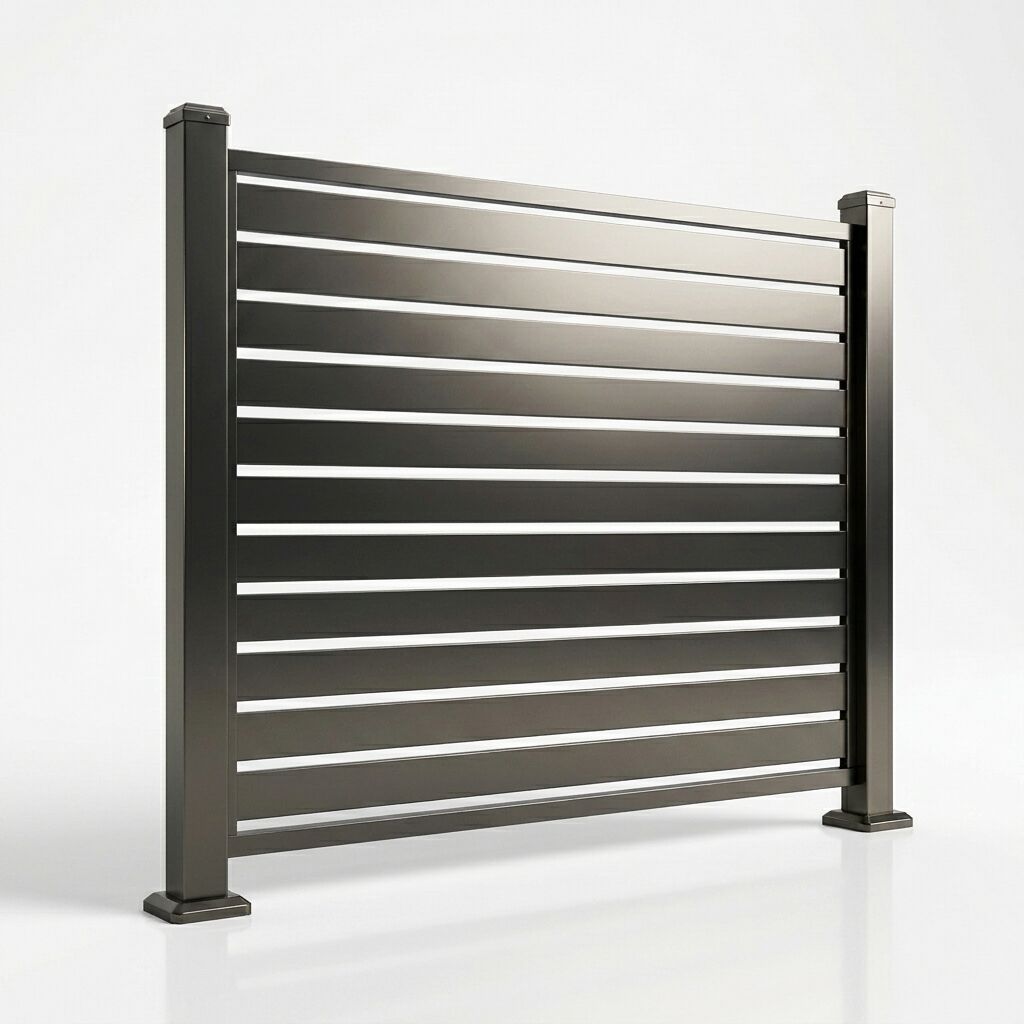
Commercial and industrial facilities face unique safety challenges that require robust protective measures to prevent accidents and ensure worker protection. Implementing effective guardrails for safety represents one of the most critical investments facility managers can make to create secure work environments. These protective barriers serve as the first line of defense against falls, collisions, and unauthorized access to hazardous areas. Understanding the proper selection criteria for safety guardrails helps organizations maintain compliance with safety regulations while protecting their most valuable assets - their employees. The complexity of modern industrial operations demands comprehensive safety solutions that can withstand demanding conditions while providing long-term reliability and cost-effectiveness.

guardrails for safety

Understanding Safety Guardrail Requirements in Commercial Settings

Regulatory Standards and Compliance

Safety regulations governing commercial and industrial guardrails establish minimum height requirements, load-bearing capacities, and installation specifications that facilities must meet. OSHA standards mandate that guardrails for safety in most commercial applications must maintain a height of 42 inches with specific structural integrity requirements. These regulations also specify that guardrail systems must withstand a minimum force of 200 pounds applied in any downward or outward direction along the top rail. Facilities operating in specialized industries may face additional regulatory requirements that exceed standard OSHA guidelines. Compliance failures can result in significant penalties and increased liability exposure for organizations.

Documentation requirements for safety guardrail installations include detailed engineering specifications, load testing certifications, and regular inspection records. Many jurisdictions require periodic professional inspections to verify that guardrails for safety continue meeting original installation standards. Understanding these compliance frameworks helps facility managers make informed decisions about guardrail selection and maintenance scheduling. Professional consultation with safety engineers ensures that chosen guardrail systems meet all applicable regulations while providing optimal protection for specific facility requirements.

Risk Assessment and Hazard Identification

Conducting thorough risk assessments identifies specific hazards that guardrails for safety must address within commercial and industrial environments. Common hazards include elevated work platforms, machinery operations, vehicle traffic areas, and chemical processing zones that require different levels of protection. Risk assessment methodologies consider factors such as worker traffic patterns, equipment operations, environmental conditions, and potential accident scenarios. This systematic approach helps determine optimal guardrail placement, height requirements, and material specifications for maximum effectiveness.

Hazard identification processes should evaluate both immediate safety risks and long-term exposure concerns that could affect guardrail performance. Environmental factors such as chemical exposure, temperature extremes, and weather conditions influence material selection for guardrails for safety installations. Regular reassessment ensures that safety measures remain effective as facility operations evolve and new hazards emerge. Documenting identified hazards provides valuable information for insurance purposes and regulatory compliance reporting.

Material Selection for Industrial Guardrail Applications

Traditional Steel and Aluminum Options

Steel guardrails offer exceptional strength and durability for heavy-duty industrial applications where maximum impact resistance is required. These traditional materials provide excellent load-bearing capacity and can withstand significant mechanical stress in demanding environments. However, steel guardrails for safety require ongoing maintenance including regular painting, corrosion treatment, and structural inspections to prevent deterioration. The initial cost advantage of steel may be offset by long-term maintenance requirements and potential replacement needs in corrosive environments.

Aluminum guardrail systems provide corrosion resistance and lighter weight compared to steel while maintaining adequate structural strength for many applications. These materials work well in coastal environments or facilities with chemical exposure where steel might corrode rapidly. Aluminum guardrails for safety offer easier installation and modification capabilities, making them suitable for facilities requiring frequent layout changes. The higher initial cost of aluminum can be justified through reduced maintenance requirements and extended service life in appropriate applications.

Composite and Advanced Material Solutions

Modern composite materials combine the strength of traditional options with enhanced durability and reduced maintenance requirements for guardrails for safety applications. Advanced polymer composites resist corrosion, UV degradation, and chemical exposure while maintaining structural integrity over extended periods. These materials often provide superior impact resistance and can be manufactured in various colors and finishes to match facility aesthetics. Composite guardrails eliminate the need for regular painting and corrosion protection treatments required by metal alternatives.

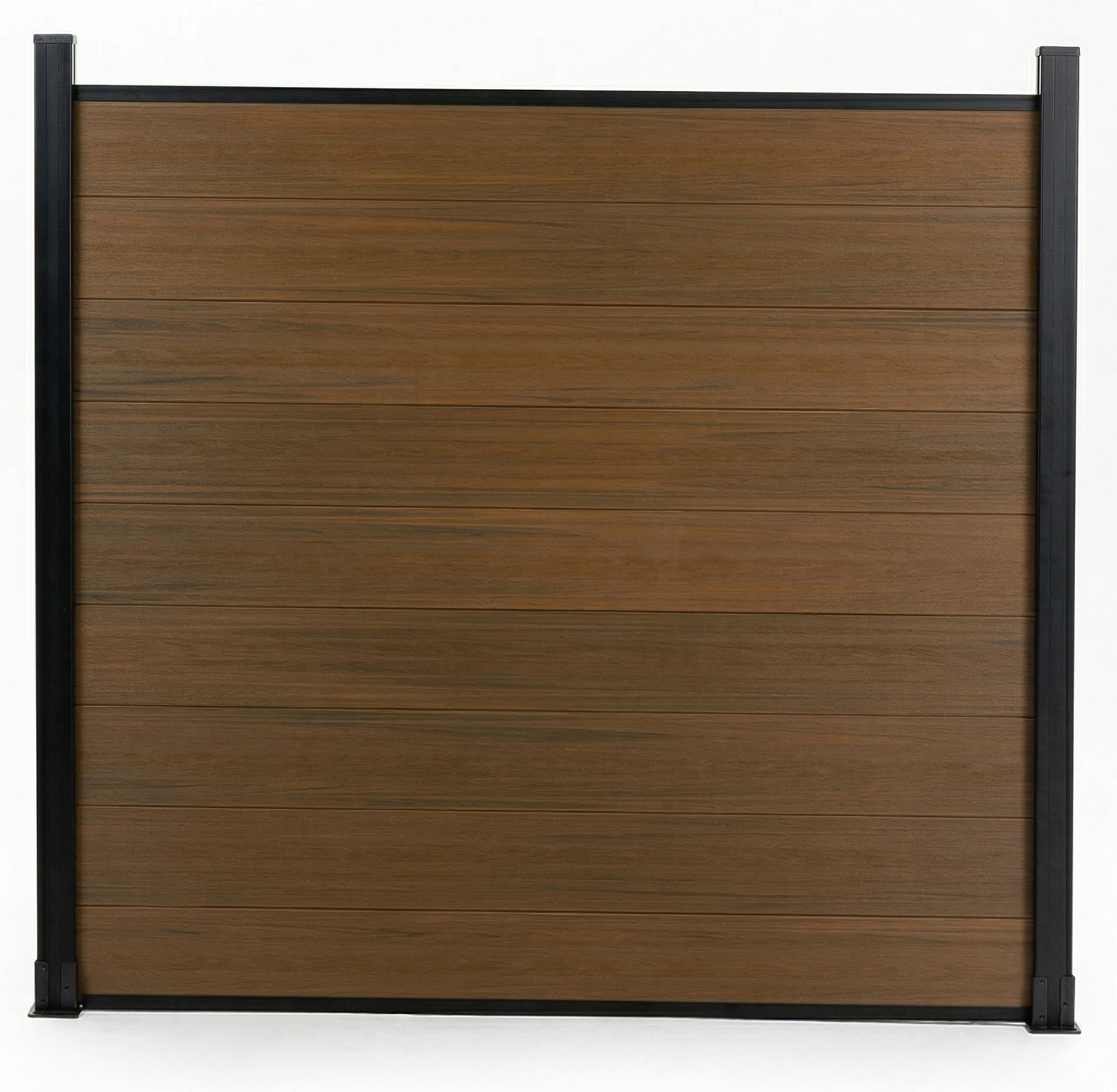
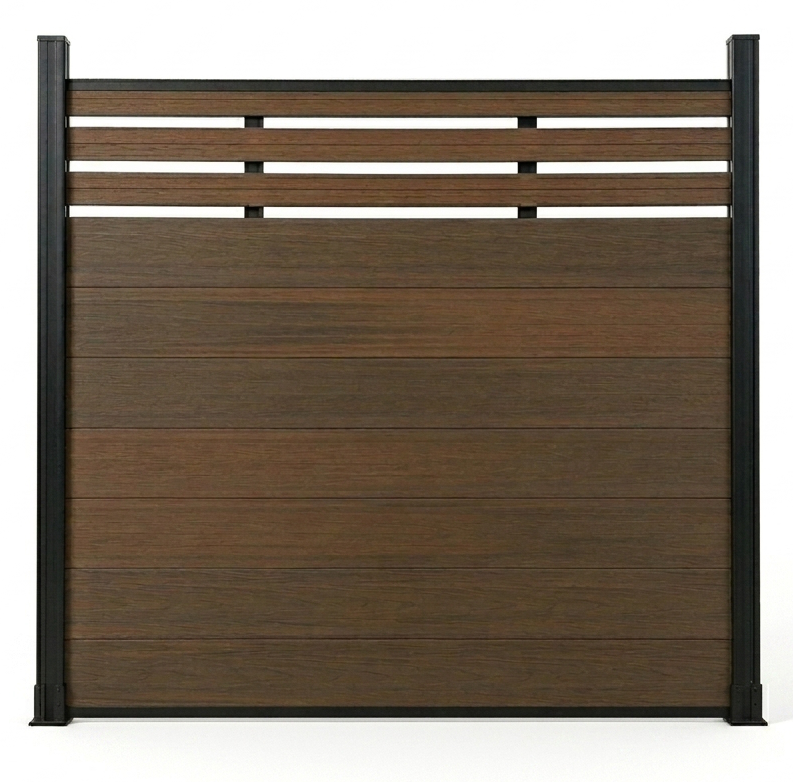
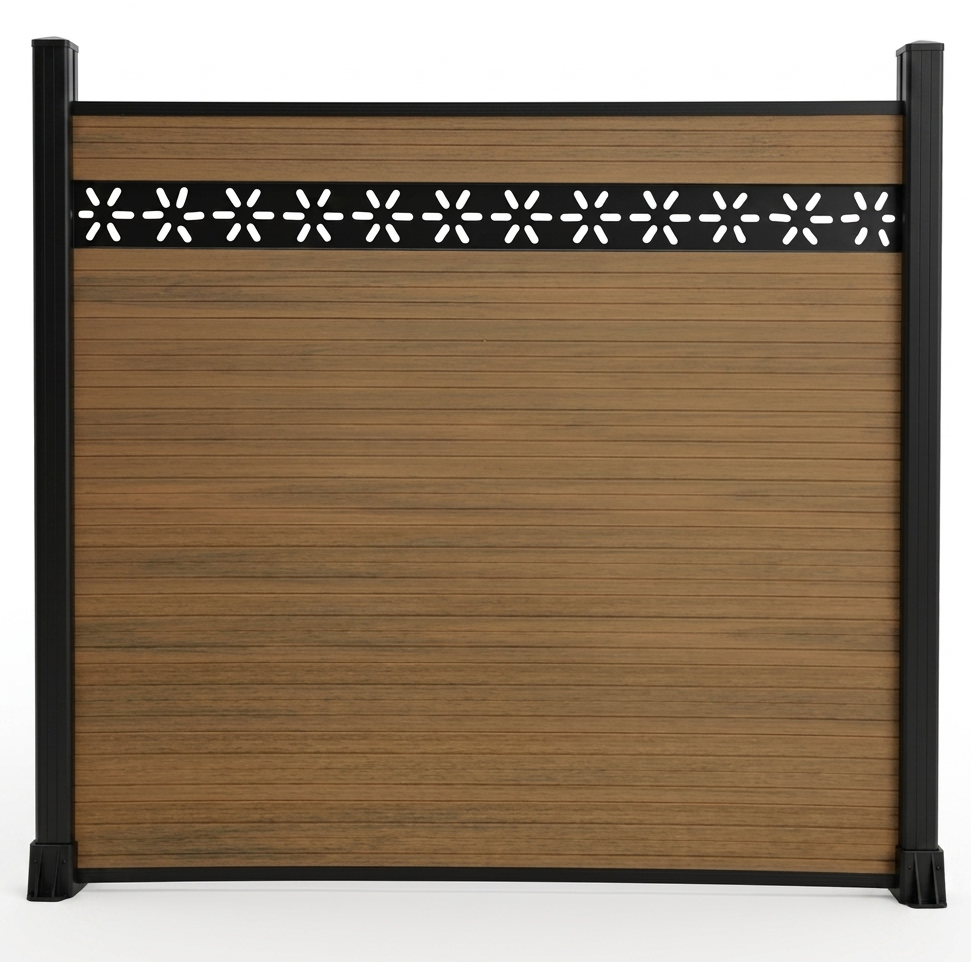
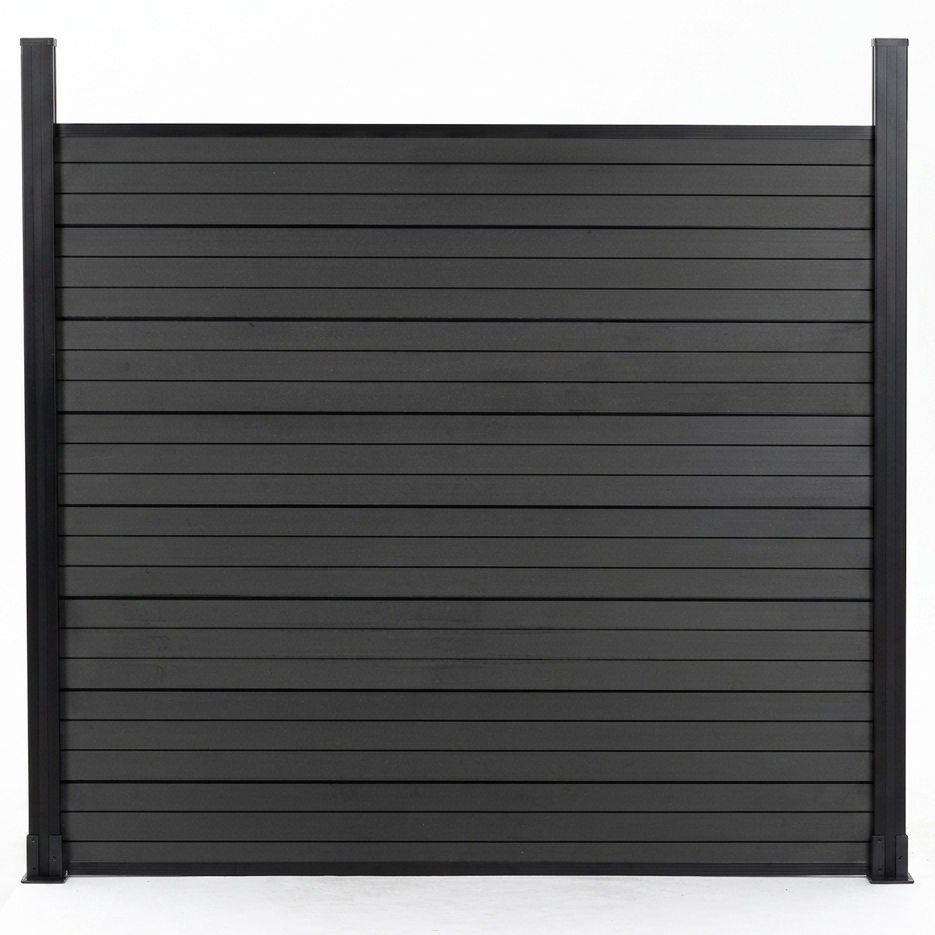
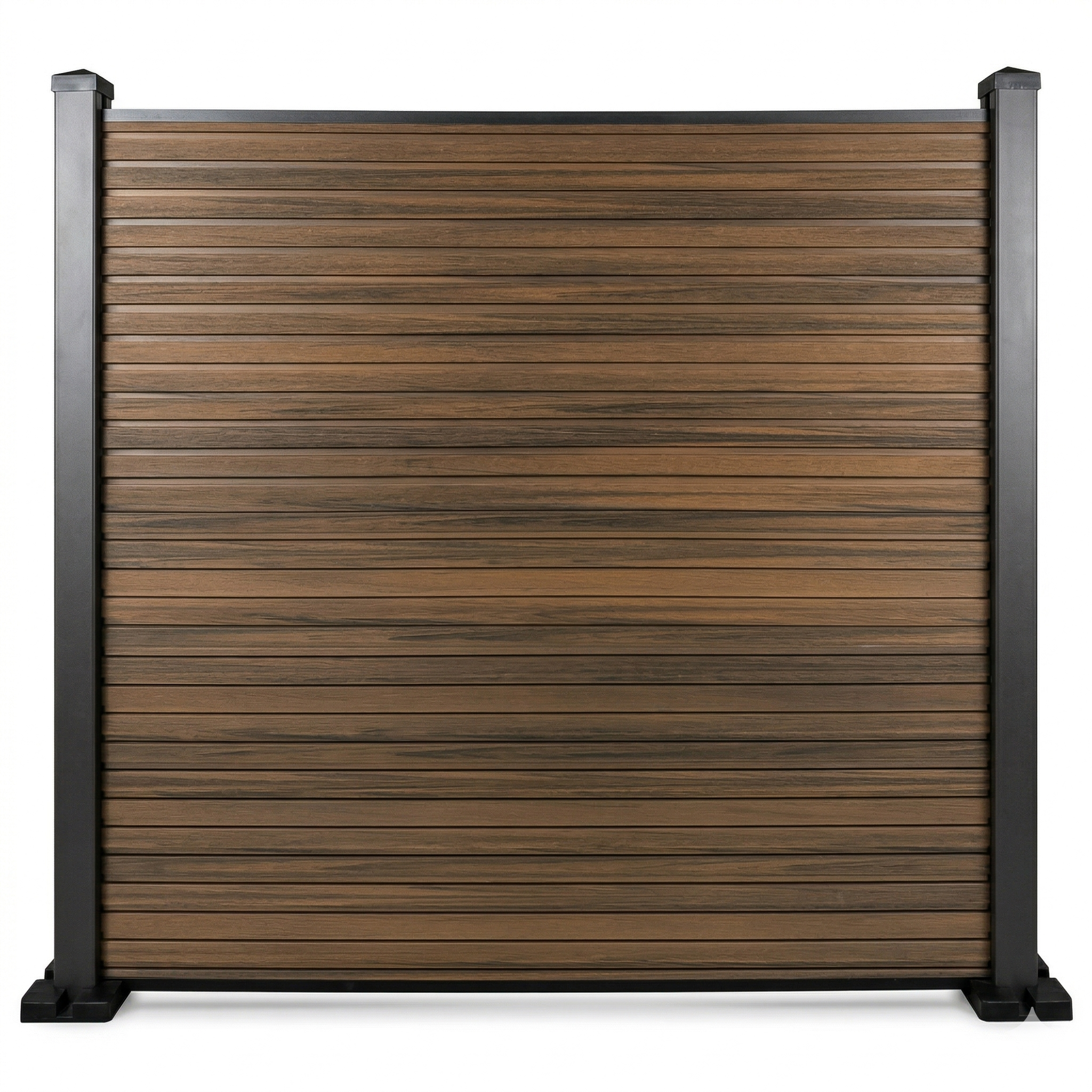
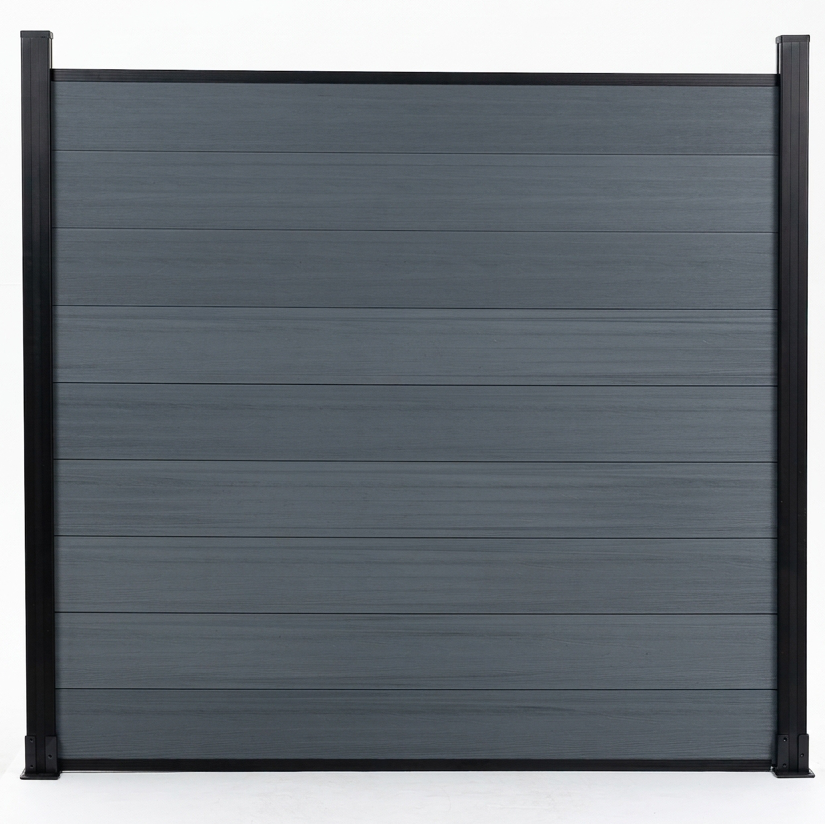
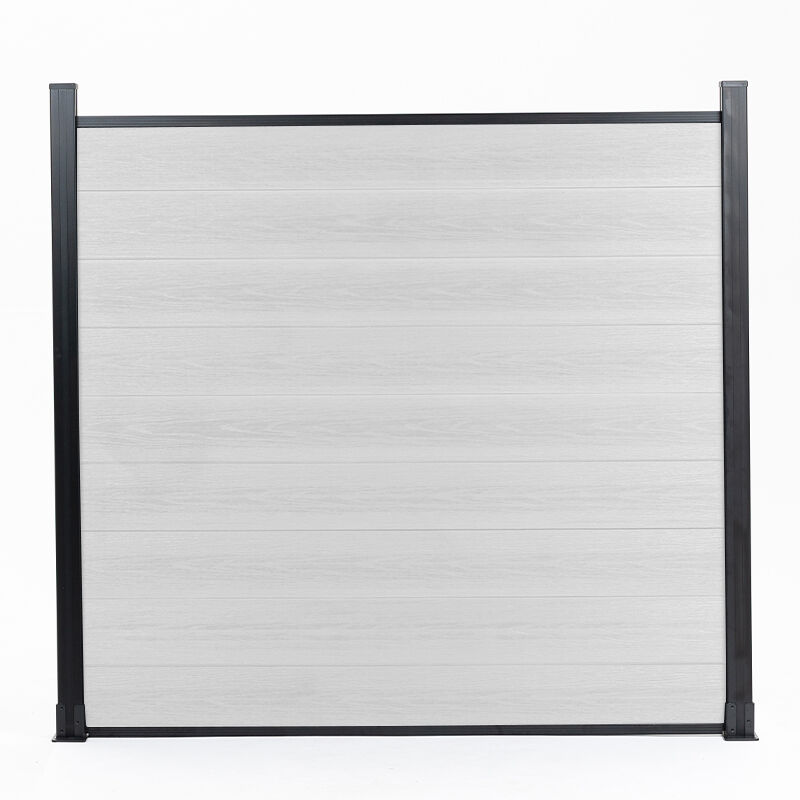
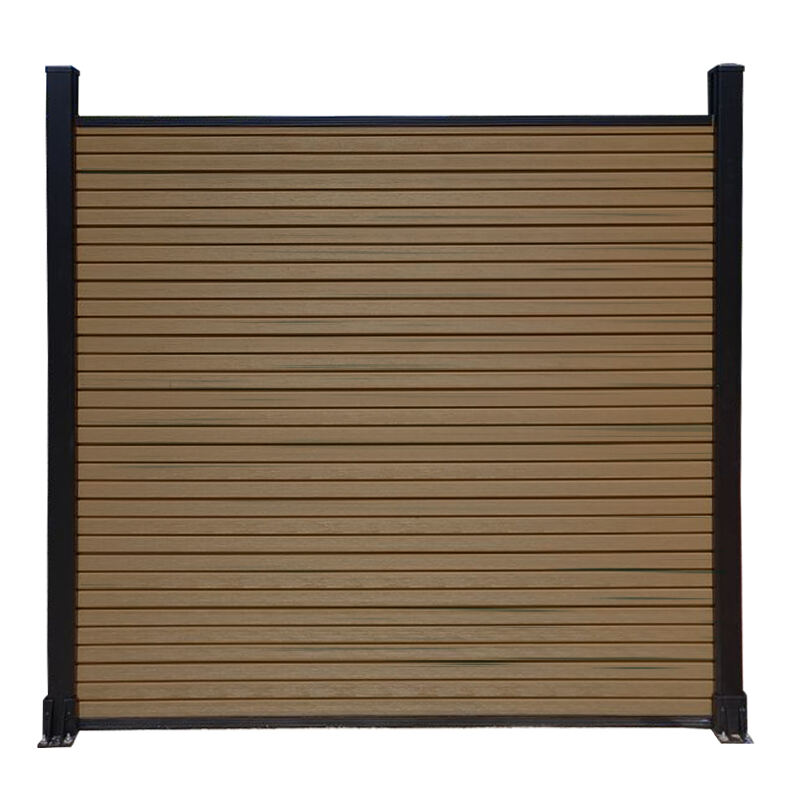
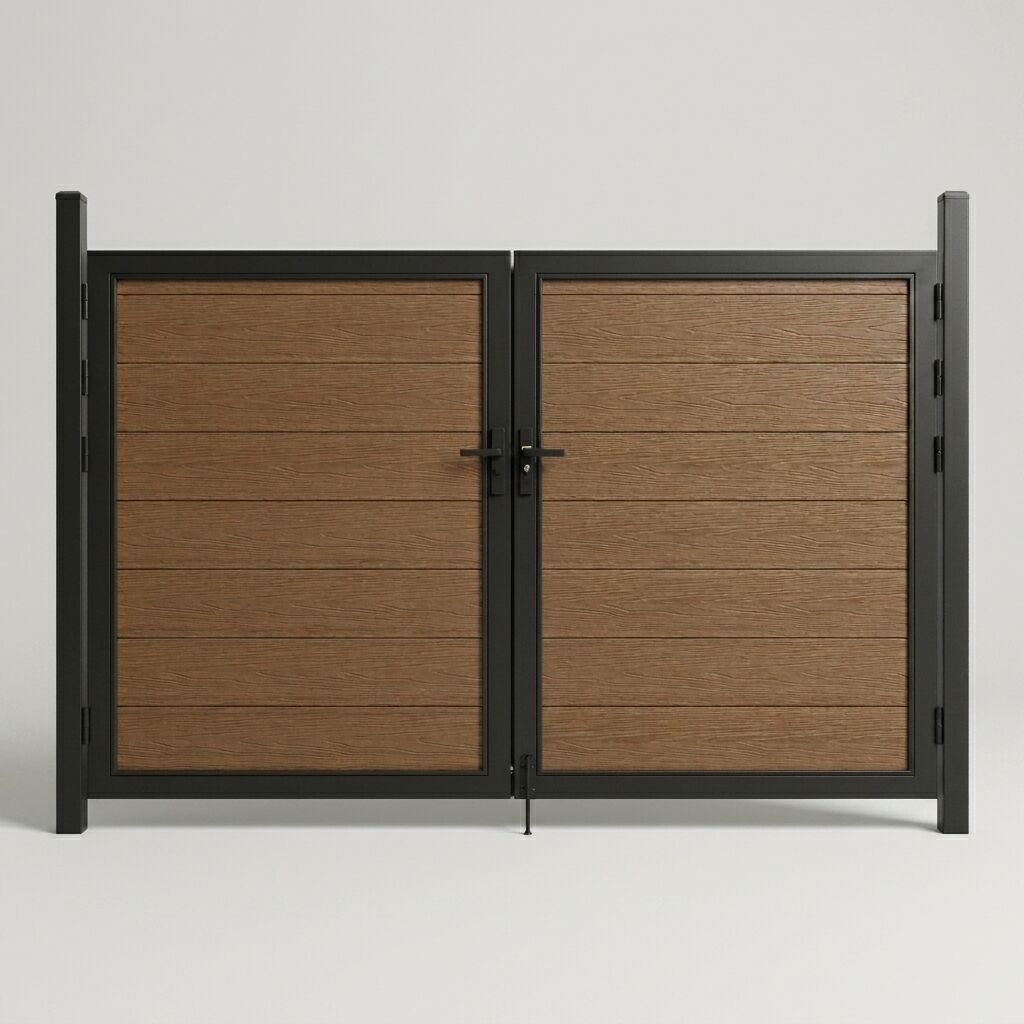
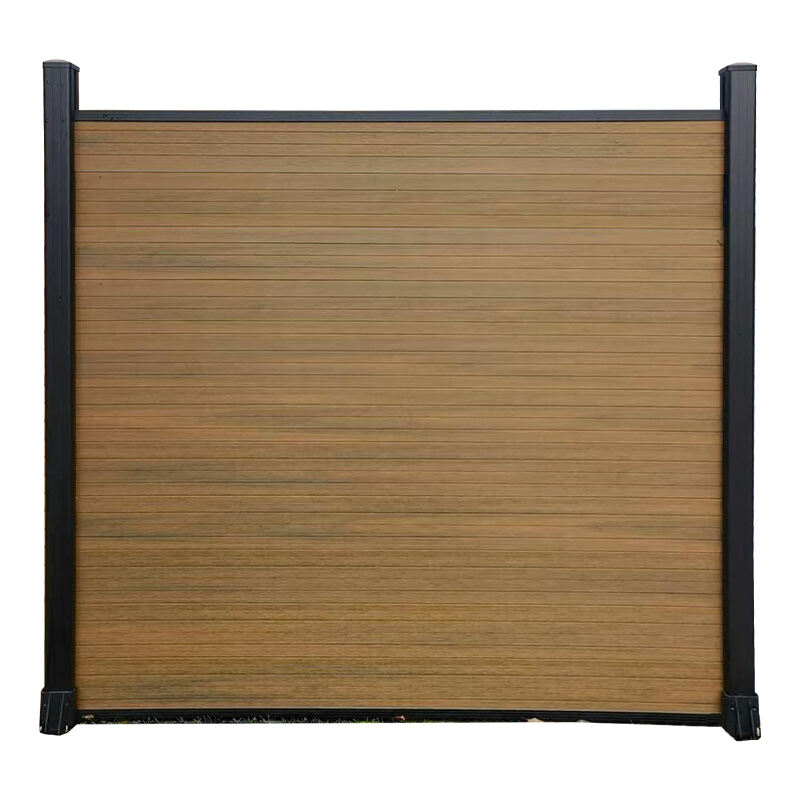
Wood plastic composite (WPC) materials offer an innovative approach to guardrail construction, combining natural aesthetics with synthetic durability. These materials provide excellent weather resistance and dimensional stability while requiring minimal maintenance compared to traditional wood options. WPC guardrails for safety can be manufactured with specific performance characteristics tailored to individual facility requirements. The versatility of composite materials allows for custom designs that meet both functional and aesthetic requirements in commercial settings.

Installation Considerations for Commercial Facilities

Foundation and Mounting Requirements

Proper foundation preparation ensures that guardrails for safety provide reliable protection throughout their service life. Foundation requirements vary based on guardrail design, soil conditions, and expected load requirements in specific installations. Concrete foundations typically provide the most stable mounting platform for permanent guardrail installations in commercial facilities. Engineers must calculate appropriate foundation dimensions and reinforcement requirements based on anticipated forces and environmental conditions.

Mounting hardware selection plays a crucial role in guardrail system performance and longevity. High-quality fasteners manufactured from corrosion-resistant materials prevent premature failure and maintain system integrity. Proper torque specifications ensure that connections remain secure while allowing for thermal expansion and contraction. Regular inspection of mounting hardware helps identify potential issues before they compromise the effectiveness of guardrails for safety installations.

Layout Planning and Traffic Flow

Strategic layout planning optimizes the protective effectiveness of guardrails for safety while maintaining efficient traffic flow within commercial facilities. Guardrail placement should consider pedestrian walkways, vehicle routes, emergency egress requirements, and equipment access needs. Poor layout planning can create bottlenecks, increase accident risks, or interfere with normal facility operations. Professional design services help identify optimal guardrail configurations that balance safety requirements with operational efficiency.

Traffic flow analysis identifies high-risk areas where additional protection may be necessary beyond standard guardrail requirements. Intersection points, loading docks, and equipment maintenance areas often require specialized guardrail configurations to address unique safety challenges. Integration with existing safety systems such as warning signals, lighting, and signage enhances the overall effectiveness of guardrails for safety installations. Consideration of future facility modifications ensures that guardrail systems can accommodate operational changes without major reconstruction.

Maintenance and Lifecycle Management

Inspection and Monitoring Protocols

Regular inspection protocols ensure that guardrails for safety continue providing effective protection throughout their service life. Inspection schedules should account for facility operating conditions, environmental exposure, and manufacturer recommendations for specific guardrail materials. Visual inspections identify obvious damage, while detailed structural assessments verify that load-bearing capacity remains within acceptable limits. Documentation of inspection results provides valuable data for maintenance planning and regulatory compliance reporting.

Monitoring protocols should establish clear criteria for determining when guardrails require repair, reinforcement, or replacement. Early identification of potential issues prevents minor problems from developing into major safety hazards. Environmental monitoring helps predict maintenance needs based on exposure conditions and material degradation rates. Proactive maintenance approaches reduce overall lifecycle costs while ensuring consistent protection for facility personnel.

Cost Management and Budgeting

Lifecycle cost analysis provides a comprehensive view of guardrail investment returns including initial purchase, installation, maintenance, and replacement costs. Guardrails for safety with higher initial costs may provide better long-term value through reduced maintenance requirements and extended service life. Budget planning should account for both scheduled maintenance activities and unexpected repair needs that may arise from accidents or equipment damage. Understanding total cost of ownership helps facility managers make informed decisions about guardrail selection and replacement timing.

Cost management strategies include preventive maintenance programs, bulk purchasing agreements, and standardization of guardrail systems across multiple facilities. Standardization simplifies inventory management while reducing training requirements for maintenance personnel. Warranty provisions and service agreements provide additional cost protection for guardrails for safety investments. Regular budget reviews ensure that adequate resources remain available for maintaining effective safety protection systems.

Environmental and Weather Considerations

Climate Impact on Material Performance

Environmental conditions significantly influence the performance and longevity of guardrails for safety in commercial and industrial applications. Temperature fluctuations cause thermal expansion and contraction that can stress mounting hardware and connection points. Extreme temperatures may affect material properties, with some plastics becoming brittle in cold conditions while metals may experience thermal fatigue. UV radiation from sunlight gradually degrades many materials, causing color fading and structural weakening over time.

Humidity and moisture exposure create corrosion risks for metal guardrails while promoting biological growth that can affect material integrity. Salt air in coastal environments accelerates corrosion processes, requiring specialized materials or protective coatings for guardrails for safety installations. Precipitation patterns influence drainage requirements and may create ice formation hazards that affect guardrail effectiveness. Understanding local climate conditions helps ensure appropriate material selection and maintenance scheduling.

Chemical and Industrial Environment Factors

Industrial facilities often expose guardrails for safety to chemical vapors, process emissions, and cleaning agents that can degrade standard materials. Chemical compatibility testing ensures that selected materials can withstand specific exposure conditions without compromising structural integrity or safety performance. Some chemicals may cause immediate damage while others create gradual degradation that becomes apparent only after extended exposure. Proper material selection prevents premature failure and maintains consistent protection levels.

Process-related factors such as vibration, electromagnetic interference, and airborne particles may affect guardrail performance in specialized industrial applications. Vibration can loosen fasteners and stress connection points, requiring enhanced mounting systems for guardrails for safety in high-vibration environments. Electromagnetic fields may affect electronic monitoring systems integrated with advanced guardrail designs. Understanding these environmental challenges helps specify appropriate guardrail systems for specific industrial applications.

FAQ

What height requirements apply to commercial guardrails for safety installations

Standard commercial guardrails for safety must maintain a minimum height of 42 inches according to OSHA regulations, measured from the walking surface to the top rail. Some specialized applications may require greater heights based on specific risk assessments or industry-specific regulations. The guardrail system must also include intermediate rails or solid panels to prevent objects from falling through openings larger than 19 inches. Facilities should consult with safety engineers to verify that chosen height specifications meet all applicable requirements for their specific operations.

How do I determine the appropriate load capacity for industrial guardrails

Load capacity requirements for guardrails for safety depend on the specific application and potential impact scenarios in your facility. Standard requirements specify that guardrails must withstand a minimum force of 200 pounds applied in any direction along the top rail. Industrial applications may require higher load capacities based on equipment operations, vehicle traffic, or specialized safety requirements. Professional engineering analysis helps determine appropriate load specifications based on your facility's unique operational characteristics and risk factors.

What maintenance schedules are recommended for different guardrail materials

Maintenance schedules for guardrails for safety vary significantly based on material type, environmental conditions, and facility operations. Steel guardrails typically require annual inspections with painting or coating renewal every 3-5 years in normal conditions. Aluminum and composite materials generally need less frequent maintenance, with major servicing required every 5-10 years depending on environmental exposure. Regular visual inspections should occur monthly or quarterly to identify damage or deterioration that requires immediate attention regardless of material type.

Can existing guardrail systems be upgraded to meet current safety standards

Many existing guarrail systems can be upgraded to meet current safety standards through modifications such as height adjustments, additional rails, or reinforcement of mounting systems. Upgrading guardrails for safety often provides a cost-effective alternative to complete replacement while ensuring compliance with modern regulations. Professional assessment determines which modifications are feasible and whether upgrades provide adequate protection compared to new installations. Some older systems may require complete replacement if structural integrity or material condition cannot support effective upgrades.

Get a Free Quote

Our representative will contact you soon.
Email
Name
Company Name
Whatsapp
Message
0/1000