
 EN
EN

Anong mga katangian ang nagpapagawa ng kahanga-hangang pagtutol sa panahon ng mga panlabas na WPC wall panel?
Anong mga katangian ang nagpapagawa ng kahanga-hangang pagtutol sa panahon ng mga panlabas na WPC wall panel?
Mga Pakinabang sa Pagtutol sa Panahon ng Panlabas na WPC na Pader na Panel
Ang mga panlabas na materyales sa paggawa ng gusali ay kailangang makatiis sa patuloy na pagkakalantad sa sikat ng araw, ulan, kahalumhan, pagbabago ng temperatura, at iba pang kondisyong pangkapaligiran. Para sa mga tagapag-ayos, kontraktor, wholesaler, distributor, at mga kumpanya ng inhinyeriya, mahalaga ang pagpili ng maaasahang panlabas na materyal upang matiyak ang mahabang panahong pagganap ng proyekto at bawasan ang mga pangangailangan sa pagpapanatili. Panlabas wPC Wall Panel ay naging popular na piliin para sa mga modernong proyektong konstruksyon dahil ito ay nagkakasama ng hitsura ng likas na kahoy kasama ang mas mahusay na katatagan at pagtutol sa panahon.
Hindi tulad ng tradisyonal na mga kahoy na materyales na maaaring sumipsip ng kahalumhan, sumplit, o nangangailangan ng madalas na pagpapanatili, ang mga panlabas na wPC Wall Panel sistema ay idinisenyo gamit ang advanced na composite technology upang magbigay ng matatag na pagganap sa mga kapaligiran sa labas. Ang pagsasama ng mga fiber ng kahoy at mga polymer na materyales ay lumilikha ng isang istruktura na mas epektibong nakakatugon sa pagkakalantad sa kahalumhan, pagbabago ng temperatura, at araw-araw na epekto ng panahon.
Para sa isang propesyonal na pabrika ng wpc wall panel , ang kalidad ng produkto ay nakasalalay sa pormulasyon ng materyales, teknolohiya sa pagmamanupaktura, paggamot sa ibabaw, at disenyo ng istruktura. Ang mga kadahilanang ito ang nagtatakda kung gaano kahusay ang pagganap ng mga panel sa iba't ibang kondisyon ng klima. Kung ito man ay ilalagay sa mga komersyal na gusali, residential na proyekto, mga espasyong panlabas, o dekorasyon sa arkitektura, ang mga weather-resistant na wall panel ay nagbibigay ng isang praktikal at matibay na solusyon sa mga tagapagtayo.
Ang Advanced na Istukturang Materyales ay Nagpapabuti ng Resistance sa Panahon
Ang pundasyon ng panlabas na wPC Wall Panel ang pagganap ay galing sa kanyang istrukturang komposit na materyal. Ang pagsasama ng mga materyal na gawa sa kahoy at mga bahagi ng polymer ay lumilikha ng balanseng solusyon na nag-aalok ng parehong visual na atractibo at mga pang-fungsyon na pakinabang.
Teknolohiya ng Komposit na Kahoy at Polymer
Panlabas wPC Wall Panel ang mga produkto ay ginagawa sa pamamagitan ng pagsasama ng mga hibers ng kahoy at mataas na kalidad na polymer gamit ang mga advanced na paraan ng pagproseso. Ang istrukturang ito ay nababawasan ang maraming kahinaan na karaniwang nakikita sa tradisyonal na mga materyal na kahoy.
Ang bahagi ng polymer ay tumutulong na limitahan ang pag-absorb ng tubig at mapabuti ang dimensional na katatagan. Samantala, ang mga hibers ng kahoy ay nagbibigay ng natural na tekstura at hitsura na sumasakop sa mga modernong disenyo ng arkitektura.
Ang balanseng komposisyong ito ay nagpapahintulot sa mga panel na panatilihin ang kanilang hugis at kalidad ng ibabaw kahit kapag ilalantad sa mga kapaligiran sa labas sa mahabang panahon. Ang mga taga-gawa ay maaaring gamitin ang mga panel na ito para sa mga panlabas na pader nang walang kabalaka sa mga karaniwang isyu na kaugnay sa di-natutunaw na natural na kahoy.
Para sa mga proyektong nangangailangan ng pare-parehong hitsura at maaasahang pagganap, ang pakikipagtrabaho sa isang may karanasan pabrika ng wpc wall panel nagagarantiya ng mas mahusay na kontrol sa materyal at kalidad ng produkto.
Matatag na Pagganap sa Ilalim ng Pagbabago ng Klima
Ang mga panlabas na pader ay nakararanas ng patuloy na pagbabago ng temperatura sa buong taon. Ang mga materyales ay lumalawak at nagco-contract kapag nilantad sa init, lamig, at kahalumigmigan, na maaaring magdulot ng pagkabago ng hugis kung hindi matatag ang istraktura ng materyal.
Panlabas wPC Wall Panel ang mga sistema ay dinisenyo upang mabawasan ang mga isyung ito sa paggalaw. Ang kanilang komposit na istraktura ay nagbibigay ng mas mahusay na dimensional stability kumpara sa maraming tradisyonal na panlabas na materyales.
Ginagawa nitong angkop ang mga ito para sa iba't ibang rehiyon at kondisyon ng klima. Mula sa mga lugar na may mataas na kahalumigmigan hanggang sa mga lokasyon na may matinding pagsikat ng araw, pinananatili ng de-kalidad na mga panel ang kanilang pagganap habang binabawasan ang panganib ng pagkabasag o pagkabaluktot.
Ang Moisture Resistance ay Nagpoprotekta sa mga Panlabas na Pader
Ang pagkakalantad sa tubig ay isa sa mga pinakamalaking hamon para sa mga materyales sa gusaling panlabas. Maaaring dahan-dahang masira ang mga materyales na hindi sapat na protektado dahil sa ulan, kahalumigmigan, at kondensasyon.
Disenyo na May Mababang Pagsipsip ng Tubig
Isang pangunahing kalamangan ng panlabas wPC Wall Panel ay ang kahusayan nitong mababang pagsipsip ng tubig. Ang nilalaman ng polimer ay lumilikha ng isang protektibong istraktura na nagpipigil sa labis na kahalumigmigan na tumagos sa panel.
Maaaring magsipsip ng tubig ang tradisyonal na kahoy, na nagdudulot ng pamamaga, pagkabulok, at pinsalang pang-ibabaw sa paglipas ng panahon. Dinisenyo ang mga materyales na WPC upang malampasan ang mga problemang ito sa pamamagitan ng pag-limita sa paglaki dulot ng kahalumigmigan.
Para sa mga kontraktor, nangangahulugan ito ng mas kaunting pangangailangan sa pagkukumpuni pagkatapos ng pag-install. Para sa mga may-ari ng ari-arian, nangangahulugan ito ng mas malinis at mas matatag na hitsura ng panlabas sa mas mahabang panahon.
Maaasahan pabrika ng wpc wall panel nakatuon sa kontrol sa densidad, ratio ng materyales, at teknolohiyang pangproduksyon upang mapabuti ang paglaban sa kahalumigmigan.
Paglaban sa Mold at Pagkabulok
Maaaring lumikha ng kondisyon kung saan umuunlad ang mold at pagkabulok sa tradisyonal na materyales ang mga kapaligirang may mataas na kahalumigmigan. Panlabas wPC Wall Panel nagbibigay ng mas mahusay na paglaban dahil hindi ito nagbibigay ng parehong organikong kapaligiran na sumusuporta sa mabilis na biological na pinsala.
Ginagawa nitong angkop ang mga panel para sa mga lugar na nakakaranas ng madalas na ulan o mataas na kahalumhan. Ang mga gusali na matatagpuan malapit sa mga pinagkukunan ng tubig o sa tropikal na klima ay maaaring makinabang sa karagdagang proteksyon na ito.
Sa pamamagitan ng pagbawas sa panganib ng paglago ng amag at pagkasira ng materyales, ang mga WPC na panlabas na panel ay tumutulong na mapanatili ang mas malusog at mas matibay na ibabaw ng gusali.
Ang Paglaban sa UV ay Sumusuporta sa Matagalang Panlabas na Anyo
Ang pagkakalantad sa liwanag ng araw ay isa pang pangunahing kadahilanan na nakaaapekto sa mga panlabas na materyales. Ang patuloy na ultraviolet na radiation ay maaaring magdulot ng pagpapakulay, pagtanda ng ibabaw, at pagkasira ng materyales.
Teknolohiya ng Proteksyon sa UV
Mataas na kalidad na panlabas wPC Wall Panel ang mga produkto ay kadalasang may kasamang mga additive o surface treatment na may paglaban sa UV upang mapabuti ang katatagan sa labas. Ang mga teknolohiyang ito ay tumutulong na bawasan ang pagpapakulay na dulot ng matagalang pagkakalantad sa liwanag ng araw.
Ang protektibong surface layer ay nagpapahintulot sa mga panel na mapanatili ang kanilang dekoratibong anyo habang lumalaban sa environmental aging.
Para sa mga komersyal na gusali, hotel, at residential na development, mahalaga ang pagpapanatili ng kaakit-akit na panlabas na anyo para sa kabuuang halaga ng proyekto. Ang mga panel na WPC na may resistensya sa UV ay nagbibigay ng parehong estetikong benepisyo at pangkalahatang pagganap.
Ang Pagsasahod ng Ibabaw ay Nagpapabuti ng Katatagan
Modernong panlabas wPC Wall Panel maaaring gamitin ng mga produkto ang mga advanced na paggamot sa ibabaw upang mapabuti ang tekstura, katatagan ng kulay, at resistensya laban sa panlabas na pinsala.
Maaaring lumikha ang mga paggamot na ito ng mga tunay na pattern na kahoy habang pinapabuti ang proteksyon laban sa mga sugat, alikabok, at pagkakalantad sa panahon.
Isang propesyonal pabrika ng wpc wall panel maaaring magbigay ng iba't ibang opsyon sa ibabaw ayon sa mga kinakailangan ng proyekto, na tumutulong sa mga arkitekto at kontraktor na makamit ang nais na istilo ng panlabas na disenyo.
Katatagan sa Temperatura at Katatagan ng Estructura
Dapat gumana ang mga panlabas na materyales sa parehong mainit at malamig na kondisyon. Maaaring maging brittle, sobrang lumalawig, o mawala ang katatagan ng estruktura ang mga materyales na may mababang kalidad.
Resistensya sa Mainit at Malamig na Kondisyon
Panlabas wPC Wall Panel ang mga materyales ay idinisenyo upang hawakan ang mga pagbabago sa temperatura nang mas epektibo kaysa sa maraming tradisyonal na kahoy na produkto.
Ang kompositong istruktura ay nababawasan ang epekto ng thermal expansion at contraction. Nakakatulong ito sa pagpapanatili ng alignment ng mga panel at nagpapigil sa mga nakikitang puwang o depekto.
Para sa mga proyektong pangkonstruksyon sa mga rehiyon na may panseasonal na pagbabago ng temperatura, ang pagpili ng mga matatag na panlabas na materyales ay nakakatulong sa pagpapabuti ng katatagan ng gusali at nababawasan ang mga alalang pangpanatili.
Nababawasan ang mga Panganib ng Cracking at Depekto
Ang mga tradisyonal na kahoy na materyales ay maaaring magkaroon ng mga puklo dahil sa pagpapatuyo, pagbabago ng kahalumhan, at paulit-ulit na pagkakalantad sa panahon.
Panlabas wPC Wall Panel ang mga sistemang ito ay nababawasan ang mga problemang ito sa pamamagitan ng kanilang inhenyeriyang komposisyon. Ang kombinasyon ng polymer at mga fiber ng kahoy ay lumilikha ng mas malakas na istruktura na nananatiling hugis.
Ang katiyakan na ito ay lalo pang mahalaga para sa mga malalaking proyektong pangkonstruksyon kung saan ang pagpapalit ng materyales ay maaaring magdagdag sa mga gastos sa paggawa at operasyon.
Ang Madaling Panatilihin ay Lumilikha ng Pangmatagalang Halaga
Para sa mga tagapagtayo at developer, ang mga kinakailangan sa pagpapanatili ng materyales ay direktang nakaaapekto sa gastos ng proyekto. Ang mga panlabas na materyales na nangangailangan ng madalas na paggamot ay maaaring magdagdag ng mga gastos sa mahabang panahon.
Pansinang Reklamo sa Paghuhugas
Panlabas wPC Wall Panel ang mga produkto ay karaniwang madaling panatilihin. Ang karamihan sa mga ibabaw ay maaaring linisin gamit ang mga pangunahing pamamaraan nang walang kailangang regular na pagpipinta o espesyal na protektibong coating.
Ito ay nababawasan ang pasanin ng mga koponan sa pamamahala ng ari-arian at tumutulong na panatilihin ang orihinal na itsura ng mga gusali.
Kumpara sa natural na kahoy na siding na maaaring mangailangan ng periodic na sealing o repainting, WPC wall panels nag-aalok ng mas kumbenienteng solusyon para sa modernong konstruksyon.
Mas Mababang Gastos sa Lifecycle
Ang pagpili ng matitibay na panlabas na materyales ay tumutulong na bawasan ang kabuuang gastos sa pagmamay-ari. Bagaman ang pagpili ng materyales ay isang paunang investido, ang matagal na pagganap ay nagbibigay ng mas malaking halaga sa paglipas ng panahon.
Isang kalidad pabrika ng wpc wall panel nauunawaan ng [brand] na ang mga mamimili ay nangangailangan ng mga produkto na nagbibigay ng matatag na pagganap sa buong lifecycle ng gusali.
Para sa mga komersyal at inhinyeriyang proyekto, ang mababang pangangailangan sa pagpapanatili ay maaaring mapabuti ang kahusayan ng operasyon at pamamahala ng badyet.
Kakayahang Magdisenyo nang Lubos para sa mga Modernong Proyektong Konstruksyon
Bukod sa pagtutol sa panahon, ang panlabas wPC Wall Panel na mga produkto ay nagbibigay ng kakayahang magdisenyo nang lubos na tumutugon sa iba't ibang pangangailangan sa arkitektura.
Iba't Ibang Estilo at Aplikasyon
Ang mga pader na panel na WPC ay available sa iba't ibang kulay, tekstura, at profile. Ang mga tagapagkonstrak ay maaaring pumili ng angkop na estilo para sa panlabas na mukha ng gusali, dekoratibong pader, balkonahe, at mga espasyong panlabas.
Ang natural na anyo ng kahoy na pinagsama sa modernong pagganap ng composite ay ginagawang angkop ang mga panel na ito para sa parehong tradisyonal at kontemporaryong disenyo.
Ang kakayahang magdisenyo nang lubos na ito ay nagbibigay-daan sa mga kontraktor na tugunan ang mga kagustuhan ng customer nang hindi kinakailangang i-sacrifice ang tibay.
Kakayahan sa Pagkakasabay sa Iba Pang Mga Materyales sa Pagbuo
Panlabas wPC Wall Panel ang mga sistema ay maaaring pagsamahin sa mga pintuang gawa sa alloy na aluminum, mga materyales sa sahig, mga sistema ng pagkakasulok, at iba pang mga produktong arkitektural.
Ang kompatibilidad na ito ay nagpapahintulot sa mga tagapagawa na lumikha ng kumpletong solusyon sa pagbuo na may pinagkasunduang pagganap at hitsura.
Ang mga propesyonal na tagapag-suplay ay maaaring magbigay ng mga pasadyang opsyon batay sa mga teknikal na tukoy ng proyekto, kondisyon ng pag-installa, at mga kinakailangan sa disenyo.
Pagpili ng Mapagkakatiwalaang Pabrika ng WPC na Panel para sa Pader
Ang kalidad ng mga panlabas na materyales ay lubos na nakasalalay sa proseso ng pagmamanupaktura. Mahalaga ang pagpili ng tamang tagapag-suplay upang matiyak ang pare-parehong pagganap.
Teknolohiya sa Pagmamanupaktura at Kontrol sa Kalidad
Isang propesyonal pabrika ng wpc wall panel gumagamit ng advanced na kagamitan at mahigpit na sistema ng kontrol sa kalidad upang mapanatili ang pagkakapareho ng produkto.
Ang paghalo ng materyales, mga proseso ng extrusion, paggamot sa ibabaw, at mga prosedurang inspeksyon ay lahat nakaaapekto sa panghuling pagganap ng produkto.
Para sa mga B2B na mamimili, ang matatag na kakayahan sa produksyon ay nagsisiguro ng maaasahang suplay para sa malalaking proyektong konstruksyon.
Mga Pasadyang Solusyon para sa Iba't Ibang Proyekto
Iba-iba ang mga kinakailangan ng iba't ibang gusali. Isang kakayahang pabrika ng wpc wall panel maaaring magbigay ng pasadyang solusyon kabilang ang mga kulay, sukat, tekstura, at disenyo ng istruktura.
Ang fleksibilidad na ito ay tumutulong sa mga kontraktor na matapos ang mga proyekto nang mahusay habang natutugunan ang mga inaasahang arkitektural.
Ang pakikipagtulungan sa mga eksperyensiyadong tagagawa ay nagbibigay din ng mas mahusay na suportang teknikal at tumutulong na bawasan ang mga hamon sa pag-install. 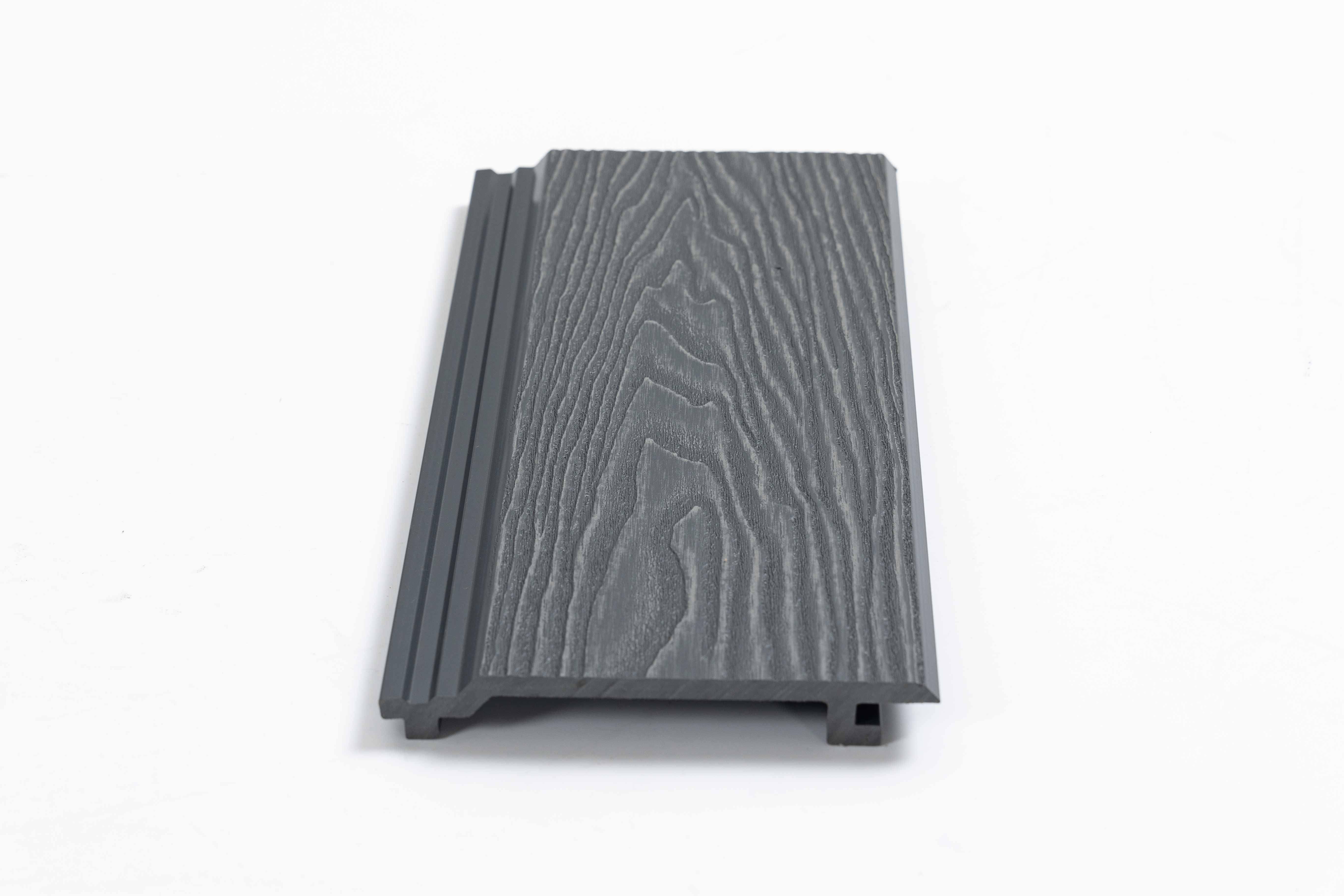
Mga Madalas Itanong
Bakit ang panlabas na WPC wall panel ay angkop para sa mga aplikasyon sa labas?
Panlabas wPC Wall Panel angkop para sa mga aplikasyon sa labas dahil ito ay nag-aalok ng paglaban sa kahalumhan, proteksyon laban sa UV, katatagan sa temperatura, at malakas na paglaban sa pagsalungat ng kapaligiran. Ang kompositong istruktura nito ay tumutulong na mapanatili ang kinergetiko sa iba't ibang kondisyon ng panahon.
Kailangan ba ng madalas na pagpapanatili ang WPC wall panel?
Hindi. Kumpara sa maraming tradisyonal na panlabas na materyales, wPC Wall Panel nangangailangan ng mas kaunti pang pagpapanatili. Karaniwang sapat na ang regular na paglilinis upang panatilihin ang kaakit-akit at funksyonal na hitsura nito, na binabawasan ang mga gastos sa pagpapanatili sa mahabang panahon.
Paano sinisiguro ng isang pabrika ng WPC wall panel ang kalidad ng produkto?
Isang propesyonal pabrika ng wpc wall panel nagpapagarantiya ng kalidad sa pamamagitan ng kontroladong pagpili ng materyales, advanced na teknolohiya sa produksyon, mga proseso sa paggamot ng ibabaw, at pagsusuri sa produkto. Ang mga hakbang na ito ay tumutulong upang magbigay ng pare-parehong pagganap na tumutol sa panahon.
Maaari bang i-customize ang panlabas na WPC wall panel para sa mga proyektong pangkonstruksyon?
Oo. Panlabas wPC Wall Panel madalas na maaaring i-customize sa mga aspeto ng kulay, tekstura, sukat, at disenyo ng ibabaw. Ito ay nagbibigay-daan sa mga tagapagtayo, distributor, at kontraktor na tugunan ang iba't ibang pangangailangan ng proyekto.