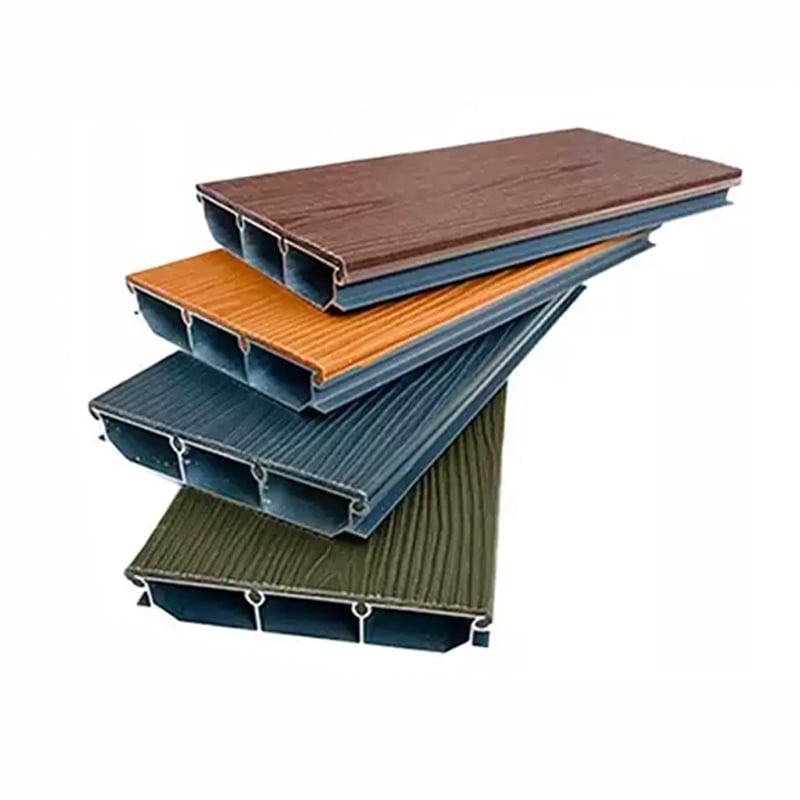
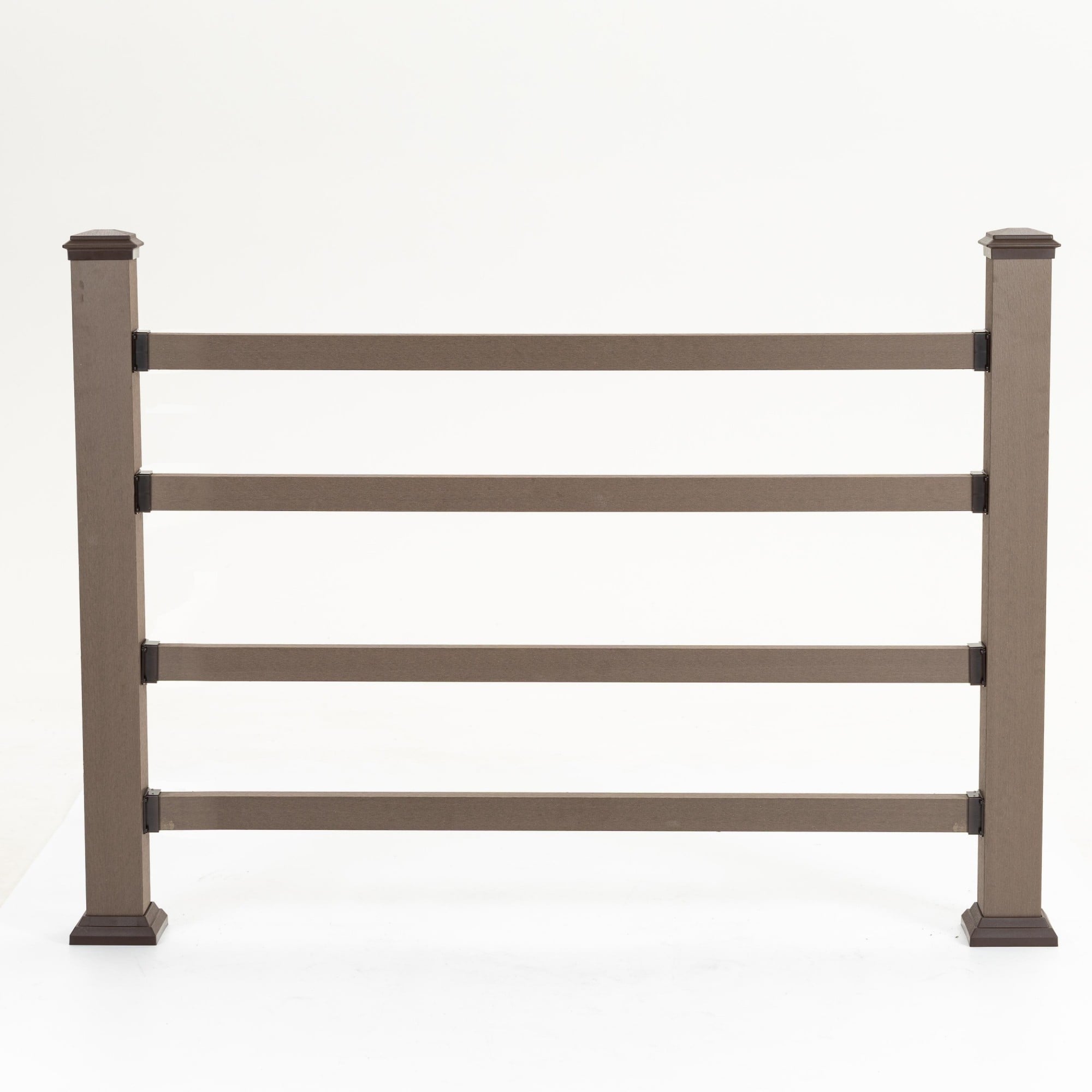
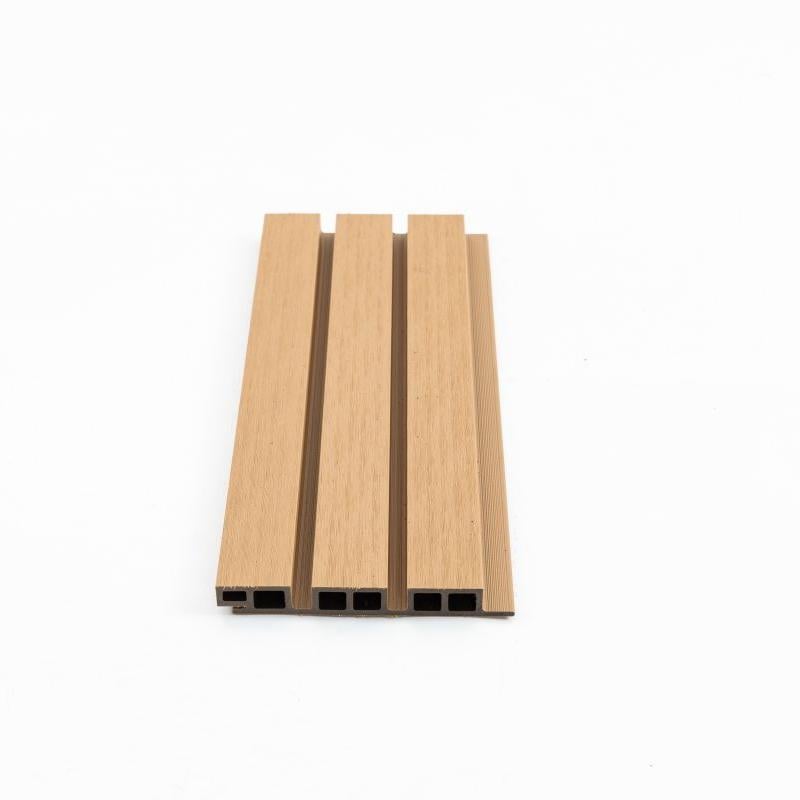
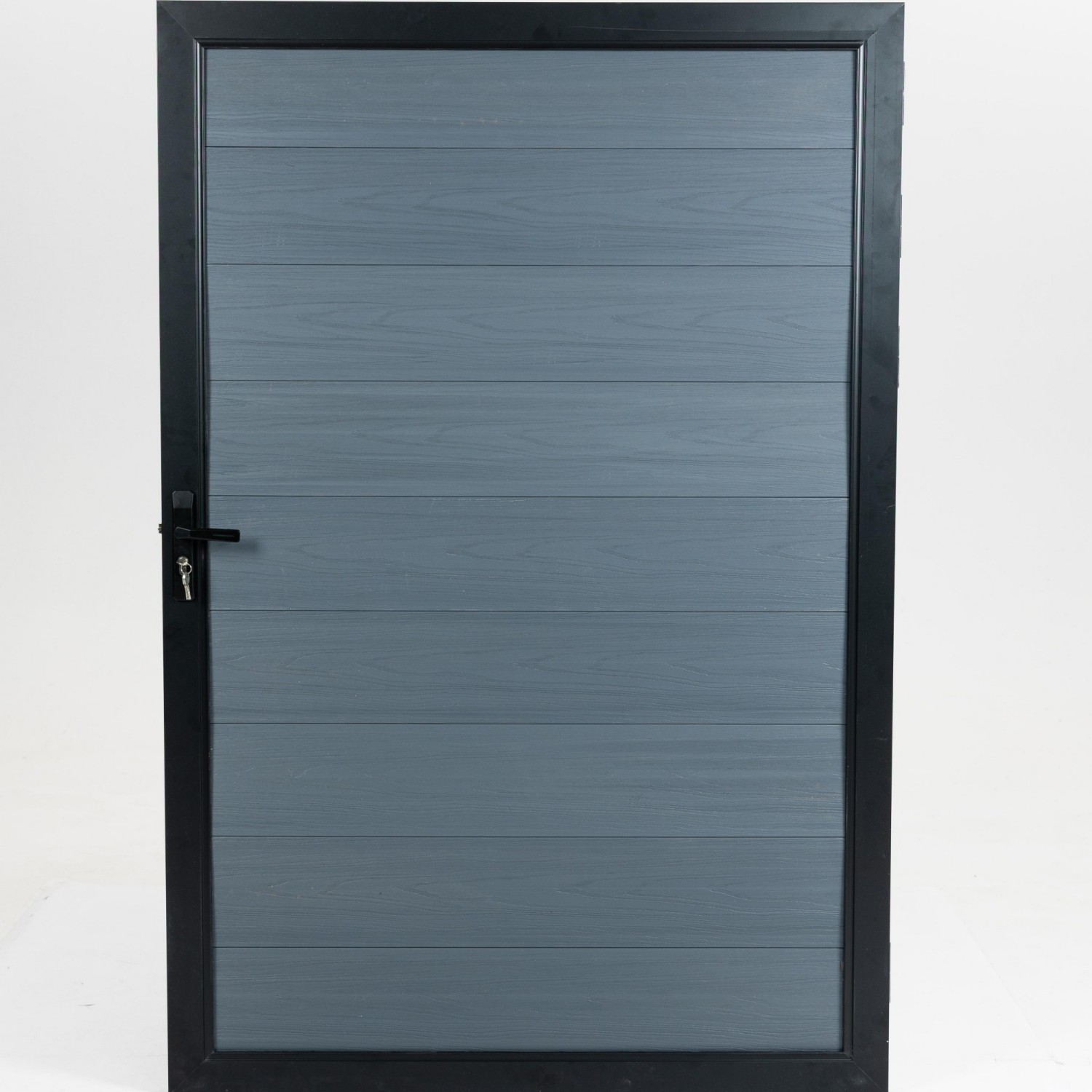
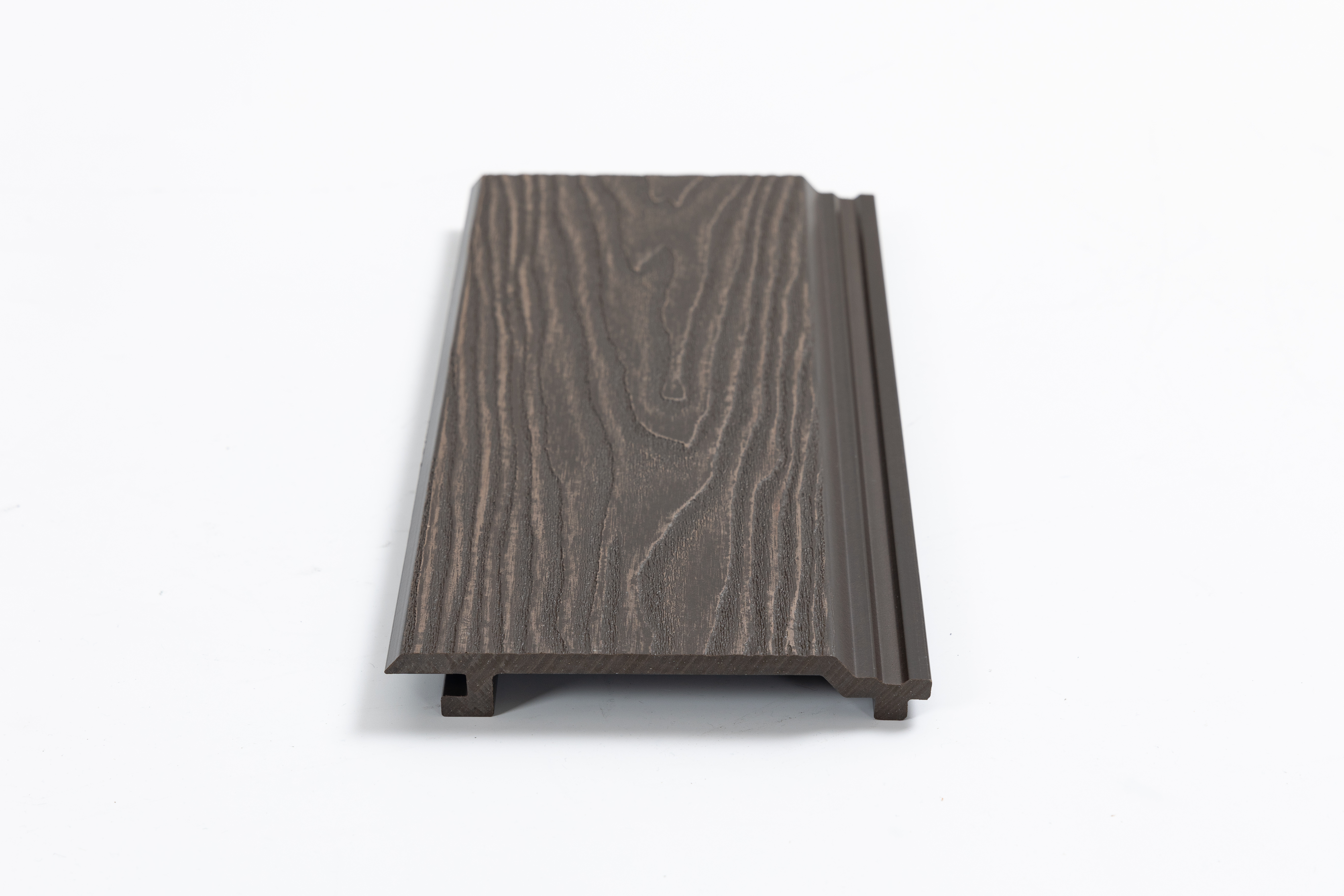
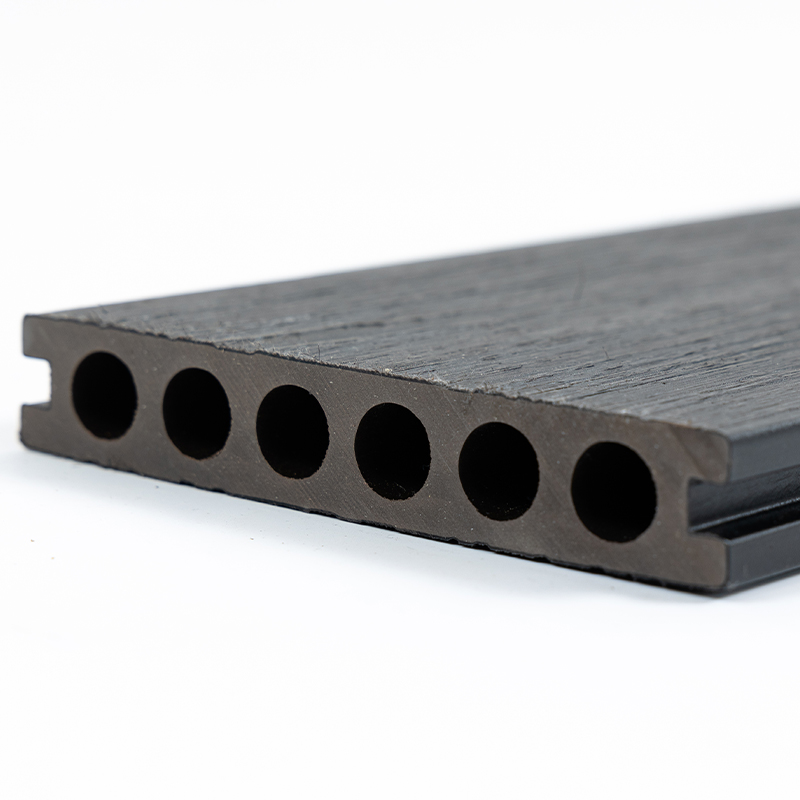
Discover a teak color WPC fence installation in Los Angeles combining natural wood aesthetics with durable, low-maintenance composite fencing technology for modern outdoor spaces.
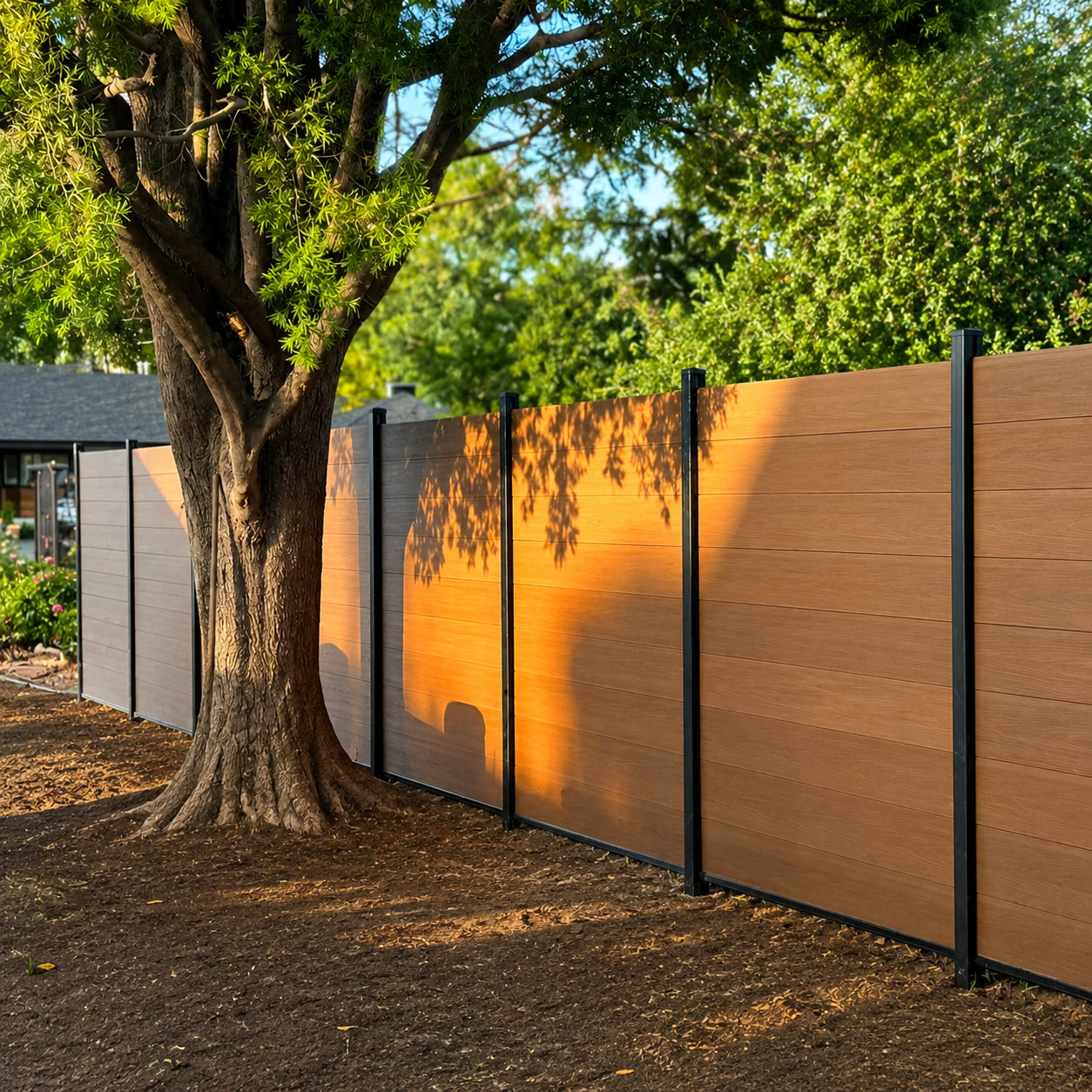
Our valued customer in Los Angeles, California recently completed a beautiful installation of a teak color WPC fence, bringing a warm, natural wood-like aesthetic to a modern outdoor space. This project highlights how wood-plastic composite fencing can deliver both visual softness and structural performance, making it one of the most preferred choices for residential fencing in California.
The teak finish introduces a balanced tone — rich enough to stand out, yet natural enough to blend seamlessly with landscaping, outdoor furniture, and architectural elements. Unlike darker tones that create strong contrast, teak provides a more organic, inviting look that enhances the overall atmosphere of the property.
This installation reflects the increasing shift toward composite fence panels in the USA, especially among homeowners seeking durability without sacrificing design.
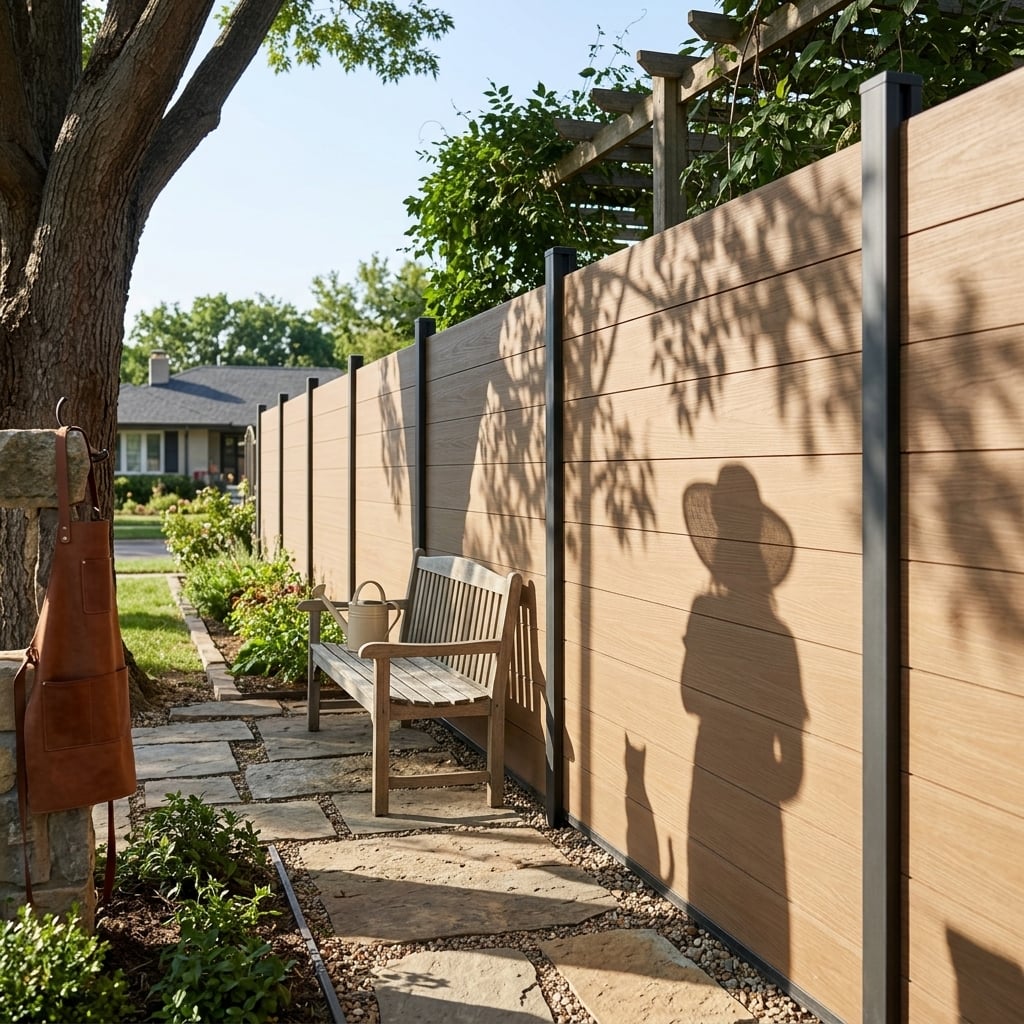
Teak is one of the most desirable tones in outdoor design because it replicates the warmth of natural hardwood while maintaining a clean, modern appearance. However, traditional teak wood fencing comes with significant maintenance challenges, including fading, cracking, and the need for constant sealing.
This teak WPC fence system eliminates those issues. The color is engineered directly into the composite material, ensuring long-term consistency without peeling or discoloration. The wood-like texture enhances realism while maintaining the advantages of low-maintenance composite fencing.
For homeowners in Los Angeles, this means achieving the look of premium timber without the long-term upkeep.
Los Angeles environments expose fencing materials to constant stress, including high UV levels, dry heat, airborne dust, and daily temperature fluctuations. Over time, these conditions degrade traditional materials like wood and even some vinyl fencing systems.
This wood-plastic composite fence is specifically designed to perform under these conditions. WPC materials are known for their resistance to moisture, UV radiation, and structural deformation, making them highly suitable for outdoor use .
Unlike wood fencing, which can warp or crack due to heat expansion and contraction, composite fence panels maintain dimensional stability. This ensures the fence remains straight, aligned, and visually consistent over time.
What makes this installation particularly effective is the clean execution. The panels are installed with precise alignment, creating a smooth horizontal flow that enhances the modern appearance of the property.
The teak tone softens the structure, making the fence feel less rigid while still maintaining a defined boundary. This balance between structure and warmth is one of the key reasons why teak composite fencing is becoming increasingly popular in residential projects.
The result is a fence that not only performs well but also contributes to the overall design language of the outdoor space.
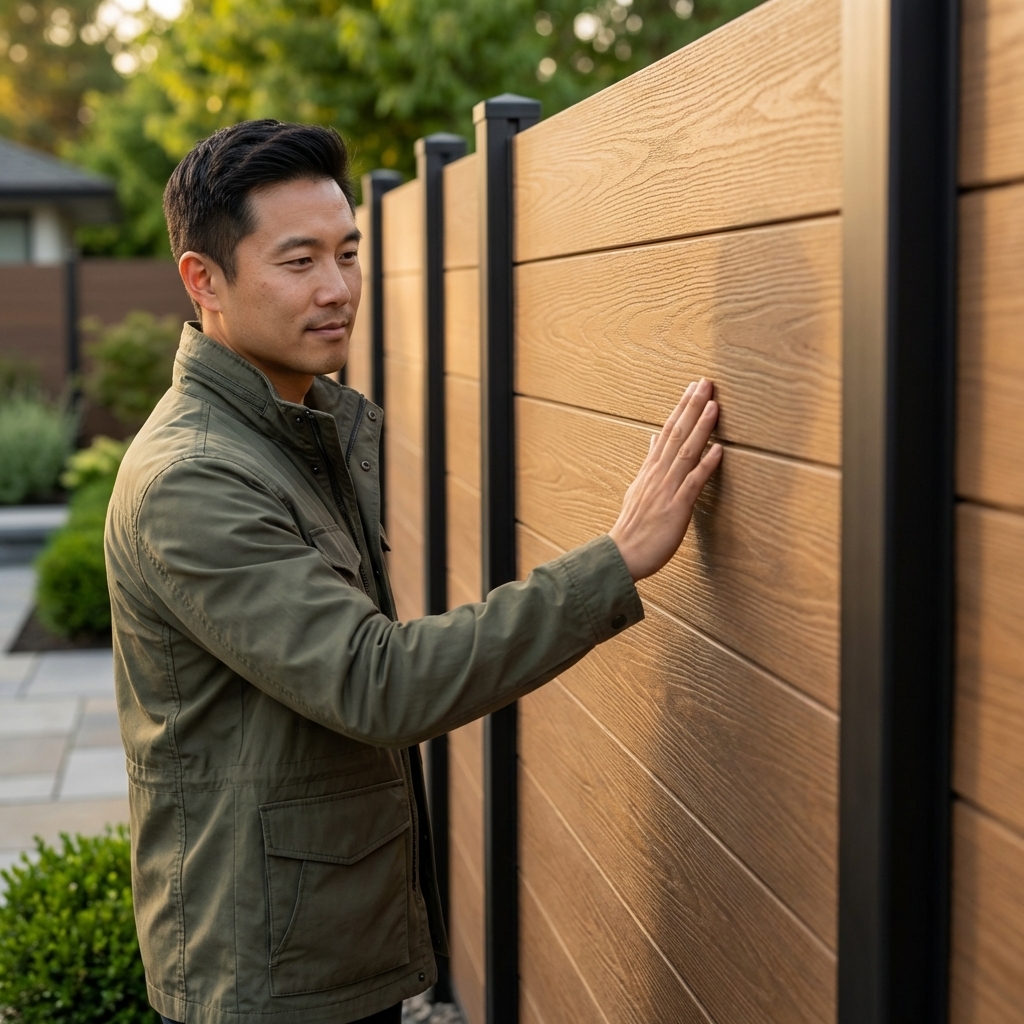
One of the biggest advantages of this teak WPC fence installation is its minimal maintenance requirement. Traditional wooden fences require ongoing care, including staining, sealing, and repairs caused by weather exposure.
With composite fencing systems, these maintenance demands are eliminated. The material is resistant to rot, insects, and moisture, and it does not require painting or sealing. Cleaning is simple and infrequent, making it ideal for homeowners who want a durable solution without ongoing effort.
Over time, this translates into lower lifecycle costs and a consistently clean appearance, which is especially valuable for properties in high-exposure environments like California.
Although this project focuses on fencing, the same system can be extended into a complete WPC fence and gate solution. Matching composite gates can be integrated seamlessly, ensuring consistent color, material performance, and structural design.
This makes composite fencing systems highly versatile for both residential and commercial applications, offering a complete boundary solution that combines security, durability, and design continuity.
WPC fencing is also an environmentally responsible choice. By combining recycled wood fibers and plastic materials, composite fencing reduces the need for natural timber while delivering superior durability.
This makes wood-plastic composite fencing a sustainable alternative that aligns with modern construction standards and environmental awareness, without compromising on aesthetics or performance.
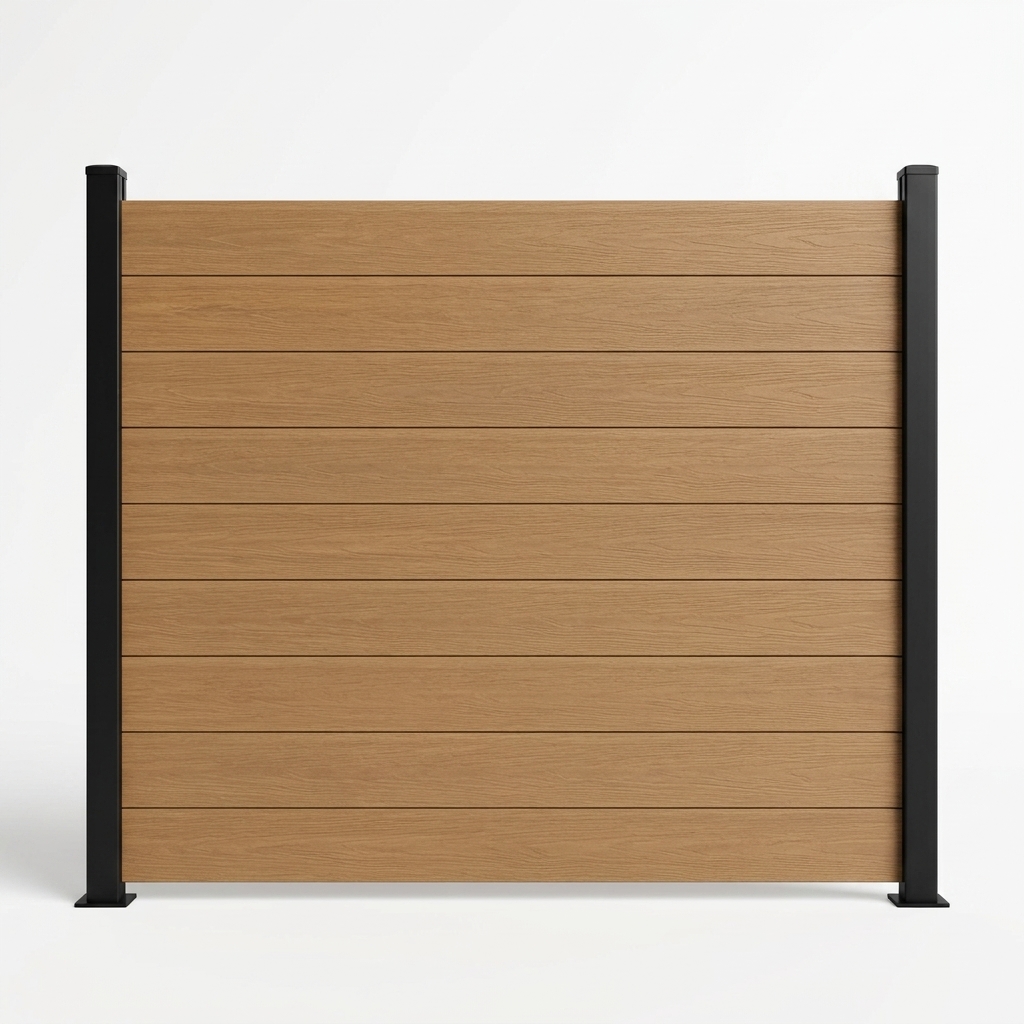
This teak color WPC fence installation in Los Angeles demonstrates how composite fencing solutions can achieve both warmth and durability. It offers the natural appeal of wood with the engineered strength of modern materials, creating a fence that performs as well as it looks.
As more homeowners and developers move toward low-maintenance, high-performance fencing systems, teak WPC fencing continues to stand out as a versatile and future-proof choice.
Explore premium composite fencing solutions:
https://www.treslam.com/premium-composite-fence
📩 [email protected]
📲 WhatsApp: +852-84320555

 EN
EN