
 EN
EN

Prečo stavitelia uprednostňujú dvere z hliníkovej zliatiny pre modernú výstavbu
Prečo stavitelia uprednostňujú dvere z hliníkovej zliatiny pre modernú výstavbu
Rastúce využívanie dverí z hliníkovej zliatiny v stavebných projektoch
Moderné stavebné projekty vyžadujú materiály, ktoré dokážu vyvážiť trvanlivosť, vzhľad, funkčnosť a dlhodobú nákladovú efektívnosť. Pre stavitelov, dodávateľov, veľkoobchodníkov a distribútorov má výber správneho dverového systému priamy vplyv na výkon budov, požiadavky na údržbu a celkovú kvalitu projektu. Dvere z hliníkovej zliatiny sa stali široko používaným riešením, pretože poskytujú vynikajúcu pevnosť, odolnosť voči korózii, flexibilitu v návrhu a spoľahlivý výkon v rôznych prostrediach.
Na rozdiel od tradičných materiálov, ktoré môžu mať problémy, ako je poškodenie vlhkosťou, deformácia alebo častá údržba, hliníkovozliatinové dvere ponúkajú počas celej ich životnosti stabilný výkon. Sú vhodné pre bytové budovy, komerčné projekty, kancelárie, priemyselné zariadenia a verejné projekty, kde je dôležitá kvalita a efektívnosť.
Mnoho moderných projektov tiež kombinuje hliníkovozliatinové dvere s inými pokročilými stavebnými materiálmi, ako napríklad wpc stenová panely systémami. Táto kombinácia pomáha vytvárať funkčné priestory s vyššou trvanlivosťou, atraktívnym dizajnom a jednoduchšou údržbou. Pre stavebníkov, ktorí riadia rozsiahle stavebné projekty, sú pri výbere výrobkov kľúčovými faktormi kompatibilita materiálov a dlhodobá spoľahlivosť.
Popularita dverí z hliníkovej zliatiny nie je spojená len s ich vzhľadom, ale aj s ich praktickými výhodami. Ich ľahká konštrukcia, vysoký mechanický výkon a schopnosť prispôsobiť sa rôznym architektonickým požiadavkám robia z nich efektívnu voľbu pre mnoho stavebných aplikácií.
Vysoký mechanický výkon dverí z hliníkovej zliatiny
Dvere z hliníkovej zliatiny sa široko používajú, pretože hliníkové zliatiny poskytujú ideálnu rovnováhu medzi pevnosťou a hmotnosťou. To ich robí vhodnými pre projekty, ktoré vyžadujú spoľahlivý výkon bez zbytočného záťaženia konštrukcie.
Vysoká pevnosť zabezpečuje dlhodobé používanie
Dvere z hliníkovej zliatiny sa vyrábajú zo špeciálne spracovaných hliníkových materiálov, ktoré zaisťujú vynikajúcu štrukturálnu stabilitu. Zloženie zliatiny zvyšuje tvrdosť a odolnosť voči každodenným nárazom, čo umožňuje dverám udržať svoj tvar aj po častom používaní.
Pre komerčné budovy sa vstupné a vnútorné dvere môžu otvárať a zatvárať tisíckrát. Stabilná konštrukcia dverí pomáha predchádzať bežným problémom, ako je nesprávne zarovnanie, deformácia a znížený prevádzkový výkon.
Stavitelia často uprednostňujú dvere z hliníkovej zliatiny, pretože dokážu spĺňať rôzne požiadavky projektov pri zachovaní konštantnej kvality. Bez ohľadu na to, či sa používajú v kanceláriách, obchodných priestoroch, továrňach alebo rezidenčných komplexxoch, tieto dvere poskytujú spoľahlivý výkon.
Pri kombinácii s materiálmi, ako napríklad wpc stenová panely , dvere z hliníkovej zliatiny prispievajú k komplexným stavebným riešeniam, ktoré sa zameriavajú na trvanlivosť a praktický dizajn.
Ľahká konštrukcia zvyšuje účinnosť inštalácie
V porovnaní s mnohými tradičnými materiálmi na výrobu dverí ponúka hliníková zliatina výhodu nižšej hmotnosti. To uspokojivo zjednodušuje prepravu, manipuláciu a inštaláciu pre stavebné tímy.
Ľahší systém dverí znižuje náročnosť práce a môže zvýšiť účinnosť inštalácie pri veľkých projektoch. Pre dodávateľov, ktorí riadia termínovo náročné projekty, jednoduchšia inštalácia pomáha znížiť celkový stavebný tlak.
Ľahké vlastnosti tiež znižujú zaťaženie dverových rámov a okolitých konštrukcií. To môže prispieť k predĺženiu životnosti pri zachovaní stabilného prevádzkovania.
Pre veľkoobchodníkov a distribútorov sú hliníkové dvere tiež jednoduchšie na skladovanie a prepravu, čo pomáha zvýšiť účinnosť dodávateľského reťazca pre stavebné projekty.
Vynikajúca odolnosť voči korózii v rôznych prostrediach
Jednou z hlavných príčin, prečo si stavitelia vyberajú hliníkové dvere, je ich vysoká odolnosť voči korózii. Budovy sa často vystavujú vlhkosti, dažďu, zmenám teploty a environmentálnym znečisteniam, ktoré môžu ovplyvniť výkon materiálu.
Prirodzená oxidová ochrana zvyšuje trvanlivosť
Hliník sa pri styku so vzduchom prirodzene pokrýva ochrannou oxidovou vrstvou. Táto tenká povrchová vrstva zabraňuje ďalšej oxidácii a chráni vnútorný materiál pred poškodením prostredím.
Na rozdiel od niektorých kovov, ktoré po poškodení povrchu vytvárajú šíriacu sa rez, hliníkové zliatiny vykazujú lepšiu odolnosť voči korózii, pretože ochranná vrstva sa môže prirodzene regenerovať.
Táto vlastnosť robí dvere z hliníkovej zliatiny vhodnými pre oblasti s vysokou vlhkosťou, pobrežné prostredia a miesta, kde je dlhodobé vystavenie vlhkosti nevyhnutné.
Pre projekty využívajúce wpc stenová panely materiály môže kombinácia koróziou odolných dverí s trvanlivými riešeniami pre steny pomôcť vytvoriť priestory, ktoré vyžadujú v priebehu času menej údržby.
Povrchové úpravy poskytujú dodatočnú ochranu
Výrobcovia často aplikujú pokročilé povrchové úpravy, aby ďalšie zvýšili výkon dverí z hliníkovej zliatiny. Procesy ako práškové náterovanie a anodizácia zvyšujú povrchovú odolnosť a poskytujú dodatočnú ochranu.
Tieto úpravy zvyšujú odolnosť voči poškrabaniu, poveternostným vplyvom a chemickému pôsobeniu. Zároveň umožňujú hliníkovým zliatinovým dverám udržiavať čistý a esteticky príjemný vzhľad po mnoho rokov.
Pre stavebníkov to znamená menej opráv a nižšie náklady na údržbu po dokončení projektu. Pre majiteľov nehnuteľností to pomáha udržať vizuálnu kvalitu a funkčnú hodnotu budovy.
Flexibilné možnosti dizajnu pre modernú architektúru
Moderná výstavba kládne stále väčší dôraz na výkon aj vzhľad. Hliníkové zliatinové dvere ponúkajú vynikajúcu flexibilitu v oblasti dizajnu, čo umožňuje architektom a stavebníkom vytvárať rôzne štýly.
Rôzne možnosti povrchového spracovania vyhovujú požiadavkám dizajnu
Hliníkové zliatinové dvere je možné prispôsobiť rôznymi farbami, textúrami a povrchovými úpravami. Tým sa dajú prispôsobiť rôznym architektonickým štýlom – od jednoduchých komerčných návrhov až po viac individualizované koncepty budov.
Možnosť výberu rôznych povrchových úprav robí hliníkové dvere vhodnými pre rôzne aplikácie, vrátane vchodov, deliacich stien, balkónov a vnútorných priestorov.
Stavitelia môžu koordinovať dizajn dverí s inými materiálmi, ako napríklad wpc stenová panely výrobkami, aby dosiahli jednotný vizuálny štýl počas celého projektu.
Vhodné pre rôzne typy budov
Univerzálnosť hliníkových dverí ich robí užitočnými v mnohých odvetviach. Môžu byť inštalované v kanceláriách, hoteloch, nemocniciach, školách, továrňach a rezidenčných projektoch.
Podľa požiadaviek projektu je možné vyrábať rôzne konfigurácie dverí, vrátane posuvných dverí, záhybových dverí a štandardných otváracích systémov.
Táto flexibilita umožňuje stavebným spoločnostiam vybrať si vhodné riešenia bez kompromisov v oblasti výkonu budovy alebo nárokov na dizajn.
Energetická účinnosť a pohodlie v budovách
Energetická účinnosť sa stala dôležitou záležitosťou v moderných stavebných projektoch. Dvere z hliníkovej zliatiny môžu pri kombinácii s vhodným sklom a tesniacimi systémami zabezpečiť lepší komfort v interiéri.
Zlepšený tesniaci výkon
Moderné systémy dverí z hliníkovej zliatiny často obsahujú pokročilé návrhy tesnení, ktoré pomáhajú znížiť únik vzduchu. Správne tesnenie zlepšuje reguláciu teploty v interiéri a znižuje zbytočnú spotrebu energie.
Dobrým návrhom dverového systému je možné udržať pohodlné prostredie v interiéri a zároveň zvýšiť celkovú účinnosť budovy.
V prípade komerčných budov môže lepší tesniaci výkon v dlhodobom horizonte prispieť k nižším prevádzkovým nákladom.
Kompatibilita s modernými stavebnými materiálmi
Dvere z hliníkovej zliatiny dobre spolupracujú s mnohými súčasnými stavebnými materiálmi. Ich štruktúra a vzhľad dokážu doplniť stenové systémy, podlahové materiály a dekoratívne riešenia.
Napríklad projekty využívajúce wpc stenová panely systémy môžu tieto dvere kombinovať s hliníkovými zliatinovými dverami, čím vytvárajú praktické a vizuálne koordinované interiéry.
Táto kompatibilita robí hliníkové zliatinové dvere uprednostňovanou voľbou pre stavebníkov, ktorí hľadajú komplexné materiálové riešenia.
Nízke požiadavky na údržbu znižujú náklady na projekt
Stavebné spoločnosti a developeri nehnostní veľmi pozorne sledujú celkové životné náklady. Materiály, ktoré vyžadujú časté opravy, môžu zvýšiť dlhodobé náklady.
Jednoduché čistenie a údržba
Hliníkové zliatinové dvere zvyčajne vyžadujú minimálnu údržbu v porovnaní s materiálmi, ktoré sú viac náchylné na vlhkosť alebo koróziu.
Pravidelné čistenie je zvyčajne postačujúce na udržanie ich vzhľadu a funkčnosti. To znižuje potrebu repasovania, výmeny alebo zložitých údržbových postupov.
Pri veľkých komerčných nehnostiach môžu znížené požiadavky na údržbu priniesť významné nákladové výhody.
Dlhá životnosť zvyšuje investičnú hodnotu
Trvanlivý systém dverí prispieva k celkovej životnosti budovy. Dvere z hliníkovej zliatiny sú navrhnuté tak, aby po mnoho rokov zachovali štrukturálnu integritu aj vzhľad.
Táto dlhá životnosť ich robí atraktívnymi pre stavitelov, developerov a investora, ktorí sa zameriavajú na dlhodobú hodnotu projektu.
Podobne ako pri výbere trvanlivých riešení, ako napríklad wpc stenová panely , výber spoľahlivých materiálov pre dvere pomáha zvýšiť kvalitu budov a znížiť budúce náklady.
Výhody pre B2B kupujúcich a stavebných partnerov
Pre veľkoobchodníkov, distribútorov a inžinierskych dodávateľov sú zásadné zohľadnenie spoľahlivosti výrobkov a schopností dodávateľa.
Konštantná kvalita podporuje veľké projekty
Veľké stavebné projekty vyžadujú materiály so stabilnými špecifikáciami a spoľahlivým dodávkovým režimom. Dvere z hliníkovej zliatiny od skúsených výrobcov zabezpečujú konštantnú kvalitu v rámci rôznych výrobných šarží.
Spoľahlivé výrobné procesy zaručujú, že rozmery dverí, povrchové úpravy a výkonové charakteristiky zostávajú konštantné.
To pomáha dodávateľom vyhnúť sa problémom pri inštalácii a udržať harmonogram projektov.
Prispôsobené riešenia vyhovujú špecifickým požiadavkám
Rôzne stavebné projekty majú rôzne potreby. Profesionálni dodávatelia hliníkových dverí dokážu poskytnúť prispôsobené riešenia na základe požiadaviek týkajúcich sa návrhu, podmienok používania a inštalačného prostredia.
Prispôsobenie môže zahŕňať rozmery, povrchové úpravy, spôsoby otvárania a konštrukčné usporiadania.
Spolupráca s skúsenými dodávateľmi pomáha stavitelom dosiahnuť lepšie výsledky projektov pri zachovaní efektívnosti a kvalitných noriem. 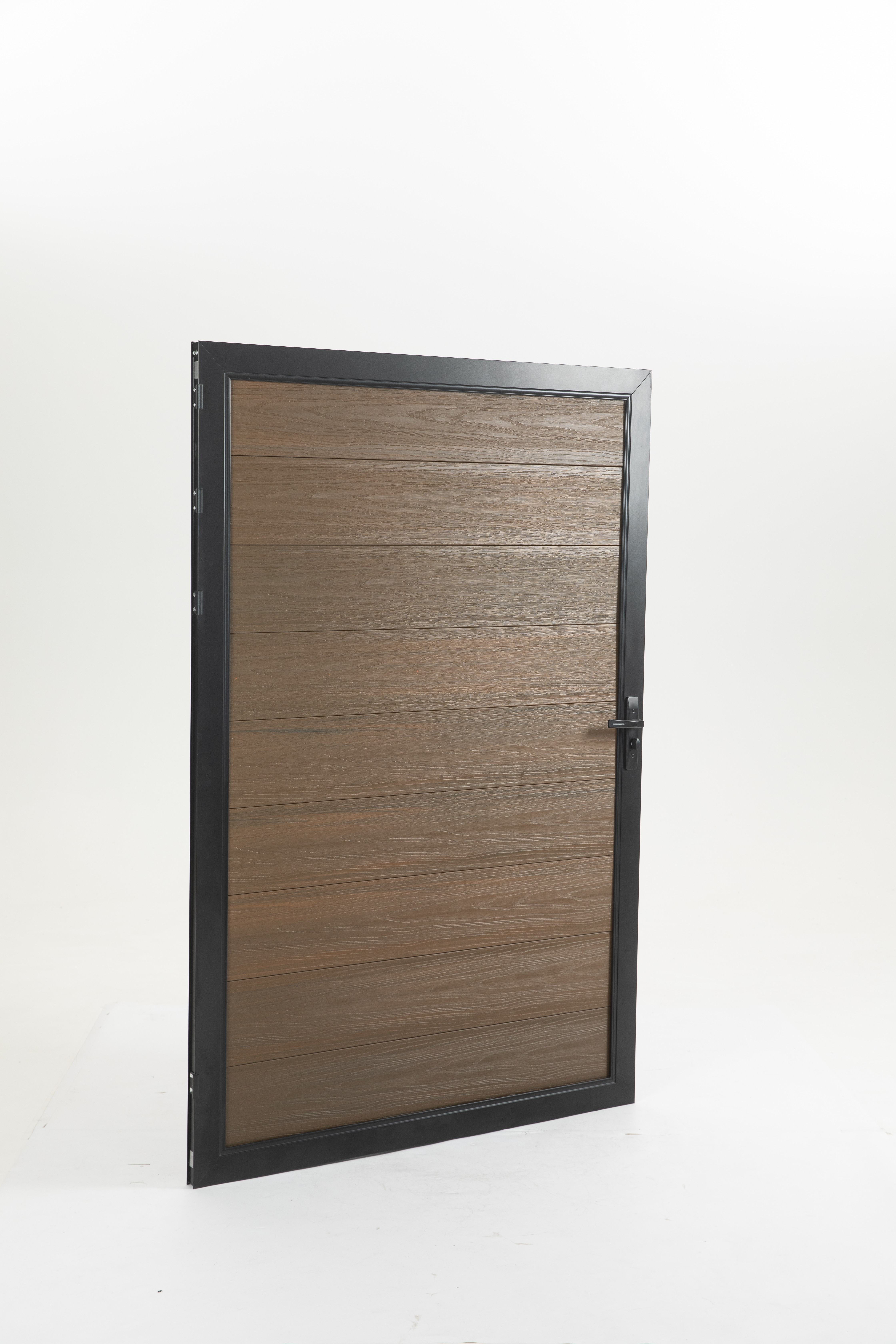
Často kladené otázky
Prečo si stavitelia vyberajú hliníkové dvere namiesto tradičných dverí?
Stavitelia uprednostňujú hliníkové dvere pre ich vysokú pevnosť, odolnosť voči korózii, ľahkú konštrukciu a flexibilné možnosti dizajnu. Dokážu udržať stabilný výkon v mnohých prostrediach a vyžadujú menej údržby v porovnaní s niektorými tradičnými materiálmi.
Sú hliníkové dvere vhodné pre komerčné stavebné projekty?
Áno. Dvere z hliníkovej zliatiny sa široko používajú v komerčných budovách, kanceláriách, továrňach, hoteloch a verejných zariadeniach. Ich pevnosť, vzhľad a dlhá životnosť ich robia vhodnými pre rôzne stavebné aplikácie.
Môžu sa dvere z hliníkovej zliatiny používať spoločne so systémami stien z WPC?
Áno. Dvere z hliníkovej zliatiny a wpc stenová panely systémy sa môžu v mnohých moderných stavebných projektoch používať spoločne. Oba materiály ponúkajú trvanlivosť, jednoduchú údržbu a flexibilitu v návrhu, čo pomáha vytvárať funkčné a vizuálne atraktívne priestory.
Aké faktory by mali kupujúci zohľadniť pri nákupе dverí z hliníkovej zliatiny?
Kupujúci by mali zohľadniť kvalitu materiálu, zloženie zliatiny, povrchovú úpravu, skúsenosti dodávateľa, možnosti prispôsobenia a skúšky výkonnosti výrobkov. Výber spoľahlivého dodávateľa zaisťuje konzistentnú kvalitu pre dlhodobé projekty.