
 EN
EN

How WPC Wall Panels Enhance Insulation and Weather Resistance
Wood-plastic composite wall panels have emerged as a transformative solution in modern construction, addressing two critical performance challenges that architects and builders face: achieving superior thermal insulation and ensuring long-term durability against harsh weather conditions. The unique composition of WPC materials creates a synergistic barrier that outperforms traditional cladding options, making these panels an increasingly strategic choice for residential, commercial, and industrial projects where environmental performance cannot be compromised. Understanding how these engineered panels function at both the material and system level reveals why specifying products from a reputable wpc wall panel factory has become essential for projects demanding measurable energy efficiency and weather protection.
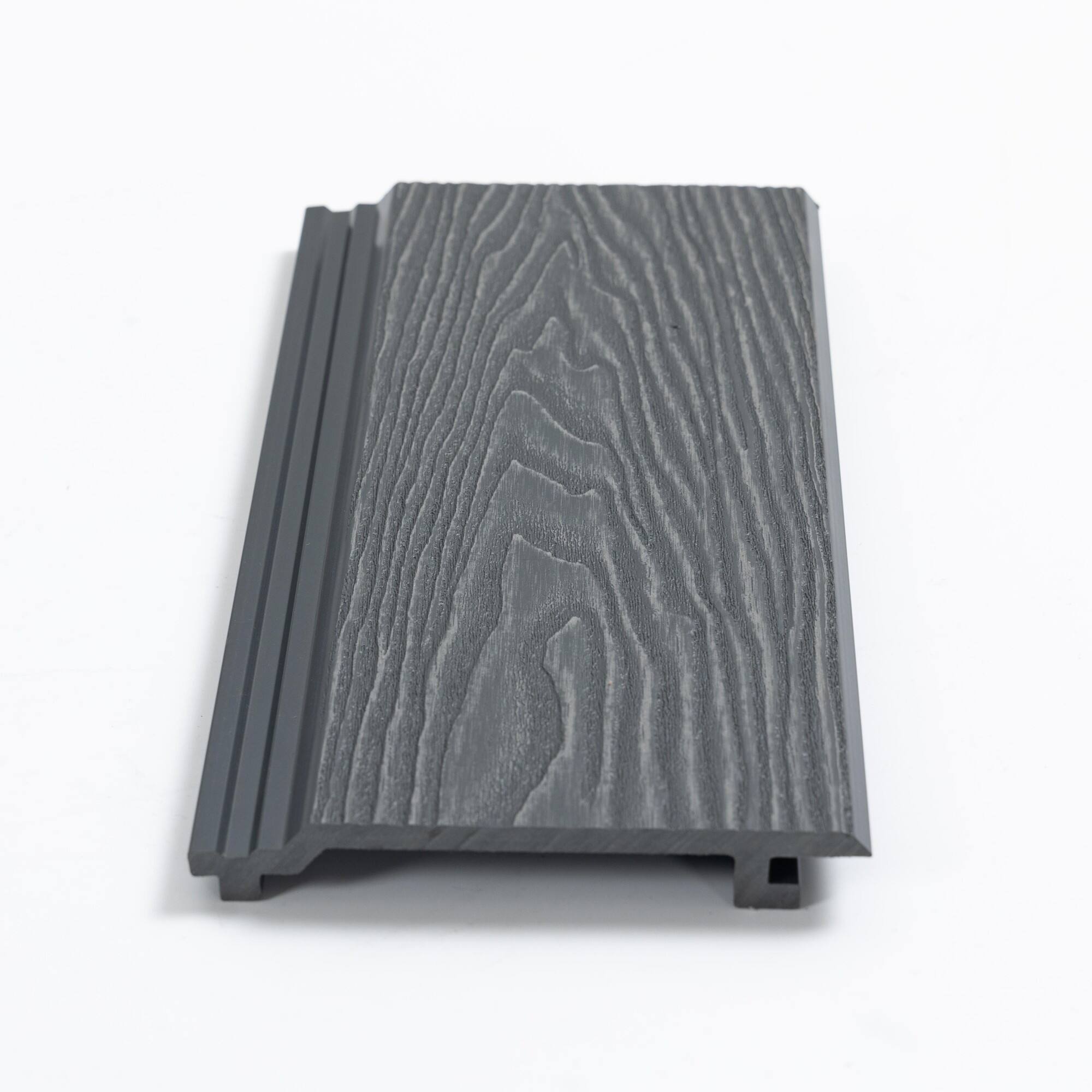
The mechanisms through which WPC wall panels enhance insulation and weather resistance stem from their cellular structure, material composition, and installation methodology. Unlike solid wood or purely synthetic materials, the wood fiber and polymer matrix creates microscopic air pockets throughout the panel cross-section, reducing thermal conductivity while maintaining structural integrity. This cellular architecture works in conjunction with surface treatments and joint design to create a comprehensive envelope system that actively resists heat transfer, moisture penetration, wind-driven rain, UV degradation, and temperature cycling. The engineering decisions made during manufacturing at a quality wpc wall panel factory directly determine how effectively these panels perform across varying climate zones and application contexts.
Material Composition and Thermal Performance Fundamentals
Cellular Structure and Thermal Conductivity Reduction
The insulation capabilities of WPC wall panels originate in their fundamental material structure, where wood fibers and thermoplastic polymers are compounded under controlled conditions to create a composite with inherent thermal resistance. During the extrusion or compression molding process employed by a wpc wall panel factory, microscopic air voids form throughout the panel matrix as wood particles become encapsulated by the polymer binder. These air pockets function as thermal breaks, significantly reducing the material's overall thermal conductivity compared to solid wood, metal, or dense plastics. The typical thermal conductivity coefficient of quality WPC panels ranges between 0.18 and 0.25 W/mK, positioning them as effective insulators that reduce heat transfer through the building envelope.
The proportion of wood fiber to polymer directly influences thermal performance, with higher wood content generally improving insulation properties due to wood's naturally low conductivity. Manufacturing protocols at an advanced wpc wall panel factory carefully balance material ratios to optimize both thermal performance and structural requirements. The polymer component, whether polyethylene, polypropylene, or PVC, contributes moisture resistance while the wood fiber provides dimensional stability and reduces material density. This synergy creates panels that resist thermal bridging more effectively than metal-backed systems and offer superior R-values per unit thickness compared to fiber cement or vinyl siding.
Density Profiles and Insulation Layer Integration
Modern WPC panel designs often incorporate density variations across the panel cross-section, with denser exterior surfaces providing weather protection and impact resistance while lower-density core regions maximize thermal resistance. This layered approach, achievable through coextrusion techniques at sophisticated wpc wall panel factory facilities, allows engineers to optimize multiple performance attributes simultaneously. The outer weather-facing surface can be formulated for UV stability and hydrophobic properties, while the interior substrate focuses on minimizing thermal conductivity and supporting fastener retention. Some advanced panels incorporate foam cores or hollow chamber designs that further enhance insulation values without compromising structural adequacy.
The integration of WPC panels with additional insulation layers creates high-performance wall assemblies suited for passive house standards or extreme climate applications. When a continuous insulation layer is positioned behind WPC cladding, the panels function as both weather barrier and thermal mass, moderating temperature fluctuations and reducing heating and cooling loads. The dimensional stability of panels produced by a quality wpc wall panel factory ensures that thermal bridges at fastener points and panel joints remain minimal, preserving the continuity of the insulation layer. This system approach recognizes that panel performance cannot be evaluated in isolation but must consider the entire wall assembly's thermal behavior across seasonal temperature swings.
Moisture Management and Thermal Efficiency Interaction
Thermal insulation performance degrades significantly when building materials absorb moisture, as water has approximately 25 times the thermal conductivity of air. WPC wall panels address this challenge through their inherent moisture resistance, with the polymer encapsulation preventing water absorption into wood fibers that would otherwise compromise thermal performance. Testing conducted on panels from reputable wpc wall panel factory operations consistently demonstrates water absorption rates below two percent after extended immersion, ensuring that insulation properties remain stable across humid climates and rain exposure scenarios. This moisture stability translates directly into predictable long-term thermal performance without the degradation common in cellulose-based insulation materials.
The hydrophobic surface characteristics of WPC panels also facilitate rapid moisture shedding, preventing liquid water from residing on panel surfaces where it could conduct heat or create conditions for biological growth. Surface tension properties engineered during manufacturing cause water droplets to bead and run off rather than spreading across the panel face. This self-cleaning tendency maintains the thermal reflectance of lighter-colored panels and prevents the accumulation of organic matter that could retain moisture against the building envelope. When WPC panels are installed with appropriate drainage planes and ventilation gaps, the complete system achieves both thermal insulation and moisture management objectives that are essential for durable, energy-efficient building envelopes.
Weather Resistance Mechanisms and Durability Engineering
Polymer Encapsulation and UV Stability
The weather resistance of WPC wall panels fundamentally depends on complete polymer encapsulation of wood particles, creating a protective matrix that shields organic components from moisture, ultraviolet radiation, and biological attack. During manufacturing at a wpc wall panel factory, thorough compounding ensures that wood fibers are fully surrounded by polymer, eliminating pathways for water penetration that would lead to swelling, rot, or degradation. The quality of this encapsulation directly correlates with long-term weather performance, making manufacturing process control a critical factor when selecting panel suppliers. Incomplete encapsulation leaves wood fibers exposed at the surface or within the panel structure, creating vulnerability points where moisture can initiate deterioration processes.
Ultraviolet radiation represents one of the most aggressive weathering factors, breaking down polymer chains through photodegradation and causing color fading, surface chalking, and eventual material embrittlement. Advanced wpc wall panel factory operations address UV exposure through multiple strategies including UV stabilizer additives, pigment selection for UV absorption, and surface cap layers formulated specifically for solar radiation resistance. Panels intended for exterior applications typically incorporate benzotriazole or hindered amine light stabilizers that interrupt the photodegradation chain reaction, extending service life in direct sun exposure from years to decades. Co-extruded cap layers containing higher concentrations of these stabilizers and fade-resistant pigments provide enhanced protection for the structural substrate while allowing design flexibility in color and texture.
Dimensional Stability Across Temperature Extremes
Building envelope materials face continuous thermal cycling as daily and seasonal temperature fluctuations create expansion and contraction stresses that can lead to warping, buckling, or joint failure. WPC wall panels demonstrate superior dimensional stability compared to solid wood due to the restraining effect of the polymer matrix on wood fiber movement. The coefficient of thermal expansion for quality WPC materials ranges between 3 and 5 × 10⁻⁵ per degree Celsius, significantly lower than PVC or metal cladding and more predictable than natural wood with its directional expansion properties. This stability allows panels from a competent wpc wall panel factory to maintain consistent reveal lines and joint tolerances across temperature swings from minus 40 to plus 60 degrees Celsius.
The dimensional stability advantage becomes particularly significant in applications involving long panel runs or large format installations where cumulative expansion could create serviceability issues. Proper installation procedures account for the moderate thermal movement that does occur, incorporating expansion gaps and fastening methods that accommodate dimensional change without inducing stress concentrations. Panels manufactured with balanced fiber orientation and uniform density profiles exhibit minimal warping tendencies even when exposed to differential solar heating across panel faces. This geometric stability ensures that weather-sealing joints remain effective throughout the structure's service life, preventing the air leakage and moisture intrusion that compromise both thermal performance and durability.
Impact Resistance and Surface Durability
Weather resistance extends beyond moisture and UV protection to encompass mechanical durability against impact from hail, windborne debris, maintenance activities, and accidental contact. The composite nature of WPC panels provides impact absorption characteristics superior to brittle materials like fiber cement while avoiding the denting problems associated with vinyl or thin metal cladding. The polymer component acts as a binder that holds the structure together after impact, preventing catastrophic failure modes, while the wood fiber network distributes impact energy across a larger area. Testing protocols at quality wpc wall panel factory facilities verify impact resistance through standardized procedures simulating hailstones, falling tools, and other real-world impact scenarios.
Surface hardness and abrasion resistance determine how well panels maintain their aesthetic appearance and protective function over decades of exposure to wind-driven sand, rain, and cleaning activities. The surface density and polymer formulation significantly influence scratch resistance and color retention. Panels with co-extruded cap layers typically demonstrate superior surface durability compared to monolithic profiles, as the cap layer can be optimized specifically for wear resistance without compromising the structural or thermal properties of the core material. This engineered surface resilience ensures that the weather barrier remains intact and visually appealing throughout the building's design life, maintaining both functional performance and property value.
Installation Systems and Performance Optimization
Ventilated Rainscreen Principles
The performance of WPC wall panels reaches its maximum potential when installed as part of a ventilated rainscreen system that manages both thermal and moisture dynamics. This installation approach creates a continuous air gap between the WPC cladding and the weather-resistant barrier applied to the structural sheathing. The air gap serves multiple critical functions: it provides a drainage plane for any moisture that penetrates behind the cladding, allows water vapor to escape from the wall assembly, breaks thermal bridging between interior and exterior, and creates a thermal buffer that reduces solar heat gain. Manufacturers at advanced wpc wall panel factory operations provide installation guidelines that specify appropriate air gap dimensions, typically ranging from 10 to 25 millimeters depending on panel height and local climate conditions.
The ventilation cavity functions through the stack effect, where air enters at the bottom of the wall assembly and rises as it warms, carrying moisture vapor away from the building envelope. This continuous airflow prevents moisture accumulation that could reduce insulation effectiveness or create conditions favorable for mold growth. For rainscreen systems to function properly, they require open joints at both the bottom and top of the wall assembly, along with insect screening to prevent pest infiltration. The fastening systems recommended by a quality wpc wall panel factory include specialized brackets or furring strips that maintain consistent air gap dimensions while providing secure attachment points that resist wind loads. These mounting systems also thermally isolate the panels from the structural substrate, minimizing conductive heat transfer paths that would compromise insulation performance.
Joint Design and Air Sealing Strategy
The joints between WPC wall panels represent potential pathways for air infiltration and moisture penetration that can significantly compromise thermal performance and weather resistance. Panel edge geometry and joint design vary among products from different wpc wall panel factory sources, with options including tongue-and-groove profiles, shiplap overlaps, open joint systems, and sealed butt joints. Each approach offers distinct advantages depending on aesthetic preferences, drainage requirements, and performance priorities. Tongue-and-groove systems provide inherent weather resistance through overlapping geometry while allowing individual panel replacement if damage occurs. Open joint systems acknowledge that perfect sealing is impractical and instead focus on drainage and ventilation, accepting controlled air exchange as part of the overall building strategy.
The actual air barrier in high-performance wall assemblies resides at the sheathing layer behind the WPC cladding rather than at the panel joints themselves. This principle recognizes that exterior cladding functions primarily as a rain deflection surface while the weather-resistant barrier membrane provides the continuous air and moisture control layer. WPC panels protect this critical membrane from UV degradation, mechanical damage, and direct water exposure, extending its service life indefinitely. The dimensional stability of panels manufactured by a reputable wpc wall panel factory ensures that joint dimensions remain consistent over time, preventing gap widening that could allow excessive water entry or create visual defects. Properly designed and installed joints shed the majority of wind-driven rain while allowing any moisture that does penetrate to drain and dry without accumulating within the wall assembly.
Fastener Selection and Thermal Bridge Mitigation
Every fastener that penetrates through insulation and cladding creates a potential thermal bridge that locally increases heat flow and can create interior condensation points. The fastening strategy for WPC wall panels must balance structural requirements for wind resistance against thermal performance objectives. Face fastening systems create more numerous penetrations but allow simpler installation and easier individual panel replacement. Concealed fastening systems minimize visible hardware and reduce thermal bridging but typically require more precise installation procedures and specialized clips. The installation guidelines from a quality wpc wall panel factory specify fastener types, spacing, and placement patterns that achieve required structural performance while limiting thermal compromise.
Thermal break fastening systems represent an advanced approach where panels attach through brackets or clips that incorporate low-conductivity spacers between the fastener and the structural substrate. These systems maintain the mechanical connection while interrupting the conductive heat flow path, preserving the continuity of exterior insulation layers. The dimensional tolerance capabilities of panels from a precision wpc wall panel factory enable these sophisticated fastening systems to function reliably, as consistent panel dimensions ensure proper engagement with clips and uniform load distribution. When thermal modeling evaluates overall wall assembly performance, the fastening system represents a significant factor, particularly in highly insulated envelopes where minimizing thermal bridges becomes critical to achieving design targets for heating and cooling loads.
Performance Validation and Real-World Application Context
Testing Protocols and Performance Certification
Verifying the insulation and weather resistance performance of WPC wall panels requires comprehensive testing that evaluates material properties, system performance, and long-term durability. Standard test methods include thermal conductivity measurement per ASTM C518, water absorption testing per ASTM D570, freeze-thaw cycle resistance per ASTM D7031, and accelerated weathering per ASTM G154. Panels from responsible wpc wall panel factory operations undergo these evaluations before market introduction, with results documented in technical data sheets available to specifiers. Beyond individual material properties, complete wall assemblies incorporating WPC panels should be tested for air leakage, water penetration resistance, and structural adequacy under simulated wind loads, following protocols like ASTM E283, E331, and E330 respectively.
Third-party certification programs provide independent verification that products meet claimed performance levels and comply with building code requirements. Certification bodies evaluate not only test data but also manufacturing quality control procedures at the wpc wall panel factory, ensuring consistent production standards. For projects pursuing green building certifications like LEED or passive house standards, documentation from accredited testing laboratories becomes essential to demonstrate compliance with thermal performance and environmental criteria. The investment in comprehensive testing and certification distinguishes manufacturers committed to genuine performance from those making unsupported marketing claims, giving specifiers confidence in predicted building envelope behavior.
Climate Zone Considerations and Application Suitability
The insulation and weather resistance advantages of WPC wall panels provide value across diverse climate zones, though specific product selection and installation details should reflect local environmental conditions. In cold climates with heating-dominated energy profiles, the thermal resistance of WPC panels reduces heat loss and helps maintain warmer interior surface temperatures that improve occupant comfort and reduce condensation risk. The moisture resistance prevents water absorption that would degrade insulation performance and cause freeze-thaw damage common in saturated materials. Sourcing panels from a wpc wall panel factory with experience in cold-climate applications ensures appropriate material formulations that remain flexible at low temperatures rather than becoming brittle and prone to cracking.
Hot-humid climates present different challenges including intense solar radiation, high moisture loads, and biological growth potential. WPC panels in these environments benefit from UV-stabilized formulations and light colors that reflect rather than absorb solar energy, reducing cooling loads and surface temperatures that accelerate degradation. The inherent mold and mildew resistance of properly formulated WPC materials prevents the biological staining and structural deterioration that plague organic cladding materials in tropical environments. Coastal applications add the complexity of salt spray exposure and hurricane-force wind loads, requiring panels with enhanced corrosion-resistant fasteners and structural design verified through impact testing. A wpc wall panel factory serving diverse markets develops product variations optimized for specific climate challenges rather than offering a single universal solution.
Lifecycle Performance and Maintenance Requirements
The long-term value proposition of WPC wall panels derives from sustained performance over decades with minimal maintenance intervention. Unlike wood siding requiring periodic painting or fiber cement needing caulking renewal, WPC panels maintain their weather barrier function and insulation contribution with only occasional cleaning to remove accumulated dirt and organic debris. The polymer encapsulation prevents the moisture absorption cycles that cause dimensional instability in wood cladding, eliminating the paint failure and rot that necessitate premature replacement. This durability translates into lower lifecycle costs despite potentially higher initial material investment compared to commodity siding products.
Realistic maintenance expectations include periodic inspection of fasteners and joints to verify continued integrity, cleaning with appropriate methods that avoid surface damage, and prompt repair of any impact damage before moisture can penetrate the panel structure. The ease of maintenance correlates directly with manufacturing quality, as panels from a diligent wpc wall panel factory incorporate surface treatments and formulations that resist staining and facilitate cleaning. Buildings clad with quality WPC panels routinely demonstrate service lives exceeding 30 years with minimal intervention, maintaining both thermal performance and aesthetic appeal throughout this period. This longevity supports sustainability objectives by reducing material replacement cycles and the associated environmental impacts of manufacturing and disposal.
FAQ
What R-value do WPC wall panels provide for building insulation?
WPC wall panels themselves typically provide R-values ranging from approximately R-0.8 to R-1.2 per inch of thickness, depending on the specific material formulation and density profile. While this represents meaningful thermal resistance, WPC panels function most effectively as part of a complete wall assembly that includes dedicated insulation layers behind the cladding. The panels contribute to overall thermal performance by providing a weather-resistant exterior layer that protects insulation from moisture and UV degradation, breaking thermal bridging when installed on furring strips, and adding their inherent R-value to the total assembly. For high-performance building envelopes, WPC panels from a quality wpc wall panel factory should be specified as the exterior component of a continuous insulation strategy rather than the sole insulation element.
How do WPC wall panels compare to fiber cement or vinyl siding for weather resistance?
WPC wall panels offer distinct weather resistance advantages compared to alternative cladding materials. Unlike fiber cement which is porous and can absorb moisture leading to freeze-thaw damage and efflorescence, WPC panels resist water absorption and maintain dimensional stability across moisture cycles. Compared to vinyl siding which can become brittle in cold temperatures and may warp under intense solar exposure, WPC materials maintain flexibility and dimensional stability across wider temperature ranges. The impact resistance of WPC panels exceeds that of fiber cement which can crack under point loads, while providing better dent resistance than thin vinyl products. The composite structure also eliminates the rot and insect damage vulnerabilities of wood siding while avoiding the corrosion concerns of metal cladding, making panels from a reputable wpc wall panel factory a comprehensive weather protection solution.
Can WPC wall panels be installed in coastal or high-humidity environments?
WPC wall panels perform excellently in coastal and high-humidity environments when properly formulated and correctly installed. The polymer encapsulation of wood fibers prevents moisture absorption that would cause swelling, warping, or biological degradation common in solid wood products. For coastal applications, panels should incorporate UV stabilizers to resist the intense solar exposure and use corrosion-resistant stainless steel fasteners to withstand salt spray. The inherent mold and mildew resistance of WPC materials prevents the biological staining that mars painted wood and composite materials in humid climates. Installation should follow ventilated rainscreen principles to promote drainage and drying of any moisture that penetrates behind the cladding. Specifying panels from a wpc wall panel factory with documented coastal or tropical performance testing ensures appropriate material formulations for these demanding exposure conditions.
What is the expected service life of WPC wall panels in exterior applications?
Quality WPC wall panels manufactured with proper UV stabilization, complete polymer encapsulation, and appropriate material ratios can be expected to provide 25 to 35 years of service in exterior applications with minimal maintenance. The actual service life varies depending on climate severity, exposure orientation, installation quality, and manufacturing standards. Panels in shaded locations or temperate climates may exceed this range, while those in extreme UV exposure or harsh marine environments may trend toward the lower end. Critical factors affecting longevity include the completeness of polymer encapsulation achieved during manufacturing at the wpc wall panel factory, the concentration and quality of UV stabilizers incorporated in the formulation, and proper installation with adequate drainage and ventilation. Regular maintenance including periodic cleaning and prompt repair of any damage helps maximize service life by preventing moisture penetration and maintaining protective surface treatments.