
 EN
EN

Maintaining Your Composite Wall Panels: Cleaning and Care Tips
Composite wall panels have transformed architectural design by combining aesthetic appeal with long-lasting durability, yet their performance and appearance depend heavily on proper maintenance practices. Homeowners, property managers, and commercial developers investing in these advanced building materials must understand that even the most sophisticated products from a reputable wpc wall panel factory require consistent care to preserve their structural integrity and visual charm. This comprehensive guide explores proven cleaning techniques, preventive maintenance strategies, and care protocols specifically designed for composite wall panels, ensuring your investment continues delivering value for decades while maintaining the pristine appearance that makes these materials so desirable in modern construction projects.
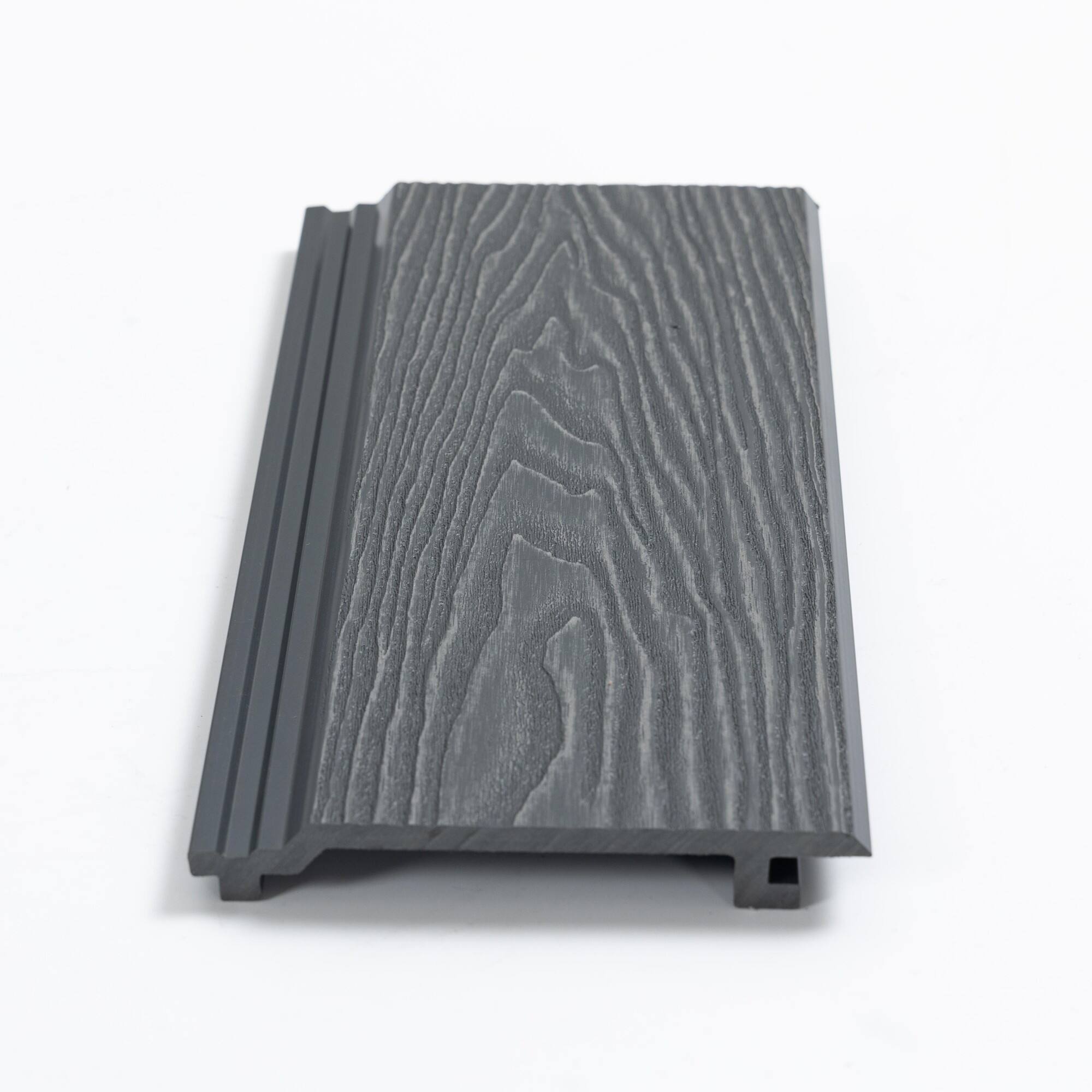
Understanding the unique composition of wood-plastic composite materials forms the foundation of effective maintenance because these panels blend natural wood fibers with thermoplastic polymers, creating surfaces that resist moisture, insects, and decay while still requiring specialized care different from traditional wood or vinyl siding. Quality manufacturers emphasize that proper maintenance begins with recognizing how environmental factors, installation quality, and usage patterns influence panel longevity, making it essential to develop customized care routines based on your specific installation conditions. Whether your composite panels face harsh coastal winds, desert sun exposure, or humid continental climates, establishing the right maintenance approach protects both the material investment and the architectural beauty that prompted your initial selection of these innovative building products.
Understanding Composite Panel Composition and Maintenance Requirements
Material Science Behind Wood-Plastic Composites
The fundamental structure of composite wall panels consists of wood fiber particles thoroughly mixed with polymer resins, typically polyethylene or polyvinyl chloride, creating a hybrid material that leverages the aesthetic warmth of natural wood while gaining the weather resistance of synthetic plastics. Leading facilities at any advanced wpc wall panel factory employ precise mixing ratios and extrusion processes that determine the final product's porosity, surface texture, and maintenance characteristics. These manufacturing variables directly impact how panels respond to cleaning agents, moisture exposure, and mechanical stress during routine maintenance activities. The polymer matrix encapsulates wood fibers, protecting them from water absorption and biological degradation, yet surface scratches or manufacturing imperfections can expose these fibers to environmental elements if maintenance protocols fail to address minor damage promptly.
Understanding the specific formulation your panels contain helps predict their maintenance needs because different polymer bases exhibit varying resistance to UV radiation, temperature fluctuations, and chemical cleaners. High-density polyethylene formulations generally offer superior fade resistance and require less frequent deep cleaning compared to lower-grade composites, though all varieties benefit from regular surface maintenance. The wood content percentage also influences care requirements, with higher wood fiber ratios potentially showing more grain movement and requiring more attentive moisture management. Professional installers recommend consulting manufacturer specifications to identify the exact composite blend in your panels, enabling you to select cleaning products and maintenance schedules that complement rather than compromise the material chemistry developed during production.
Environmental Factors Affecting Panel Deterioration
Geographic location and microclimate conditions surrounding your installation create unique maintenance challenges that demand customized care approaches beyond generic cleaning recommendations. Coastal environments expose composite panels to salt spray and elevated humidity levels, accelerating surface residue accumulation and potentially causing mineral deposits that dull the panel finish if not regularly addressed through strategic washing cycles. Desert and high-altitude installations face intense UV radiation and dramatic temperature swings that can stress the polymer matrix, making periodic inspection for surface cracking and color fading essential components of preventive maintenance. Urban and industrial settings introduce airborne pollutants, including sulfur compounds and particulate matter, which adhere to panel surfaces and create stubborn staining patterns requiring specialized cleaning solutions beyond simple water rinsing.
Biological growth presents another environment-dependent maintenance concern, with shaded installations in humid regions promoting algae, mildew, and moss colonization on panel surfaces despite the inherent resistance built into quality products from a professional wpc wall panel factory. These organisms exploit microscopic surface irregularities and retain moisture against the panel face, creating localized conditions that can eventually compromise the protective polymer layer if allowed to establish mature colonies. Regular inspection during seasonal transitions helps identify early biological growth, allowing intervention before organisms penetrate surface pores or create permanent staining. Understanding how your specific environmental conditions influence deterioration patterns enables proactive maintenance scheduling that addresses problems during their formation rather than after visible damage appears, significantly extending panel service life while minimizing restoration costs.
Routine Cleaning Protocols for Composite Wall Panels
Basic Surface Cleaning and Dust Removal
Establishing a consistent basic cleaning schedule forms the cornerstone of composite panel maintenance, with quarterly surface washing recommended for most installations and monthly attention warranted in high-pollution or coastal environments. Simple dust and loose debris removal requires only a soft-bristle brush or microfiber cloth used with gentle sweeping motions following the panel grain direction to avoid scratching the surface finish. For routine washing, a garden hose with moderate pressure effectively removes accumulated dirt, pollen, and light soiling without requiring specialized equipment or chemical cleaners. Beginning at the top of the installation and working downward prevents dirty water from streaking across already-cleaned sections, while maintaining a consistent spray pattern ensures even coverage without creating pressure variations that might force water behind panel edges.
Water temperature considerations matter more than many property owners realize, with lukewarm water proving most effective for dissolving common dirt and organic residues without shocking the panel surface through extreme temperature exposure. Cold water reduces cleaning efficiency for oily or waxy deposits, while excessively hot water can soften the polymer matrix temporarily, making the surface more vulnerable to scratching during the cleaning process. The panels produced at a quality wpc wall panel factory undergo thermal stability testing, but practical maintenance still benefits from temperature moderation. After washing, allowing panels to air dry naturally prevents water spotting and gives you opportunity to observe drainage patterns that might indicate installation issues requiring attention, such as sections where water pools rather than shedding properly, potentially indicating warped panels or improper fastening that needs correction before moisture intrusion occurs.
Deep Cleaning Methods for Stubborn Stains
Stubborn staining from organic growth, mineral deposits, or environmental pollutants demands more aggressive cleaning approaches while still respecting the composite material's chemistry and surface integrity. Mild detergent solutions, specifically pH-neutral formulations designed for composite materials, effectively address most persistent stains when applied with soft-bristle brushes using circular scrubbing motions that work the cleaner into surface texture without gouging the polymer matrix. Mixing ratios should follow manufacturer recommendations precisely, as overly concentrated solutions can leave residue films that actually attract dirt faster during subsequent exposure periods. For biological stains including algae and mildew, oxygen-based cleaners provide effective results without the harsh chemical impact of chlorine bleach, which can degrade polymer bonds and cause premature surface chalking on some composite formulations.
Specialty stain removal requires identifying the contaminant source before selecting treatment methods, with grease and oil stains responding well to degreasing agents diluted according to panel manufacturer specifications, while rust and mineral stains may require mild acidic cleaners applied briefly and rinsed thoroughly to prevent surface etching. Testing any new cleaning product on an inconspicuous panel section prevents widespread damage from incompatible chemical formulations, giving you confidence before treating visible surfaces. Power washing represents a tempting solution for heavily soiled panels but demands careful technique, with pressure settings never exceeding 1500 PSI and nozzle distance maintained at least 12 inches from the panel surface to prevent surface damage. The wpc wall panel factory production process creates a dense surface layer that resists moisture penetration, but excessive pressure washing can compromise this protective barrier, allowing water infiltration that leads to internal swelling and eventual delamination in extreme cases.
Preventive Maintenance and Inspection Strategies
Seasonal Inspection Protocols
Implementing systematic seasonal inspections catches developing issues before they escalate into costly repairs, with spring and fall representing ideal timing for comprehensive panel assessments following winter freeze-thaw cycles and summer heat exposure. During these inspections, examine panel edges and seams for any signs of separation, checking that expansion gaps remain adequate for thermal movement while confirming that fasteners maintain proper tension without over-compression that can crack panels. Surface inspection focuses on identifying any areas showing discoloration, chalking, or texture changes that might indicate UV degradation or moisture intrusion, with particular attention to south-facing walls receiving maximum sun exposure. Running your hand along panel surfaces during inspection helps detect subtle warping or buckling that visual assessment might miss, especially in textured or embossed panel designs where dimensional changes hide within the surface pattern.
Drainage system inspection complements panel examination because even the most advanced products from a leading wpc wall panel factory depend on proper water management to maintain long-term performance. Check that weep holes remain clear of debris, ensure flashing details maintain proper overlap and adhesion, and verify that no landscape changes have redirected water flow toward rather than away from panel installations. Caulking and sealant conditions require annual evaluation, with any cracked or separated sections needing immediate replacement to prevent moisture infiltration behind panels. Documenting inspection findings through photographs and written notes creates a maintenance history that helps identify developing patterns, such as specific panels showing accelerated wear due to unique exposure conditions, enabling targeted intervention before wholesale replacement becomes necessary.
Addressing Minor Damage and Surface Defects
Minor surface scratches and scuffs represent the most common damage type affecting composite panels, typically resulting from landscaping equipment contact, impact from airborne debris, or improper cleaning technique using abrasive tools. Shallow scratches affecting only the surface layer often become less noticeable over time as weathering naturally blends the damaged area with surrounding surfaces, though some manufacturers offer color-matched touch-up products that accelerate this blending process. Deeper gouges exposing wood fibers require more immediate attention because exposed organic material can absorb moisture and potentially harbor biological growth, creating localized deterioration points that spread outward if ignored. Filling deep scratches with manufacturer-recommended composite repair compounds, carefully color-matched to your panel finish, restores both appearance and moisture barrier protection.
Surface fading represents another maintenance concern that develops gradually through cumulative UV exposure, with quality panels from an established wpc wall panel factory incorporating UV stabilizers that slow but don't completely prevent color change over years of service. While some fading remains inevitable, regular cleaning that removes surface contaminants helps maintain color vibrancy by preventing dirt accumulation that makes fading more visually apparent. For installations where appearance standards demand color consistency, specialized composite restorer products can refresh faded surfaces, though these treatments require reapplication every few years as they don't permanently alter the underlying material. Understanding that composite panels weather naturally helps set realistic maintenance expectations, with properly cared-for installations maintaining structural integrity and weather resistance long after some color softening occurs, making functional performance rather than pristine appearance the primary long-term metric for successful maintenance programs.
Long-Term Care and Performance Optimization
Protective Treatments and Surface Enhancements
While composite panels resist environmental damage better than traditional wood siding, protective treatments can further enhance durability and reduce maintenance frequency for installations facing particularly harsh exposure conditions. Specialized composite sealers create an additional barrier layer that repels water, resists staining, and provides enhanced UV protection beyond the baseline resistance engineered during manufacturing at the wpc wall panel factory. These treatments typically require application every two to four years depending on climate severity and product formulation, with proper surface preparation through thorough cleaning essential for ensuring adequate adhesion and performance. Application timing matters significantly, with mild, dry weather conditions enabling proper curing without premature moisture exposure that can compromise the protective film formation.
Anti-graffiti coatings represent valuable protection for commercial installations in urban environments, creating sacrificial layers that allow vandalism removal without damaging underlying panel surfaces. These specialized treatments enable graffiti cleaning using appropriate solvents that would otherwise harm composite finishes, though coating selection must account for composite material compatibility to prevent adverse chemical reactions. For residential applications, dirt-repellent nanotechnology coatings offer promise in reducing cleaning frequency by preventing soil adhesion at the molecular level, though cost-benefit analysis should consider whether reduced maintenance effort justifies the initial treatment investment and periodic reapplication requirements. Consulting with the original panel manufacturer before applying any aftermarket treatments ensures compatibility and preserves warranty coverage, as some products void manufacturer guarantees if non-approved surface treatments alter the panel's original specifications or chemical composition.
Replacement Criteria and Service Life Management
Determining when maintenance transitions from economical preservation to necessary replacement requires objective assessment of panel condition against functional performance criteria and safety standards. Structural indicators warranting replacement include significant warping that creates water trapping potential, extensive cracking that compromises weather resistance, or delamination where the polymer matrix separates from wood fiber core. These failures typically result from installation errors, extreme environmental events, or service conditions exceeding design specifications rather than normal aging of properly maintained panels from a reputable wpc wall panel factory. Widespread biological growth that returns rapidly after treatment suggests that panel surface integrity has deteriorated to the point where porosity allows organism colonization despite cleaning efforts, indicating that replacement provides better long-term value than continued remedial maintenance.
Economic replacement decisions balance repair costs against remaining service life projections, with individual damaged panels often replaceable without disturbing surrounding installation if the original product line remains available. Maintaining spare panels from the original installation batch ensures perfect color matching for future repairs, as manufacturing variations and weathering patterns make matching aged panels with new production challenging even from the same wpc wall panel factory. For large-scale commercial installations, developing a planned replacement schedule based on expected service life and observed deterioration patterns enables budgeting for systematic upgrades before emergency failures occur. Most quality composite panels deliver 25 to 30 years of functional service under normal conditions with proper maintenance, though appearance standards in high-visibility applications might justify earlier replacement even when structural performance remains adequate, making the replacement decision ultimately dependent on the specific performance expectations and aesthetic requirements driving your particular installation priorities.
FAQ
How often should composite wall panels be cleaned to maintain their appearance and performance?
Composite wall panels benefit from quarterly cleaning in most environments, with this frequency increasing to monthly washing in coastal areas with salt spray exposure, industrial zones with heavy airborne pollutants, or humid climates prone to biological growth. Routine dust removal can occur more frequently using dry brushing methods, while deep cleaning with detergents should happen at least twice annually during spring and fall seasonal transitions. Panels in protected locations under wide roof overhangs or in shaded areas accumulate dirt more slowly and may require only semi-annual attention, though biological growth inspection should still occur quarterly even in low-maintenance installations to catch algae or mildew development before organisms establish mature colonies.
Can pressure washers be safely used on composite wall panels without causing damage?
Pressure washers can clean composite panels effectively when used with appropriate technique, specifically maintaining pressure below 1500 PSI, using a wide fan spray pattern rather than concentrated stream nozzles, and keeping the spray wand at least 12 inches from the panel surface throughout the cleaning process. Directing spray downward at a slight angle prevents water intrusion behind panel edges while still removing surface contaminants effectively. Excessive pressure or holding the nozzle too close can damage the polymer surface layer, create texture variations, or force water into seams and fastener penetrations, potentially causing hidden moisture problems that manifest as swelling or delamination months after the cleaning event.
What cleaning products should be avoided when maintaining panels from a wpc wall panel factory?
Avoid chlorine bleach, acetone, paint thinners, and strongly acidic or alkaline cleaners unless specifically approved by your panel manufacturer, as these aggressive chemicals can degrade polymer bonds, cause surface discoloration, or create microscopic surface damage that accelerates future soiling. Abrasive cleaners containing solid particles should never contact composite surfaces because they scratch the protective polymer layer, exposing wood fibers to moisture and creating texture changes that trap dirt. Oil-based cleaning products can leave residue films that attract dirt and complicate future cleaning efforts, while solvent-based treatments may soften the polymer matrix temporarily, making panels vulnerable to mechanical damage during the cleaning process.
How can I tell if surface discoloration indicates a maintenance issue or normal weathering?
Normal weathering creates gradual, uniform color softening across entire panel surfaces or specific elevations receiving similar sun exposure, while maintenance-related discoloration typically appears as localized spots, streaks, or patterns corresponding to drainage paths, biological growth, or environmental contaminant deposition. Testing whether discoloration removes with mild detergent cleaning distinguishes surface soiling from permanent color change, with removable staining indicating insufficient cleaning frequency rather than material degradation. Chalking, where a powdery residue appears when rubbing the panel surface, suggests UV degradation of the polymer matrix and represents normal aging that protective treatments can slow but not reverse, while green or black spots indicate biological colonization requiring treatment with appropriate antimicrobial cleaners to prevent organism establishment and potential surface damage.