
 EN
EN

A Guide to Choosing and Installing Exterior Wood Plastic Composite Cladding
Exterior wood plastic composite cladding has transformed modern building design by offering the natural aesthetic appeal of wood combined with the durability and low maintenance requirements of advanced polymer materials. For architects, contractors, and property developers seeking long-lasting facade solutions, understanding the selection criteria and installation methodology for WPC cladding is essential to ensuring both visual appeal and structural performance. This comprehensive guide walks through the critical factors that influence material selection, the role of manufacturing quality from a reputable wpc wall panel factory, and the step-by-step considerations for successful installation that maximizes the lifespan and appearance of your exterior surfaces.
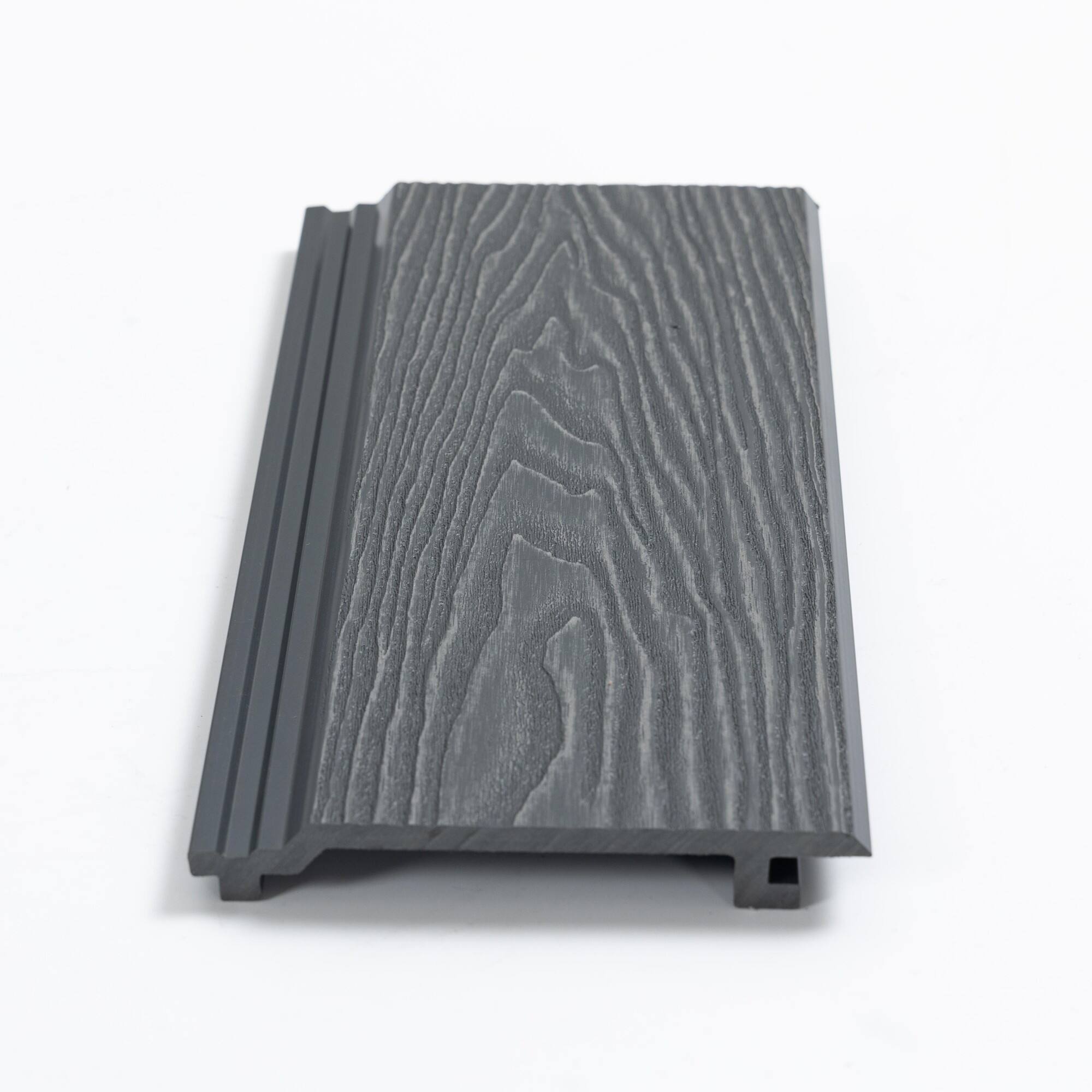
Choosing the right exterior cladding material involves balancing performance characteristics with aesthetic preferences, budget constraints, and environmental conditions specific to your project location. Wood plastic composite panels manufactured by specialized facilities combine wood fiber and recycled plastic through precision extrusion processes that determine panel density, surface texture, color consistency, and weather resistance. The quality standards maintained by a wpc wall panel factory directly impact the product's ability to withstand ultraviolet radiation, moisture penetration, temperature fluctuations, and mechanical stress over decades of service. Beyond material selection, proper installation techniques ensure that panels remain securely fastened, thermally stable, and visually aligned throughout seasonal changes and environmental exposure.
Understanding Wood Plastic Composite Material Composition and Manufacturing Quality
Core Material Components and Their Performance Impact
Wood plastic composite cladding consists primarily of wood flour or wood fibers blended with thermoplastic polymers such as polyethylene, polypropylene, or polyvinyl chloride. The ratio of wood content to plastic content significantly influences the final product's characteristics, with higher wood content typically providing a more authentic wood grain appearance and texture while higher plastic content enhances moisture resistance and dimensional stability. A professional wpc wall panel factory carefully controls these ratios during the compounding phase to achieve specific performance targets that align with exterior cladding requirements. The wood component is typically sourced from sawdust, wood chips, or recycled wood products that have been dried and processed into fine particles to ensure uniform distribution throughout the composite matrix.
The plastic component serves as the binding matrix that encapsulates wood particles and provides the composite with its water resistance, UV stability, and structural integrity. High-density polyethylene is commonly preferred for exterior applications due to its superior weathering characteristics and resistance to thermal expansion. Manufacturing facilities also incorporate additives such as UV stabilizers, colorants, coupling agents, and processing aids that enhance specific performance attributes. The coupling agents improve the bond between hydrophilic wood fibers and hydrophobic plastic polymers, resulting in a more homogeneous composite with improved mechanical properties and reduced susceptibility to moisture-related degradation.
Manufacturing Process Standards and Quality Indicators
The extrusion process employed by a wpc wall panel factory determines the consistency, surface quality, and structural integrity of the finished cladding panels. During extrusion, the compounded material is heated to a precise temperature range where the plastic component becomes molten while avoiding thermal degradation of the wood fibers. The material is then forced through a die that shapes the cross-sectional profile of the panel, which may include hollow chambers for weight reduction and thermal insulation or solid construction for maximum strength. Cooling systems must be carefully controlled to prevent warping or surface defects as the extruded profile transitions from molten to solid state.
Quality control measures implemented during manufacturing include density verification, moisture content testing, dimensional tolerance checks, and surface finish inspection. Reputable manufacturers maintain batch traceability systems that allow tracking of raw material sources and processing parameters for each production run. Surface treatment processes such as embossing, brushing, or coating may be applied to enhance texture realism and provide additional protection against weathering. When evaluating products from different suppliers, requesting technical data sheets that specify material composition, density specifications, water absorption rates, and thermal expansion coefficients provides objective comparison criteria that inform selection decisions.
Certification Standards and Performance Testing
International and regional standards organizations have established testing protocols that evaluate the suitability of wood plastic composite materials for exterior applications. These standards assess characteristics such as fire resistance, structural load capacity, fade resistance under accelerated weathering conditions, and dimensional stability across temperature cycles. Products that have undergone independent third-party testing and certification provide greater assurance of performance reliability compared to uncertified alternatives. A qualified wpc wall panel factory typically maintains documentation of compliance with relevant building codes and industry standards applicable to the target markets they serve.
Fire rating classifications are particularly important for exterior cladding applications, as building regulations in many jurisdictions specify minimum fire resistance requirements based on building height, occupancy type, and proximity to property boundaries. Class A fire ratings indicate the highest level of fire resistance, while lower classifications may restrict the application of certain materials. Understanding these regulatory requirements during the material selection phase prevents costly specification changes or compliance issues during project approval processes. Additionally, environmental certifications that verify recycled content percentages and sustainable sourcing practices align with green building initiatives and may contribute to LEED or similar sustainability rating achievements.
Critical Selection Criteria for Exterior WPC Cladding Applications
Climate Compatibility and Environmental Resistance
The geographic location and microclimate conditions surrounding a building significantly influence the performance requirements for exterior cladding materials. Regions with high humidity levels, frequent precipitation, or proximity to saltwater environments demand WPC products with enhanced moisture barrier properties and corrosion-resistant fastening systems. Temperature extremes also affect material selection, as thermal expansion and contraction rates vary depending on the specific polymer formulation used by the wpc wall panel factory. Products designed for tropical climates may incorporate higher concentrations of UV stabilizers to prevent color fading and surface degradation from intense solar radiation, while materials intended for cold climates require greater flexibility to accommodate freeze-thaw cycles without cracking.
Coastal installations face additional challenges from salt spray and wind-driven moisture that can penetrate conventional building materials over time. WPC cladding formulated with marine-grade additives and protective surface treatments provides superior resistance to salt corrosion compared to traditional wood siding or fiber cement alternatives. When evaluating products from various manufacturers, requesting documentation of accelerated weathering test results that simulate decades of exposure provides valuable insight into long-term performance expectations. The color retention properties documented through standardized fade testing help predict maintenance intervals and the likelihood of needing premature replacement due to aesthetic degradation.
Aesthetic Considerations and Design Flexibility
The visual characteristics of exterior cladding play a central role in architectural expression and property value perception. Modern manufacturing techniques enable a wpc wall panel factory to produce panels with highly realistic wood grain patterns, varied color palettes, and surface textures that range from smooth contemporary finishes to deeply embossed rustic profiles. Color consistency across production batches is critical for large-scale projects where panels from multiple shipments must blend seamlessly without visible tonal variations. Some manufacturers offer color-matching services that coordinate with existing architectural elements or corporate branding requirements.
Panel dimensions and profile configurations affect both the installation efficiency and the final aesthetic impact of the facade. Wider panels reduce the number of seams and fasteners visible on the finished surface, creating a cleaner, more contemporary appearance. Alternatively, narrower plank profiles can mimic traditional wood siding patterns preferred in residential or heritage-style projects. The availability of complementary trim pieces, corner profiles, and finishing accessories from the same wpc wall panel factory ensures cohesive detailing throughout the installation. Three-dimensional surface treatments that create shadow lines and depth perception add visual interest while maintaining the low-maintenance advantages of composite materials.
Structural Performance and Load-Bearing Requirements
While primarily serving as a protective and aesthetic skin, exterior cladding must possess adequate structural integrity to resist wind loads, impact forces, and the mechanical stresses imposed during installation and throughout its service life. The wall assembly design determines whether WPC panels function as load-bearing components or purely as non-structural cladding applied over a separate structural framework. Understanding these requirements during the selection phase ensures that chosen products meet the engineering specifications for the specific application.
Panel thickness, internal rib configuration, and material density collectively determine the flexural strength and stiffness characteristics of WPC cladding. Thicker panels with optimized internal geometry resist deflection and provide greater impact resistance, making them suitable for high-traffic areas or installations vulnerable to mechanical damage. The fastening system design must accommodate the thermal movement of WPC materials while maintaining secure attachment to the underlying substrate. Quality manufacturers provide engineering data that specifies maximum span distances between support points and minimum fastener spacing requirements to prevent panel sagging or warping over time.
Site Assessment and Pre-Installation Planning Procedures
Substrate Evaluation and Preparation Requirements
Successful WPC cladding installation begins with thorough assessment of the existing wall substrate to verify its structural adequacy, flatness, and moisture management capabilities. The substrate must provide a stable mounting surface capable of supporting the cladding weight and resisting the forces transmitted through the fastening system. Common substrate types include oriented strand board sheathing, plywood, concrete masonry, or metal framing systems, each requiring specific attachment methods and fastener selections. Any substrate damage, rot, or structural deficiencies must be remediated before proceeding with cladding installation to prevent future failures that compromise both the facade and the building envelope.
Moisture barriers and drainage plane systems form critical components of the wall assembly that protect the substrate from water intrusion while allowing any moisture that does penetrate to escape without causing damage. Building wrap materials with appropriate permeability ratings should be installed over the substrate following manufacturer specifications before attaching cladding support components. Flashing details at horizontal terminations, penetrations, and junctions with dissimilar materials must be carefully planned and executed to direct water away from vulnerable areas. The installation team should verify that the substrate plane is sufficiently flat to prevent visible waviness in the finished cladding surface, addressing any irregularities through shimming or furring strip adjustments.
Ventilation and Thermal Management Strategies
Proper ventilation behind exterior cladding prevents moisture accumulation, reduces thermal stress on the materials, and extends the service life of both the cladding and the underlying wall assembly. Most WPC installations benefit from a ventilated rainscreen configuration that creates an air gap between the back face of the cladding panels and the moisture barrier. This air space facilitates upward airflow driven by thermal buoyancy that removes moisture and heat, preventing conditions that could lead to mold growth, substrate deterioration, or panel warping.
The furring strip or batten system that creates this air gap must be dimensioned appropriately to provide adequate ventilation volume while maintaining sufficient contact area for secure fastening. Typical air gap dimensions range from 19 to 38 millimeters depending on panel width, building height, and local climate conditions. Ventilation openings at the bottom and top of the wall assembly allow air intake and exhaust, with insect screening preventing pest infiltration. The thermal expansion characteristics of WPC materials require that fastening systems accommodate dimensional changes without restraining panel movement, which could cause buckling or fastener pull-through failures.
Tool Selection and Installation Team Preparation
Installing exterior WPC cladding requires specialized tools and equipment beyond those used for traditional wood siding applications. Cutting operations should be performed with carbide-tipped saw blades designed for composite materials, as conventional wood-cutting blades dull rapidly and produce rough edge quality. Pre-drilling fastener holes with appropriate bit sizes prevents panel cracking while ensuring proper fastener seating. Pneumatic fastening systems calibrated to the density and thickness of the specific WPC product improve installation speed and consistency while reducing operator fatigue on large projects.
The installation crew should receive product-specific training from the wpc wall panel factory or their authorized distributor to understand the unique handling characteristics and installation requirements of the chosen material. Different manufacturers may specify distinct fastening patterns, expansion gap dimensions, or trim attachment methods that affect the final performance and warranty coverage. Having detailed installation drawings and written specifications on site ensures that all team members follow consistent procedures throughout the project. Weather conditions during installation should be monitored, as extreme temperatures can affect material handling characteristics and the performance of adhesives or sealants used in conjunction with mechanical fasteners.
Step-by-Step Installation Methodology and Technical Execution
Initial Layout and Starting Course Establishment
Accurate layout and establishment of level reference lines form the foundation for professional-quality WPC cladding installation. Using a laser level or traditional water level, establish horizontal reference lines at multiple elevations across the wall surface to guide panel alignment throughout the installation process. The starting course at the base of the wall requires particular attention, as any deviation from level or alignment errors at this stage will compound upward and become increasingly visible as the installation progresses.
The starter strip or base trim component provides the foundation for the first course of cladding panels and establishes the proper drainage plane angle. This component must be securely fastened at intervals specified by the wpc wall panel factory, typically ranging from 300 to 400 millimeters depending on wind load calculations and substrate type. Vertical control lines should be snapped at regular intervals to maintain panel alignment and ensure that vertical joints align consistently across multiple courses. Planning the panel layout to minimize small cut pieces at corners and openings creates a more balanced appearance and reduces material waste.
Panel Installation Sequence and Fastening Techniques
WPC panels should be installed working from one end of the wall toward the other in a consistent pattern that maintains proper panel overlap and expansion gap spacing. Most systems utilize either a tongue-and-groove interlock or a face-fastened design with overlapping joints. For tongue-and-groove systems, the concealed fastening pattern creates a clean appearance without visible fastener heads, while face-fastened systems may be preferred for their simplicity and ease of individual panel replacement if damage occurs.
Each panel must be allowed to expand and contract independently in response to temperature changes, requiring specified gaps at panel ends and between rows. These expansion gaps typically range from 3 to 6 millimeters depending on the panel length, material formulation, and expected temperature range at the installation site. Fasteners should be installed perpendicular to the panel surface and driven to the depth specified by the manufacturer, avoiding over-tightening that could dimple the surface or restrict thermal movement. Stainless steel or specially coated fasteners prevent corrosion and staining that could compromise both appearance and structural integrity over time.
Trim Integration and Finishing Details
Professional completion of WPC cladding installation requires careful integration of trim components at corners, openings, terminations, and transitions to other materials. Inside and outside corner trim pieces conceal panel edges and create visually crisp transitions while accommodating the differential movement of adjacent wall planes. Window and door surrounds must be detailed to provide weather protection while maintaining consistent reveal dimensions and alignment with the field cladding.
Horizontal terminations at roof lines, foundation transitions, or mid-wall changes in material require flashing integration that directs water away from vulnerable junctions. The trim components should be sourced from the same wpc wall panel factory as the field panels to ensure color matching and compatible thermal expansion characteristics. Sealant applications at specific locations may be required by the installation instructions, using products that remain flexible throughout the temperature range expected at the site and that are compatible with the WPC material chemistry to prevent adhesion failures or surface staining.
Long-Term Maintenance Planning and Performance Optimization
Routine Cleaning and Surface Care Protocols
One of the primary advantages of WPC cladding compared to natural wood is the significantly reduced maintenance requirement, though periodic cleaning maintains optimal appearance and prevents surface degradation from accumulated contaminants. Annual washing with mild detergent solutions and soft-bristle brushes removes dirt, pollen, and atmospheric pollutants that can dull the surface finish over time. High-pressure washing should be avoided or used with caution, as excessive pressure can damage the surface texture or force water behind the cladding panels.
Areas subject to irrigation spray, roof runoff, or other concentrated water exposure may develop algae or mildew growth on the surface, particularly in shaded locations with limited air circulation. These biological growths can typically be removed with specialized composite deck cleaners or diluted bleach solutions followed by thorough rinsing. The frequency of cleaning depends on environmental conditions and aesthetic expectations, with most installations requiring attention only once or twice annually. Inspecting fastener integrity, sealant condition, and trim attachment during routine cleaning allows early detection of maintenance needs before they develop into more significant problems.
Seasonal Inspection and Preventive Maintenance
Implementing a systematic inspection schedule ensures that minor issues are addressed promptly before they compromise the performance or appearance of the cladding system. Seasonal inspections should focus on areas vulnerable to weather-related damage including horizontal surfaces, drainage paths, and locations where different materials meet. Checking that weep holes and ventilation openings remain clear prevents moisture accumulation that could affect the wall assembly. Fasteners should be examined for corrosion, loosening, or backing out, with any deficiencies corrected using appropriate replacement hardware.
Expansion gaps between panels should be verified to ensure they have not become blocked with debris or paint, which would restrict thermal movement and potentially cause panel distortion. Any caulked joints should be inspected for cracking, separation, or loss of adhesion, with failing sealant removed and replaced to maintain weather protection. Storm damage from hail, wind-blown debris, or falling branches should be assessed and repaired promptly to prevent moisture intrusion or aesthetic inconsistency. Documentation of inspection findings and maintenance actions provides valuable records for warranty claims and long-term performance tracking.
Warranty Considerations and Manufacturer Support
Understanding the warranty terms provided by the wpc wall panel factory helps set realistic performance expectations and clarifies the maintenance obligations required to maintain coverage. Most manufacturers offer limited warranties covering specific defects or performance characteristics such as structural integrity, color fade resistance, or material deterioration from normal weathering. These warranties typically specify exclusions for improper installation, inadequate maintenance, or damage from external forces beyond normal environmental exposure.
Maintaining records of the original product purchase, installation date, installer credentials, and subsequent maintenance activities provides documentation that may be required when filing warranty claims. Some manufacturers offer extended warranty programs or performance guarantees that require registration within a specified period after installation. Establishing a relationship with the supplying wpc wall panel factory or their local representative provides access to technical support, replacement components, and guidance for addressing performance concerns. Understanding the expected service life and degradation patterns typical of WPC materials in your specific climate helps distinguish normal aging from defect-related issues that may be covered under warranty provisions.
FAQ
What is the typical lifespan of exterior WPC cladding compared to traditional wood siding?
Exterior WPC cladding manufactured by reputable facilities typically offers a service life of 25 to 30 years with minimal maintenance, significantly exceeding the 10 to 15 year lifespan of painted wood siding that requires periodic repainting and repair. The composite material's resistance to rot, insect damage, and moisture-related deterioration eliminates the major failure modes that limit natural wood longevity. However, actual lifespan depends heavily on installation quality, local climate conditions, and adherence to recommended maintenance practices. Products from a quality wpc wall panel factory that incorporate advanced UV stabilizers and weathering additives demonstrate superior color retention and surface integrity throughout their service life.
Can WPC wall panels be installed directly over existing siding materials?
While technically possible in some circumstances, installing WPC cladding over existing siding is generally not recommended without careful assessment of the underlying condition and structural adequacy. The existing siding may conceal moisture damage, rot, or structural deficiencies that could compromise the new installation. Additionally, the fastening system must penetrate through the old siding into solid substrate material to achieve adequate holding strength. Most professional installers and manufacturers recommend removing old siding to allow proper inspection of the substrate, installation of updated moisture barriers, and creation of an appropriate ventilation cavity. This approach ensures optimal performance and allows the full warranty coverage from the wpc wall panel factory to remain valid.
How do thermal expansion characteristics of WPC materials affect installation requirements?
WPC materials exhibit greater thermal expansion and contraction compared to traditional wood, though less than pure plastic products. The coefficient of thermal expansion varies depending on the specific formulation used by each wpc wall panel factory, typically ranging from 3 to 6 times that of natural wood. This characteristic necessitates specific installation practices including mandatory expansion gaps between panel ends and at terminations, fastening techniques that allow panel movement without restraint, and avoidance of rigid attachment methods that could cause buckling or fastener failure. Darker colors absorb more solar radiation and experience greater temperature fluctuations than lighter colors, requiring slightly larger expansion gaps. Following the manufacturer's specific installation instructions regarding gap spacing and fastening patterns is essential to accommodate thermal movement throughout seasonal temperature cycles.
Are there specific building code requirements that affect WPC cladding selection and installation?
Building codes governing exterior cladding vary by jurisdiction but commonly address fire resistance ratings, structural attachment requirements, and moisture management provisions. WPC products must meet fire classification standards appropriate for the building type, height, and occupancy, with many regions requiring Class A or Class B ratings for multi-family or commercial applications. Wind load resistance becomes critical in coastal or high-wind regions, necessitating engineered fastening systems and potentially limiting maximum panel spans. Energy codes may influence the overall wall assembly design including continuous insulation requirements that affect the cladding attachment methodology. Working with products from a wpc wall panel factory that provides comprehensive technical documentation including code compliance reports, engineering data, and installation specifications helps ensure that the selected system meets all applicable regulatory requirements for your specific project location.