
 EN
EN

How to Choose Aluminum Alloy Doors for Commercial and Industrial Use
Selecting the right materials for commercial and industrial construction projects requires careful consideration of multiple factors including durability, aesthetics, and maintenance requirements. While aluminum alloy doors provide excellent structural integrity and security, the surrounding wall systems must complement these architectural elements seamlessly. Modern construction increasingly relies on innovative materials like wpc wall panel systems that offer superior performance characteristics compared to traditional building materials. These composite solutions deliver exceptional resistance to moisture, temperature fluctuations, and environmental stresses that are common in commercial environments.
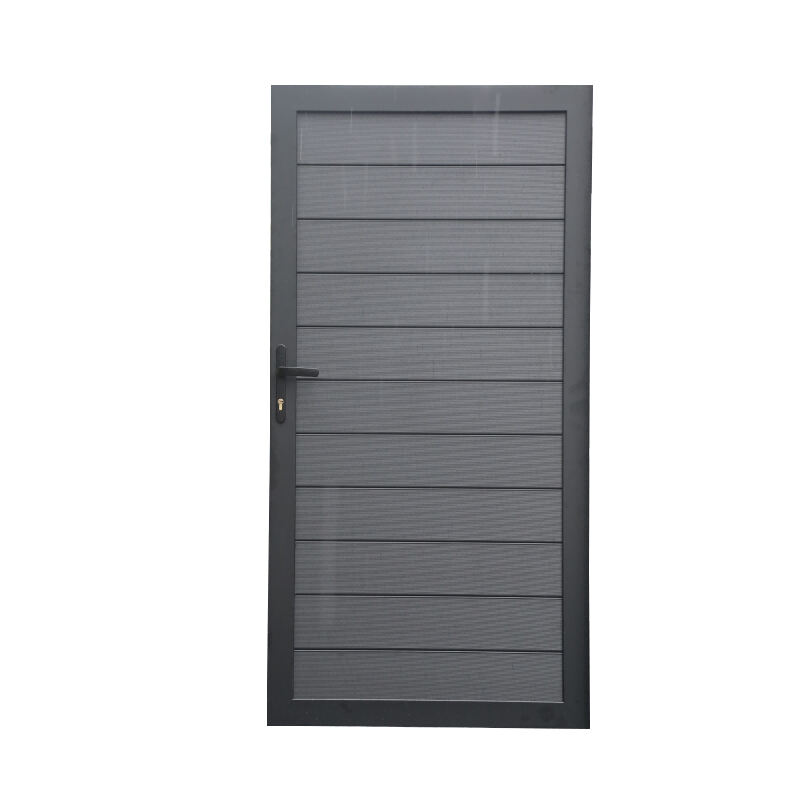
The integration of high-performance wall panel systems with premium door installations creates comprehensive building envelopes that meet stringent commercial and industrial standards. Understanding the relationship between door frame compatibility and wall panel specifications ensures optimal installation outcomes. Professional contractors recognize that wpc wall panel materials provide consistent dimensional stability that facilitates precise door frame alignment and reduces long-term maintenance requirements. This synergy between advanced door systems and composite wall materials represents the evolution of modern commercial construction practices.
Understanding Material Compatibility in Commercial Construction
Thermal Expansion Considerations
Commercial buildings experience significant temperature variations that affect both door frames and adjacent wall systems. Aluminum alloy doors expand and contract at different rates compared to surrounding materials, creating potential stress points that require careful engineering. Advanced wpc wall panel systems demonstrate superior thermal stability compared to traditional materials, maintaining consistent dimensions across wide temperature ranges. This dimensional stability reduces the likelihood of door frame distortion and ensures long-term operational reliability in demanding commercial environments.
Professional installers must account for differential thermal movement when specifying door and wall system combinations. The coefficient of thermal expansion for aluminum differs significantly from composite materials, requiring strategic use of expansion joints and flexible connections. Modern wpc wall panel designs incorporate thermal break technology that minimizes heat transfer and reduces thermal stress on adjacent building components. These engineering considerations directly impact door performance, security, and energy efficiency in commercial applications.
Moisture Management Systems
Effective moisture control represents a critical factor in commercial door and wall system integration. Aluminum alloy doors require proper drainage and vapor barrier systems to prevent condensation-related issues that can compromise structural integrity. Contemporary wpc wall panel installations include integrated moisture management features that channel water away from door frames and prevent infiltration. These systems incorporate advanced polymer technology that resists moisture absorption while maintaining structural stability in high-humidity environments.
The interface between door frames and wall panels creates potential moisture entry points that require specialized sealing techniques. Professional-grade weatherproofing materials must be compatible with both aluminum surfaces and composite panel systems to ensure long-term performance. Quality wpc wall panel products include factory-applied protective coatings that enhance moisture resistance and reduce maintenance requirements. This integrated approach to moisture management extends the service life of both door and wall systems while maintaining indoor environmental quality standards.
Structural Performance Requirements
Load Distribution Characteristics
Commercial and industrial doors must support significant operational loads while maintaining precise alignment and smooth operation. The structural integration of door frames with wall panel systems requires careful analysis of load paths and stress distribution patterns. High-performance wpc wall panel systems provide excellent structural support for door installations while offering superior impact resistance compared to traditional materials. These composite panels distribute concentrated loads across larger areas, reducing stress concentrations that can lead to premature failure.
Wind load resistance becomes particularly important for exterior door installations in commercial buildings. The combination of aluminum alloy door frames with engineered wpc wall panel systems creates robust building envelopes capable of withstanding extreme weather conditions. Modern panel designs incorporate internal reinforcement structures that enhance load-bearing capacity while maintaining lightweight characteristics. This balance between strength and weight facilitates easier installation while ensuring long-term structural performance in demanding applications.
Seismic Resistance Properties
Buildings in seismically active regions require door and wall systems capable of accommodating structural movement without compromising functionality. Aluminum alloy doors offer excellent ductility characteristics that allow controlled deformation during seismic events. The flexibility of modern wpc wall panel systems complements these properties by providing resilient support structures that can absorb and dissipate seismic energy. This combination creates building systems that maintain operational capability even after significant ground motion events.
Seismic design requirements influence both material selection and installation techniques for commercial door and wall systems. The connection details between aluminum door frames and composite wall panels must allow for controlled movement while maintaining structural continuity. Advanced wpc wall panel systems incorporate flexible connection methods that accommodate seismic displacement without compromising the building envelope integrity. These engineering considerations ensure that emergency egress routes remain functional during and after seismic events.
Installation Best Practices
Preparation and Planning
Successful integration of aluminum alloy doors with composite wall systems requires comprehensive pre-installation planning and site preparation. Accurate dimensional surveys ensure that door openings align properly with wpc wall panel layouts and structural support requirements. Professional installers develop detailed installation sequences that minimize disruption to ongoing construction activities while maintaining quality control standards. The modular nature of modern panel systems facilitates efficient installation processes that can accommodate complex door configurations and architectural details.
Site conditions significantly impact installation techniques and material performance for both door and wall systems. Environmental factors such as temperature, humidity, and wind exposure must be considered when scheduling installation activities. Quality wpc wall panel products include comprehensive installation guidelines that address these variables and ensure optimal performance outcomes. Proper storage and handling procedures protect materials from damage during the construction process and maintain manufacturer warranty coverage.
Quality Control Measures
Professional installation of commercial door and wall systems requires systematic quality control procedures that verify compliance with design specifications and building codes. Dimensional accuracy becomes critical when integrating precision-manufactured aluminum door frames with factory-produced wpc wall panel components. Regular inspection checkpoints throughout the installation process identify potential issues before they impact project schedules or performance outcomes. These quality assurance measures ensure that the completed installation meets or exceeds specified performance requirements.
Testing protocols for commercial door and wall systems include operational verification, weatherproofing validation, and structural performance confirmation. Advanced wpc wall panel installations undergo comprehensive testing to verify thermal performance, moisture resistance, and structural adequacy. Documentation of these testing procedures provides valuable warranty protection and facilitates future maintenance planning. The integration of quality control measures throughout the installation process ensures long-term reliability and customer satisfaction.
Maintenance and Lifecycle Management
Preventive Maintenance Programs
Commercial buildings require systematic maintenance programs to preserve the performance and appearance of door and wall systems throughout their service lives. Aluminum alloy doors benefit from regular cleaning and lubrication schedules that prevent corrosion and ensure smooth operation. The low-maintenance characteristics of modern wpc wall panel systems reduce overall facility management costs while maintaining aesthetic appeal. These composite materials resist staining, fading, and weathering better than traditional building materials, extending maintenance intervals and reducing lifecycle costs.
Preventive maintenance protocols should address both individual system components and their integration points to maximize performance and service life. The interface between aluminum door frames and composite wall panels requires periodic inspection and maintenance to ensure continued weatherproofing effectiveness. Professional maintenance programs for wpc wall panel systems include surface cleaning, fastener inspection, and sealant renewal as needed. These proactive measures prevent minor issues from developing into costly repairs while maintaining building envelope performance standards.
Performance Monitoring
Long-term performance monitoring provides valuable data for optimizing maintenance schedules and identifying potential improvement opportunities for commercial door and wall systems. Digital monitoring systems can track door operation cycles, environmental conditions, and energy performance metrics that inform maintenance decisions. The thermal performance of integrated wpc wall panel systems can be monitored to verify continued compliance with energy efficiency standards. This data-driven approach to facility management maximizes return on investment while ensuring continued performance reliability.
Performance benchmarking helps facility managers evaluate the effectiveness of different material combinations and installation techniques over time. Comparative analysis of buildings with various door and wall system configurations provides insights into optimal design approaches for specific applications. The durability characteristics of wpc wall panel installations can be tracked and compared to traditional materials to validate performance claims and inform future project specifications. This evidence-based approach to material selection and system design supports continuous improvement in commercial construction practices.
FAQ
What factors should be considered when selecting wall panel systems for aluminum door installations
The selection of wall panel systems for aluminum door installations requires evaluation of thermal compatibility, structural support capacity, and moisture management characteristics. Modern wpc wall panel systems offer excellent compatibility with aluminum door frames due to their dimensional stability and integrated weatherproofing features. Consider factors such as thermal expansion coefficients, load-bearing requirements, and local building code compliance when specifying materials. Professional consultation ensures optimal system integration and long-term performance reliability in commercial applications.
How do composite wall panels affect door frame installation accuracy
Composite wall panel systems can significantly improve door frame installation accuracy through their precise manufacturing tolerances and consistent dimensional characteristics. High-quality wpc wall panel products maintain tight dimensional control that facilitates accurate door frame positioning and alignment. The modular nature of these systems allows for precise opening preparation and reduces field adjustment requirements. This accuracy translates into improved door operation, enhanced security, and reduced maintenance needs throughout the building lifecycle.
What maintenance advantages do composite wall systems provide for commercial buildings
Composite wall systems offer substantial maintenance advantages including resistance to moisture, UV degradation, and thermal cycling that can affect traditional building materials. Premium wpc wall panel installations require minimal maintenance while maintaining consistent appearance and performance characteristics. The non-porous surface of these materials resists staining and biological growth, reducing cleaning requirements and extending service intervals. These maintenance benefits contribute to lower total cost of ownership and improved building aesthetics over time.
How do environmental conditions impact the selection of door and wall system combinations
Environmental conditions such as temperature extremes, moisture exposure, and UV radiation significantly influence the performance of door and wall system combinations in commercial applications. Advanced wpc wall panel systems demonstrate superior environmental resistance compared to traditional materials, maintaining structural integrity and appearance under harsh conditions. Consider local climate data, exposure orientation, and microenvironmental factors when specifying materials and installation techniques. Proper environmental assessment ensures optimal system performance and minimizes long-term maintenance requirements in challenging applications.